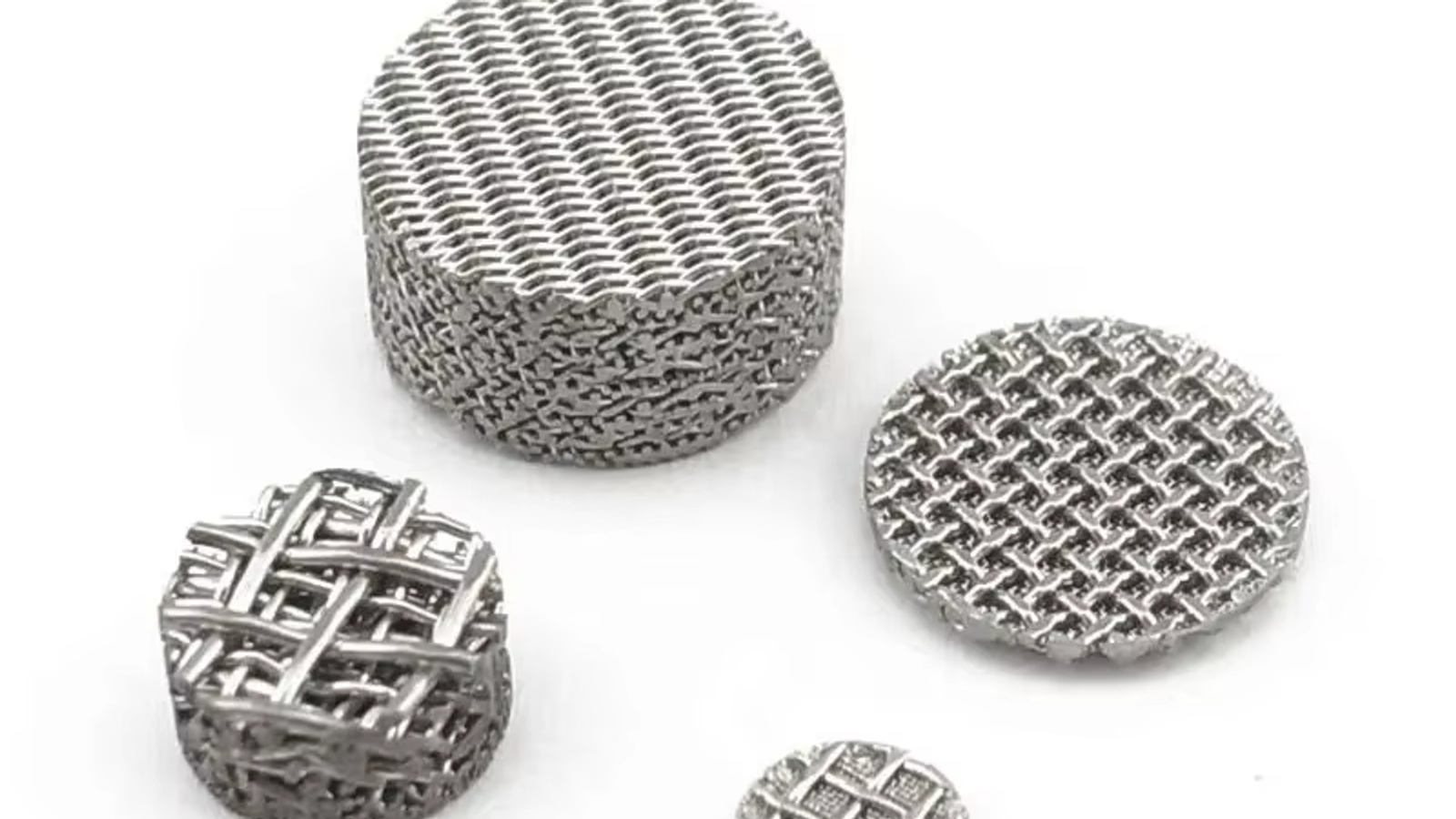
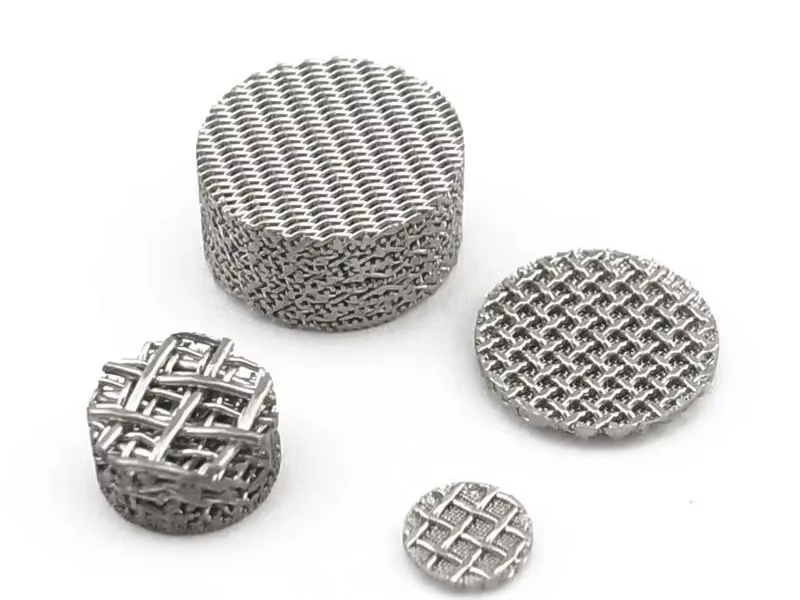
Beş katmanlı sinterlenmiş tel örgü, yüksek sıcaklıkta vakumlu sinterleme ve difüzyon bağlama yoluyla üst üste istiflenmiş ve tek bir rijit plaka halinde birleştirilmiş beş adet hassas dokuma tel örgüden üretilen çok katmanlı bir paslanmaz çelik filtre malzemesidir. İki kaba koruyucu katman, iki geçiş katmanı ve merkezde yer alan ince bir filtrasyon katmanı olmak üzere beş katman, malzemeye masif bir metal plakanın mekanik mukavemetini kazandırırken tipik olarak 2–20 µm filtrasyon hassasiyeti sağlar. Yapısında hiçbir yapıştırıcı veya bağlayıcı madde bulunmaksızın standart olarak SS316L ve opsiyonel olarak SS304 malzemeden üretilir: tellerin kendisi yaklaşık 1000–1300 °C sıcaklıkta metalurjik olarak birbirine kaynatılır. Sonuç, tek bir dokuma katmandan daha fazla kirletici tutan, basınç dalgalanmalarına karşı direnç gösteren, temizlenebilen ve yıllarca tekrar kullanılabilen bir derinlik filtrasyon malzemesidir. Bir uygulama, gerçek yapısal dayanıklılığa sahip tekrarlanabilir mikron düzeyinde filtrasyona ihtiyaç duyduğunda, beş katmanlı sinterlenmiş tel örgü mühendislerin genellikle tercih ettiği malzemedir.
Beş Katmanlı Sinterlenmiş Tel Örgü Nedir?
Beş katmanlı sinterlenmiş tel örgü, tam olarak adının tanımladığı şeydir: tek bir kompozit plaka halinde metalurjik olarak birleştirilmiş beş dokuma tel örgü katmanı. Katman istifi simetriktir. Merkezde ince bir tel örgü yer alır ve filtrasyon hassasiyetini belirler. Bunun her iki yanında daha kaba gözenekli bir geçiş katmanı bulunur ve en dışta ise ince çekirdeği darbe, aşınma ve büyük partiküllerle doğrudan temastan koruyan ağır, kaba bir tel örgü yer alır.
Münferit katmanlar sıradan dokuma tel örgülerdir; ancak sinterlendikten sonra istif, kumaş gibi davranmayı bırakıp delikli bir metal plaka gibi davranmaya başlar. Kompozit malzeme, kenarlarda katmanlar ayrılmadan kesilebilir, kaynak yapılabilir ve filtre elemanları şeklinde şekillendirilebilir. Gözenekler kalınlık boyunca açık ve birbiriyle bağlantılı kalır, böylece akışkan tek bir düz elekten geçmek yerine üç boyutlu, dolambaçlı bir yol boyunca ilerler.
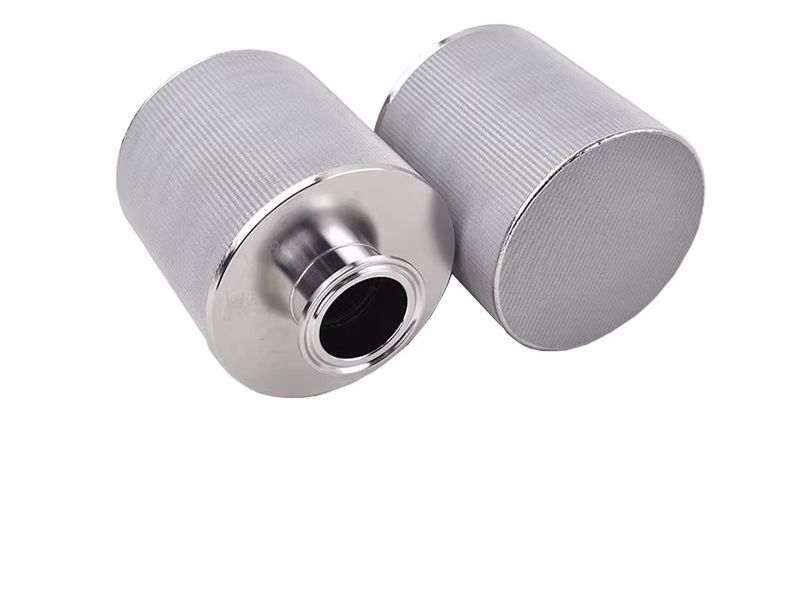
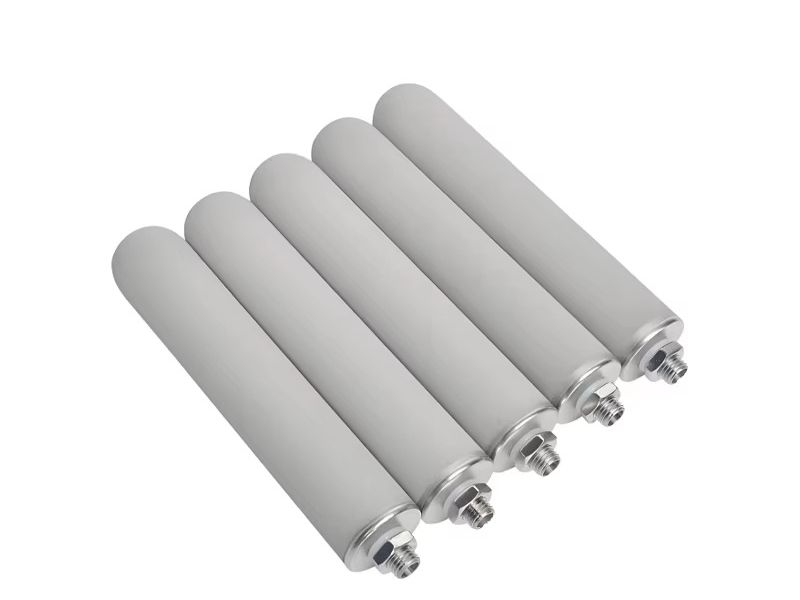
Orta katman tutma hassasiyetini kontrol ettiğinden, farklı mikron değerlerine ulaşmak için aynı dış yapı farklı ince tel örgülerin etrafına inşa edilebilir. Malzemenin düz paneller için plakalar, diskler ve kartuşlar gibi pek çok formda karşımıza çıkmasının nedeni budur; bunların tümü aynı beş katmanlı mimariyle üretilir.
Sinterleme Malzemeyi Nasıl Değiştirir?
Sinterleme, üst üste istiflenmiş beş eleği tek bir parça haline getiren işlemdir. Katmanlar hassas bir şekilde hizalanır, birbirine preslenir ve vakumlu veya kontrollü atmosfere sahip bir fırında yaklaşık 1000–1300 °C sıcaklığa kadar ısıtılır. Bu sıcaklıkta paslanmaz çelik tellerin yüzey atomları hareketli hale gelir ve bir telin komşu katmanın teliyle kesiştiği her noktada atomlar arayüz boyunca difüzyona uğrayarak sağlam bir metalurjik bağ oluşturur. Bu işlem difüzyon bağlamadır; sert lehim alaşımı, yapıştırıcı, polimer veya eklenen başka hiçbir şey yoktur.
En önemli sonuç, telden tele temas noktalarının kalıcı hale gelmesidir. Sinterlenmemiş bir istifte katmanlar kayabilir, ayrılabilir veya partiküllerin kenarlardan ince katmanı baypas etmesine neden olabilir. Sinterlemeden sonra temas noktaları birleşir, istifin gerilimi giderilir ve tüm plaka tek bir monolitik parça gibi davranır. Teller arasındaki gözenekler açık kalır çünkü difüzyon bağlaması yalnızca temas noktalarında gerçekleşir; yapı rijitlik kazanırken geçirgenliğini korur.
Bu kombinasyon, sinterlenmiş tel örgüyü basit bir laminasyondan ayıran şeydir. Sinterlenmiş elemanların deforme olmak yerine diferansiyel basınç altında şekillerini korumasının ve kesilmiş bir diskin temiz kenarının sökülmemesinin nedeni de budur.
Beş Katmanın Açıklaması
- Katman 1 — kaba koruma katmanı (dış). Kalın tel, geniş gözenek açıklıkları. Mekanik darbe ve aşınmanın yükünü üstlenir ve büyük kalıntıları hassas çekirdekten uzak tutar.
- Katman 2 — geçiş katmanı. Kaba dış katman ile hassas çekirdek arasında orta düzeyde bir gözenek açıklığı. Gözenek boyutunu kademeli olarak düşürür, basıncı ince tel örgüye eşit şekilde dağıtır ve onu geri yıkama şoklarından korur.
- Katman 3 — hassas filtrasyon katmanı (çekirdek). Yığındaki en ince tel örgü. Bu katman filtrasyon derecesini belirler ve asıl partikül tutma işlemini gerçekleştirir.
- Katman 4 — geçiş katmanı. Katman 2'nin aynasıdır, ince çekirdeği diğer taraftan destekler.
- Katman 5 — kaba destek katmanı (dış). 1. katmanın simetriğidir. Plakaya rijitlik, düzlük ve bir gövdeye kaynaklanabilen veya monte edilebilen bir yüzey kazandırır.
Katman grubu simetrik olduğu için plaka kıvrılmak yerine düz durur, her iki akış yönünden gelen basınca dayanır ve yükü eşit şekilde dağıtır. Prosesiniz zorluysa, daha fazla hassas katman veya daha kalın koruma katmanları ekleyebilirsiniz; beş katmanlı yapı standarttır ancak bu prensip ölçeklendirilebilir.
Filtrasyon Derecesi ve Mikron Kapasitesi
Beş katmanlı sinterlenmiş tel örgü en yaygın olarak 2 µm ila 20 µm arasındaki filtrasyon dereceleriyle tedarik edilir. Derecelendirme tamamen ince çekirdek katmanı tarafından belirlenir; çekirdek mesh sayısının değiştirilmesi, derecelendirmeyi bu aralık içinde yukarı veya aşağı hareket ettirir. Tutma işlemi kompozitin kalınlığı boyunca gerçekleştiği için, malzeme yalnızca yüzeyde yakalama yerine derinlemesine filtrasyon yapar. Bu, tek bir dokuma katmana kıyasla ona iki pratik avantaj sağlar: basınç düşüşü yükselmeden önce daha yüksek bir kirletici tutma kapasitesi ve belirlenen boyuta yakın partiküllerin daha tutarlı bir şekilde tutulması. Bunun karşılığında ödenen bedel, eşdeğer bir dokuma eleğe kıyasla biraz daha yüksek bir ilk basınç düşüşüdür —derinlik yapısı daha kalındır— ancak servis ömrü boyunca daha düz bir basınç düşüş eğrisidir, çünkü kompozit temizlikler arasında çok daha fazla kirletici tutar.
Bunu düz dokuma tel örgüile karşılaştırın; burada filtrasyon, görünür kare açıklıklara sahip tek bir düz elek tarafından domine edilir. Tek katmanlı dokuma tel örgü ucuzdur, temizlenmesi kolaydır ve kaba eleme için tamamen yeterlidir — ancak derecelendirmeler hassaslaştıkça tellerin incelmesi gerekir ve tel örgü hassaslaşır. Sinterlenmiş tel örgü bu dezavantajı ortadan kaldırır, çünkü ince katman etrafındaki kaba katmanlar tarafından korunur ve güçlendirilir.
Belirtim yaparken iki sayı önem taşır: tipik yakalamayı tanımlayan nominal derecelendirme ve belirtilen boyutun üzerindeki her partikülün tutulmasını garanti eden mutlak derecelendirme. Tedarikçinizden her ikisini de ve bunları destekleyen kabarcık noktası veya hava akış testi verilerini isteyin.
Mukavemet ve Basınç Dayanımı
Sinterlenmiş tel örgü ile dokuma tel örgü arasındaki en büyük pratik fark mekanik mukavemettir. Dokuma bir elek, tel kesişim noktalarındaki sürtünme ile bir arada tutulur; yüksek diferansiyel basınç, yüksek akış veya tekrarlanan darbeler altında teller kayabilir, boşluklar açabilir ve partiküllerin geçmesine izin verebilir. Sinterlenmiş bir kompozitte ise kesişim noktaları kaynaştırılmıştır, bu nedenle tellerin yer değiştirmesi fiziksel olarak imkansızdır. Sonuç, benzer mesh yapısına sahip tek bir dokuma katmandan birkaç kat daha yüksek bir patlama mukavemeti ve basınç altında şişmek yerine deformasyona direnen bir malzemedir.
Bu mukavemet en çok şu elemanlarda önem kazanır: sinterlenmiş metal filtre elemanları . Bu elemanlar birkaç bar diferansiyel basınç, sıcaklık dalgalanmaları ve titreşime maruz kalır. Rijit yapı gözenek geometrisini korur, böylece performans binlerce çalışma döngüsü boyunca öngörülebilir kalır. Ayrıca temiz bir şekilde kaynaklanır ve şekillendirilir; bu nedenle malzeme, dikiş yerlerinde şeklini koruyan disklere, plakalara ve kartuşlara dönüştürülür.
Temizlenebilirlik ve Servis Ömrü
Gözenekler esnek dokuma kesişim noktalarıyla değil, rijit metalurjik bağlarla açık tutulduğu için, beş katmanlı sinterlenmiş tel örgü son derece iyi temizlenir. Standart yöntemler ters akışlı geri yıkama, ultrasonik temizleme ve solvent veya kostik banyolarında bekletmedir. Bağlı yapı, tek bir dokuma katmanı deforme edecek veya yoracak olan temizleme işleminin mekanik stresine karşı koyar ve malzemenin derinliklerinde hapsolmuş kirleticiler, ince tek bir eleğe kıyasla daha kolay salınır.
Bu temizlenebilirlik, malzemenin ekonomik yapısının temelini oluşturur. Sinterlenmiş elemanların ilk maliyeti, tek kullanımlık bir kartuştan daha yüksektir, ancak sinterlenmiş bir eleman onlarca veya yüzlerce kez temizlenebilir. Detaylı karşılaştırmamız, sinterlenmiş tel örgü ile pileli kartuş temizlenebilirliği ve ömür boyu maliyeti rakamları detaylandırıyor — özetle, değişim sıklığı, bertaraf ve duruş sürelerini hesaba kattığınızda, ömür boyu maliyet genellikle sinterlenmiş tel örgünün lehinedir.
Tel örgüyü temizlenebilir kılan aynı rijitlik, onun dayanıklı parçalar halinde üretilmesini de sağlar: sinterlenmiş tel örgü filtre kartuşları yüksek basınçlı gövdeler için ve sinterlenmiş metal filtre diskleri düz plakalı sistemler için olanların her ikisi de beş katmanlı yapıya dayanır.
Beş Katmanlı Sinterlenmiş Tel Örgüye Karşı Dokuma Tel Örgü
Pratik farklılıklar birkaç temel özelliğe indirgenmektedir. Aşağıdaki tablo, beş katmanlı sinterlenmiş bir kompoziti, benzer bir nominal gözenek açıklığına sahip tek katmanlı dokuma bir elek ile karşılaştırmaktadır.
| Özellik | Beş Katmanlı Sinterlenmiş Tel Örgü | Dokuma Tel Örgü |
|---|
| Yapı | Beş birleştirilmiş katman | Tek dokuma katman |
| Tipik filtrasyon | 2–20 µm derinlik filtrasyonu | Tipik kaba eleme |
| Partikül yakalama | Derinlik artı yüzey | Yalnızca yüzey |
| Tel migrasyonu | İmkansız (kaynaşmış) | Darbeli akış altında mümkün |
| Patlama mukavemeti | Tek bir katmanın birkaç katı | Tel mukavemeti ile sınırlı |
| Temizleme | Geri yıkama · ultrasonik · daldırma | Geri yıkama · fırçalama |
| Kullanım ömrü | Yıllarca yeniden kullanılabilir | Sık değiştirme |
| İmalat | Temiz kesim · kaynak · şekillendirme | Destek için çerçeve gerekir |
Filtrasyon değerleri paslanmaz çelik tel örgüler için tipiktir; gerçek değerler mesh sayısı, tel çapı ve malzeme kalitesine bağlıdır. Mühendislik ödünleşimlerine yan yana eksiksiz bir bakış için — sinterlenmiş metalin maliyetine ne zaman değeceği ve dokuma tel süzgecin ne zaman daha akıllıca bir seçim olacağı — şu kılavuzumuza göz atın: sinterlenmiş metal filtre ile tel örgü filtre karşılaştırması.
Uygulamalar
Beş katmanlı sinterlenmiş tel örgü, bir filtrenin hassas, güçlü ve yeniden kullanılabilir olması gereken her yerde yerini alır.
- Kimyasal proses. Agresif solventler, korozif akışlar ve yüksek diferansiyel basınçlı prosesler. Sinterlenmiş SS316L kimyasal etkilere karşı direnç gösterirken, rijit yapısı dokuma bir eleği tahrip edecek basınç darbelerine karşı dayanıklılık sağlar.
- Farmasötik ve biyoproses filtrasyonu. Bu Farmasötik ve Kimya sektörü; tekrarlanabilir partikül tutma, temizlenebilirlik ve belgelenmiş performansın mevzuat gereklilikleri olduğu durumlarda sinterlenmiş elemanlar kullanır. Elemanlar valide edilebilir, yerinde temizlenebilir ve partiler arasında yeniden kullanılabilir.
- Polimer eriyik filtrasyonu. Ekstrüderler ve iplik eğirme hatları, erimiş polimeri yüksek sıcaklık ve basınçta filtreler. Disk veya filtre paketi formundaki sinterlenmiş tel örgü, mikron derecesini korur ve çoğu filtre malzemesinin çökeceği viskoz, yüksek basınçlı akışın üstesinden gelir.
- Katalizör geri kazanımı. İnce katalizör partikülleri yakalanmalı ve reaktöre geri döndürülmelidir. Sinterlenmiş tel örgünün derinlik yapısı, temizlik işlemleri arasında daha fazla ince katalizör partikülünü tutarak duruş süresini azaltır.
Hidrolik ve gaz sistemleri listeyi tamamlar — bir filtrenin yüksek basınca dayanması ve yine de birkaç mikrona kadar filtreleme yapması gereken her yerde.
SSS
Beş katmanlı sinterlenmiş tel örgü hangi filtrasyon derecesine ulaşabilir?
Standart tedarik aralığı 2–20 µm olup, filtrasyon derecesi hassas çekirdek katman tarafından belirlenir. Hassas uçtaki dereceler (2–5 µm) daha ince çekirdek örgüler kullanır ve daha sıkı bir tutma hassasiyeti için akış kapasitesinden bir miktar ödün verir; daha kaba dereceler (15–20 µm) ise daha yüksek geçiş hızı sunar. Hem nominal hem de mutlak dereceler kabarcık noktası testi ile belgelenebilir.
Beş katmanlı sinterlenmiş tel örgü temizlenebilir ve yeniden kullanılabilir mi?
Evet. Ters geri yıkama, ultrasonik temizleme ve kimyasal daldırma yöntemlerinin tümü iyi sonuç verir; çünkü birleştirilmiş yapı, temizleme stresi altında gözenek geometrisini korur. İyi bakımı yapılmış bir eleman, düzinelerce ila yüzlerce temizleme döngüsü boyunca dayanabilir; bu da onun daha düşük kullanım ömrü maliyetinin ana nedenidir.
Hangi sıcaklığa dayanabilir?
Sinterlenmiş SS316L parçalar, sürekli hizmette 400–500 °C'ye kadar çalışma sıcaklıklarında rutin olarak kullanılır ve malzemenin kendisi yaklaşık 1000–1300 °C'de üretilir. Pratik limit genellikle tel örgüden ziyade sisteminizdeki sızdırmazlık malzemeleri ve gövde tarafından belirlenir.
Dokuma tel örgüye kıyasla ne kadar daha pahalıdır?
İlk yatırım maliyeti genellikle daha yüksektir; genellikle benzer bir tek katmanlı dokuma eleğin birkaç katı kadardır. Ancak sinterlenmiş elemanlar atılmak yerine temizlenip tekrar kullanıldığı için kullanım ömrü maliyeti genellikle daha düşüktür. İki ila üç yıllık çalışma süresinde, sinterlenmiş tel örgü toplam maliyet açısından sıklıkla daha avantajlı hale gelir.
Katman sayısını nasıl seçerim?
Beş katman standarttır çünkü koruma, filtrasyon ve maliyeti dengeler. Prosesiniz aşındırıcı veya yüksek basınçlıysa, kalın koruyucu katmanlar ekleyebilirsiniz; daha yüksek tutma kapasitesine ihtiyacınız varsa, ince katmanlar ekleyebilirsiniz. Tedarikçinize partikül boyutunu, katı madde yükünü ve çalışma basıncını belirtin; size doğru katman yapısını önereceklerdir.
Prosesiniz için beş katmanlı sinterlenmiş tel örgü belirlemeye hazır mısınız? Bize çalışma koşullarınızı (hedef mikron derecesi, akışkan ve viskozite, debi, çalışma sıcaklığı ve maksimum basınç düşüşü) gönderin; Kaifil mühendislik ekibi, 24 saat içinde bir teklifle birlikte doğru katman yapısını ve eleman geometrisini önerecektir.