Selection Guide
Sintered Metal Filter vs Wire Mesh Filter: How to Choose the Right One
Sintered mesh hits 2,275 kPa burst strength vs under 500 kPa for wire mesh. Compare strength, micron range, and cost to pick the right filter for your line.
Sintered mesh hits 2,275 kPa burst strength vs under 500 kPa for wire mesh. Compare strength, micron range, and cost to pick the right filter for your line.
Picking the wrong filter media doesn't just cost you a part — it costs you unplanned downtime three months into production. That's the real stakes behind what looks like a simple spec-sheet decision.
Sintered metal filters and woven wire mesh filters both show up on almost every filtration RFQ we receive, and buyers often assume they're interchangeable. They aren't. This guide breaks down where each one wins, backed by tested figures rather than marketing copy, so you can size the right media before you commit to tooling.
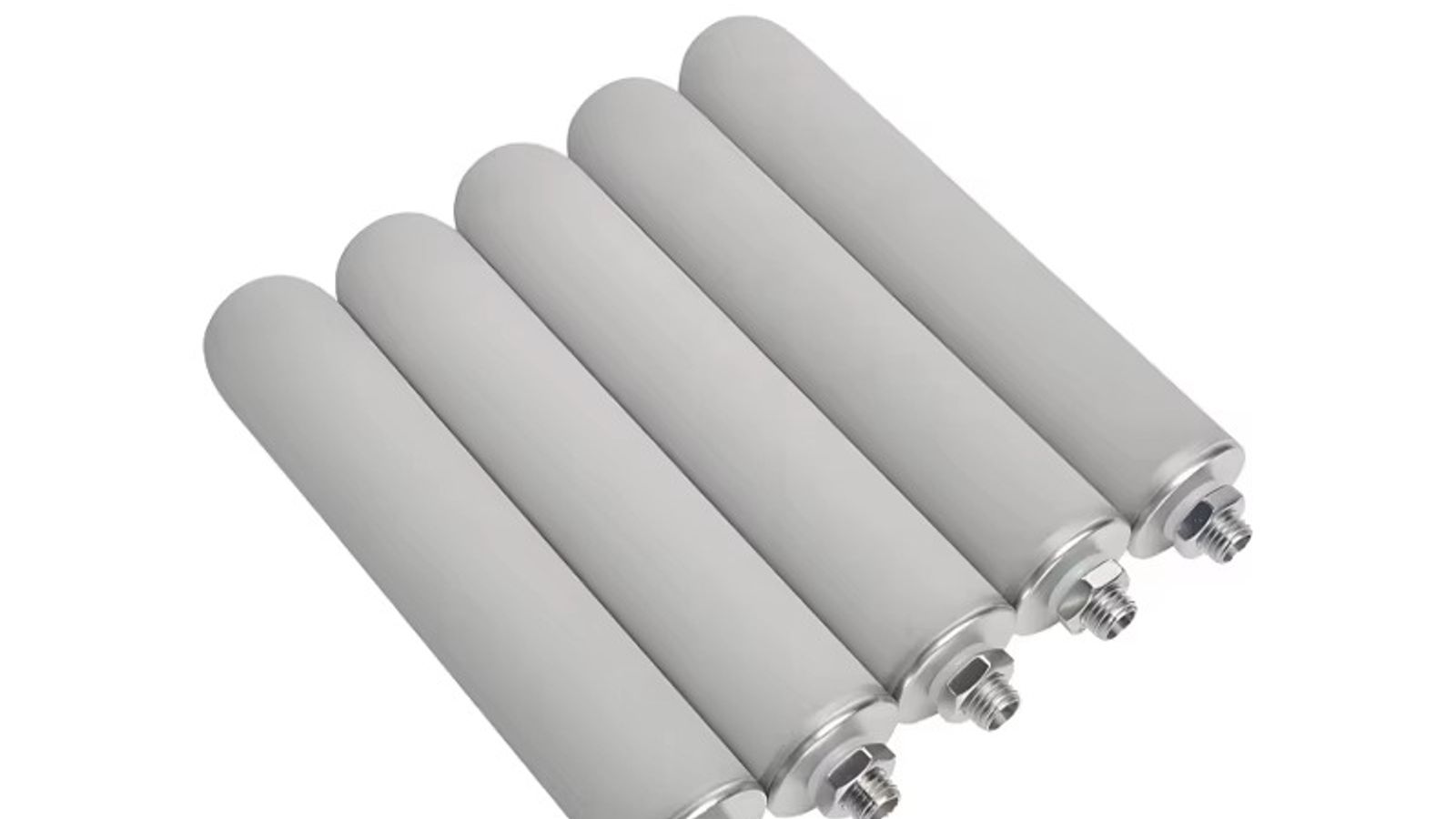
In 2026, the two media are still built by fundamentally different processes, and that's the root of every performance gap between them (Filson Filters, Explore Metal Pleated Filter Cartridges, retrieved 2026-07-22). Wire mesh is woven or welded from drawn wire, then rolled, pleated, or wrapped into an element. Sintered mesh starts as multiple layers of that same woven cloth, then gets fused in a vacuum furnace for 10–30 hours until the layers metallurgically bond into one rigid, porous sheet.
That bonding step is why sintering costs more per part but survives conditions wire mesh can't. If you're not sure how mesh count translates to micron rating in the first place, KAIFIL's mesh reference charts cover the conversion for every weave type.
On drawing reviews, we see the same mistake repeatedly: engineers spec a wire mesh element because it's cheaper on paper, then find out during commissioning that their backwash cycle needs 0.5 MPa of reverse pressure — a spec sintered mesh is rated for and standard wire mesh isn't (Filson Filters, 2026).
Sintered mesh reaches a burst strength of up to 2,275 kPa, compared with under 500 kPa for wire mesh — more than a 4x gap in raw structural strength (Filson Filters, 2026). That difference decides whether an element survives a pressure spike or a backwash cycle instead of deforming or splitting a seam.
Sintered mesh cartridges also support 0.5 MPa high-pressure backwashing, which lets you clean and reuse an element rather than replace it (Filson Filters, 2026). Wire mesh isn't built for that: repeated flexing under pressure loosens the weave over time, and displaced wires widen the pore openings unevenly.
| Property | Sintered Mesh | Wire Mesh |
|---|---|---|
| Burst strength | Up to 2;275 kPa | Under 500 kPa |
| Backwash pressure | 0.5 MPa rated | Not rated for high-pressure backwash |
| Pleating tolerance | ±0.2mm (meets aviation spec) | ≥±0.5mm |
| Continuous temperature | 600°C | ~400°C before weld cracking |
Source: Filson Filters, retrieved 2026-07-22.
Sintered mesh also holds tighter pleat geometry — a corrugation tolerance of ±0.2mm, tight enough to meet aviation filtration specs, against ±0.5mm or looser for standard wire mesh pleating (Filson Filters, 2026). If your application involves vibration, thermal cycling, or repeated backwashing, that geometric stability is what keeps flow rates consistent over the element's service life.
Sintered mesh filters from 1 to 200 µm at up to 99.99% efficiency, while wire mesh covers a coarser 20 to 500 µm range at 97–99% efficiency (Filson Filters, 2026). The gap that matters most, though, isn't the range — it's consistency under load.
Sintered mesh holds its rated accuracy within a 2% fluctuation, but wire mesh accuracy can drift 30% or more once flow pressure starts displacing individual wires (Filson Filters, 2026). That drift is invisible on a spec sheet and shows up months later as inconsistent product quality or unexplained contamination downstream.
For finer polymer melt or pharmaceutical-grade filtration, Dutch weave wire mesh narrows that gap: specialty weaves reach nominal ratings from 1 to 53 µm and absolute ratings as tight as 6–7 µm at the 400×2800 mesh count (Enzar Wire, Dutch Woven Mesh, retrieved 2026-07-22). It's still not sintered-grade in strength, but it closes most of the fineness deficit for lower-pressure applications.
For the sintered side of that range, KAIFIL's sintered wire mesh filter cartridges hold the full 1–200 µm span at the accuracy figures above.
Wire mesh weld points can start cracking around 400°C, while sintered mesh holds up under continuous service at 600°C (Filson Filters, 2026). That's the deciding factor for anyone filtering hot polymer melt, exhaust gas, or process streams that run above ambient temperature.
Isn't it tempting to just spec the cheaper option and see if it holds? Most engineers who've had a wire mesh weld fail mid-run don't make that bet twice. A cracked weld under thermal cycling doesn't fail gracefully — it lets unfiltered material straight through, and you often don't catch it until the downstream product fails inspection.
On custom fabrication requests, high-temperature polymer extrusion and oil & gas separator jobs are the two use cases that push customers toward sintered mesh almost every time, even though it costs more per element than the wire mesh alternative they started with.
Neither option is universally "better" — the right pick depends entirely on pressure, temperature, and how often the line gets serviced. Here's how the two stack up by industry:
| Industry | Better Fit | Why |
|---|---|---|
| Plastics extrusion (hot melt) | Sintered mesh | 600°C tolerance; tight pleat geometry under continuous flow |
| Oil & gas separation | Sintered mesh | High burst strength; backwash-rated for repeated cycles |
| Water treatment intake | Wire mesh / wedge wire | Coarse filtration; high open area; lower cost at scale |
| Food & beverage strainers | Wire mesh (Dutch weave for fine grades) | Cost-effective; easy to clean; FDA-compatible finishes |
| Pharmaceutical processing | Sintered mesh | Consistent 1–200 µm accuracy; low fluctuation under pressure |
Sintered mesh is easier to clean and maintain over a long service life, which offsets its higher upfront cost in high-duty-cycle applications (Hengko, 2026). Wire mesh wins on lead time and unit cost when the application is low-pressure, room-temperature, and coarse — think pre-filtration screens or strainer baskets ahead of a finer downstream filter.
For water intake specifically, coarse debris removal is usually better served by wedge wire screens than either media covered here — see our water treatment and well screen applications page for sizing guidance.
Run your application through these four questions before you finalize a spec:
If your answers land you on the fence, send the flow rate, pressure range, temperature, and target micron rating with your drawing through KAIFIL's custom fabrication service — an engineering review can usually settle it faster than a spec-sheet comparison alone.
No. Sintered mesh outperforms on strength (up to 2,275 kPa burst strength vs under 500 kPa) and temperature tolerance (600°C vs ~400°C), but it costs more and typically has a longer lead time (Filson Filters, 2026). Low-pressure, coarse, room-temperature filtration often doesn't need it.
Not as a retrofit of the same part — sintered mesh is a different manufacturing process, not a coating. You'd need a new element built to the sintered spec, though it can usually be sized to the same housing if the OEM has your original drawing.
It depends on the resin and melt filtration stage, but many extrusion lines run in the 20–105 micron range for pre-filtration screens, tightening for final-stage filtration. Confirm against your polymer's typical contaminant size before locking the spec.
The sintering step alone runs 10–30 hours in a high-temperature vacuum furnace, on top of the initial mesh layering and pleating (Filson Filters, 2026). Factor that into lead time when comparing quotes against standard wire mesh elements.
Partially. Fine Dutch weave grades reach absolute ratings as tight as 6–7 µm (Enzar Wire, 2026), which rivals sintered mesh on fineness, but it doesn't match sintered mesh's burst strength or temperature tolerance.
The choice comes down to load, not preference: sintered mesh earns its higher cost in high-pressure, high-temperature, or tight-tolerance service, while wire mesh remains the efficient choice for coarse, low-pressure filtration. Match the media to your actual operating envelope, not just your budget line.
Still deciding between a pleated filter cartridge and a sintered wire mesh cartridge for the same housing? Compare both product pages side by side, or send your drawing through our contact page and we'll come back with an engineering-reviewed recommendation rather than an auto-generated quote.
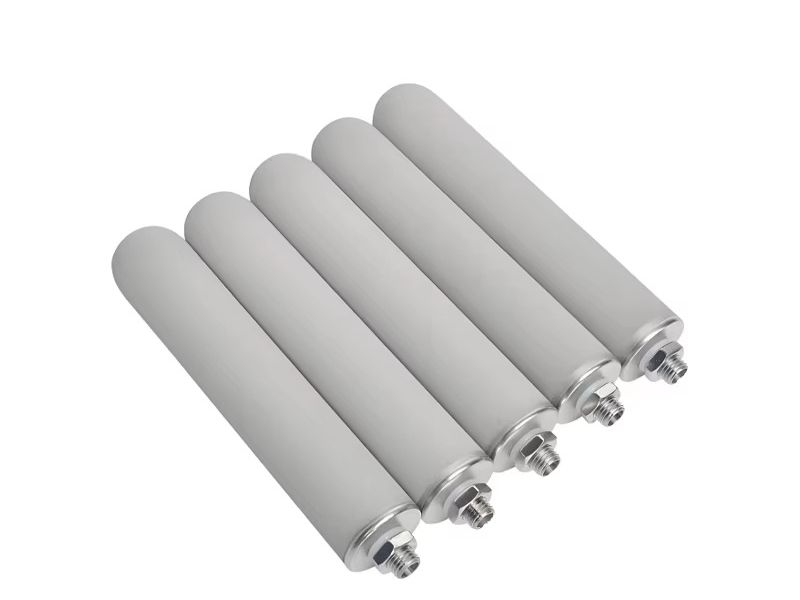
Cartridges / tubes / cylinders for reusable cartridge filtration with rigid sintered mesh media, supplied to drawing with material, size and packing details confirmed at RFQ stage.
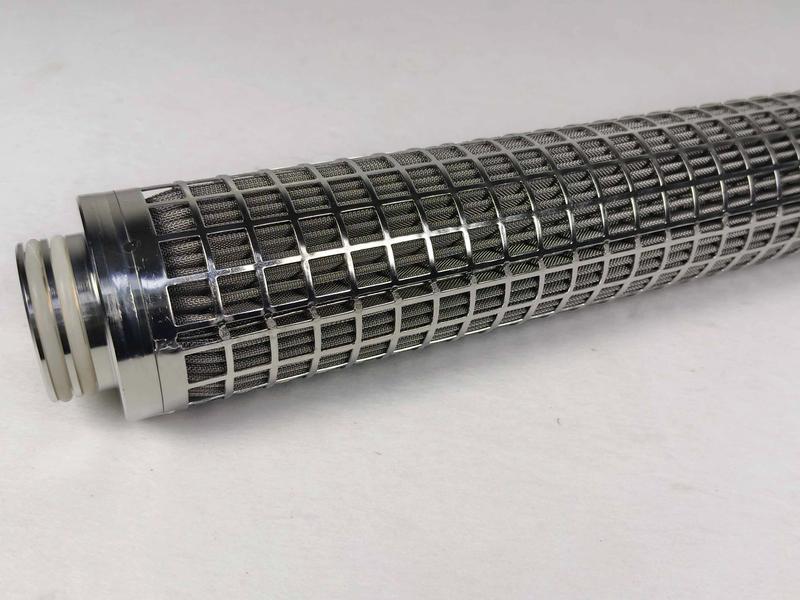
High-area pleated metal filter cartridges with custom media, end caps and seals.
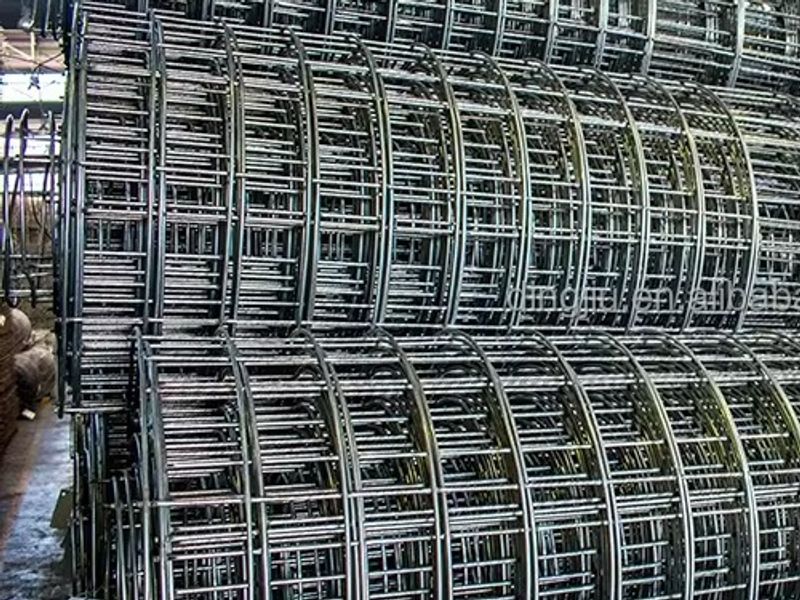
Dense woven wire mesh for fine filtration and custom screen packs in demanding process lines.
Send drawings, dimensions, material, environment or operating conditions, and we will help confirm the right specification.
Uploaded reference files are included with the inquiry. For larger CAD packages, reply to the confirmation email or send them here:
Our team typically replies within 24 business hours.