Five-layer Sintered Mesh
Rigid five-layer sintered wire mesh laminate for cleanable precision filtration and custom elements.
Structure: Five-layer laminateDetails →
Sintered metal filters use diffusion-bonded powder or wire mesh laminates to create rigid porous media with stable pore structure and high strength. They suit hydraulic, polymer, catalyst recovery, aerospace and chemical processes where woven mesh alone cannot hold rating under differential pressure or where cleanability and lifetime matter more than lowest first cost. Buyers must choose layer count, micron rating, shape (disc, tube, cartridge, plate) and alloy for temperature and corrosion — often from an OEM drawing without public data. KAIFIL supplies sintered discs, cylindrical elements and multi-layer packs in SS316L and specialty materials. Send required micron rating, dimensions, operating differential pressure, temperature, media and cleaning method; we confirm laminate structure, tolerances and MOQ per specification, with unit price and lead time confirmed after drawing review.
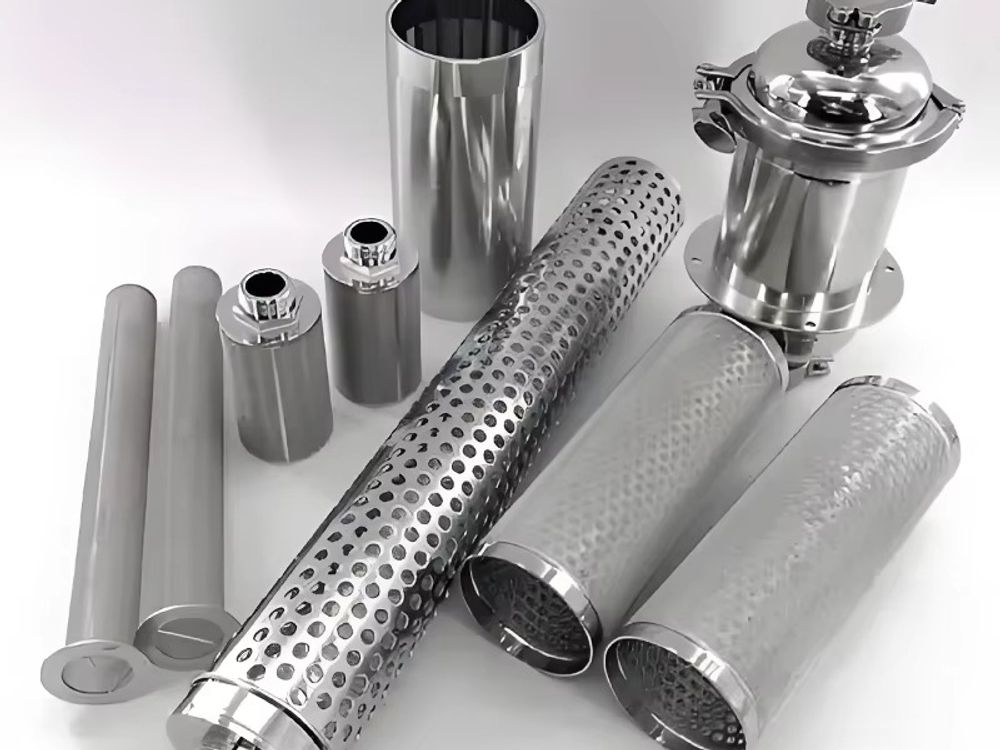
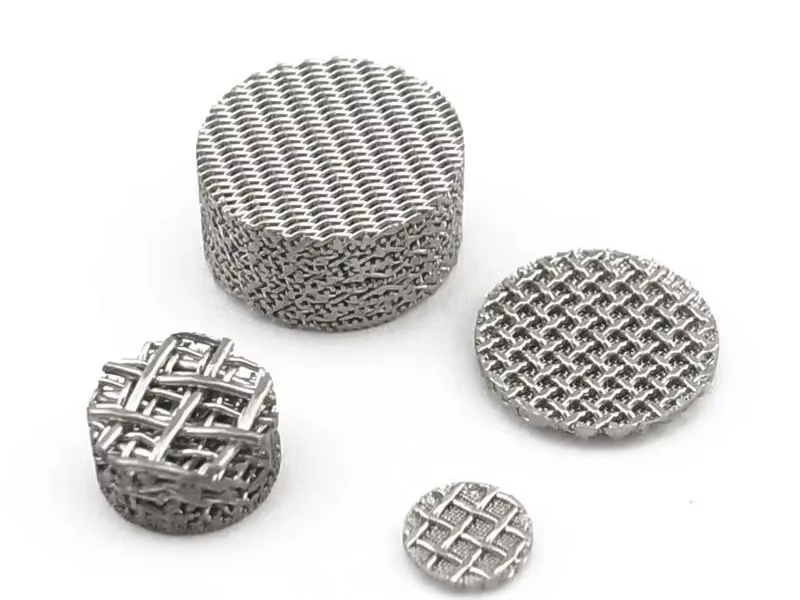
Sintered laminates provide rigid retention — layer count and thickness matched to your pressure and micron target.
Cleaning method (back-flush, ultrasonic, chemical) is reviewed against media structure before quote — we state practical regeneration expectations per duty.
Dimensions, micron rating and alloy are reverse-engineered from sample or drawing with first-article confirmation when tolerance is tight.
Alloy and sintering grade selected for peak operating and clean-in-place temperature — send full thermal profile.
Rigid five-layer sintered wire mesh laminate for cleanable precision filtration and custom elements.
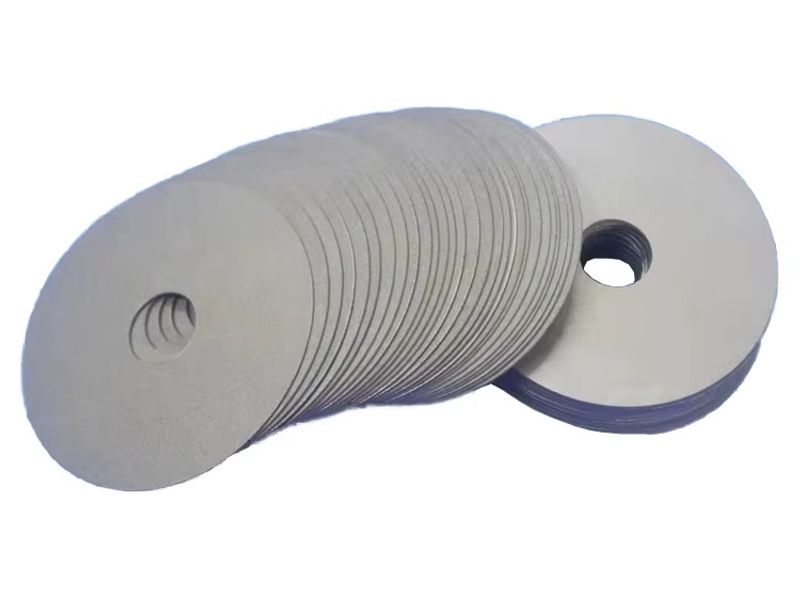
Discs / plates / custom cut parts for cleanable precision filtration, supplied to drawing with material, size and packing details confirmed at RFQ stage.
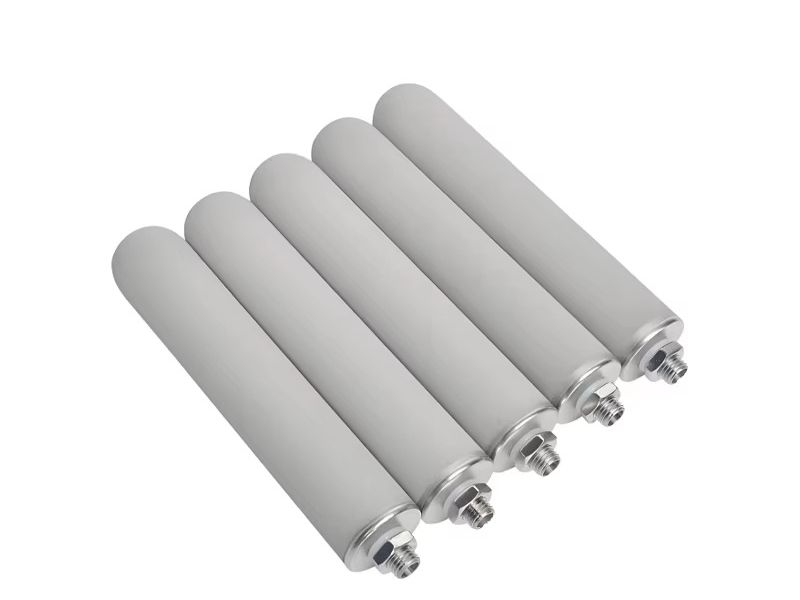
Cartridges / tubes / cylinders / cones for reusable high-strength filtration elements, supplied to drawing with material, size and packing details confirmed at RFQ stage.
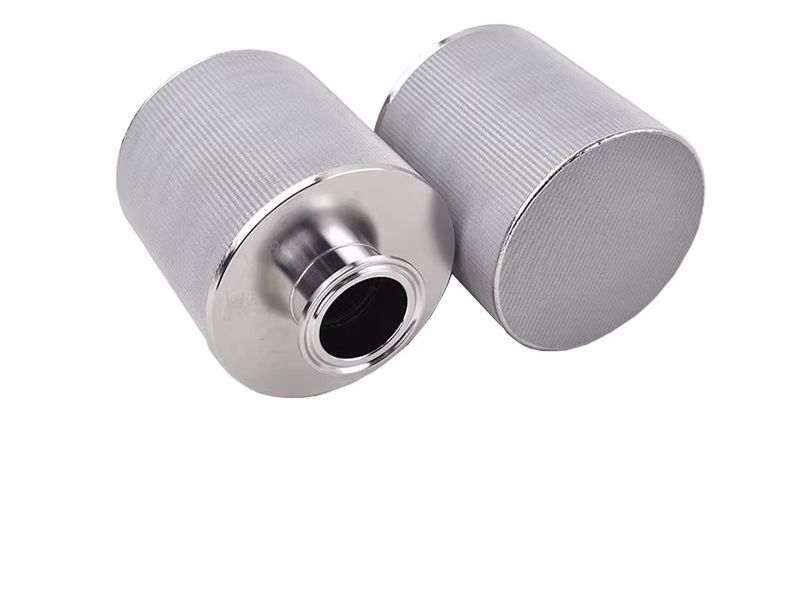
Cartridges / tubes / cylinders for reusable cartridge filtration with rigid sintered mesh media, supplied to drawing with material, size and packing details confirmed at RFQ stage.
Sintered media offers controlled, interconnected porosity with more stable rating than unsupported mesh under flow and pressure. Multi-layer laminates place coarse capture upstream and fine retention downstream — common in 5-layer hydraulic and polymer filter plates. Rating, thickness and layer stack define differential pressure and dirt holding — specify micron target and maximum differential pressure from your system.
Five-layer laminates are common for hydraulic last-chance protection; thinner single-layer discs suit some polymer breaker plates — layer stack is confirmed from micron target and allowed pressure drop, not guessed from an old part number alone.
Discs and plates mount in holders or extruder packs; tubes and cartridges integrate into housings with defined OD/ID and length. Shape follows your housing or OEM part — send drawing with gasket or bolt circle details. Flat laminates may be cut to non-round outlines after sintering where tooling allows.
Non-round discs and rectangular plates may be laser or wire-cut after sintering; send 2D outline with tolerance and edge condition. Bolt-hole patterns and gasket grooves must appear on the drawing to avoid fit issues at installation.
Nominal vs absolute retention should match your test method or OEM spec. Dirt capacity ties to layer depth and porosity. Back-flushing, solvent cleaning and ultrasonic cycles affect long-term performance — describe regeneration frequency and allowed differential pressure rise before change-out.
Sintered tubes for catalyst or fluidized applications may need uniform porosity along length — note if flow is inside-out or outside-in. End caps welded to sintered tube are quoted as assembly with joint inspection points defined on the PO.
Peak operating temperature, surge pressure and clean temperature drive alloy and laminate selection. Standard SS316L laminates cover many industrial duties; higher performance requires explicit data — do not extrapolate from unrelated OEM catalogs.
Some duties allow periodic back-flush; others require element change-out when differential pressure hits a limit — describe your SOP so we do not over-specify or under-specify media depth.
Micron rating, dimensions, shape, alloy, operating differential pressure, temperature, media, cleaning method, quantity and sample or drawing if available.
Special alloys for high-temperature or corrosive gas service are quoted with explicit max operating and clean temperature; do not assume SS316L sintered parts match inconel or hastelloy performance without data.
Sintered parts often require tooling for shape and layer stack — MOQ confirmed per quote. New micron ratings or cap interfaces benefit from sample approval before batch release; schedule confirmed per project.
Pair sintered discs with woven pre-layers in extruder packs via Filter Discs & Packs, or specify standalone laminates here. Custom thickness stacks not in catalog are quoted under drawing review.
Review sintered family products in the product range section for discs, tubes and laminate forms. Combine with Woven Wire Mesh pre-layers in extruder or inline packs via Filter Discs & Packs when your process uses both rigid and flexible media. Non-standard outline laminates or welded assemblies route to Custom Fabrication. Related technical articles on filtration duty and material selection support RFQ preparation — include micron rating, dimensions, differential pressure and cleaning method when you inquire.
When your holder or extruder pack uses both sintered and woven layers, send the full stack on one RFQ so alloy, thickness and gasket seat align across materials. First-article dimensional reports and material certificates can be included when your validation file requires measured pore rating confirmation — state documentation needs on the PO. Repeat annual releases benefit from fixed layer stack and lot traceability once the first article is approved.
| Media | Strength | Cleanability |
|---|---|---|
| Five-layer sintered mesh | High | Good |
| Sintered powder | Very high | Good |
| Metal fiber felt | Medium | Excellent dirt holding |
Exact rating is confirmed by medium and test method.
Yes—many sintered mesh and powder-metal elements tolerate back-flush, solvent or ultrasonic cleaning. Cleaning limits depend on pore size and contamination type; we confirm for your duty.
Yes. Multi-layer laminates can be seam- or spot-welded for discs, rings and cylindrical parts. Note joint strength and cleanability requirements on the drawing.
Sintered laminates give stable pore size, rigid structure and better cleanability for fine filtration. Dutch weave is thinner and lower cost for disposable packs—send retention target and cleaning expectations.
Common nominal ratings from roughly 2–200 μm depending on layer stack. Exact rating is confirmed from bubble point or particle test data on quote.
Yes—discs and small cylinders for melt filtration are a core line. Provide outer diameter, thickness and retention target.
Send your specification, drawing or operating conditions. We reply with a technical quote, not a form letter.
Uploaded reference files are included with the inquiry. For larger CAD packages, reply to the confirmation email or send them here:
Our team typically replies within 24 business hours.
Welded and woven mesh filter cylinders, tubes and sleeves for support, protection and pre-filtration in industrial assemblies — made to OD, ID, length and end-finish drawings.
Stainless steel woven wire mesh for screening, support layers and micron-rated filtration — supplied as rolls, cut pieces, discs and framed panels to drawing.
Cleanable metal filter cartridges — pleated mesh, sintered and hybrid constructions for high temperature, pressure and corrosive media where disposable media fail.

Learn what drives stainless steel filter MOQ, how custom filter lead times break down, and how to negotiate sample terms before you place…
Stainless steel filter quotes for one drawing can differ by 300%. Compare unit basis, hidden processes and material grades before you…
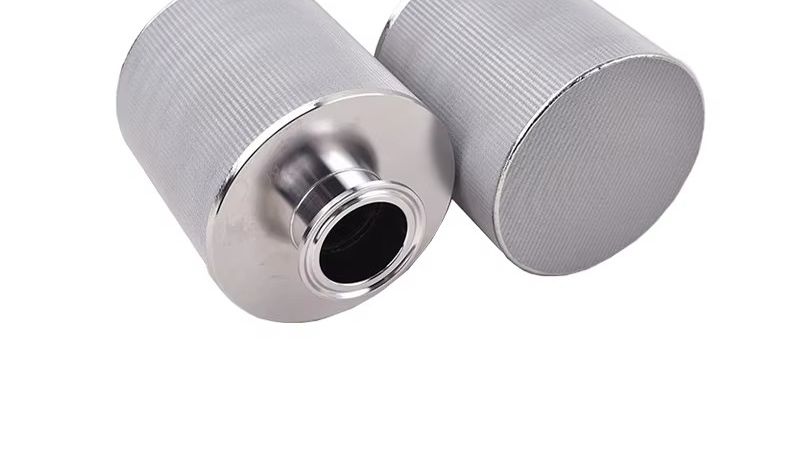
Sintered filter quotes vary with mesh grade, layer count, size, quantity and inspection. Learn what moves the quote before you compare…