Selection Guide
Filter MOQ, Lead Time and Sample Policy: What to Expect
Learn what drives stainless steel filter MOQ, how custom filter lead times break down, and how to negotiate sample terms before you place a first order.
Learn what drives stainless steel filter MOQ, how custom filter lead times break down, and how to negotiate sample terms before you place a first order.
Most first orders fail on commercial terms, not filtration performance. A buyer gets a sharp quote, then finds the MOQ is ten times the trial quantity. Or the promised date counts from inquiry, not from material release. Or the sample request goes quiet over an unmentioned tooling fee. Those three answers decide whether the project is viable. Ask about MOQ, lead time and sample terms in your first email, before the drawing is frozen.
The MOQ comes from how the item is made. Two parts with the same dimensions can carry very different minimums.
Standard wire mesh rolls. Mesh is woven at a fixed loom width. A short run still needs a full warp setup. Suppliers therefore quote by the roll or by a minimum length per weave.
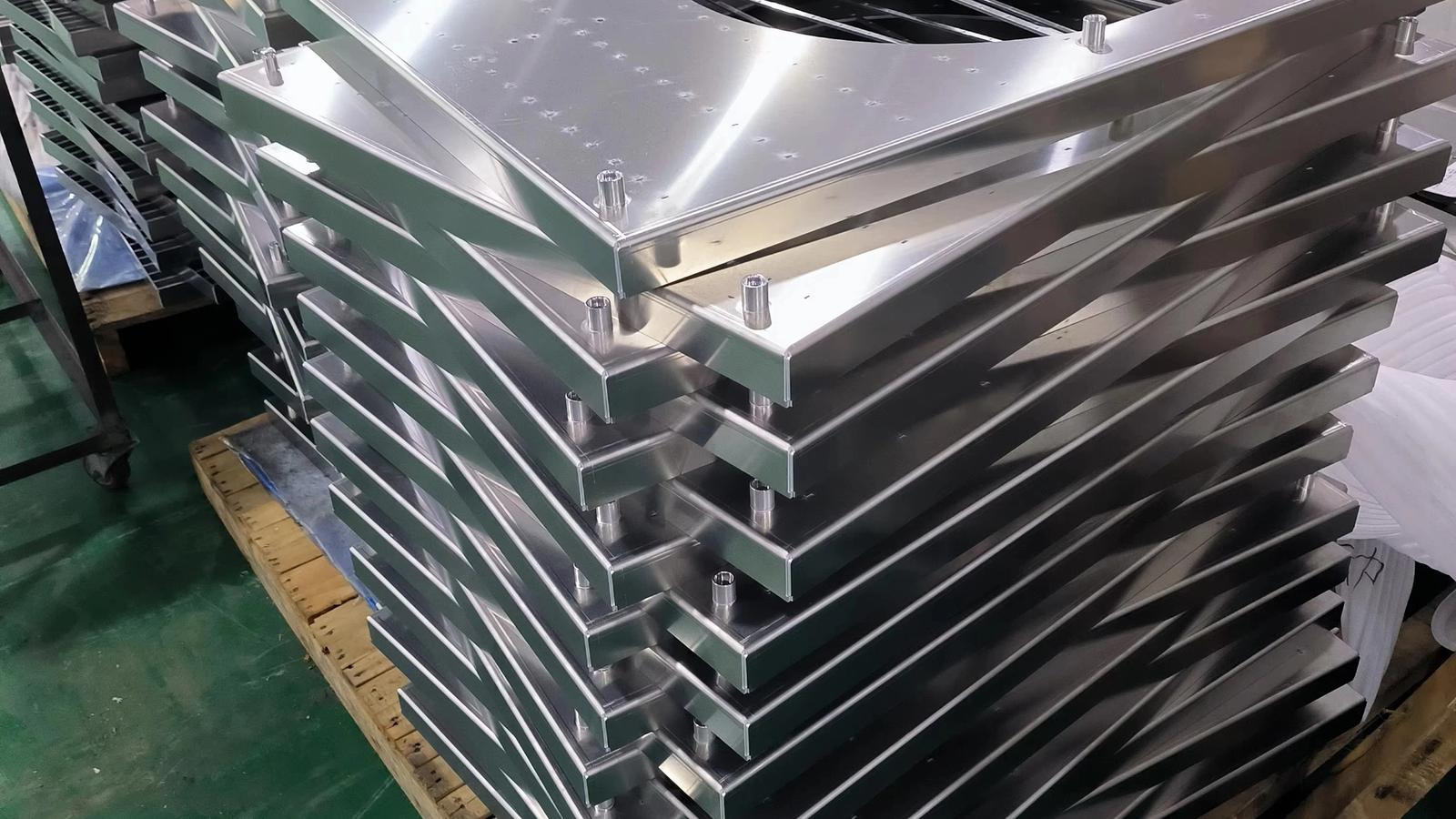
Custom cut pieces and parts. Cutting, punching and forming are priced as a batch. Setup, programming and first-article checks are spread across the run. A 50-piece job carries almost the same setup as a 500-piece job. Simple flat screens sit at the low end. Custom wire mesh fabricated parts with tight tolerances or several operations sit higher. Nesting also matters: irregular outlines leave more scrap on each sheet.
Sintered filter elements. Sintering runs by furnace batch. A small load wastes furnace space and makes per-unit testing expensive. The floor is usually set by batch size, not by piece count. See sintered metal filter elements for the process range.
Baskets and welded tube assemblies. These combine cutting, rolling, welding and edge finishing. Fixtures and weld programs must be built and proven. The floor is higher, and complex shapes add to it. Stainless steel perforated filter baskets are a typical example. Every new geometry needs a trial before the first saleable part.
Below the threshold, factories usually offer three routes. Pay a small-lot surcharge. Wait for a shared production slot. Or accept a stock mesh grade. Kaifil weaves its own mesh, so raw material supply is rarely the limit. The floor is set downstream, by cutting, welding and inspection.
The table shows why the floors differ. Ranges are market norms, not a quotation.
| Category | Typical MOQ logic | Why this threshold exists | If you are below it |
|---|---|---|---|
| Standard woven mesh roll | Per roll or minimum linear meters | Full loom width and warp setup | Buy a stock roll size or a cut piece from stock |
| Custom cut parts and screens | Often a few hundred pieces; simple flats lower | Setup; programming; nesting loss on the sheet | Small-lot surcharge or shared slot |
| Sintered elements | Set by furnace batch; often 50–200 pieces | Furnace load and per-batch testing | Combine several sizes in one batch |
| Welded baskets and tubes | Often 100+ pieces; more for complex shapes | Fixtures; weld programs; forming trials | Approve a paid prototype; then scale |
Your trial quantity may sit below these floors. This guide to small-batch custom stainless steel filter parts covers the practical paths.
Lead time is several stages, not one number. The clock usually starts when the drawing is approved and the deposit arrives.
| Stage | Typical days | Common cause of delay |
|---|---|---|
| Material preparation | 2–4 | Mesh grade not in stock; certificate pending |
| Weaving or sintering | 3–6 | Loom queue; furnace batch not full |
| Cutting and punching | 2–4 | Drawing revision; tooling not approved |
| Welding and forming | 3–5 | Fixture adjustment; first article rejected |
| Inspection | 1–3 | Test criteria missing; rework re-check |
| Packing and shipping | 2–3 | Booking space; document errors |
Stages can overlap, so the total is not a simple sum. Standard mesh normally ships in 5–10 working days. Custom parts typically take 15–25 working days after drawing sign-off and deposit. Projects with custom filter cartridges made from a drawing may need longer if the media or end fittings are new.
Four dates decide the real delivery date:
The front end is the most common cause of slippage. Every drawing question adds a day at both ends. Welding and first-article approval come second. Shipping delays belong to the freight booking, not the factory floor.
Ask for two different things: material swatches and a made-to-drawing sample. Mesh swatches are usually free. Freight is collect, and the supplier should state the courier and packing. Use swatches to confirm alloy, mesh count, weave and surface finish. They do not prove weld quality or fit.
A custom sample is a small production job. Expect a tooling and setup fee. Ask four questions before you pay:
Pay the fee when the part must pass fit, weld or assembly checks. That sample becomes your first article. For simple flat screens, a free swatch plus a drawing review is often enough. Get the credit terms in the quotation, not in a later email.
In-house weaving removes the longest external wait. Mesh reaches cutting without a purchase-order queue. Cutting, welding, forming and inspection run in the same plant. A first-article question is answered the same day, not after a supplier visit. Inspection is not outsourced. Mesh count, aperture and dimensions are checked against the drawing before packing. Material certificates under EN 10204 3.1 material certificate rules are issued with the shipment, which shortens customs and audit questions. Capacity is planned by process. Once the deposit and drawing sign-off are in, the slot is held. Fewer handoffs also mean fewer places for a job to wait. That closed loop is why a date can be quoted with confidence.
What is a typical MOQ for a custom stainless steel filter? It depends on the process. Flat cut screens often start at a few hundred pieces. Welded baskets carry a higher floor because of fixtures and weld programs. Sintered elements are limited by furnace batch size, commonly 50–200 pieces. Ask for the MOQ against your drawing, not a catalog number.
Can I order a single prototype before mass production? Yes, through the sample route. Expect a tooling and setup fee, which is normally credited against the bulk order. A single prototype may use temporary fixtures, so it can differ slightly from production parts. Allow extra days for fixture work and first-article review.
How long does a custom filter basket take? Typically 15–25 working days after drawing approval and deposit. Complex shapes, new weld fixtures or special surface finishing can extend that. Freight time is separate. Ask for the lead time broken down by stage, so you can see where the risk sits.
Are samples free? Mesh swatches are usually free, with freight paid by the buyer. Custom samples made to a drawing carry a fee. That fee covers material, programming and setup. Confirm in writing whether it is credited against the bulk order and at what quantity.
What makes lead time slip? The most common cause is the front end. Unclear drawings or late material approval both add days. A deposit that arrives after the slot was promised resets the schedule. First-article rejection adds a rework loop. Missing inspection criteria also stall final release. Lock the four key dates before production starts.
Do you ship FOB or CIF? Standard terms are FOB Tianjin. CFR and CIF are available on request. Payment is typically 50% T/T deposit, with the balance before shipment. Ask for the Incoterm in the quotation, because it changes who controls freight and insurance.
Send your drawing, target quantity and required delivery date to Kaifil. You will get one reply with the MOQ, a stage-by-stage lead time and the sample terms. Request a quote and lead-time confirmation.
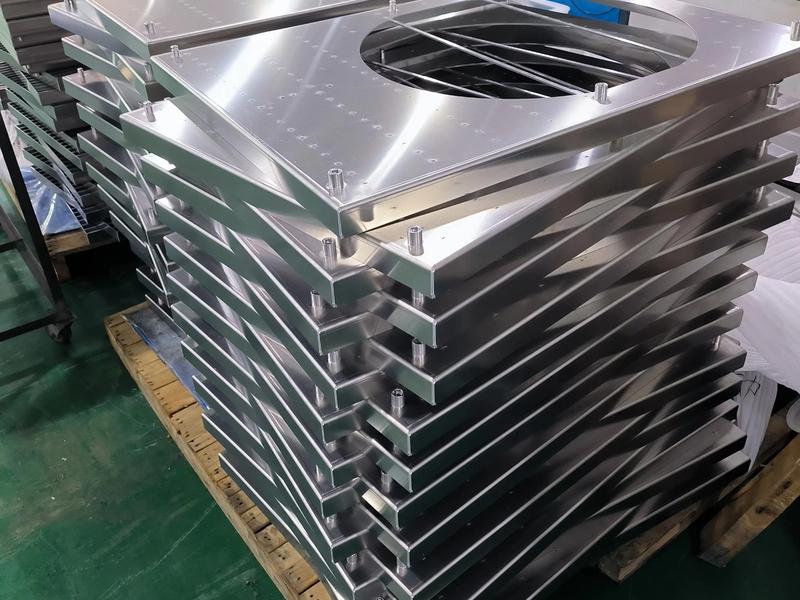
Cut, formed and welded wire mesh parts for custom equipment screens and fabricated filter inserts, supplied to drawing with material, size and packing details confirmed at RFQ stage.
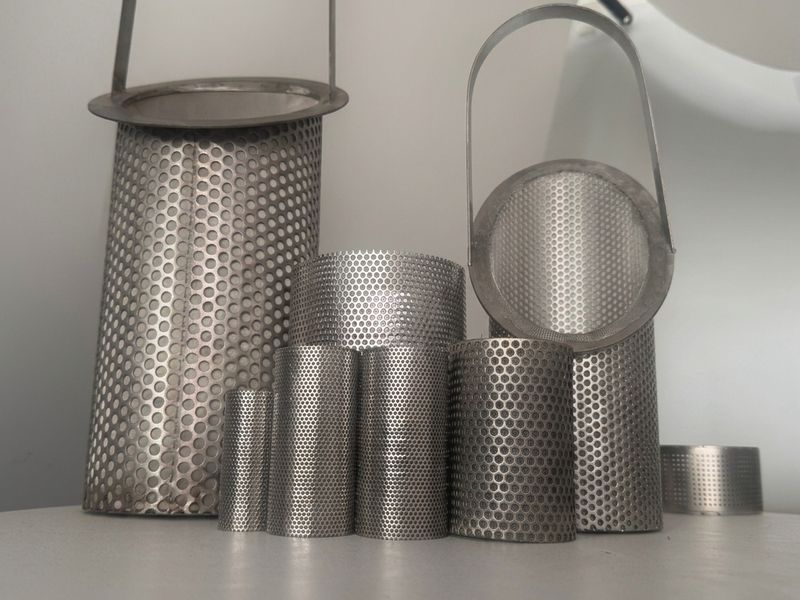
Made-to-drawing SS304, SS316 and SS316L perforated baskets for liquid straining, equipment protection and removable process screens.
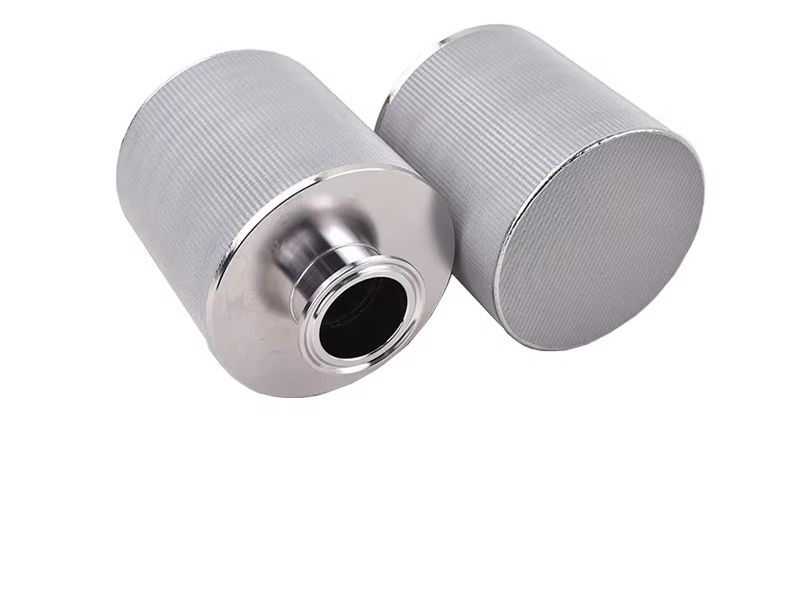
Cartridges / tubes / cylinders / cones for reusable high-strength filtration elements, supplied to drawing with material, size and packing details confirmed at RFQ stage.
Send drawings, dimensions, material, environment or operating conditions, and we will help confirm the right specification.
Uploaded reference files are included with the inquiry. For larger CAD packages, reply to the confirmation email or send them here:
Our team typically replies within 24 business hours.