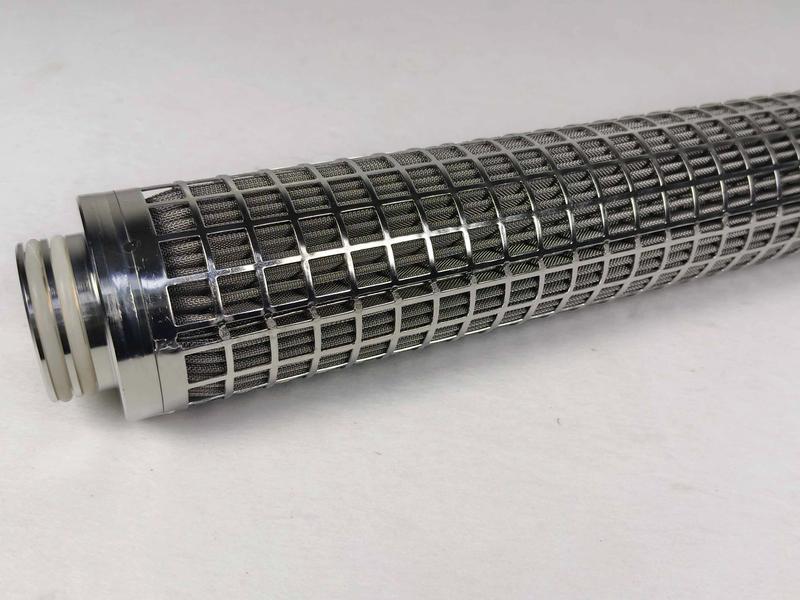
Pleated Filter Cartridge
High-area pleated metal filter cartridges with custom media, end caps and seals.
Media: Mesh / felt / sinteredDetails →
Metal filter cartridges serve processes that exceed the temperature, pressure or chemical limits of disposable polymer or paper elements. Pleated stainless mesh, sintered laminates and hybrid constructions offer cleanable, reusable filtration with stable pore structure for hydraulic, polymer, water treatment and chemical duty. Buyers face confusion over cartridge length, OD/ID, end cap style (222, 226, flat, threaded), micron rating and whether pleated mesh or sintered media fits the differential pressure. KAIFIL supplies metal cartridge elements to specification, with SS316L and specialty alloys common for corrosive service. Send existing part number, drawing or sample dimensions, media, temperature, flow and required micron rating — we confirm construction type, interface dimensions and lead time per quote, with MOQ and unit price confirmed after specification review.
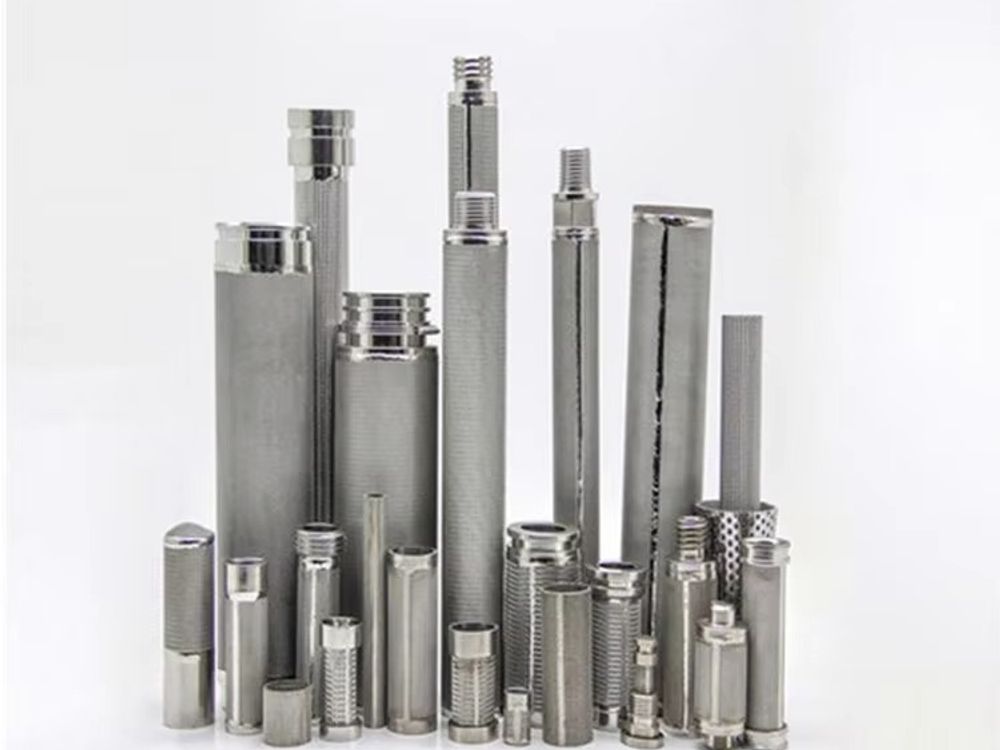
Metal pleated or sintered constructions are sized for your temperature, differential pressure and chemical exposure — not a direct paper-cartridge swap without review.
End cap OD, gasket seat and length are verified against your housing drawing or sample — send photos of both ends with caliper measurements.
Media type (mesh pleat vs sintered) and expected cleaning method are matched to retention and regeneration requirements — confirmed before quote.
We quote from drawing or sample with explicit construction choice (pleated mesh, sintered, hybrid) and production schedule confirmed per order.
High-area pleated metal filter cartridges with custom media, end caps and seals.
Pleated stainless mesh cartridges offer high surface area and cleanability for coarse to medium retention and pre-filtration. Sintered metal cartridges provide rigid, stable micron ratings and higher differential pressure capability. Hybrid designs combine mesh pre-layers with sintered final media for graded duty. Your operating differential pressure, micron target, cleaning method and whether the element is a direct OEM replacement determine the build — send the failed part or full spec sheet.
Cartridge replacement projects often start from a failed element photo — include cap style, gasket material and any part number stamped on the end cap. We distinguish functional equivalent from exact dimensional clone when you state acceptance criteria on the quote.
Overall length, outer diameter, inner diameter (or core tube OD), end cap style and gasket interface are critical. Standard industrial patterns include double-open ends, 222/226 fin caps and threaded bases — but always verify against the housing manufacturer drawing. Misaligned gasket seats cause bypass and failure in service.
Pleated depth, pleat count and core tube wall thickness affect initial differential pressure and collapse resistance — share housing bypass requirements if the element must seal on a knife edge or O-ring.
State nominal micron, whether rating is absolute or nominal, initial differential pressure and maximum allowed differential pressure, flow rate and fluid viscosity where relevant. Metal cartridges are often specified by retention on a reference particle or by OEM part number — we map that to media structure. Regeneration by back-flush, ultrasonic or chemical cleaning affects media choice.
For polymer melt, note maximum operating temperature and whether the element sees cyclic heat during startup. For hydraulic oil, note fluid type, additive package and water content if known — these affect SS316L suitability.
SS316L is standard for many hydraulic, food and chemical duties involving chlorides or CIP chemicals. Nickel, duplex and higher alloys are quoted for specialty streams. List fluid, peak temperature, chloride content and cleaning agents.
Beta ratio or ISO multi-pass test values from OEM datasheets can be referenced but are not assumed identical for cross-reference builds — we quote on dimensional and media compatibility with retention confirmed per sample where critical.
Outer diameter, inner diameter, length, end cap type, gasket material, micron rating, flow direction, operating temperature, quantity and any OEM part number or sample. Photos of both end caps with a ruler accelerate matching.
Packaging for long elements may use split cartons or reinforced tubes — note export destination and any fumigation-free wood requirements. Repeat supply agreements can fix cap machining and media lot for six-month or annual releases.
MOQ depends on construction, diameter and cap machining — confirmed per quote. First-article confirmation is recommended for new cap interfaces or critical hydraulic safety service. Annual quantity helps planning; repeat orders can align media lot where traceability is required.
See pleated metal cartridge family products in this category and sintered options under Sintered Metal Filters when rigid micron rating is required. Send housing manufacturer name if cap interface is non-standard.
See pleated and metal cartridge family products in the product range below. Pair cartridge selection with Sintered Metal Filters when your micron target and differential pressure exceed pleated mesh capability. Custom cap interfaces or hybrid stacks are quoted through Custom Fabrication when standard family geometry does not match your housing. Use related blog content on mesh-to-micron logic and SS304 vs SS316 duty when upgrading from disposable media — then send OD, length, cap style and micron rating for a technical quotation.
| Element | Media | Typical use |
|---|---|---|
| Pleated cartridge | Woven or sintered mesh | High area filtration |
| Candle filter | Sintered mesh or powder | Chemical and polymer |
| Cylinder element | Wire mesh | Reusable coarse filtration |
Dimensions and sealing interface should be confirmed before production.
We cross-reference outer diameter, length, end cap style and micron rating from your sample or part number. Send a photo, drawing or the element to match—exact clone vs functional equivalent is confirmed on quote.
Outer diameter, inner diameter, length, end cap type, gasket material, micron rating, flow direction and operating temperature. A sample or OEM part number speeds matching.
Many sintered and heavy mesh cartridges tolerate back-flush or ultrasonic cleaning. Duty and contamination type determine whether reuse is practical—we advise based on your process.
Pleated mesh offers higher area and lower initial ΔP; sintered media handles fine retention and cleaning cycles. Share fluid, particle load and cleaning method for a recommendation.
Standard sizes in SS316L are often 7–15 days typical after spec confirmation; custom end caps or validation documentation may extend lead time—confirmed per quote.
Send your specification, drawing or operating conditions. We reply with a technical quote, not a form letter.
Uploaded reference files are included with the inquiry. For larger CAD packages, reply to the confirmation email or send them here:
Our team typically replies within 24 business hours.
Welded and woven mesh filter cylinders, tubes and sleeves for support, protection and pre-filtration in industrial assemblies — made to OD, ID, length and end-finish drawings.
Stainless steel woven wire mesh for screening, support layers and micron-rated filtration — supplied as rolls, cut pieces, discs and framed panels to drawing.
Rigid sintered stainless filters — discs, tubes, cartridges and 5-layer laminates for precision retention, high differential pressure and cleanable industrial filtration.

Learn what drives stainless steel filter MOQ, how custom filter lead times break down, and how to negotiate sample terms before you place…
Stainless steel filter quotes for one drawing can differ by 300%. Compare unit basis, hidden processes and material grades before you…
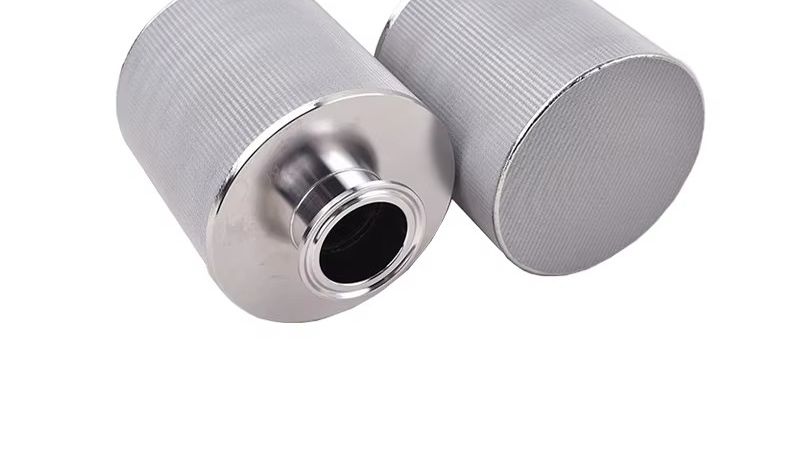
Sintered filter quotes vary with mesh grade, layer count, size, quantity and inspection. Learn what moves the quote before you compare…