How to choose.
SS304 stainless steel (UNS S30400, EN 1.4301) is the default material for most industrial wire mesh and filter applications. It combines good general corrosion resistance, high tensile strength after wire drawing, and full weldability at a lower cost than molybdenum-bearing grades. For sieving, guarding, general liquid filtration and air handling in neutral environments, SS304 is usually the right starting point.
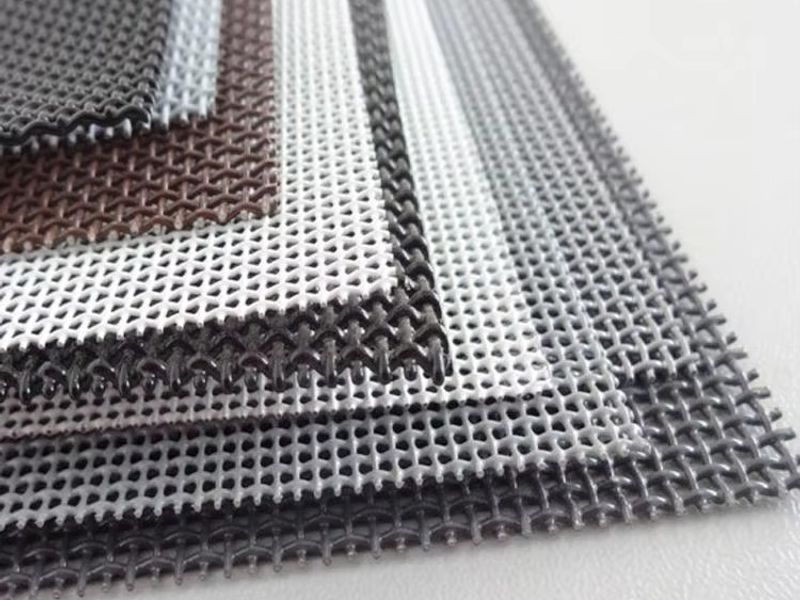
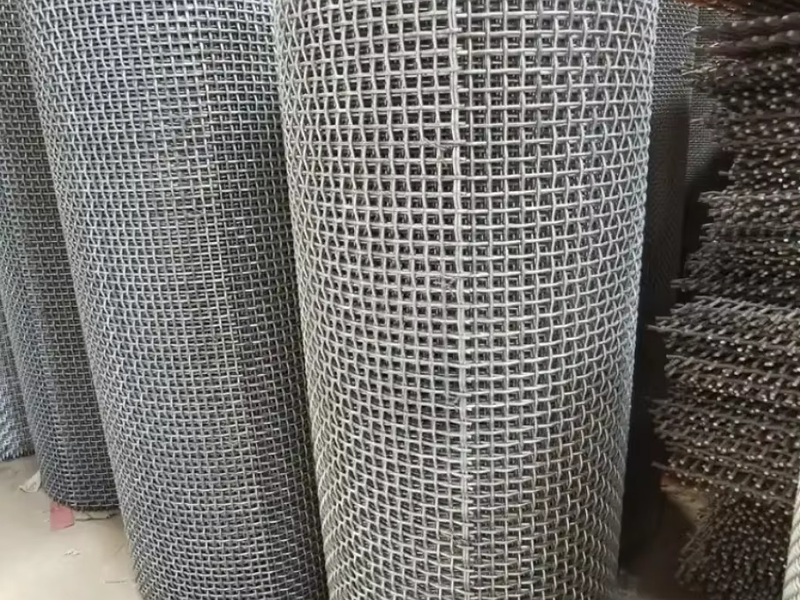
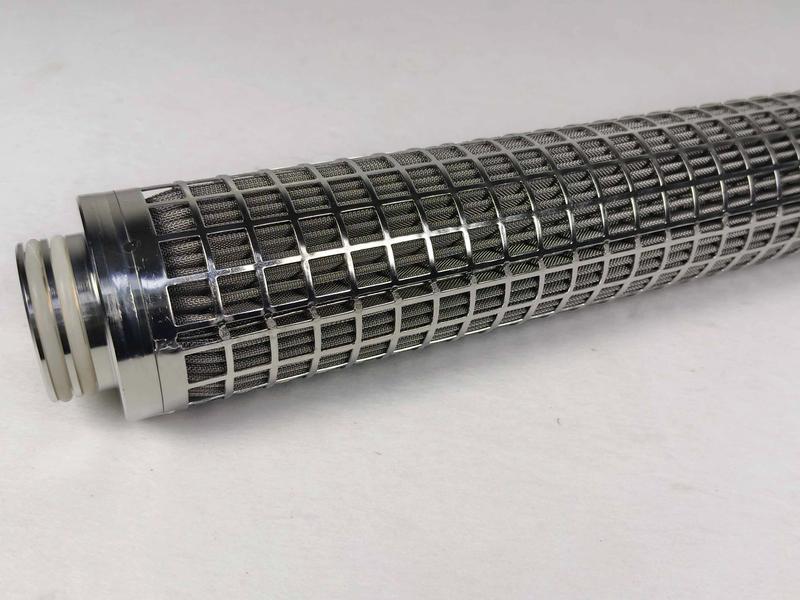
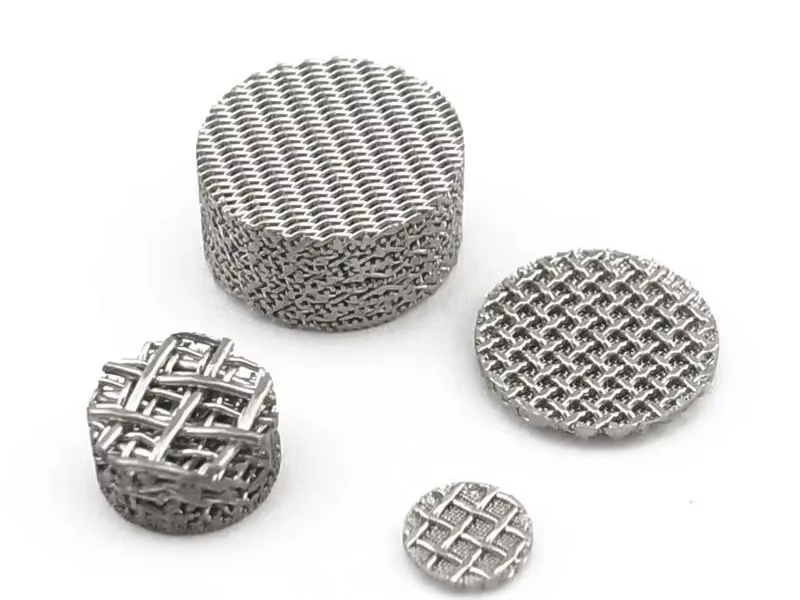
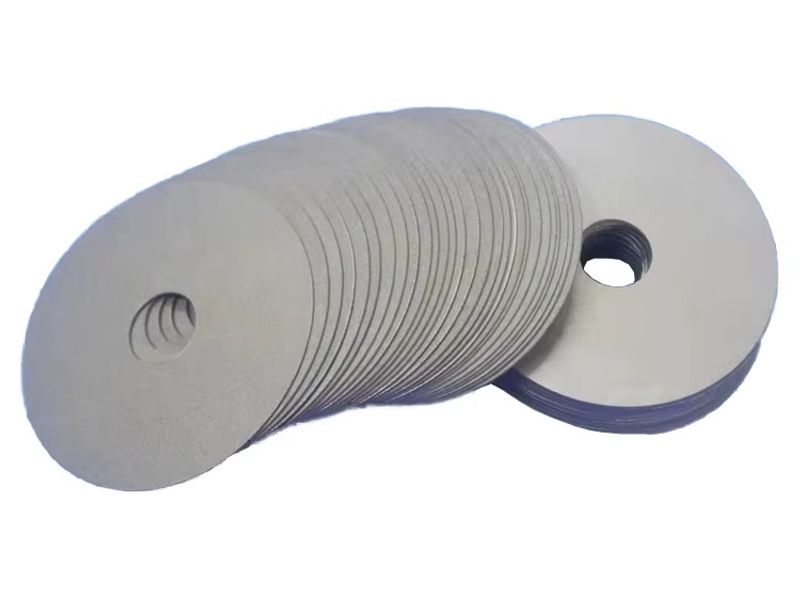
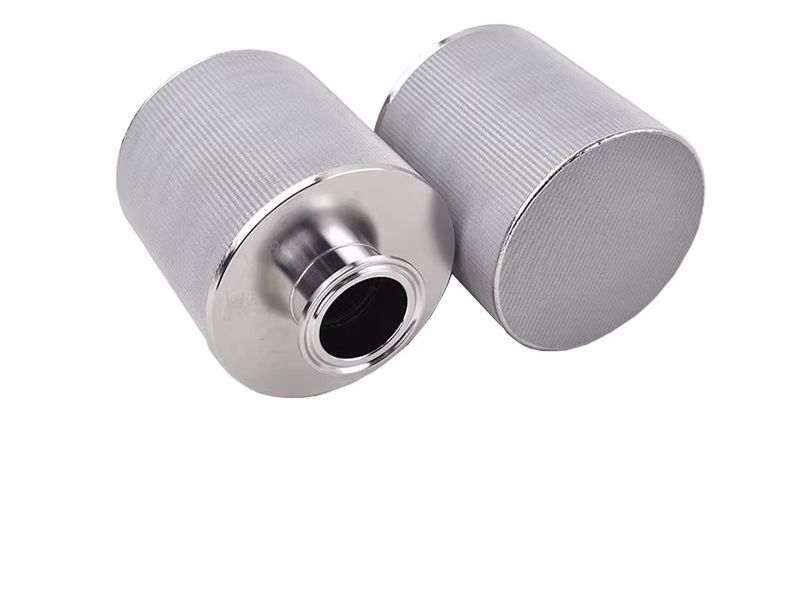
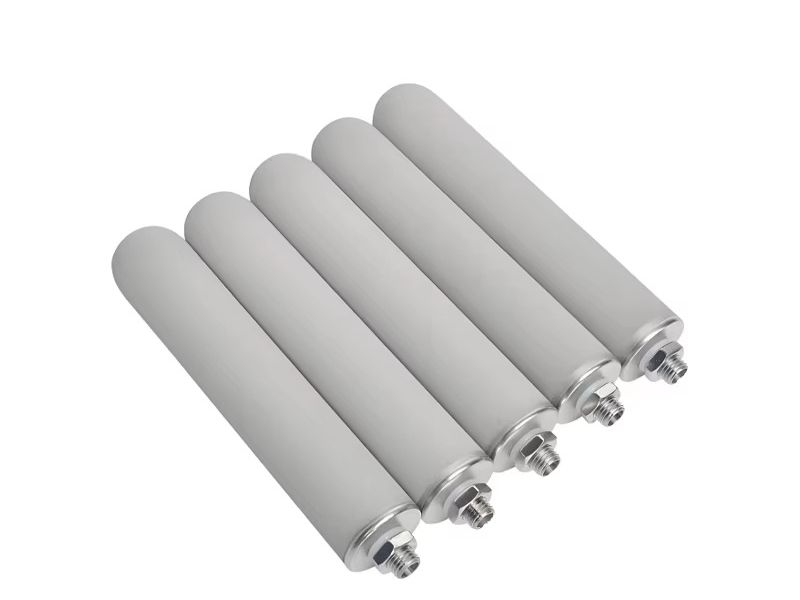
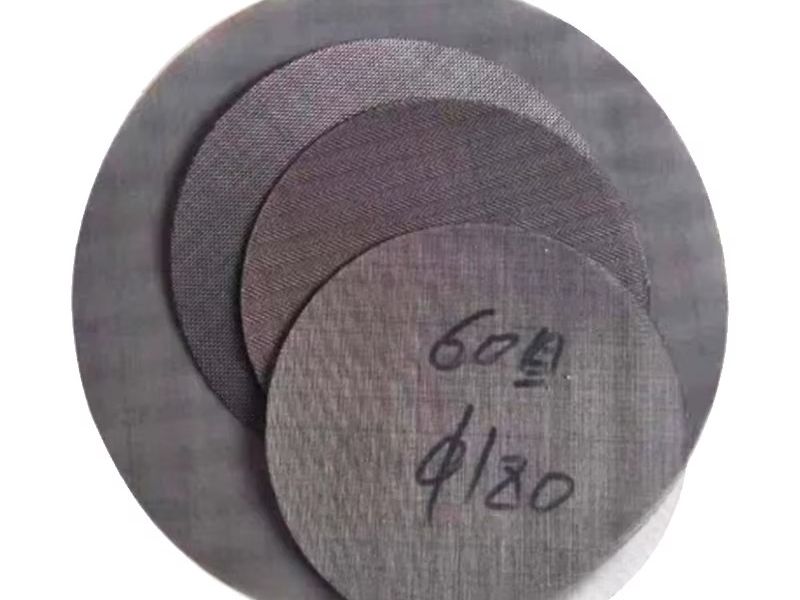
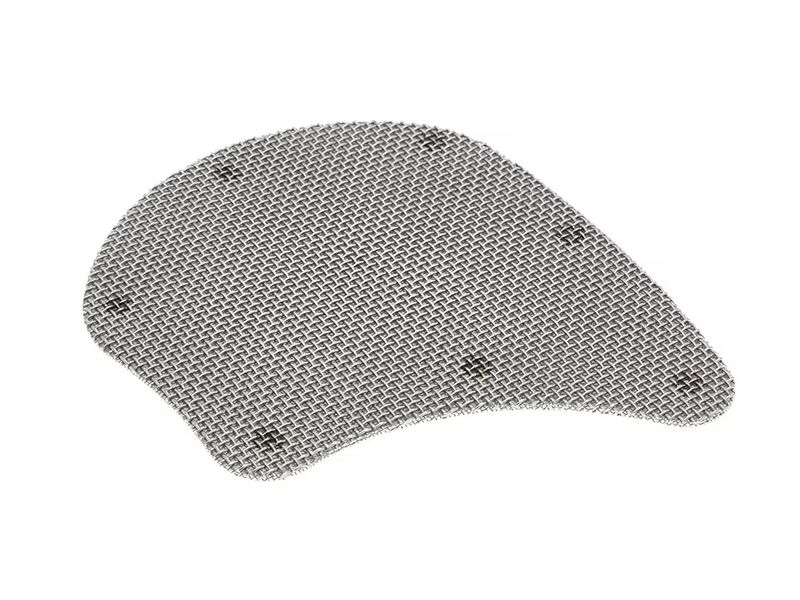
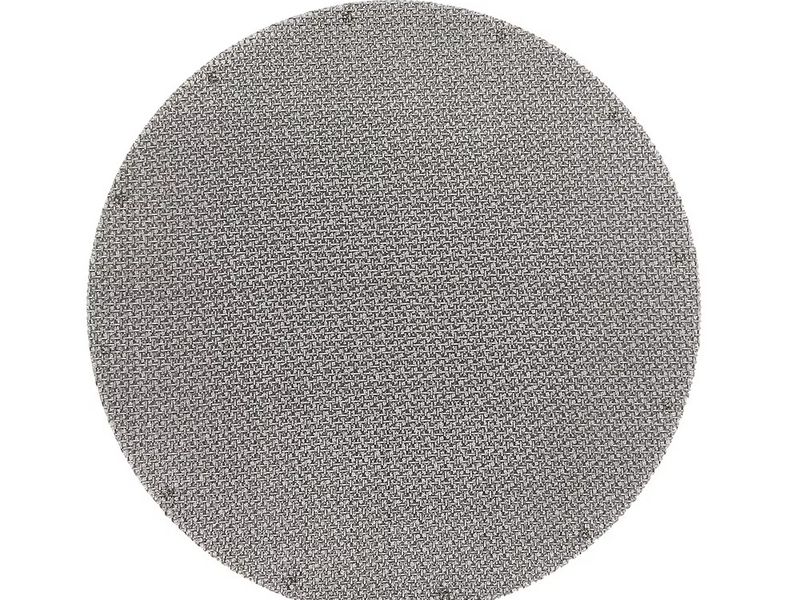
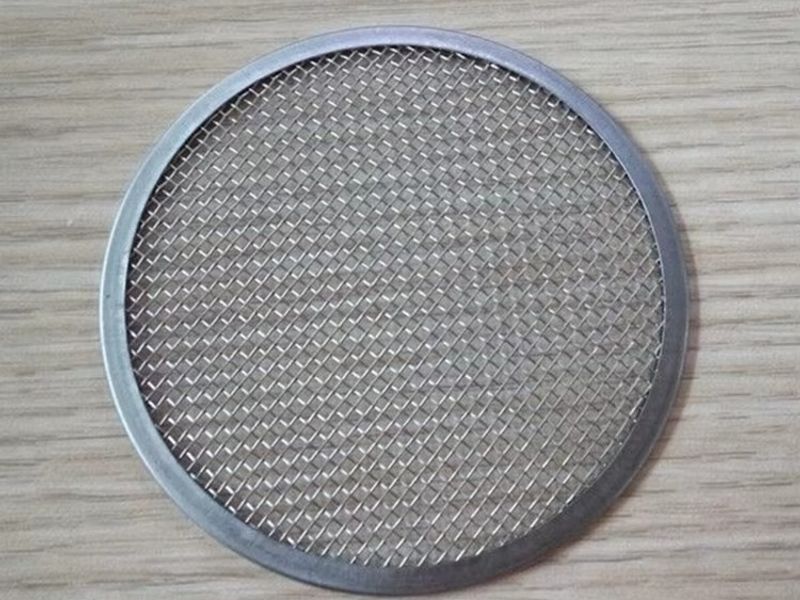
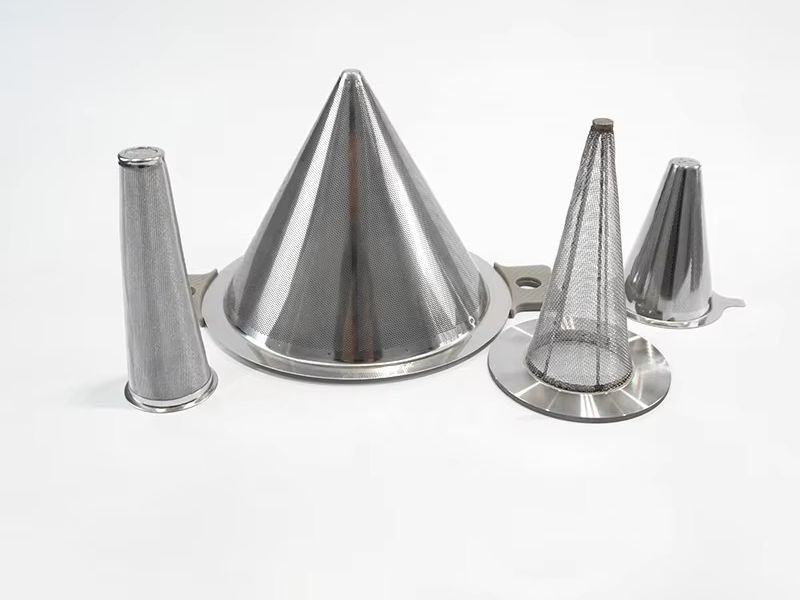
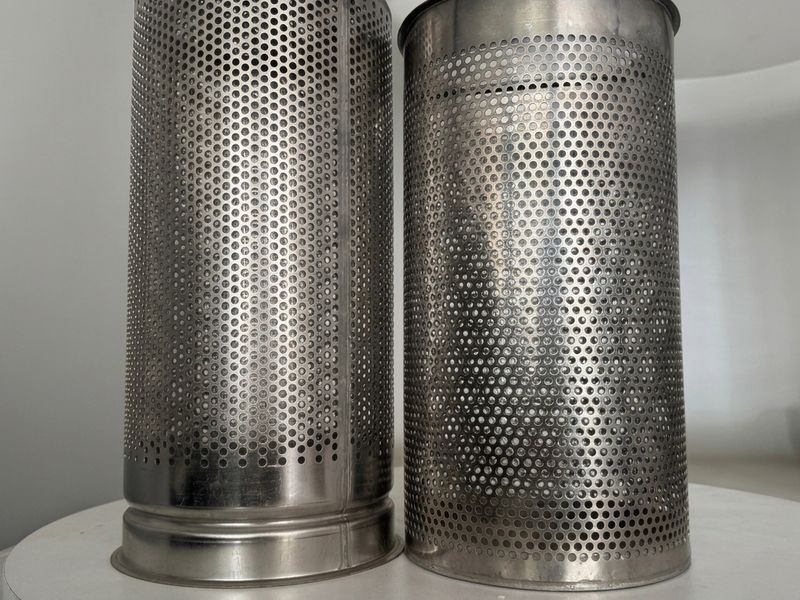
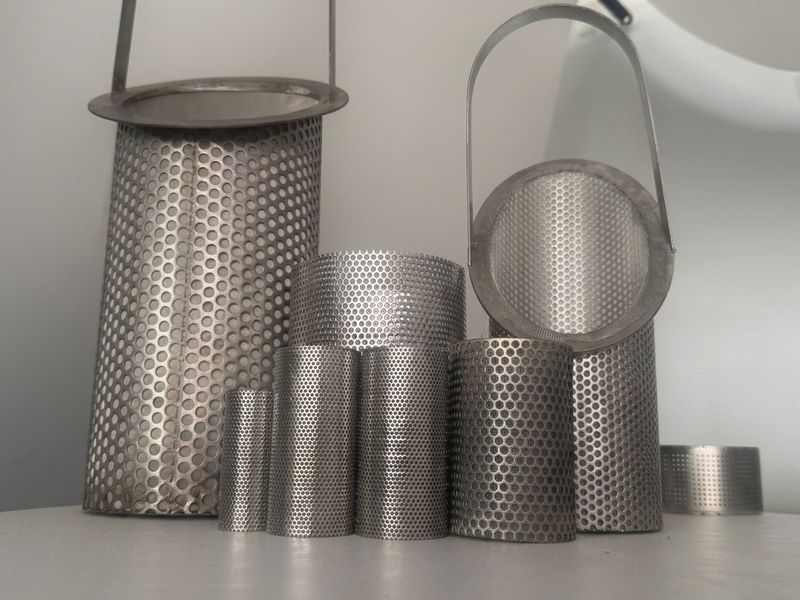
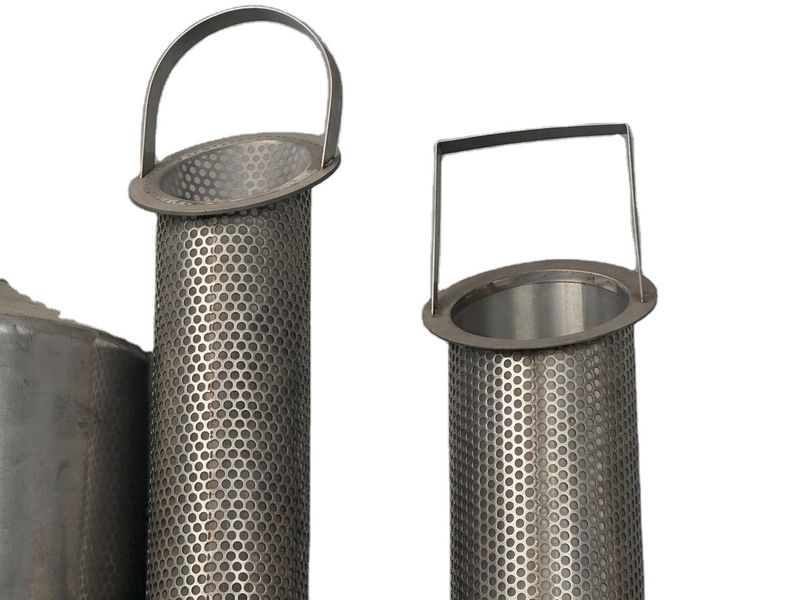
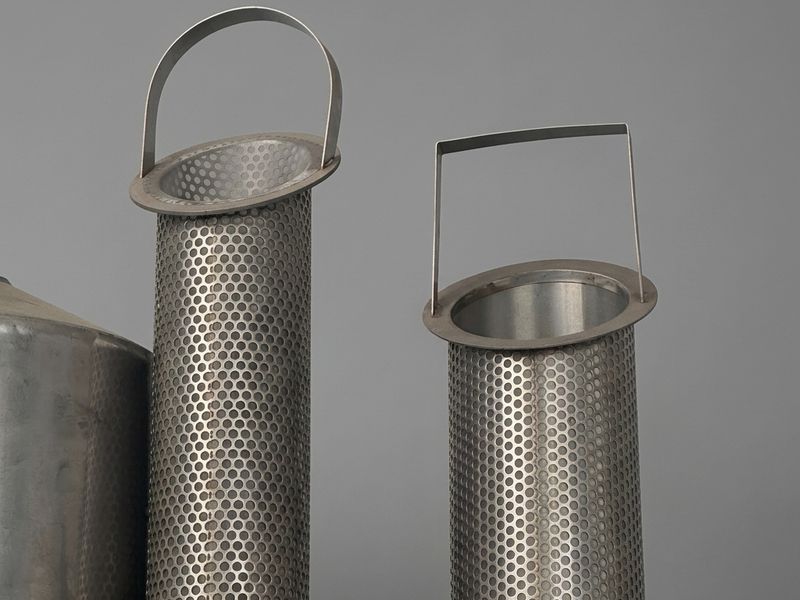
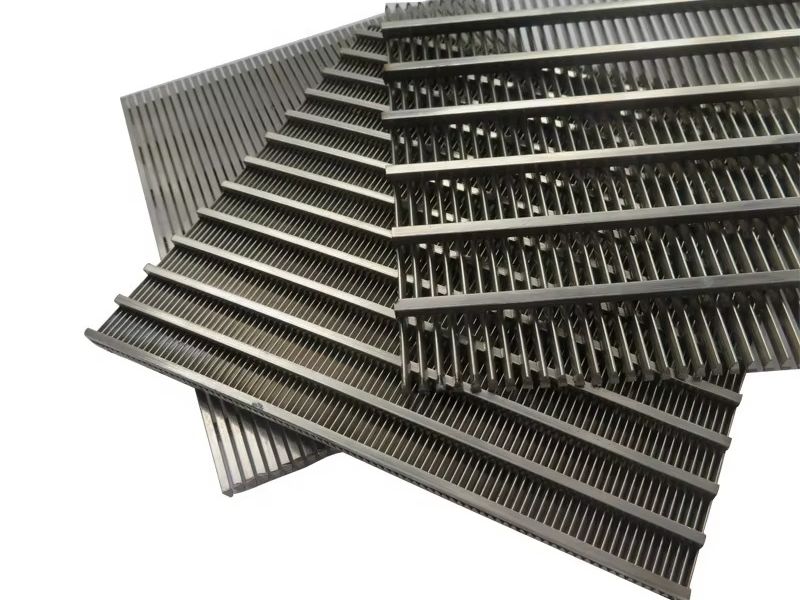
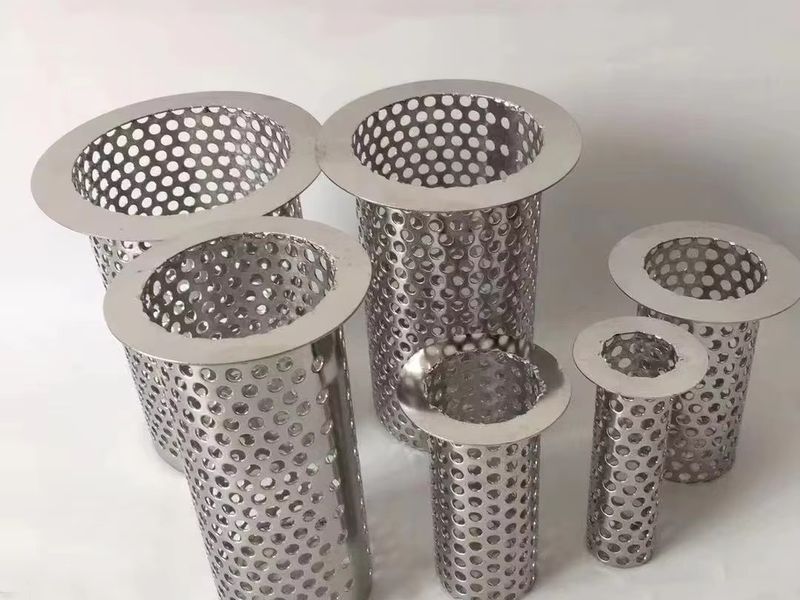
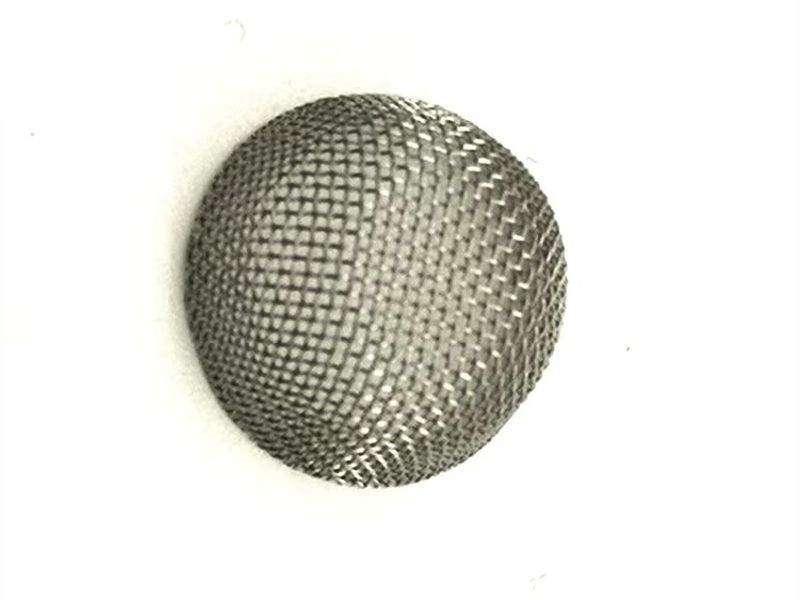
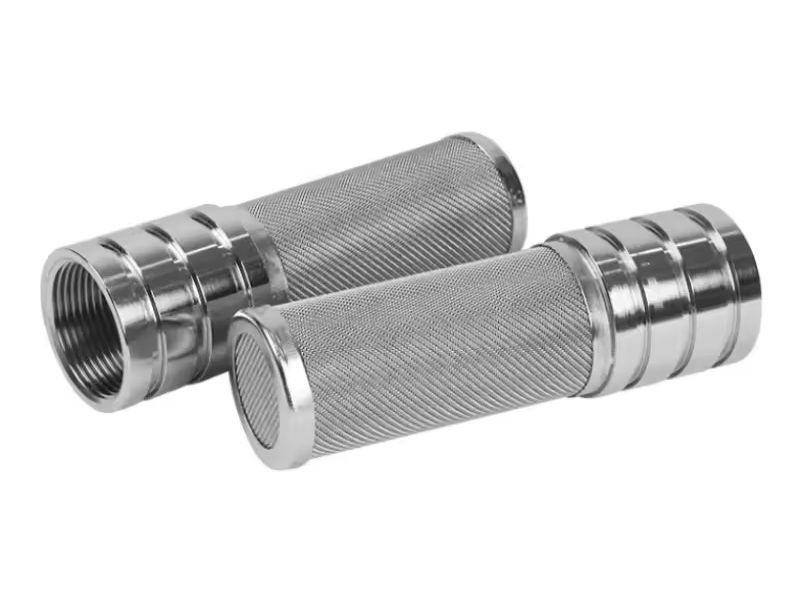
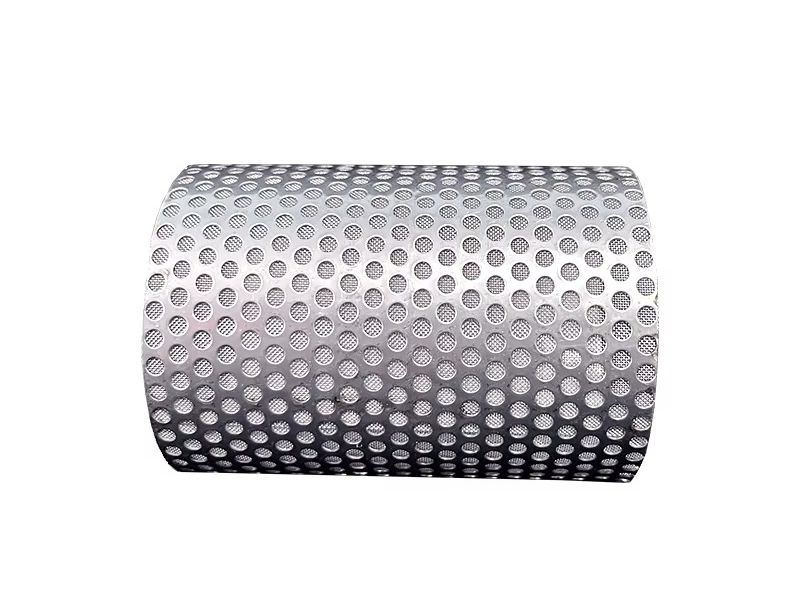
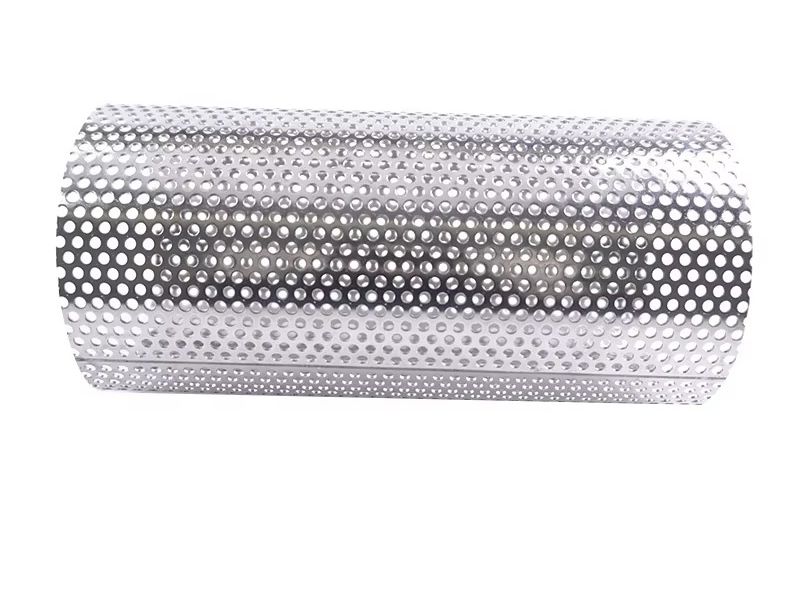
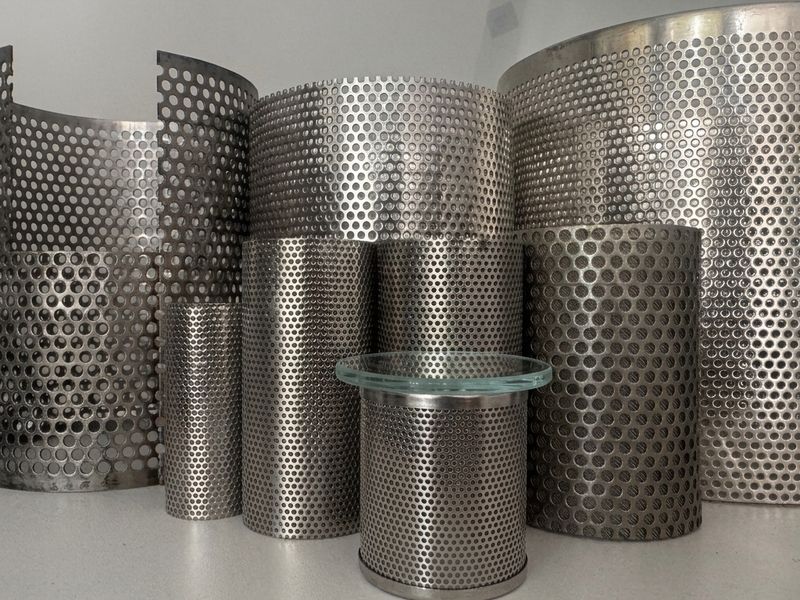
In woven form, SS304 wire is available across the full mesh range from coarse crimped screens to fine filter cloth. The grade work-hardens during weaving, which gives the finished mesh good dimensional stability and resistance to deformation during cutting, edging and stamping. The same grade is used for perforated sheet, filter discs, extruder screen packs and basket strainer elements, so a complete fabricated assembly can be built from one certified material.
The practical limits of SS304 are chlorides and strong acids. In marine atmospheres, brine, or process streams containing chloride ions, SS304 can suffer pitting and crevice corrosion; SS316L is the standard upgrade in those duties. For continuous service, SS304 handles oxidizing conditions up to roughly 800 °C intermittently, though creep strength and scaling should be reviewed above 500 °C for load-bearing screens.
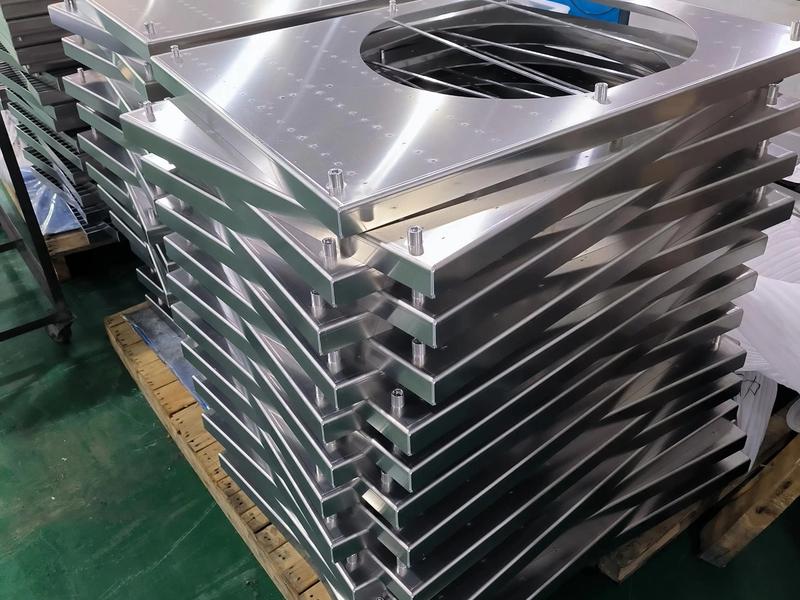
When you specify SS304 mesh, confirm four points: mesh count or aperture, wire diameter, weave type, and delivery form (roll, cut piece, disc, or fabricated part). KAIFIL supplies SS304 products with material test certificates on request, and every order is checked for mesh count, wire diameter and aperture before packing. If your duty involves chlorides, elevated temperature or hygiene requirements, send the operating conditions with your inquiry and we will confirm whether SS304 or an upgrade grade fits better.