Plain Weave Wire Mesh
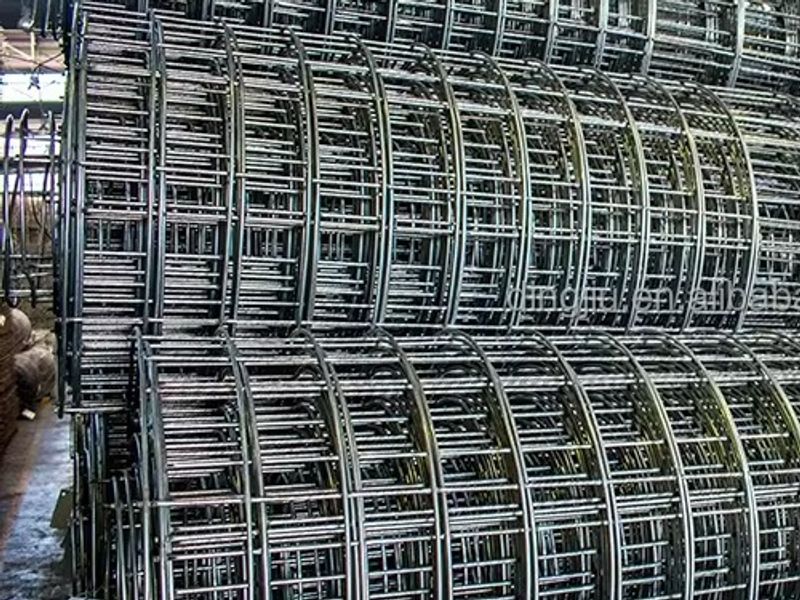
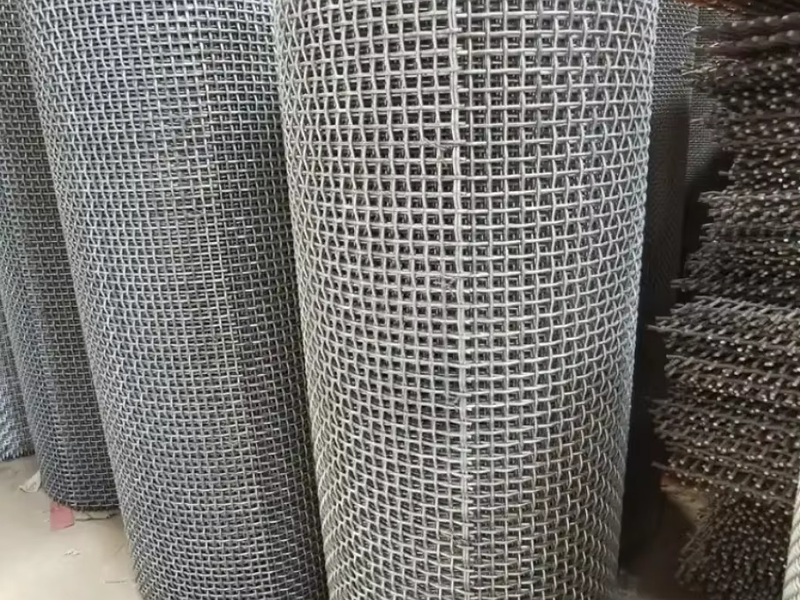
Square-opening woven wire mesh for screening, support layers and custom fabricated filter parts.
Material: SS304 / SS316L / alloysDetails →
Woven wire mesh is the foundation material for industrial screening, protective layers and fine liquid or melt filtration. Buyers specify mesh count, wire diameter, weave type and open area — but the same mesh number can perform very differently depending on whether you need general sieving, high-strength fine mesh or micron-rated dutch weave for polymer and hydraulic service. KAIFIL supplies plain, twill, dutch and reverse dutch weave in SS304, SS316L and special alloys, with rolls, cut blanks, filter discs and welded frames produced to your installation dimensions. Whether you are replacing OEM screen packs, lining a strainer or sourcing mesh for a fabricated filter element, send your target micron rating, media compatibility and edge requirements — we cross-check aperture and strength before quoting, with lead time confirmed per specification.
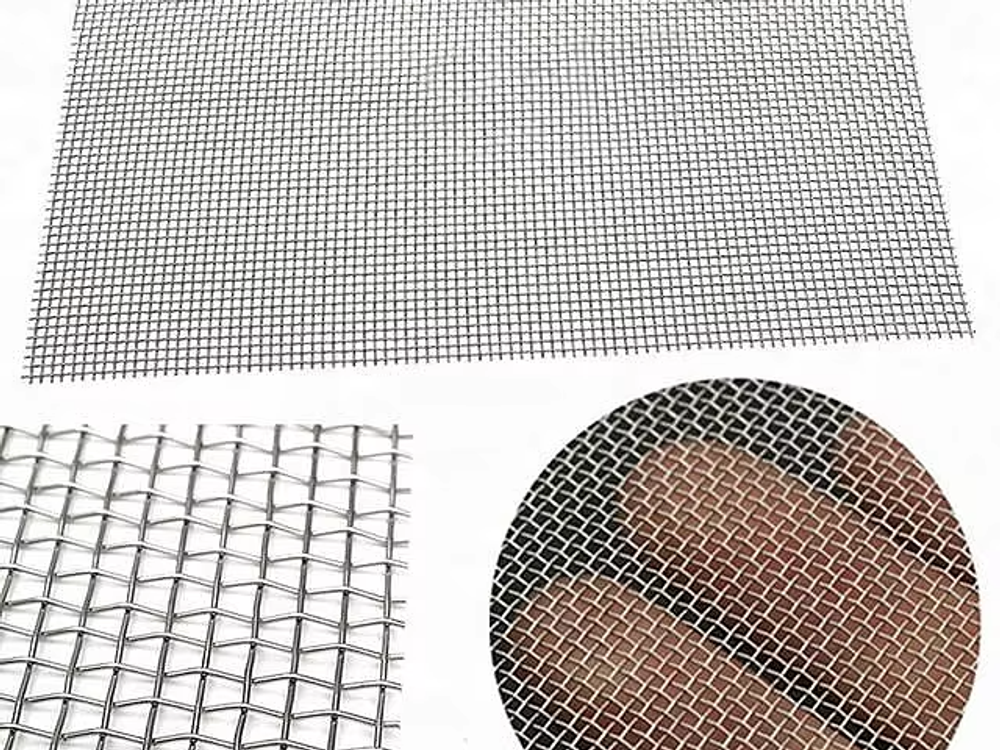
We match aperture, wire diameter and weave type to the actual filtration duty — send either mesh count or micron target from your spec sheet.
SS316L, duplex, nickel and special alloys are selected around media, temperature and chloride exposure — not a one-grade-fits-all default.
We supply raw cut, folded edges, bound rims or welded frames matched to your groove, flange or gasket seat — note the installation method on your RFQ.
Roll and cut-piece shipments can be aligned to the same production lot when you note validation or traceability requirements upfront.
Square-opening woven wire mesh for screening, support layers and custom fabricated filter parts.
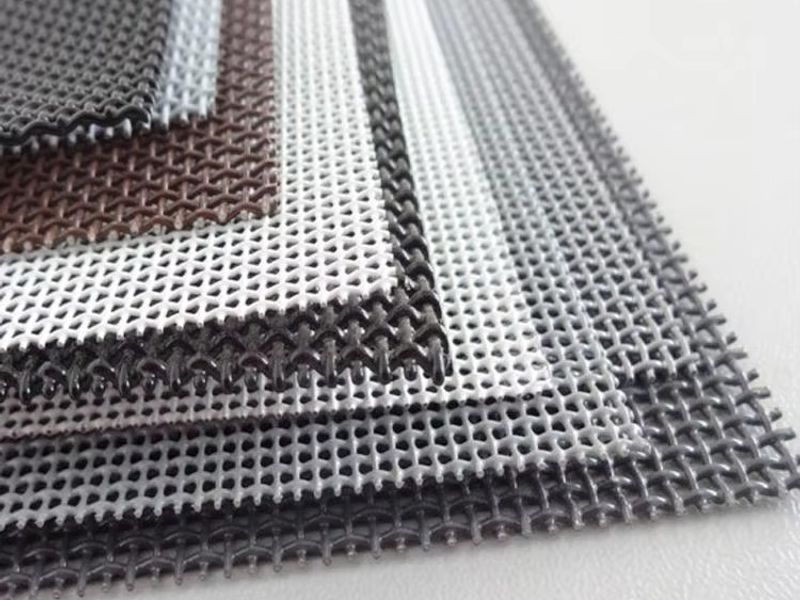
Dense woven wire mesh for fine filtration and custom screen packs in demanding process lines.
Panels / sheets / custom screens for heavy-duty screening and protective mesh, supplied to drawing with material, size and packing details confirmed at RFQ stage.
Plain weave is the general-purpose structure: each warp wire passes alternately over and under weft wires, giving high open area and predictable aperture for coarse screening and support layers. Twill weave shifts the crossover pattern so wires interlace in pairs — the mesh is denser at the same nominal count and handles fine mesh with better strength and flexibility. Dutch weave (and reverse dutch) packs more wires in one direction to create narrow, stable pores for micron-rated liquid and polymer melt filtration. Plain weave suits sieving and open support; twill suits fine mesh that must survive handling; dutch weave suits when your spec names a micron rating or extruder-screen duty.
Mesh count is openings per linear inch; micron rating describes nominal particle retention. They correlate through wire diameter and weave geometry — two suppliers quoting “100 mesh” may not deliver the same micron performance. Provide either value from your drawing, plus media and temperature, and we map count, wire dia and weave before quotation. For extruder and hydraulic applications, reverse dutch specifications (e.g. dense warp × coarser weft) are common — send the full weave designation if you have it.
SS304 covers many neutral aqueous and dry screening duties at competitive cost. SS316L is the usual upgrade for chlorides, aggressive cleaning chemicals, food and pharmaceutical CIP, and many chemical service environments. Duplex, nickel and copper alloys are quoted when your media sheet or sample indicates higher corrosion or temperature. List the fluid, operating temperature and any chloride or acid exposure — we recommend grade and surface condition (bright, annealed, pickled) accordingly.
Yes. Rolls are standard for OEM and fabricator stock. Cut pieces, circles and rectangles are produced to length and width tolerance from your drawing. Framed panels and bound edges are offered when the mesh mounts in a groove, behind a gasket or in a machine slot — send frame type, outer size, clearance and whether the mesh is replaceable in service. Custom fabrication of cylinders, cones and multi-layer packs is available on our Custom Fabrication page for drawing-based parts.
Include weave type (or application), mesh count or micron target, wire diameter if known, material grade, dimensions (roll width × length or cut size), quantity, edge treatment and installation notes. Sample photos of worn screens or marked-up drawings speed review. MOQ and unit price depend on alloy, weave and processing — confirmed per quote after specification review. For repeat OEM programs, note annual volume and whether lot traceability or material certificates are required on shipment.
Standard woven mesh in SS304 or SS316L is often available from stock or short production runs once weave, count and width are confirmed — typical dispatch is quoted in business days after spec lock, not from a single site-wide number. Custom cut sizes, framed panels and special alloys may extend lead time. MOQ for rolls is usually lower than for cut pieces with tight tolerance or welded frames. Share your target delivery date and we align stock, cutting and any fabrication steps in the quotation.
For general screening and rolls, see Plain Weave Wire Mesh in this category. For polymer melt and fine liquid filtration, see Dutch Weave Wire Mesh. For weave selection logic, read our blog articles on plain vs twill vs dutch weave and mesh-to-micron conversion. Send drawings for fabricated parts via Custom Fabrication.
| Type | Best for | Typical note |
|---|---|---|
| Plain weave | General sieving | High open area |
| Twill weave | Fine mesh strength | More flexible structure |
| Dutch weave | Micron filtration | Dense and stable pores |
Final specification should be confirmed by sample or drawing.
Plain weave suits general screening and coarse filtration. Twill gives a tighter weave at the same mesh count. Dutch weave (especially reverse dutch) is the standard for polymer melt and fine liquid filtration—send your micron target and we recommend the weave.
Mesh count is openings per inch; micron rating is the nominal particle size retained. They correlate but depend on wire diameter and weave. Send either value from your spec sheet and we cross-check before quoting.
Request edge treatment when the mesh sits in a frame, groove or gasket seat, or when loose wires would snag in handling. We can supply raw cut, folded edges or welded frames—note the installation method on your RFQ.
Yes. Provide length, width, frame type and tolerance. We can cut from roll stock and weld or bind edges for machine installation.
List the medium, temperature and chloride exposure. SS304 covers most neutral duties; SS316L is the usual upgrade for chlorides, acids and food/pharma cleaning chemicals.
Yes—note if you need lot traceability for validation or repeat orders. We can align roll and cut-piece shipments when scheduled together.
Send your specification, drawing or operating conditions. We reply with a technical quote, not a form letter.
Uploaded reference files are included with the inquiry. For larger CAD packages, reply to the confirmation email or send them here:
Our team typically replies within 24 business hours.
Welded and woven mesh filter cylinders, tubes and sleeves for support, protection and pre-filtration in industrial assemblies — made to OD, ID, length and end-finish drawings.
Cleanable metal filter cartridges — pleated mesh, sintered and hybrid constructions for high temperature, pressure and corrosive media where disposable media fail.
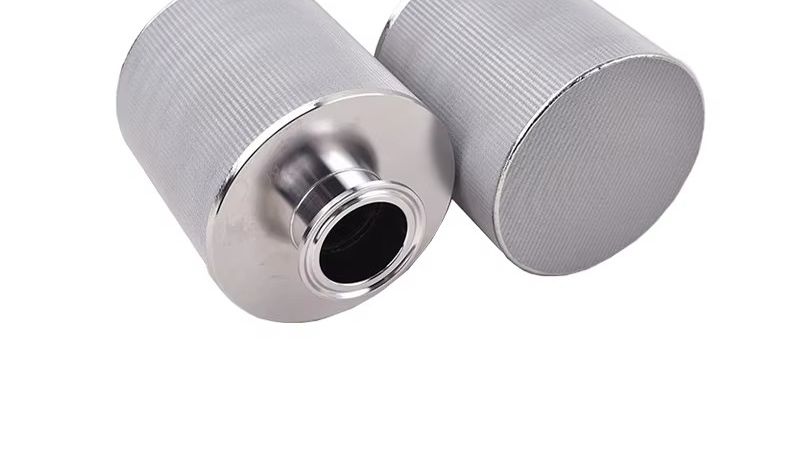
Rigid sintered stainless filters — discs, tubes, cartridges and 5-layer laminates for precision retention, high differential pressure and cleanable industrial filtration.

Learn what drives stainless steel filter MOQ, how custom filter lead times break down, and how to negotiate sample terms before you place…
Stainless steel filter quotes for one drawing can differ by 300%. Compare unit basis, hidden processes and material grades before you…
Sintered filter quotes vary with mesh grade, layer count, size, quantity and inspection. Learn what moves the quote before you compare…