Selection Guide
Why Stainless Steel Filter Quotes Differ by 300%
Stainless steel filter quotes for one drawing can differ by 300%. Compare unit basis, hidden processes and material grades before you choose a supplier.
Stainless steel filter quotes for one drawing can differ by 300%. Compare unit basis, hidden processes and material grades before you choose a supplier.
You sent one drawing to three suppliers and received three prices that look unrelated. The spread can reach 300% with no line explaining where it came from.
One quote may be per piece. Another is per square metre of mesh, or per kilogram. One includes welding, pickling, polishing and inspection; another silently excludes them.
Material substitution then hides inside the gap. SS304 may be offered where SS316 was specified, or the sheet and mesh may be lighter. None of these gaps appears unless you force each supplier onto the same basis.
Start with one rule: never compare totals. Rebuild each quote on four fixed lines: unit basis, material, process scope and quantity band. A very low total often wins only because its scope is smaller.
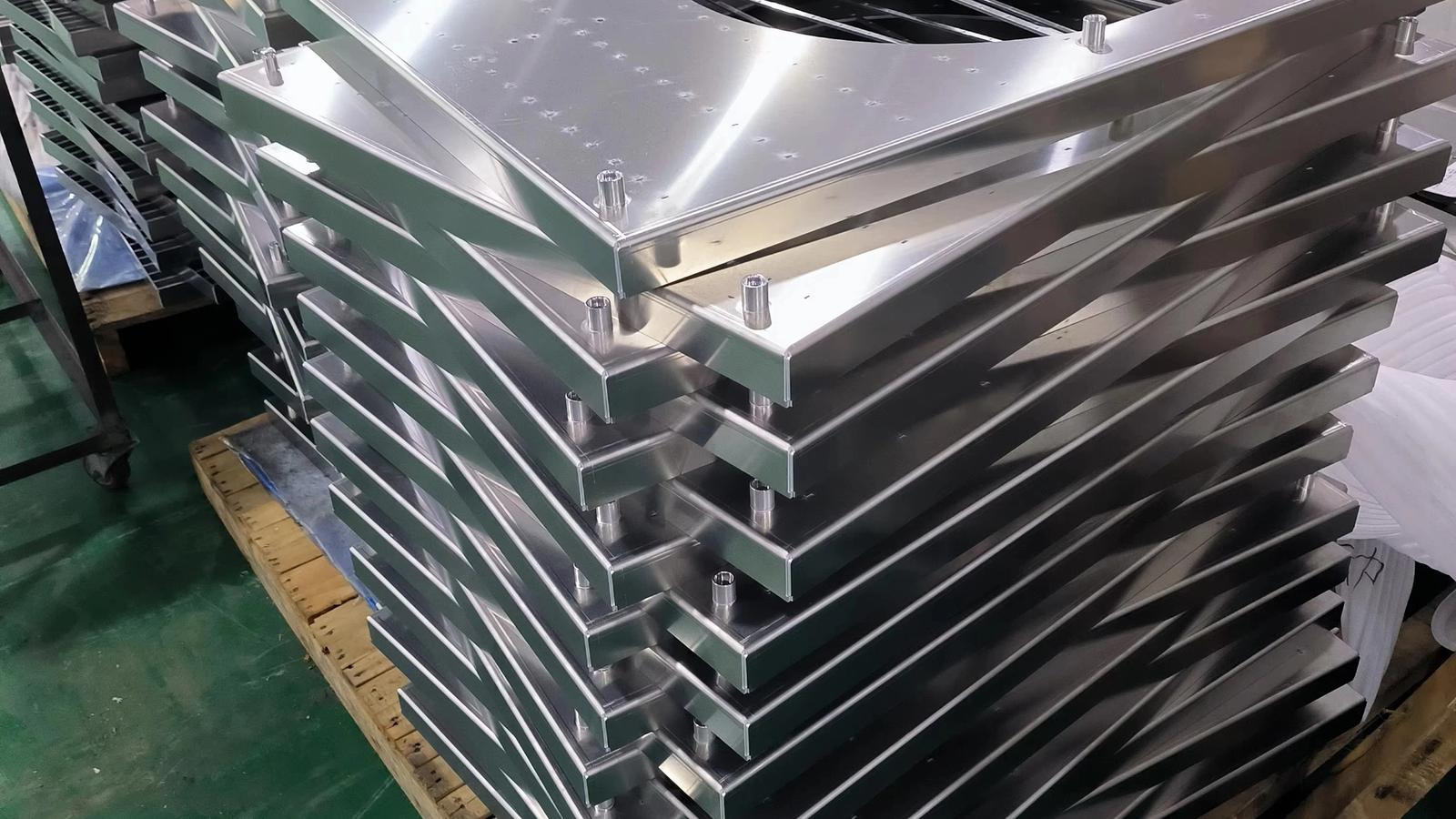
Ask for the assembled price, not only the mesh. The custom stainless steel screen filter parts quote should show how mesh, frame, welds and finishing combine. KAIFIL quotes from its own drawing review, mesh weaving, welding and inspection, so each line is traceable. That traceability lets a buyer see where the money sits.
Send all three suppliers the same clarification sheet. Ask each to restate the unit, grade, included operations and quantity band in writing. A supplier who cannot answer in those terms has given you a number, not a quote.
| Quote field | Why it moves the number | What to ask the supplier |
|---|---|---|
| Stated unit basis | Whether prices are comparable | Quote per finished piece; with mesh area shown. |
| Material grade | Substitution risk | Name the exact grade and heat number. |
| Mesh and sheet thickness | Mass and strength | State wire diameter; aperture and tolerances. |
| Open area or micron rating | Filtration performance | Give the rating method and test standard. |
| Welding and finishing included | Hidden process hours | List welding; pickling; passivation and polishing. |
| Quantity band | Setup amortisation | Price your annual volume and release size. |
| Inspection documents | Proof and cost add-on | Specify material certificate; dimensional report and test records. |
| Dimension | Low quote | Mid quote | High quote | What the low quote omits |
|---|---|---|---|---|
| Unit basis | Per kg of mesh | Per finished piece | Per certified set | Labour and finishing |
| Material | SS304; gauge unstated | SS304; drawing gauge | SS316L; heat certified | Grade and thickness proof |
| Processes | Cut and light weld | Weld; pickle; inspect | Weld; pickle; polish; inspect | Pickling; polishing; inspection |
| Inspection | Visual only | Dimensional check | Certified report and test | Documents and traceability |
| Quantity | Volume unstated | 1;000 pieces | 500 pieces; batch records | Setup and MOQ effect |
Treat each quote as a build-up, not a lump sum. Use this comparison formula.
quote ≈ (material mass × grade factor) + (process steps × labour rate) + (inspection add-on) + (setup ÷ quantity)
The variables separate material, process, inspection and setup.
Set the base part at 1.0. If welding, pickling and 100% inspection are added, the same part often lands at 1.4–1.9× the bare mesh price. A move from SS304 to SS316L often adds another 1.2–1.5× on material. If quantity falls from 1,000 to 100, setup divided by quantity can add 10–30%.
Worked example in symbols: let B = 1.0, G = 1.3, P = 1.6 and S = 0.2. Quote ≈ B × G × P + S = 1.0 × 1.3 × 1.6 + 0.2 = 2.28. The supplier quoting only B = 1.0 is 56% lower, not 56% cheaper. Its price leaves grade, process and setup out.
Apply the same variables to all three quotes. Normalise every supplier to the same B, G, P and S. The price difference is usually scope, not supplier margin.
A controlled shop turns your drawing into a traveller at order release. Mesh is checked for wire diameter, aperture and open area before cutting. Welds are inspected for penetration and distortion, then finished parts are cleaned and measured.
You receive a material certificate, dimensional report, weld and surface checks, and packing list. Ask for an EN 10204 3.1 certificate tied to the heat number. This guide to EN 10204 3.1 material certificates explains what each section proves. Use a stainless steel filter incoming inspection checklist to verify what arrives.
Packing protects the finish with interleaved sheets, capped threads and sealed cartons. Lead time moves with drawing approval, raw-material lead time, welding hours and inspection level. Certified records add cost, but they make the quote auditable.
Convert all three to the same finished-part basis. Multiply the mesh-area price by the actual mesh area, then add cutting, welding, finishing and inspection. Ask each supplier to show that build-up in writing, with grade and quantity fixed. One comparison sheet removes much of the apparent gap.
The low quote usually leaves something out. It may price only mesh, use thinner sheet or exclude welding and inspection. It may also assume a much larger quantity. Ask for the unit basis and exclusions before comparing; a genuine saving is rare at the same specification.
Yes, if the quote survives normalisation. Ask for the same grade, process list, inspection records and samples as the other suppliers. Run a first-article inspection and check weld quality, dimensions and surface finish. Start with a small production order, then audit the packing.
Ask for grade and heat number, the inspection plan, a dimensional report, a material certificate and the packing specification. For hygienic duty, add surface-finish and test records. The quote should also state exclusions, lead time and Incoterms. Documents belong in the comparison sheet, because missing paperwork often explains a very low price.
Setup and inspection costs spread across the order, so low volumes carry higher fixed cost. At high volume, material and labour dominate. Ask for prices at three quantities, not one. This guide to MOQ, lead time and samples explains the options.
Send one drawing pack with grade, dimensions, mesh, finish, inspection and target quantity. Attach a short clarification sheet that every supplier must complete. Request prices on the same Incoterm and validity period, and ask for exclusions in writing. A standard pack takes one afternoon to build and turns three unrelated numbers into one decision.
Send your drawing to KAIFIL through the contact page for a line-by-line quote review. We will mark the unit basis, grade, process steps, quantity band and documents on each comparison. You will see where the money sits before you choose a supplier.
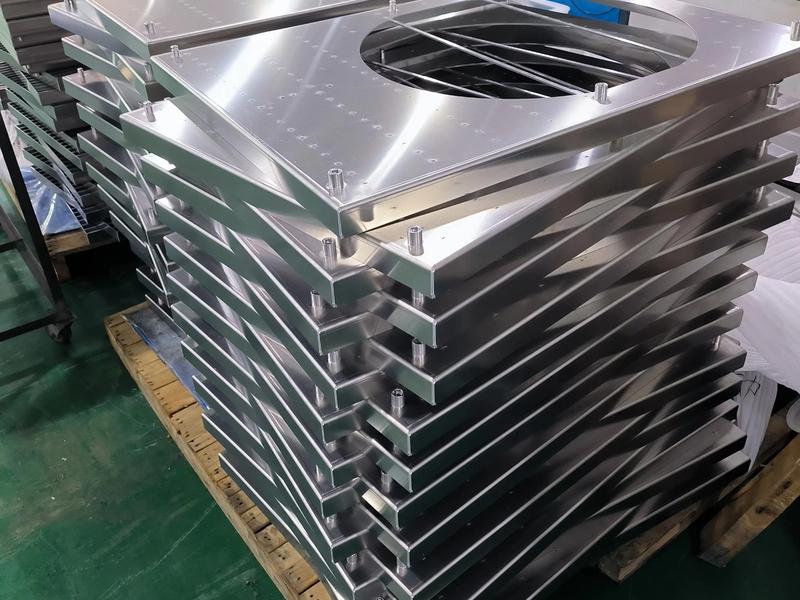
Cut, formed and welded wire mesh parts for custom equipment screens and fabricated filter inserts, supplied to drawing with material, size and packing details confirmed at RFQ stage.
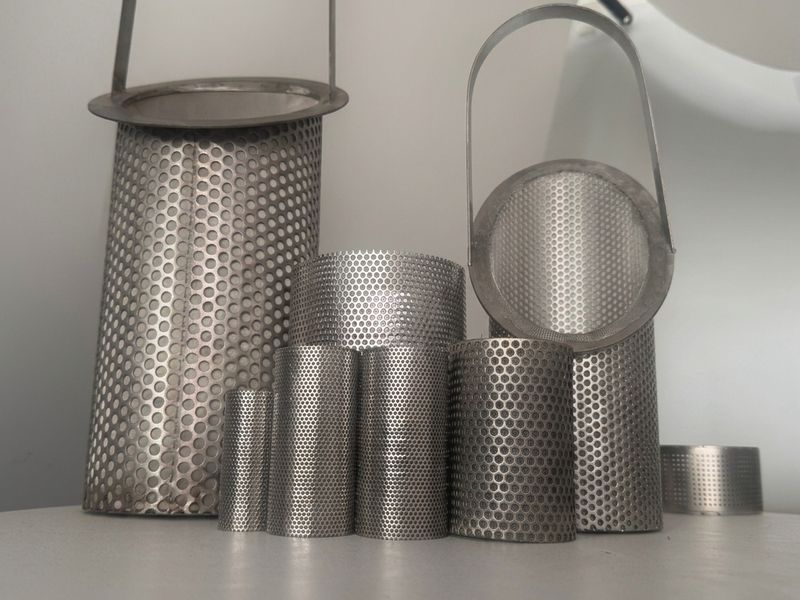
Made-to-drawing SS304, SS316 and SS316L perforated baskets for liquid straining, equipment protection and removable process screens.
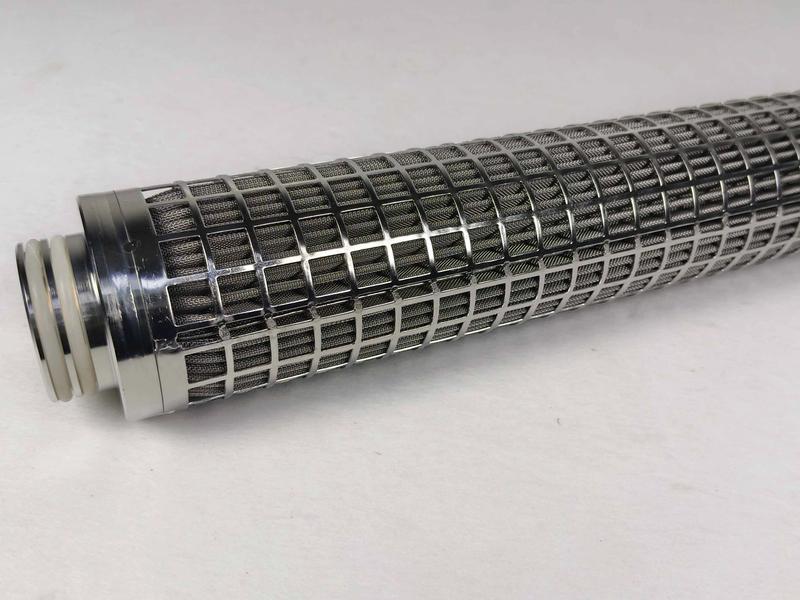
High-area pleated metal filter cartridges with custom media, end caps and seals.
Send drawings, dimensions, material, environment or operating conditions, and we will help confirm the right specification.
Uploaded reference files are included with the inquiry. For larger CAD packages, reply to the confirmation email or send them here:
Our team typically replies within 24 business hours.