Process notes for ordering.
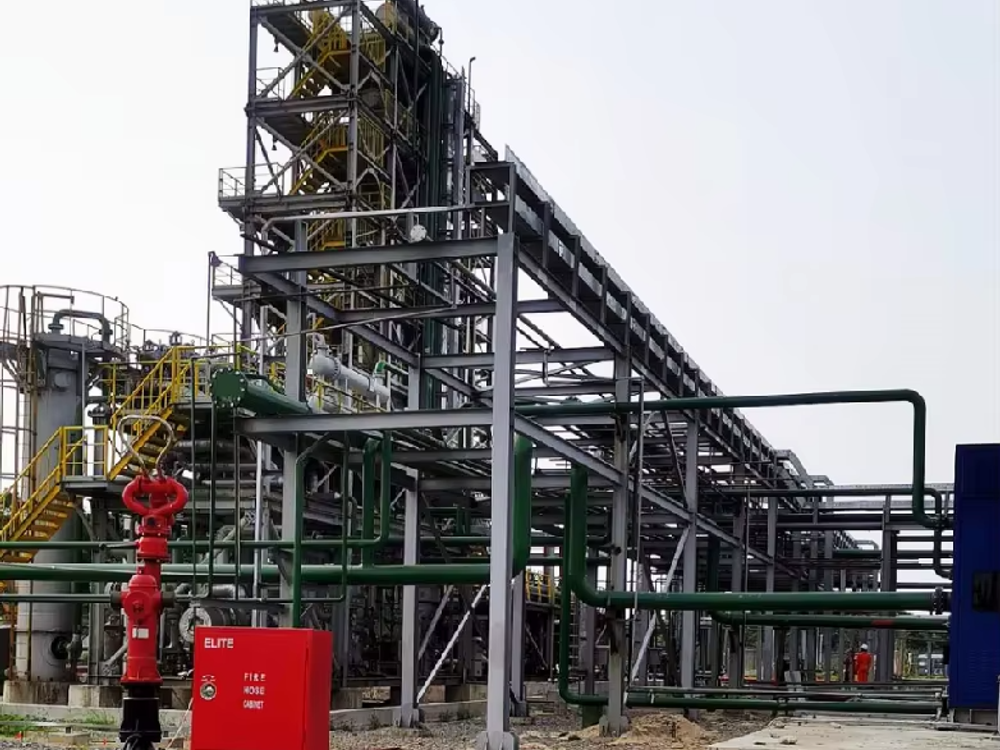
Oil, gas and petrochemical filtration spans lube oil polish, fuel gas coalescing support, process liquid guard filtration and startup straining — each with different temperature, pressure and corrosion exposure. The table below is a quotation starting point; operating limits vary by equipment and must be confirmed per project before release.
| Parameter | Typical range (O&G / petrochemical) | Notes for RFQ |
|---|---|---|
| Fluid type | Lube oil; fuel gas condensate; amine; glycol; process water | State chloride; H2S; acid type and concentration |
| Temperature | Approx. −20 °C to 200 °C+ (duty-dependent) | Share normal; peak and clean-in-place temperature |
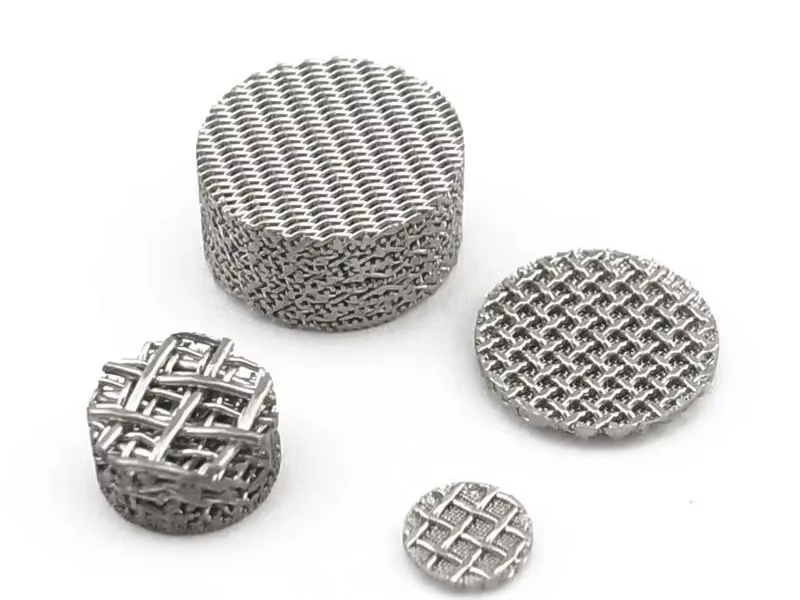
| Pressure / ΔP | Skid-dependent; share allowable rise | Pleated area vs sintered choice — state housing limit |
| Retention | 1–25 μm nominal common on polish duty | Absolute vs nominal rating method on RFQ |
| Material | SS316L default; upgrades for sour/chloride | Do not assume 316L covers all H2S exposure |
| Documentation | MTC; dimensional report; selected tests | Define scope on PO to align lead time |
Operating limits vary by equipment — values confirmed per project.
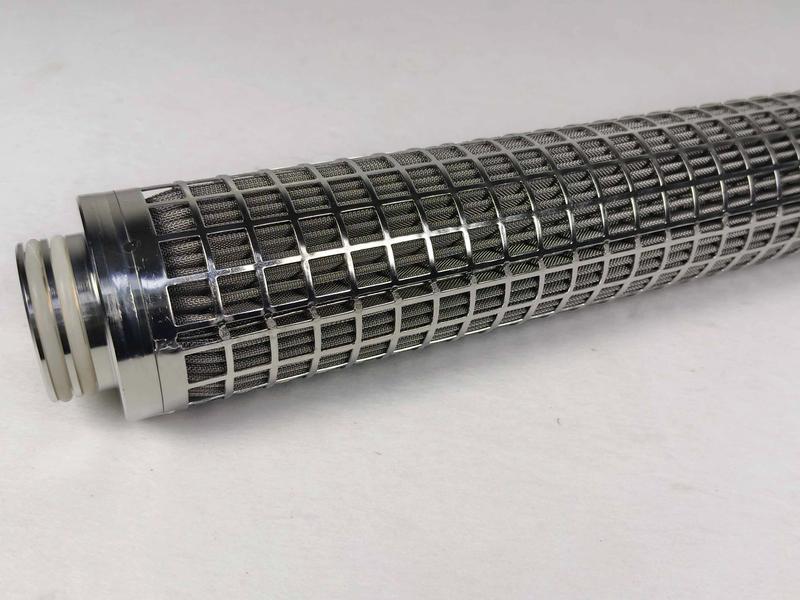
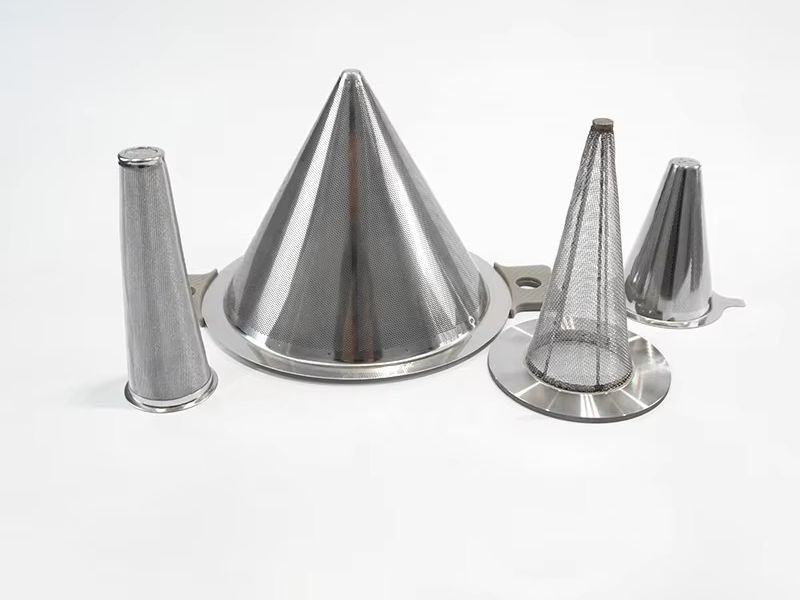
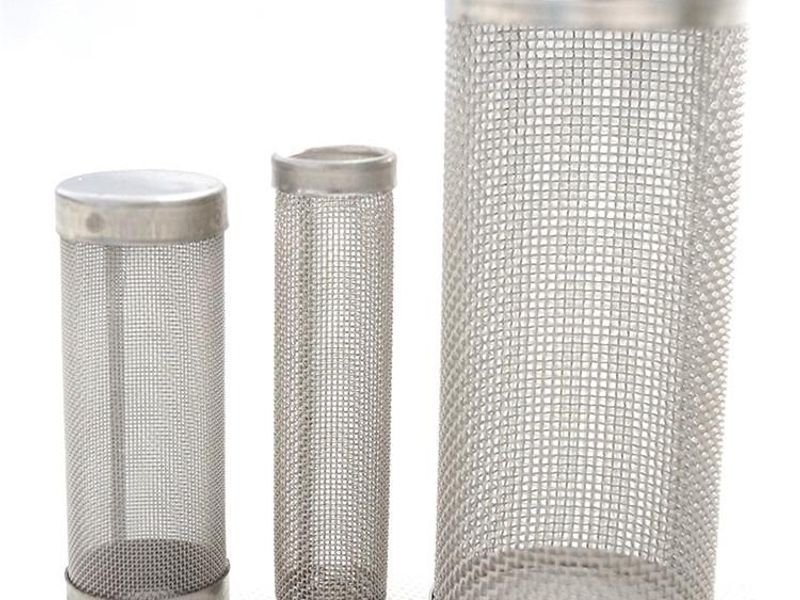
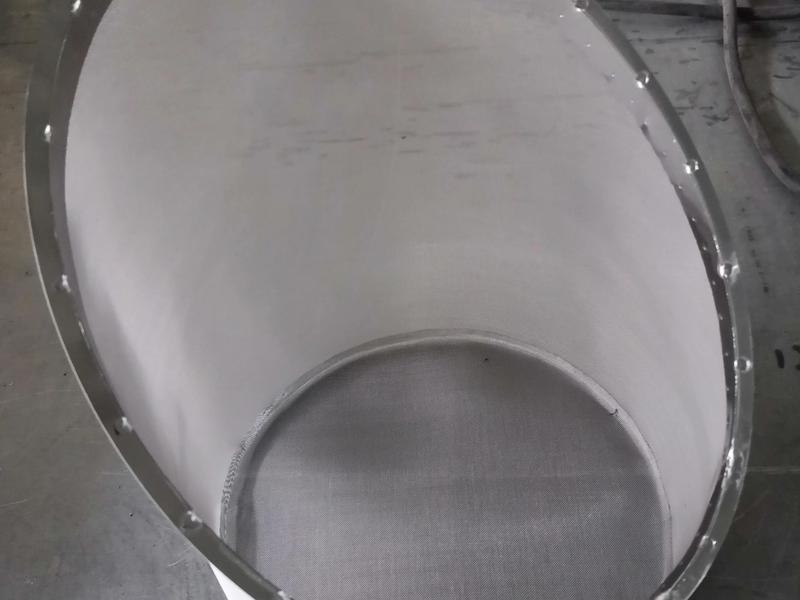
For conical strainers, provide flange class, line size and whether temporary commissioning or permanent duty. For cartridges, send OD, length, cap style and bypass requirements. Unit price, MOQ and lead time are confirmed after specification review.
Operating limits vary by equipment — values above are typical ranges, confirmed per project.
