How to choose.
SS316L stainless steel (UNS S31603, EN 1.4404) is the workhorse grade for corrosive filtration duties. Its 2–3% molybdenum addition gives substantially better resistance to pitting and crevice corrosion in chloride-bearing media than SS304, and the low-carbon 'L' designation prevents carbide precipitation during welding, keeping corrosion resistance intact in welded filter assemblies.
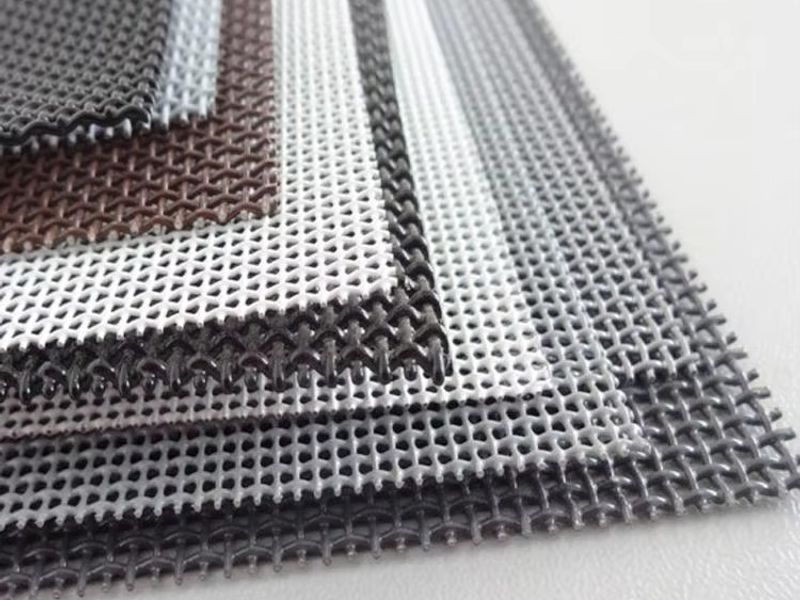
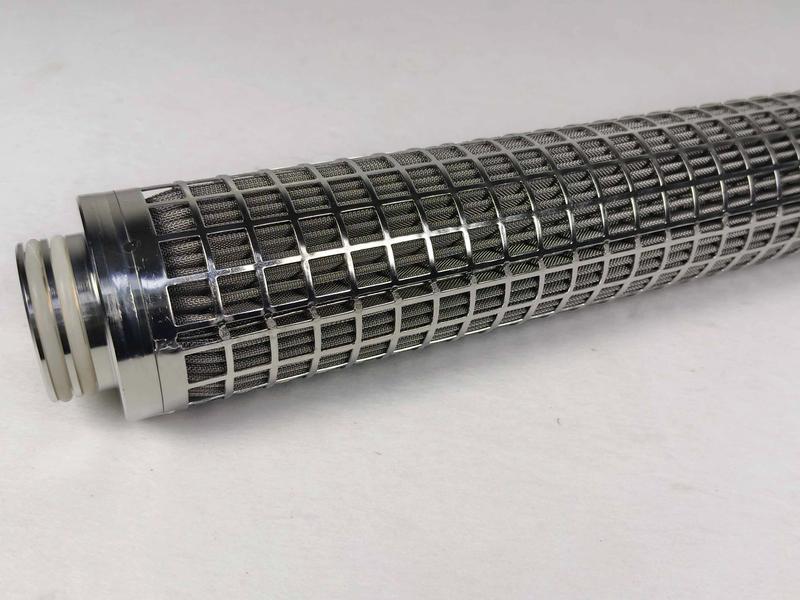
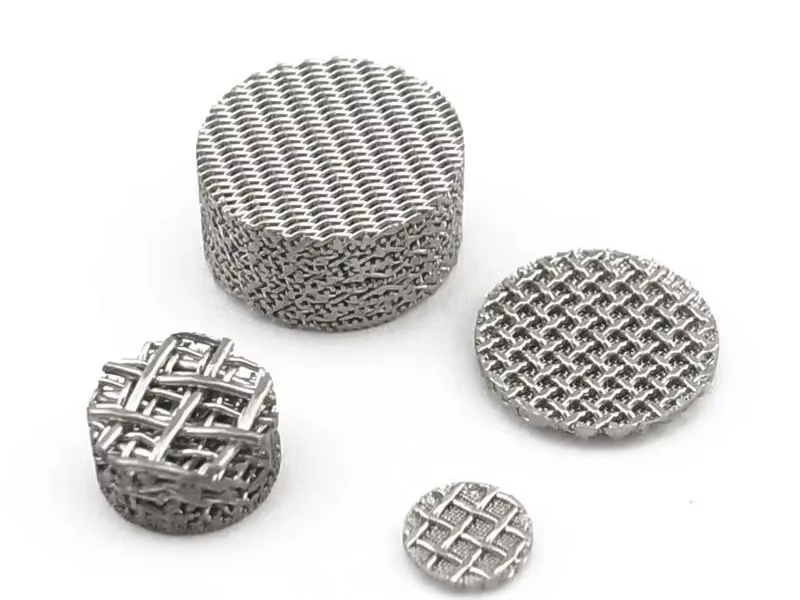
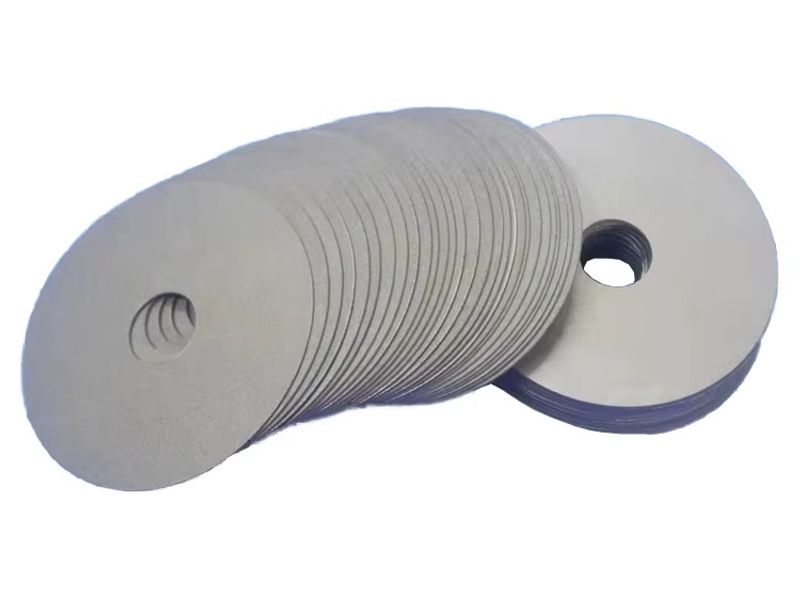
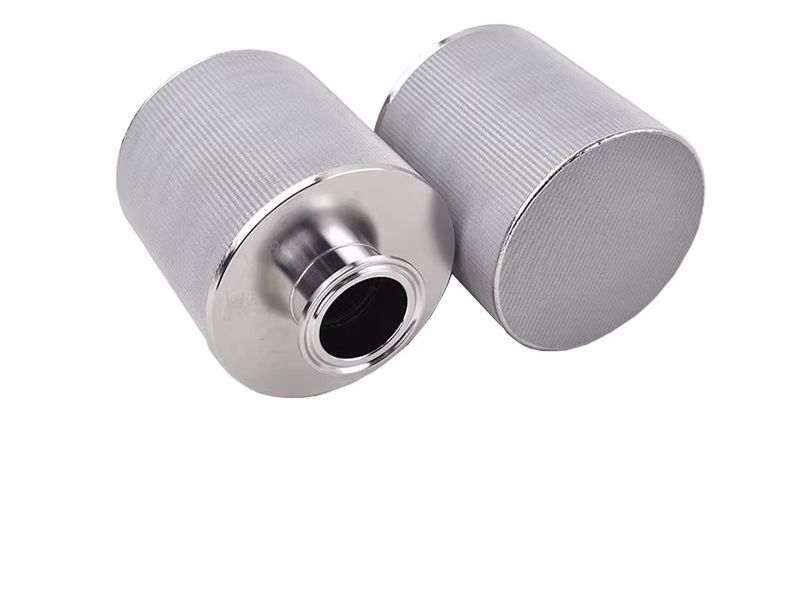
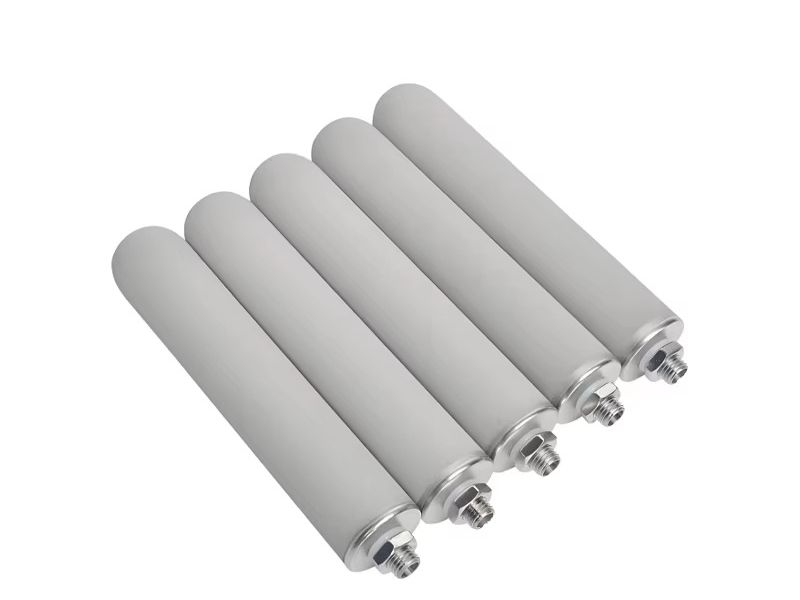
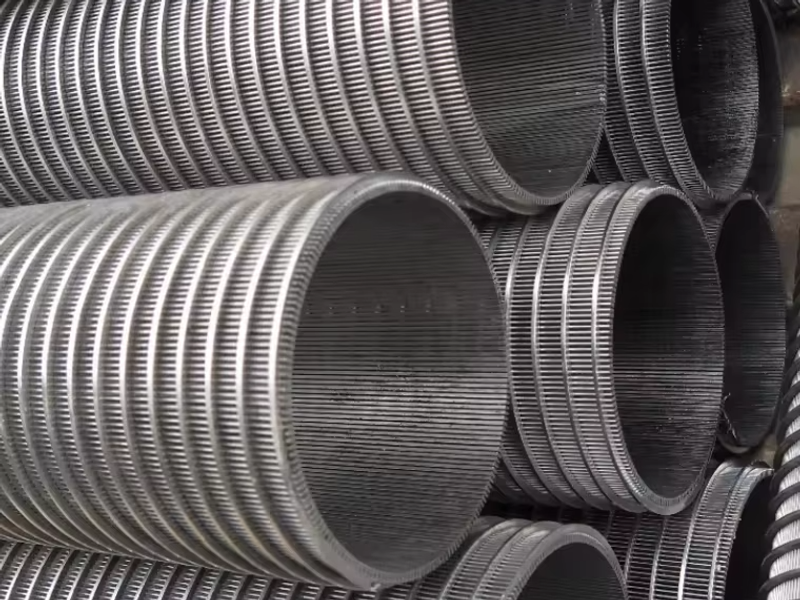
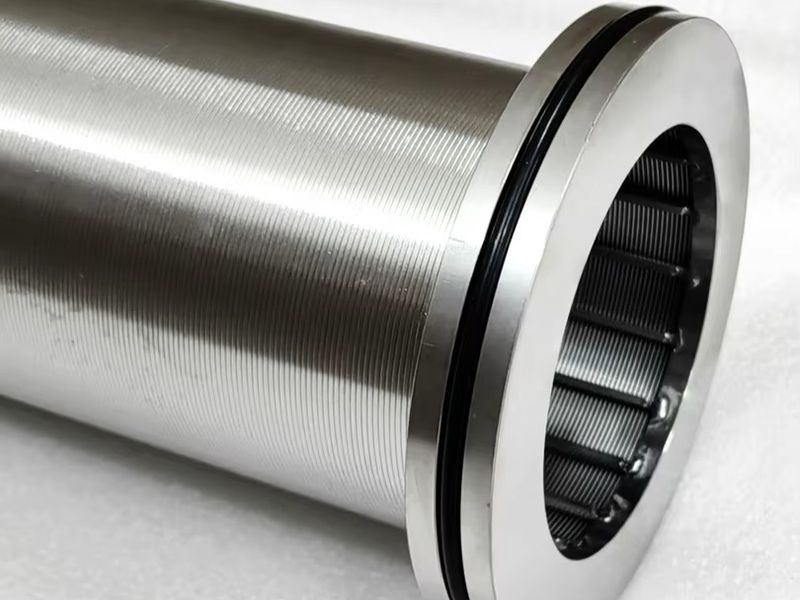
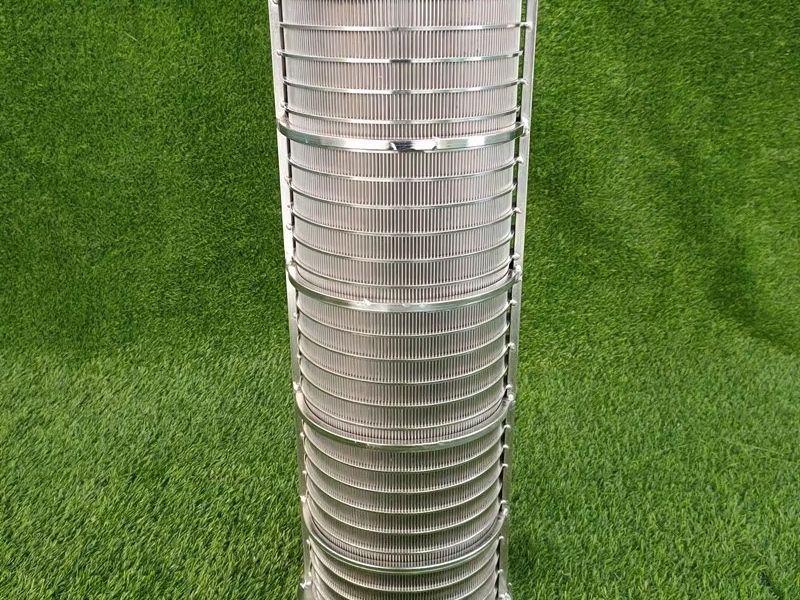
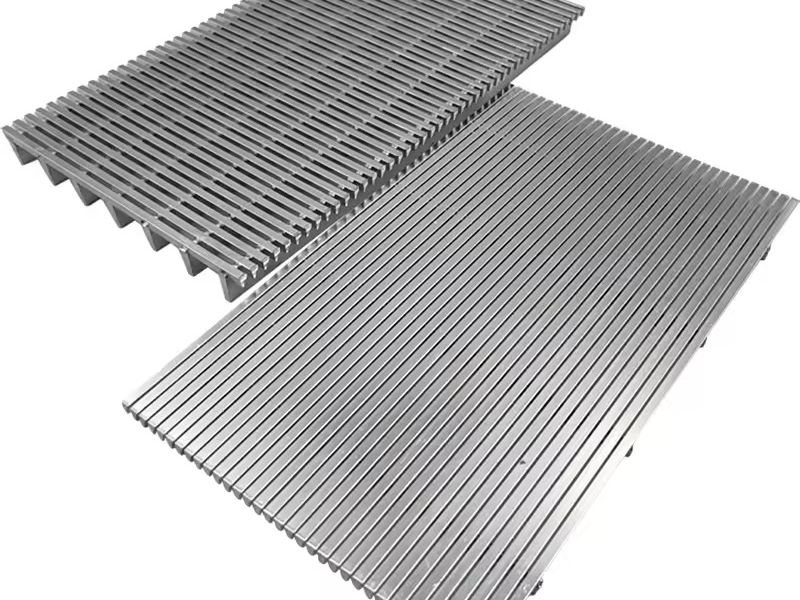
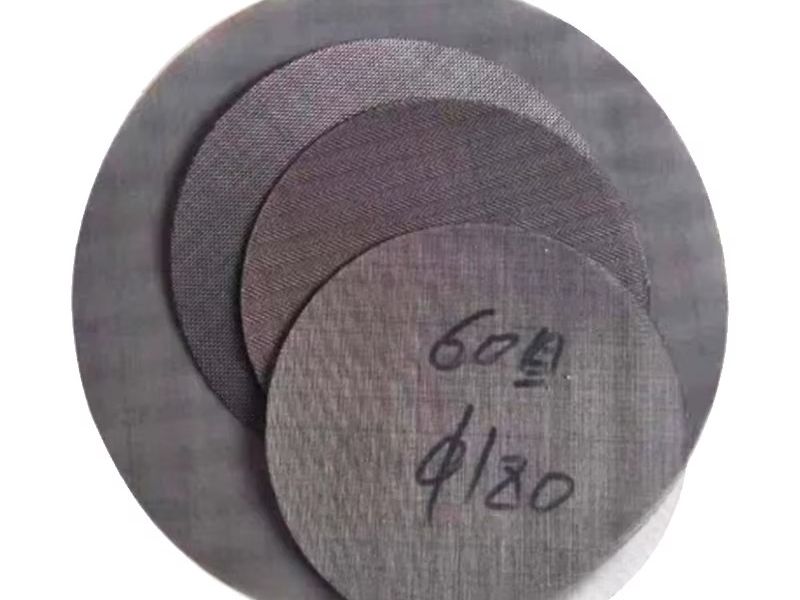
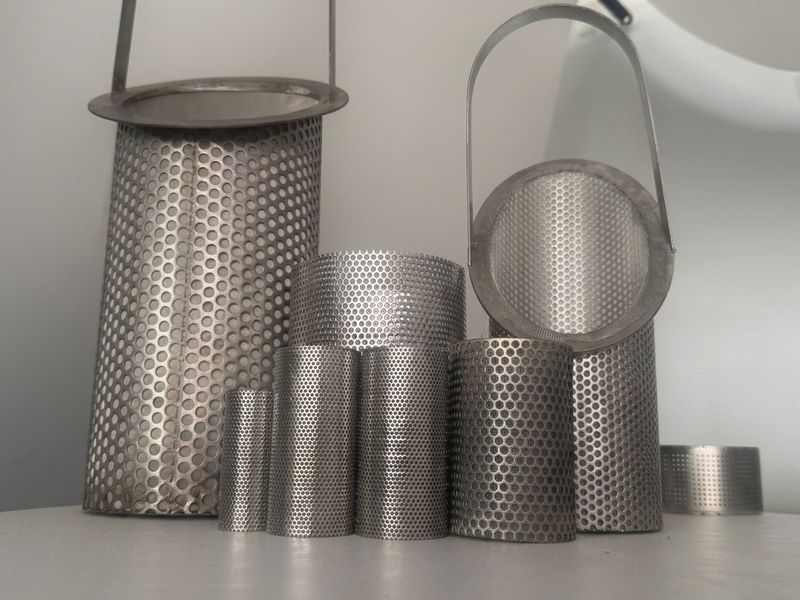
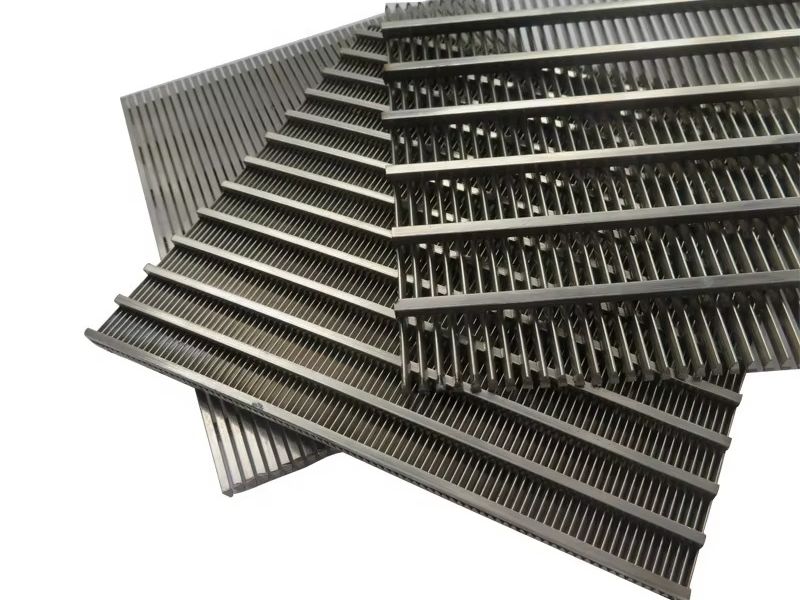
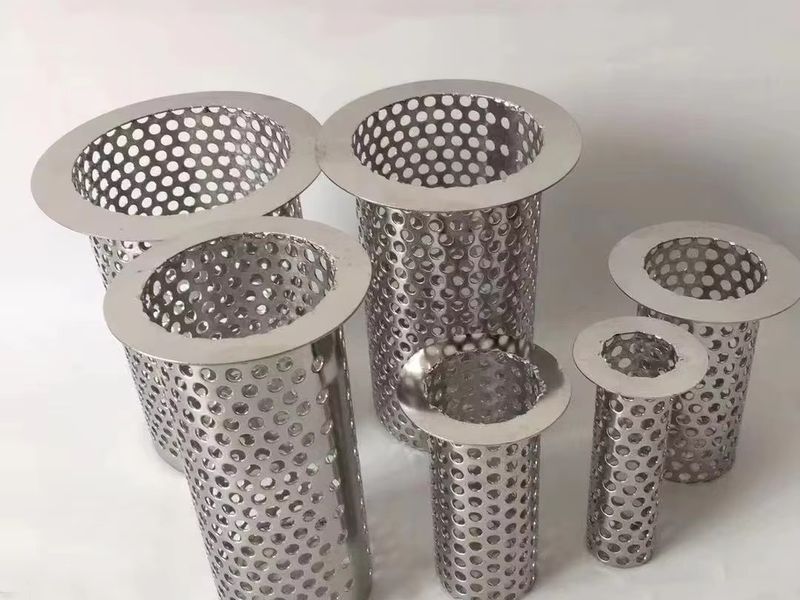
Typical SS316L applications map directly to industries where SS304 falls short: petrochemical process filtration, offshore and marine screens, brine and seawater intake, pharmaceutical and food processing lines with aggressive CIP chemicals, and any duty involving dilute acids. Dutch weave filter cloth, sintered mesh laminates, pleated cartridges and wedge wire screens are all routinely produced in SS316L.
Mechanically, SS316L behaves much like SS304 in weaving and fabrication: it can be woven to fine micron-rated cloth, pleated, sintered, stamped and welded. It is roughly 20–30% more expensive than SS304 depending on the nickel and molybdenum market, so the usual specification logic is: start with SS304, and move to SS316L when chlorides, acids or validation requirements appear. For still harsher media — hot concentrated acids, high-chloride high-temperature brine — duplex 2205, titanium or nickel alloys are the next step, all of which KAIFIL can supply for woven and fabricated products.
When sending an SS316L inquiry, include the medium and concentration, operating temperature, and required micron rating or mesh count. We confirm material availability, suggest the weave or filter construction that matches the duty, and provide EN 10204 3.1 material certificates with shipment on request.