Selection Guide
Sintered Metal Filter Price: What Actually Drives the Quote
Sintered filter quotes vary with mesh grade, layer count, size, quantity and inspection. Learn what moves the quote before you compare suppliers.
Sintered filter quotes vary with mesh grade, layer count, size, quantity and inspection. Learn what moves the quote before you compare suppliers.
Two suppliers can quote the same sintered filter and land two or three times apart. The drawings may match while the build assumptions do not.
One quote may use a single powder layer; another may stack five. One may include burst checks and a certificate; the other may not.
Buyers then compare totals without seeing which line changed. Start with a sintered metal filter vs wire mesh filter build review, not the bottom line.
Ask both suppliers to price the same rating, dimensions, layer stack and inspection scope. Then judge whether the gap is real.
Typical sintered filter quotations reduce to five commercial lines. Ask for each line separately, and the total becomes easier to compare. The first three carry the main material and build cost.
The last two explain much of the supplier spread. A quote without this breakdown hides its assumptions.
That makes an apples-to-apples comparison impossible. Each line should carry its own quantity and unit basis.
For a clean comparison, send the same specification to every supplier and request a line-by-line breakdown.
Review the sintered metal filter elements against your drawing before accepting any total. KAIFIL sinters, pleats or packs, and inspects in one pass, so we can explain every cost line.
That visibility helps buyers separate a genuine specification difference from a padded quote. Keep that breakdown beside both offers when you compare totals.
Not every drawing field matters equally. Compare the fields below when you review a five-layer sintered mesh build or a custom disc.
| Specification field | Buyer question | Why it moves the quote |
|---|---|---|
| Filter rating (micron) | Nominal or absolute? | Finer ratings need tighter mesh or powder control and more testing. |
| Layer configuration | How many layers filter? | Each extra layer adds material; sintering time and handling. |
| Disc or element OD/ID | Exact size and tolerances? | Size drives blank mass; machining time and yield loss. |
| Thickness | Fixed or minimum? | Extra thickness uses more material and processing time. |
| End fittings | Threaded; flanged or welded? | Special fittings add machining; welding and inspection. |
| Quantity band | Annual and release quantity? | Setup costs spread over more pieces at higher volumes. |
Price level is not the same as cost level. A cheap build can win the first order and lose on rework. A high-spec build can suit a critical duty and be excess elsewhere.
The table separates commercial signals. For a technology trade-off, review sintered mesh versus pleated cartridge lifetime cost.
| Commercial signal | Cheap build | Mid-range build | High-spec build |
|---|---|---|---|
| Rating proof | Supplier statement | Sample check | Lot records and certificate |
| Layer stack | Unclear or single | Stated stack | Documented to duty |
| Inspection file | Dimensions only | Rating and pressure | Full traceability |
| MOQ and lead time | Low MOQ; stock sizes | Standard MOQ; made to order | Higher setup; longer approval |
| Cost risk | Low first price; high rework risk | Balanced first price and life | Higher first price; lower uncertainty |
Read a quote as a build index, not a single number. Ask the supplier to expose the base element and each multiplier. Use this model:
Quote index ≈ (M × G) + (L × C) + (I × A) + (S ÷ Q)
Each letter represents one commercial driver.
In practice, material grade and inspection scope often rise together in one quote. A finer rating adds test time and production difficulty. That is why a single total hides more than it shows.
Here is a worked example in symbols. Apply these base values:
Move the build to five layers and set L × C = 1.20. The index becomes 2.52, a gain of 0.60 or about 31%. That movement, not the total alone, is what a buyer needs to see.
Quality control appears in a quote as time, records and packing, not a vague surcharge. The process checks incoming powder or mesh, forming parameters, sintering cycle and final dimensions. Temperature and hold time are logged for each batch.
Rating, pressure and cleanliness tests follow the agreed plan. The buyer receives inspection records, a certificate, packing photos and a packing list.
Protected packing and traceable labels add cost, but they reduce damage and disputes. Sintering and forming records should be available on request. Packing checks confirm labels, protection and quantity before dispatch.
Ask for the record package before approving the quote. If it is not priced, confirm who will supply it.
Quotes differ when suppliers price different build assumptions.
Check the rating, layer stack, dimensions, fittings, quantity and inspection plan on each offer. A tighter rating or extra test can move the price more than size. Ask for a line-by-line breakdown.
MOQ depends on size, layer build and standard versus custom design.
Small trial batches are possible, with setup cost spread over fewer pieces. Higher annual volumes usually open better price bands. This MOQ, lead time and sample policy guide explains the basics.
Lead time starts after drawing approval and deposit receipt.
Standard sizes may ship sooner, while custom sintering and inspection add weeks. A detailed test plan can add time before packing. Ask for a schedule in working days, not a vague delivery promise.
Sample policy depends on the build and test data needed.
A stock disc is easier to supply than a custom welded assembly. Samples may be free or charged, with freight separate. Ask whether the sample cost is credited on the bulk order.
Compare both offers against the same drawing, rating, layer stack, fittings and inspection scope.
Normalize quantity and Incoterm, then review the subtotals. A lower total may hide a missing certificate or thinner element. Ask each supplier to list exclusions in writing.
Payment terms follow order value, buyer history and production risk.
Typical terms are a deposit before production and the balance before shipment. Repeat buyers may negotiate net terms. Common Incoterms are FOB, CIF, CIP and DAP. Confirm freight and insurance duties.
Send your complete drawing to KAIFIL through the contact page for evaluation. The review covers micron rating, layer stack, dimensions, quantity, order band and inspection scope. You receive a line-by-line quote.
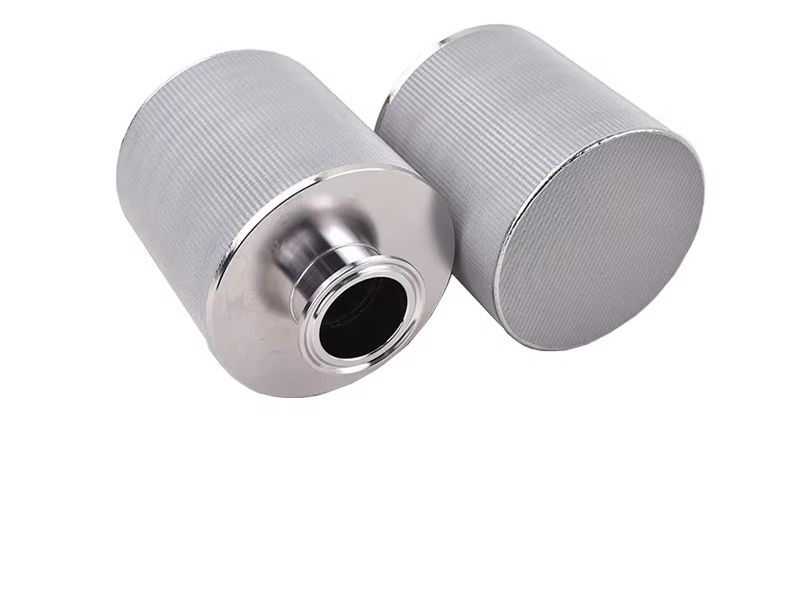
Cartridges / tubes / cylinders / cones for reusable high-strength filtration elements, supplied to drawing with material, size and packing details confirmed at RFQ stage.
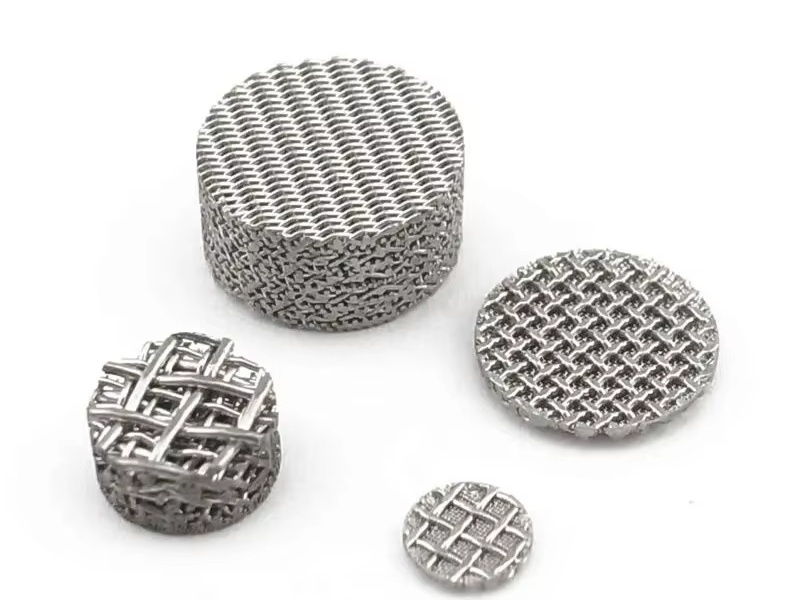
Rigid five-layer sintered wire mesh laminate for cleanable precision filtration and custom elements.
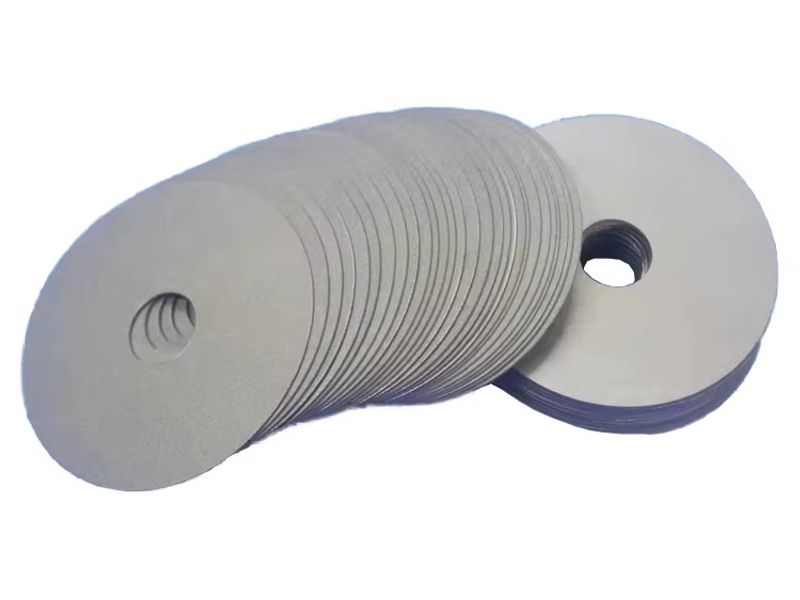
Discs / plates / custom cut parts for cleanable precision filtration, supplied to drawing with material, size and packing details confirmed at RFQ stage.
Send drawings, dimensions, material, environment or operating conditions, and we will help confirm the right specification.
Uploaded reference files are included with the inquiry. For larger CAD packages, reply to the confirmation email or send them here:
Our team typically replies within 24 business hours.