Selection Guide
How to Get a Custom Filter Cartridge Made From a Drawing
Send a PDF, DWG, or STEP file and get an engineering reply, not an auto-quote. Here's what a custom filter cartridge manufacturer needs from your drawing.
Send a PDF, DWG, or STEP file and get an engineering reply, not an auto-quote. Here's what a custom filter cartridge manufacturer needs from your drawing.
An off-the-shelf filter cartridge works until it doesn't fit — a nonstandard housing, an unusual micron target, or a legacy OEM part with no current catalog match. At that point the question stops being "which SKU" and becomes "who can build this from a drawing," and that's a different kind of supplier conversation.
Here's what actually needs to be in your submission package, and what to expect back from a manufacturer that reviews drawings instead of auto-quoting them.
A usable drawing package for custom fabrication needs three things at minimum: drawing format (PDF, DWG, or STEP), target material grade, and filtration rating if the part is doing filtration duty rather than pure structural support. Without at least these three, a manufacturer is guessing at specs you already know and building in review delay you didn't need.
Most buyers assume they need a finished CAD drawing before reaching out, which is why so many custom fabrication conversations start later than they should. Sample photos, marked-up PDFs, and dimension tables work as a starting point — a competent fabricator can build a manufacturing drawing from those, then send it back for your sign-off before cutting metal.
An auto-generated quote can't catch a fit problem, a manufacturability constraint, or a spec conflict buried in your drawing — it just prices what's on the page. An engineering reply reviews the drawing for exactly those issues before committing to a build, which is the difference between a part that arrives correct and one that comes back for rework.
Isn't a same-day auto-quote tempting when you're already behind schedule? It's tempting right up until the part that ships doesn't fit the housing, and you're now behind schedule by the original lead time plus a full rebuild cycle.
DFM (design for manufacturability) feedback at the quote stage is what catches those issues early: a tolerance that's tighter than the process can reliably hold, a weld joint in a location that will trap contaminant, an end-cap configuration that doesn't match your housing's actual interface. Getting that feedback before production starts costs a few days at the quote stage; getting it after costs the full lead time twice.
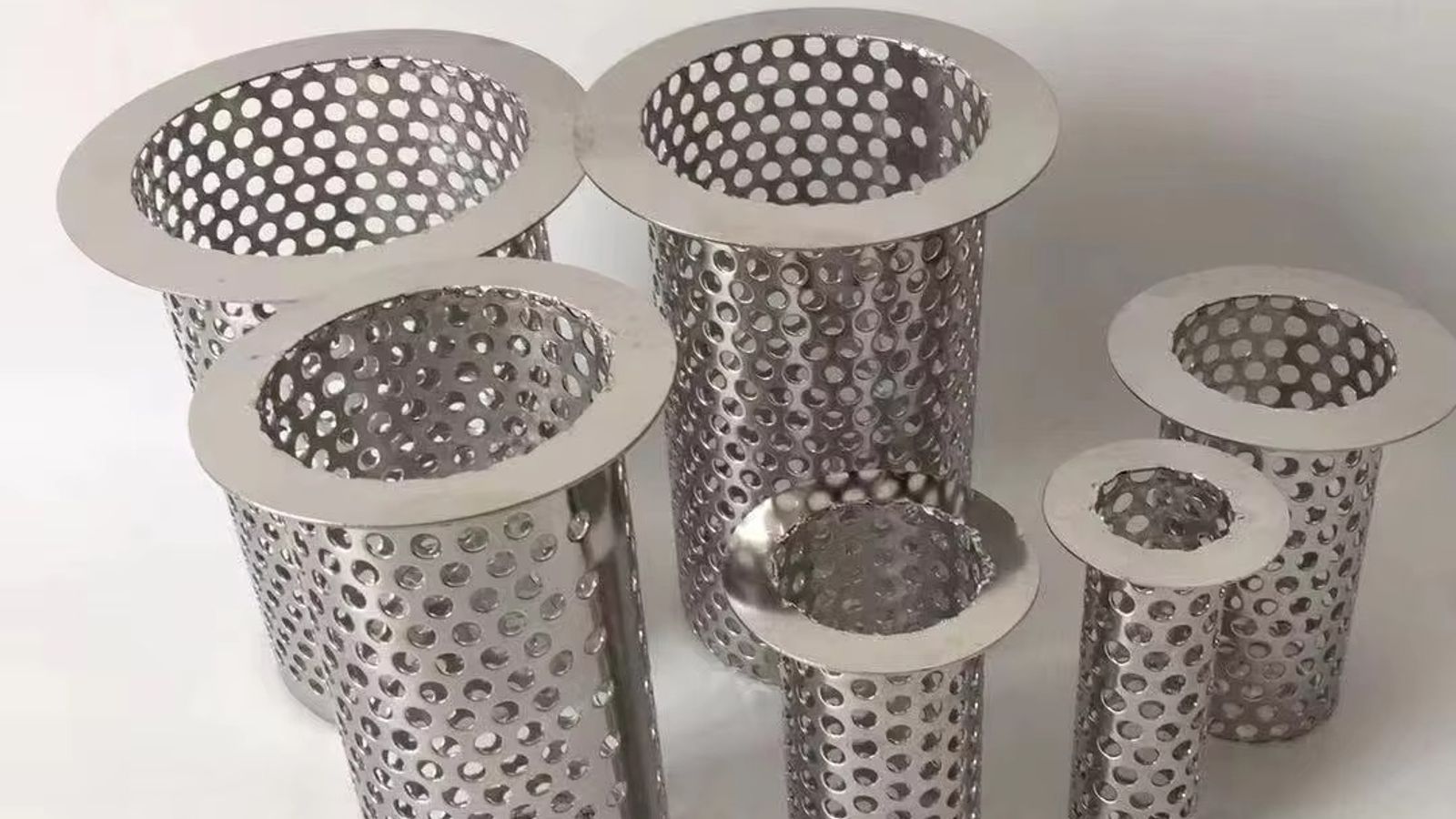
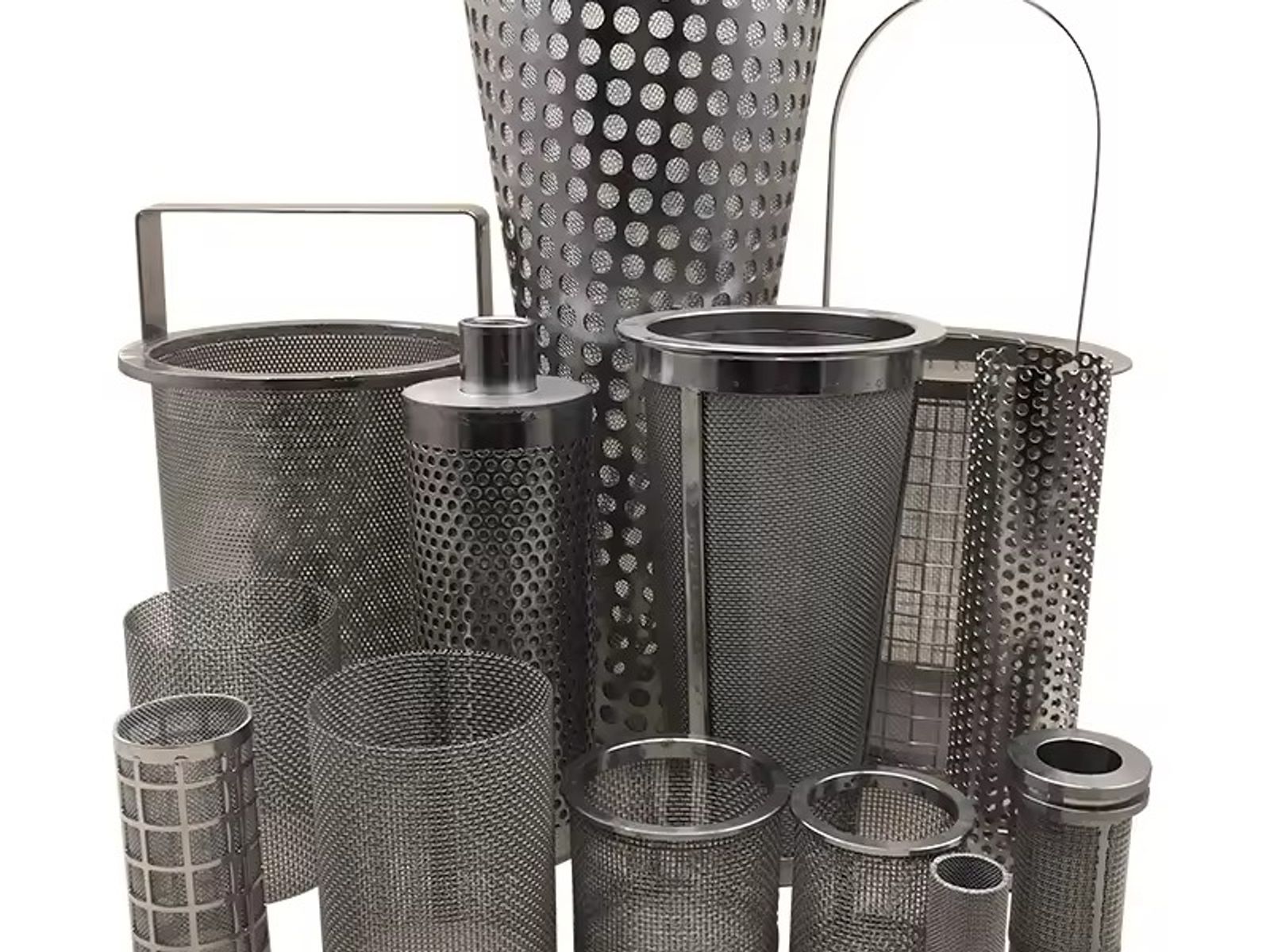
Custom fabrication isn't limited to cartridge replacements — it spans cylinders, discs, baskets, and full welded assemblies built to drawing rather than pulled from a catalog. That range matters when your project needs multiple non-standard parts from one supplier instead of separate RFQs to separate specialists.
| Custom Fabrication Type | Typical Use |
|---|---|
| Custom stainless steel screen filter parts | Mixed screen and filter RFQs |
| Custom wire mesh fabricated parts | Cut; formed; welded mesh for equipment screens |
| Stainless steel filter components | Replacement parts and OEM assemblies |
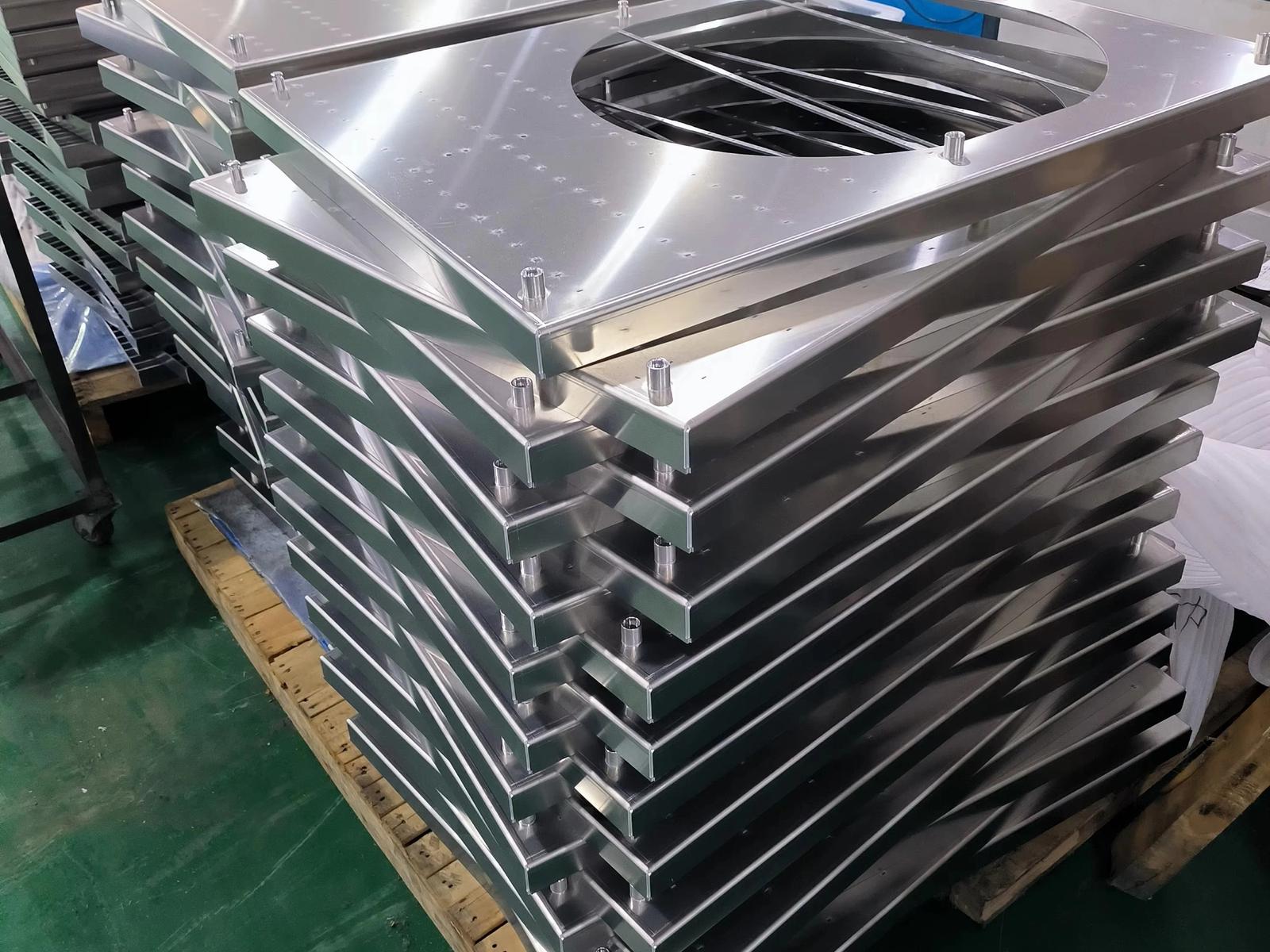
| Welded wire mesh filter assemblies | Framed filters and cartridges for OEM filtration builds |
On incoming drawing reviews, the RFQs that move fastest from quote to production aren't the ones with the most polished CAD files — they're the ones where the buyer has already confirmed material grade and filtration rating against their actual process conditions, so the engineering review only has to check fit and manufacturability, not re-derive the spec from scratch.
Material certification and dimensional traceability documentation should be part of the quote conversation before you place the order, not a request you make after receiving parts. If your project needs mill certs, inspection reports, or batch-level traceability for an audit trail, say so at the RFQ stage — it affects how the manufacturer documents the build, not just what gets shipped.
Lead time is the other variable worth confirming explicitly. Custom fabrication generally takes longer than standard catalog items because of the drawing review step, so build that into your project timeline rather than assuming custom parts ship on the same schedule as stock.
No — sample photos, marked-up PDFs, and dimension tables are enough to start. A capable fabricator can build a manufacturing drawing from those references and send it back for your approval before production begins.
PDF, DWG, and STEP are the standard formats for custom fabrication drawing review, covering everything from simple 2D dimensioned sketches to full 3D CAD models.
An engineering-reviewed quote checks your drawing for fit, manufacturability, and spec conflicts before pricing it, catching issues an automated system would just price as-is and ship regardless.
Yes, if their custom fabrication range covers cylinders, discs, baskets, and welded assemblies — bundling mixed-part RFQs with one supplier reduces the coordination overhead of managing separate specialists for each part type.
Say so explicitly at the RFQ stage — request material certificates and dimensional inspection reports up front so the manufacturer builds documentation into the production process rather than trying to reconstruct it after the parts ship.
A drawing-based custom order succeeds or fails at the review stage, before any metal gets cut — that's the value an engineering reply adds over an auto-quote.
Send your drawing, sample photos, or dimension table through KAIFIL's custom fabrication service, or reach contact directly for an engineering-reviewed quote.
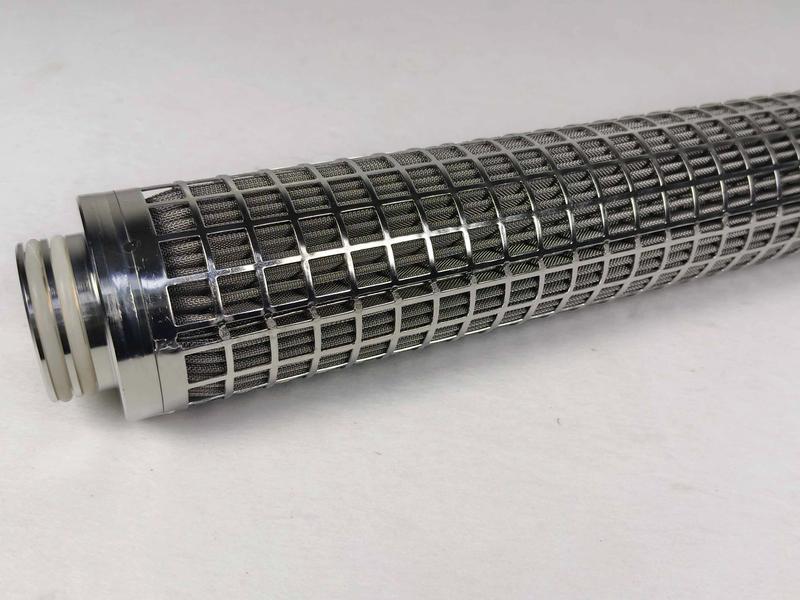
High-area pleated metal filter cartridges with custom media, end caps and seals.
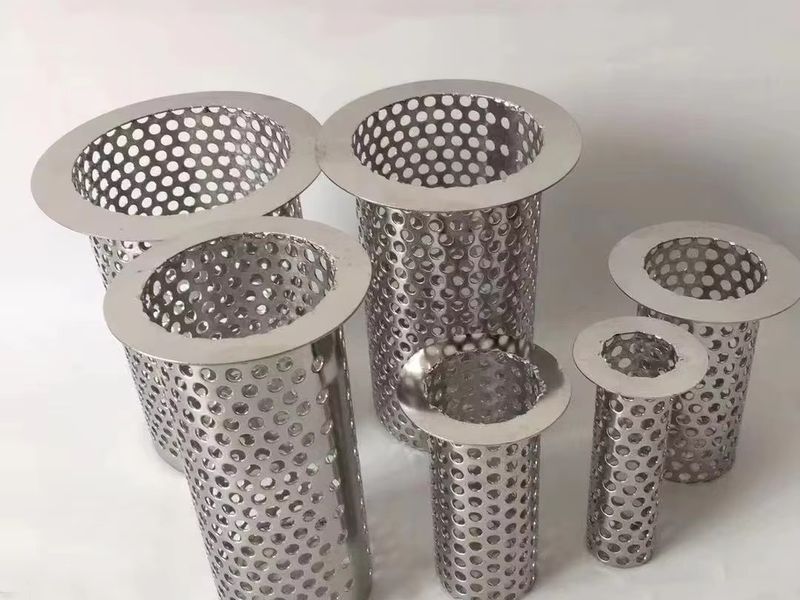
Screen filter parts / cylinders / custom inserts for mixed stainless steel screen and filter part rfqs, supplied to drawing with material, size and packing details confirmed at RFQ stage.
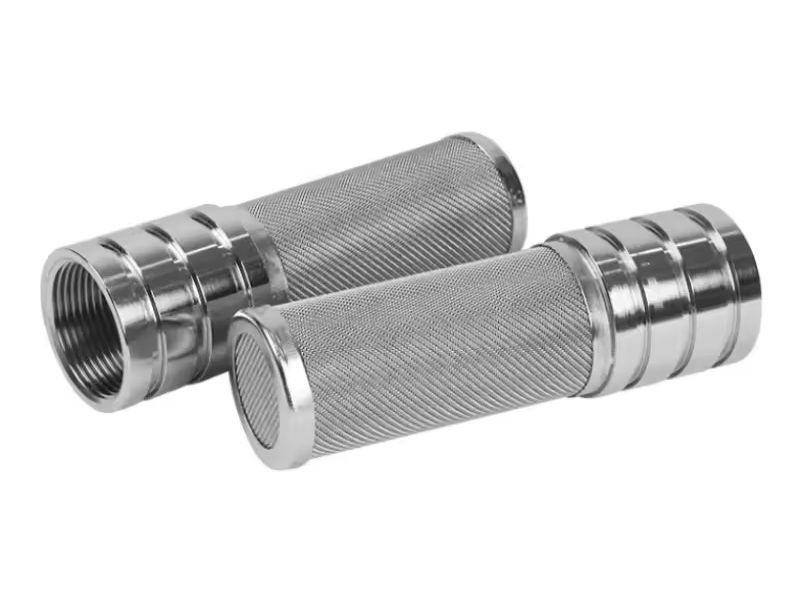
Welded assemblies / framed filters / cartridges for oem filtration assemblies and replacement parts, supplied to drawing with material, size and packing details confirmed at RFQ stage.
Send drawings, dimensions, material, environment or operating conditions, and we will help confirm the right specification.
Uploaded reference files are included with the inquiry. For larger CAD packages, reply to the confirmation email or send them here:
Our team typically replies within 24 business hours.