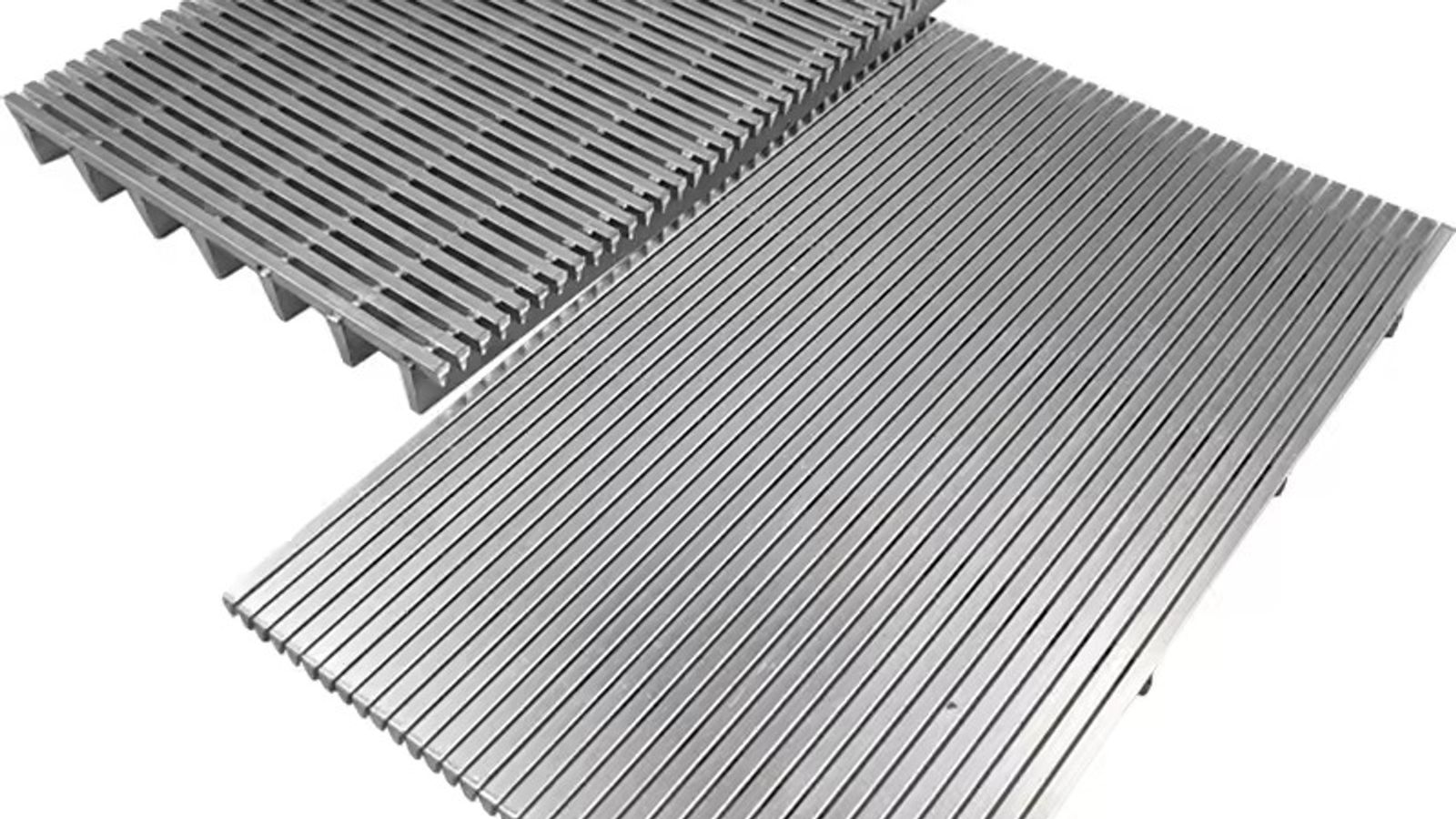
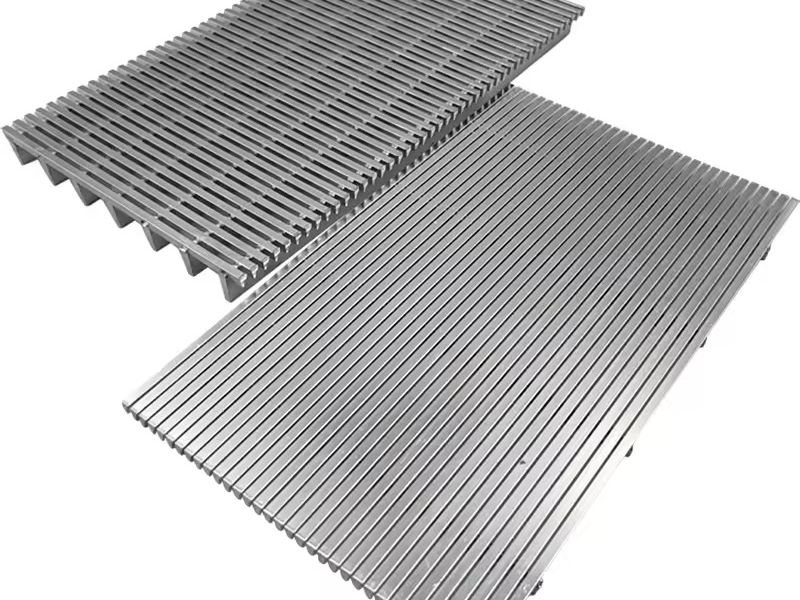
A bányászati víztelenítő réselt szitalap egy sík vagy ívelt szitafelület, amely kereszttartó rudak rácsára ellenállás-hegesztéssel rögzített V-alakú (háromszög profilú) huzalokból épül fel, folyamatos résnyílásokat képezve, amelyek jellemzően 0,1 mm és 3,0 mm közöttiek , 10–45%-os szabad felülettel a rés szélességétől és a huzalprofiltól függően. A rezgő víztelenítő szitákra, statikus ívszitákra vagy centrifugakosarakra szerelt panel leválasztja a vizet a zagytról, miközben visszatartja a megcélzott szilárd frakciót – egy megfelelően megválasztott panel jellemzően 15–25%-ra csökkenti a mosott homok nedvességtartalmát, a finomszénét pedig 15–20%-ra tömegszázalékban kifejezve. A panelek SS304, SS316/316L és duplex 2205 minőségben készülnek, hogy ellenálljanak a bányászati zagyokban megszokott koptató hatásnak és kloridexpozíciónak.
A víztelenítés általában az utolsó olyan terület, ahol egy üzem pénzt akar veszíteni, és az első hely, ahol az apró specifikációs hibák megmutatkoznak a havi mérlegben. Egy olyan szitafelület, amely a mosott homok esetében 13% helyett 16%-os nedvességtartalommal működik, hónapokon át plusz fuvarköltséget, szárítási energiát és büntető tonnákat jelent Önnek. Az ezt az eredményt meghatározó két szám a résszélessége és a nyitott felülete a víztelenítő rostélyhoz csavarozott panelnek. Ez az útmutató konkrét számadatokkal mutatja be, hogyan szabályozza ez a két paraméter a víztelenítési hatékonyságot és a szilárdanyag-visszanyerést – valamint azt, hogyan határozhatja meg őket helyesen a szénelőkészítés, a vasérc-feldolgozás, valamint a homok- és adalékanyag-finomszemcse-visszanyerés során.
Miért a számok játéka a víztelenítési hatékonyság a bányászatban
A víztelenítés egy profitközpont, amely kisegítő folyamatnak álcázza magát. A szénelőkészítéssorán minden egyes eltávolított nedvesség-százalékpont növeli a szállított termék fűtőértékét, és csökkenti a szállított energia tonnánkénti fuvarköltségét. A nehézszuszpenziós körökben ugyanez a rosta választja le a költséges magnetit közeget, mielőtt az a zagytározóba kerülne. A vasércesetében a finom koncentrátumok kötbérzáradékot vonnak maguk után a szerződéses határérték feletti nedvességtartalom miatt, így a rosta közvetlenül meghatározza az értékesíthető tonnamennyiséget. A homok- és adalékanyag- üzemekben a finomszemcse-visszanyerő rosta az egyébként zagyüledékké váló anyagot értékesíthető mesterséges homoktermékké alakítja.
Mennyiségileg egy megfelelő résszélességgel és szabad felülettel üzemelő víztelenítő szita a szilárdanyag-visszanyerést jellemzően 95% felett tartja, miközben a termék nedvességtartalmát 3–8 százalékponttal alacsonyabban tartja, mint egy rosszul megválasztott panel esetében. Ezek jellemző iparági tartományok, nem garanciák – a pontos számok a feladott anyag szemcseméret-eloszlásától (PSD), az átmenő teljesítménytől (tonna), a szita amplitúdójától és a rostalemez hosszától függenek. A vevő számára az számít, hogy mindkét mutatót két olyan specifikációs döntés határozza meg, amelyet Ön papíron hoz meg, még mielőtt a panelt összehegesztenék: a résszélesség és a szabad felület.
Ékhuzalos szita vs. szőtt drótháló: Miért győz a profilhuzal a víztelenítő rostalemezen
A bányászati víztelenítő sziták évtizedekig szőtt drótszövettel működtek, de az ékhuzalos szita – amelyet profilhuzalnak vagy Johnson-típusú szitának is neveznek – három mechanikai okból a finom víztelenítés alapértelmezett választásává vált:
- Öntisztuló résgeometria. Minden nyílás egy V alak, amely a felső felülettől az alsó felé szűkül. A résbe bejutó részecske át tud haladni rajta, a kissé túl nagy részecske pedig a profil tetején marad, és a szita mozgása lerázza. A részecskék nem tudnak beszorulni a kúpos nyílásba úgy, ahogyan a négyzetes szőtt nyílásokba záródnak be. Ez az ékhuzalos szita eltömődésgátló előnyének a lényege.
- Nincsenek kereszteződési kopáspontok. A szőtt drótháló elsősorban a lánc- és vetülékhuzalok kereszteződési pontjainál kopik, pontosan ott, ahol a szövet először tönkremegy a koptató hatású zagyban. Az ékhuzalos szitának nincsenek kereszteződései a munkafelületen – a teljes felső felület párhuzamos profilok sorozatából áll –, így a kopás egyenletes és kiszámítható.
- Stabil réspontosság. Ahogy a szőtt drótszövet kopik, a nyílásai szabálytalanul kitágulnak, és elveszíti az ellenőrzést a vágási pont felett. Az ékhuzalos panel a profil teljes magasságában megőrzi a résméretét, így a felületi kopás után is sokkal hosszabb ideig fenntartható a leválasztási teljesítmény.
Koptató igénybevétel esetén az ékhuzalos panel élettartama jellemzően 2–5× -öse a szőtt drótszövetének, mielőtt a résméretek eltérnének a specifikációtól – ez a jellemző tartomány a betáplált szemcsemérettől és koptató hatástól függően változik. A kompromisszumot a panelenkénti költség jelenti, amelyet ellensúlyoz a hosszabb élettartam és a jóval kevesebb eltömődés miatti leállás. Ha még mindig összehasonlítja a szűrőközegeket, a mi részletes útmutatónk az ékhuzalos szűrők résméretének kiválasztásához részletesebb, laboratóriumi szintű adatokkal mutatja be ugyanezt az összehasonlítást.
Résméret: A vágási pont hozzáigazítása a szemcseméret-eloszláshoz
A résszélesség az első és legfontosabb specifikáció, amelyet a betáplálási adatok, és nem a névleges terméknév alapján kell meghatározni. Az ékhuzalos panel effektív leválasztási mérete – az a szemcseméret, amely 50%-os valószínűséggel halad át, jelölése d50c – jellemzően a névleges résszélesség 0.7–1.2×-ese, a szemcsealaktól, a betáplált szilárdanyag-koncentrációtól és a szűrő mozgásától függően. Egy gyakorlati specifikációs folyamat a következőképpen néz ki:
- Végezzen laboratóriumi szitaelemzést a betáplált zagyon.
- Határozza meg a célterméket: melyik frakciónak kell fennmaradnia és melyiknek kell áthaladnia.
- Válassza ki azt a rést, amely a vágási pontot közvetlenül a cél d85 — az a méret, amely alatt a terméktömeg 85%-a található — úgy, hogy az értékesíthető termék 85–95%-a a rostafelületen maradjon.
Az alábbi táblázat tipikus kiindulópontokat mutat be a gyakori bányászati víztelenítési feladatokhoz:
| Résszélesség (mm) | Tipikus alkalmazás | Kb. vágási pont (d50c) | Hidraulikai kapacitás | Szilárdanyag-visszanyerés | Eltömődési kockázat |
|---|
| 0.2–0.3 | Finomszén (−0.5 mm); finomhomok-visszanyerés; meddővíztelenítés | 0.15–0.3 mm | Legmagasabb m²-enként | Alacsonyabb — az ultrafinom szemcsék áthaladnak | Közepes |
| 0.4–0.6 | Betonhomok; rétegrepesztő homok víztelenítése | 0.35–0.6 mm | Magas | Magas | Alacsony |
| 0.8–1.0 | Durvahomok; vasércpor; pellet alapanyag | 0.7–1.0 mm | Közepes | Nagyon magas | Nagyon alacsony |
| 1.5–3.0 | Adalékanyag-víztelenítés; túlméretes anyagok és hulladék eltávolítása | 1.2–3.0 mm | Alacsonyabb m²-enként; magas szilárdanyag-terhelés | Legmagasabb | Nagyon alacsony |
Két tönkremeneteli mód dominál. Túl kicsi rés azt jelenti, hogy a panel eltömődik, a kapacitás összeomlik, és a víz felgyülemlik a rostafelületen – az eltávolítani kívánt nedvesség végül a termékben köt ki, mert a víz soha nem hagyja el az anyagágyat. Túl nagy rés azt jelenti, hogy a termék áthullik a rostafelületen és az alulfolyásba kerül, csendben csökkentve a kihozatalt, miközben a víztelenítés jónak tűnik. Mindkét hiba gyakori, és mindkettő elkerülhető egyetlen betáplálási szitaelemzéssel.
Szabad felület: A hidraulikai kapacitást és a végső nedvességtartalmat meghatározó szabályozókar
Ha a résszélesség dönti el, hogy mi marad a rostafelületen, a szabad felület dönti el, milyen gyorsan tud átjutni rajta a víz. A szabad felület a panel felületének azon százaléka, amely nyitott rést alkot, és egy sík ékhuzalos panel esetében a következőképpen közelíthető meg:
Szabad felület (%) ≈ résszélesség ÷ (résszélesség + huzal felső szélessége) × 100
Kidolgozott példa: egy 0.5 mm -es rés egy panelen, 1.5 mm -es huzalfejjel 25% szabad felületet eredményez; ha a huzalfejet 2.0 mm -re szélesítjük, a szabad felület 20% -ra csökken ugyanazon résméret mellett. A huzalfej szélessége ezért a második beállítási paraméter a paneltervezésben — a szabad felület nem módosítható a rés vagy a profil megváltoztatása nélkül.
A hidraulikus áteresztőképesség megközelítőleg lineárisan arányos a szabad felülettel egy adott résszélesség mellett. A gyakorlatban a szabad felület nagyjából 15%-ról 30%-ra történő növelése megközelítőleg megduplázhatja a panel által átengedett vízmennyiséget, és több százalékponttal csökkentheti az alsó kifolyás nedvességtartalmát. Ez a legerősebb egyedi eszköz egy nedvességtartalom-célt követő üzem számára – feltéve, hogy ezt a panel tönkretétele nélkül alkalmazzák.
A szabad felületnek azonban ára van. A vékonyabb huzalfejek kevesebb fémet jelentenek a kopás elnyelésére, és kisebb merevséget a rezgési fáradással szembeni ellenálláshoz, így a rendkívül koptató hatású alkalmazásokban a helyes megoldás gyakran a mérsékelt szabad felület szélesebb huzalfejjel, nem pedig a rendelkezésre álló maximális szabad felület. Ez az ékhuzalos szita tervezésének központi dilemmája: a kapacitás szabad felületet igényel, az élettartam fémet. Egy jó beszállító mindkettőt modellezi az Ön betáplálási és a szita rezgési paraméterei alapján. A ékhuzalos szitapanelek termékoldala felsorolja a raktárról elérhető szabványos rés- és profilkombinációkat.
SS304, SS316 vagy Duplex 2205? Anyagválasztás és kopásálló tervezés
A bányászati víztelenítés során az anyagválasztás a korrózió és a kopás közötti kompromisszum, és a rossz döntés már az első évben pontkorrózió, réstágulás vagy hegesztési hiba formájában jelentkezik. A három szabványos minőségi osztály lefedi a reális tartományt:
| Tulajdonság | SS304 | SS316 / 316L | Duplex 2205 |
|---|
| Jellemző folyáshatár | ~205 MPa | ~205 MPa | ~450 MPa |
| Kopásállóság | Jó – ütésre felkeményedik | Jó | Jobb – nagyobb keménység; gyorsabb felkeményedés |
| Klorid- / pontkorrózió-ellenállás | Mérsékelt | Jó – Mo-adalék | Kiváló – PREN ≥ 35 |
| Jellemző költség a 304-eshez képest | Bázis | +15–25% | +60–100% |
| Legjobb alkalmazás | Száraz vagy enyhén nedves koptató zagy | Nedves zagy mérsékelt kloridtartalommal | Koptató + kloridos + savas vagy magas hőmérsékletű üzem |
A gyakorlati szabály egy víztelenítő kör esetében:
- SS304 a költséghatékony alapértelmezett választás száraz vagy enyhén nedves koptató igénybevételre, ahol a klorid nem tényező – számos szén- és adalékanyag-feldolgozó üzem évekig használja probléma nélkül.
- SS316/316L molibdént tartalmaz a klorid- és lyukkorrózió-állóság érdekében, és ez a biztonságos minimum a félsós technológiai vizek, a sós meddők vagy a tengerparti helyszínek esetében.
- Duplex 2205 megszolgálja a felárát mindenütt, ahol a koptató hatás és a klorid egyszerre jelentkezik, vagy ahol a panelnek meg kell őriznie merevségét erős rezgés és fárasztó igénybevétel mellett. Körülbelül 2,2-szeres folyáshatára a 304-eshez képest azt jelenti, hogy a profil ellenáll a deformációnak – a deformálódott profil pedig kitágult rést jelent.
A kopásálló kialakítás túlmutat az anyagminőségen. A szélesebb huzalfejek, az edzett profilok, a megerősített élvédelem és a megfelelő tartórúd-távolság mind meghosszabbítják a panel élettartamát homok- és vasérc-alkalmazásokban. Ha egyedi geometriát rendel, a egyedi ékhuzalos szitaalkatrészek oldal ismerteti azokat a méret- és profilopciókat, amelyek az Ön rostarács-rajza alapján legyárthatók.
Panelméretek, profilhuzal és illeszkedés a járatos víztelenítő szitákhoz
A standard ékhuzalos panelmodulok a járatos szitarács-modulok köré épülnek – a jellemző méretek közé tartoznak a következők: 610 × 305 mm, 1220 × 305 mm, valamint 1220 × 610 mm – de a bányászati rostarácsok ritkán teljesen szabványosak. A profilhuzalok felső szélessége jellemzően a következő tartományba esik: 1,5 mm-től 3,0 mm-ig, a tartórudak pedig 4 mm és 8 mm közötti átmérővel, és a rés/tartóprofil tájolásának meg kell egyeznie az Ön OEM szűrőjének rögzítési elrendezésével.
Két részletet könnyű figyelmen kívül hagyni:
- Tájolás. A réseknek az anyagáramláshoz képest megfelelő irányba kell futniuk. A helytelen tájolás csökkenti a kapacitást és felgyorsítja a kopást, és ez mindaddig láthatatlan marad, amíg a szitaszerkezetet be nem építik.
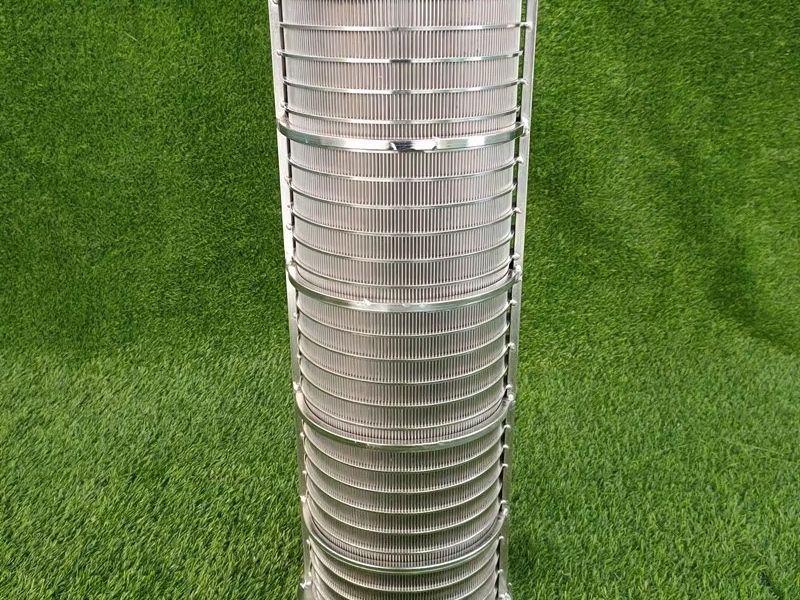
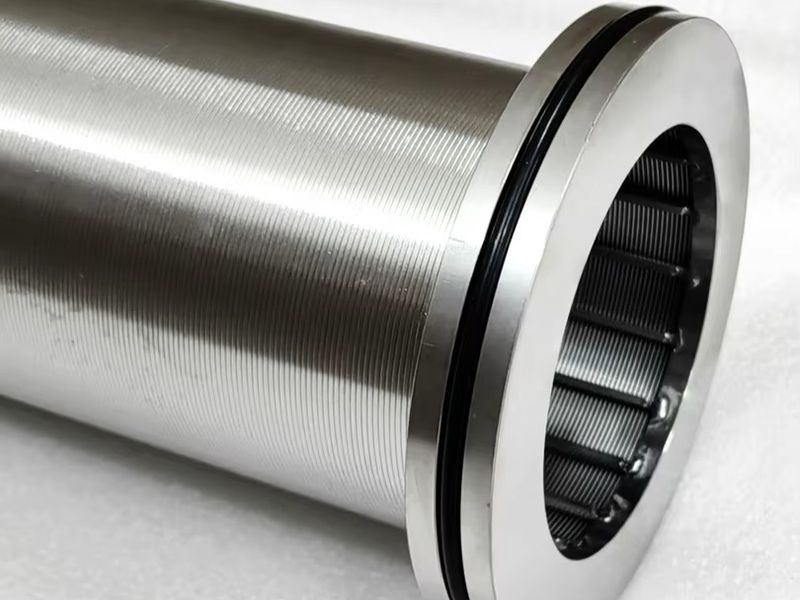
- Íves panelek. Az ívsziták és a DSM-rendszerű víztelenítő fokozatok olyan íves ékhuzalos paneleket használnak, amelyek sugarának és nyílásszögének meg kell egyeznie a gépével. Ezzel szemben a centrifugás víztelenítés hengeres ékhuzalos szűrőhengereken üzemel , ahol a kerület mentén ugyanaz a rés- és szabadfelület-logika érvényes.
Utólagos beépítés vagy bővítés esetén a meglévő szitaszerkezet méretei és a rögzítési rendszer határozzák meg a befoglaló méreteket – a legtöbb gyártó, beleértve a KAIFIL-t is, az Ön rajza alapján gyárt. Ha szeretne teljes képet kapni arról, hogyan működik valójában a résgeometria ezekben a gépekben, lásd: hogyan működnek a Johnson-típusú ékhuzalos szűrők.
Öt gyakori kiválasztási hiba, amely termékveszteséget és állásidőt okoz
- A mesh-szám közvetlen átszámítása résszélességre. A szőtt „40 mesh” nyílásméret nem egyenlő egy 0,4 mm-es ékhuzal résszélességgel — az áramlási viselkedés és a leválasztási határ eltérő. A résszélességet mindig a betáplált anyag szemcseméret-eloszlásából (PSD) határozza meg újra, soha ne egy átváltási táblázatból.
- Csak a résszélesség megadása, a szabad felület figyelmen kívül hagyásával. Két 0,5 mm-es panel szabad felülete akár 10 százalékponttal is eltérhet, ami döntő lehet a megcélzott nedvességtartalom elérése vagy elvétése szempontjából. Mindig adja meg mindkettőt.
- A résszélesség túlméretezése a nagyobb kapacitás érdekében. Egy valamivel szélesebb rés nagyobb átmenő teljesítménynek tűnhet, amíg le nem méri a szitafelületen átjutó finom szemcséket. A kihozatali veszteségek általában többe kerülnek, mint a kapacitásnövekedésből származó haszon.
- A résszélesség alulméretezése a jobb kihozatal érdekében. A panel eltömődik, a kapacitás összeomlik, a gép pedig folyamatos karbantartást igényel.
- A kloridtartalom figyelmen kívül hagyása az anyagminőség kiválasztásakor. Az SS304 anyagminőség egy félsós vizes víztelenítő körben jóval azelőtt pontkorróziót szenved, hogy a rés elkopna. Igazítsa az anyagminőséget a víz kémiájához.
- A panel tájolásának találomra történő meghatározása. Hegesztés előtt ellenőrizze a résirányt a rajzon szereplő anyagáramláshoz képest.
- A betáplálás ingadozásának figyelmen kívül hagyása. Ha az üzem PSD-je a robbantási mintázattal vagy a lemosási gyakorlattal ingadozik, a rést a legrosszabb esetre határozza meg, ne az átlagra.
GYIK
Milyen résméretet válasszak a finomszén víztelenítéséhez? Finomszén (−0,5 mm-es betáplálás) esetén a 0,3–0,5 mm rés a jellemző kiindulási tartomány. A helyes érték a betáplálás szemcseméret-eloszlásától és a megcélzott választóhatártól (d50c) függ, amely jellemzően a résszélesség 0,7–1,2-szerese — végezzen laboratóriumi szitaelemzést, és a választóhatárt a megcélzott d85 alá helyezze.
Milyen szabad felületre számíthatok egy víztelenítő panel esetében? A jellemző ékhuzalos panelek 10–45% szabad felület. A 0,2–0,3 mm körüli finom rések általában az alsó határértéknél mozognak, míg a keskeny huzalfejjel rendelkező durva rések elérik a 40%+-ot. A szabad felületet a résszélesség ÷ (résszélesség + huzalfej-szélesség) képlettel közelítik meg, így azt a profilgeometria éppúgy meghatározza, mint maga a rés.
Jobb a profilhuzal, mint a szőtt drótháló a víztelenítő szitákhoz? Finom víztelenítéshez általában igen. A V-alakú rések öntisztulók és ellenállnak az eltömődésnek, nincsenek kereszteződési kopáspontok, és a réspontosság megmarad a felület kopása során is. Abrazív zagyban egy profilhuzalos panel jellemzően a szőtt szövet élettartamát 2–5×-szeresen múlja felül, bár a kezdeti költség magasabb.
SS304, SS316 vagy 2205 — melyik minőségre van szükségem? Használjon SS304 száraz vagy enyhén nedves koptató igénybevételhez, SS316/316L ahol klorid vagy félsós víz van jelen, és duplex 2205 ott, ahol a kopás és a kloridok együttesen jelentkeznek, vagy ahol a panelnek ellen kell állnia a fáradásos deformációnak erős rezgés mellett. A 2205 nagyjából 2,2-szeres folyáshatárt biztosít a 304-eshez képest.
Képes a KAIFIL egyedi panelméreteket gyártani az OEM víztelenítő szitámhoz? Igen. A KAIFIL ékprofilú huzalpaneleket és egyedi gyártású drótháló alkatrészeket gyárt az Ön rostaszerkezeti rajza alapján — küldje el a panel méreteit, a rögzítési elrendezést, a résszélességet, a szabad felületet és az anyagminőséget, és a mérnökcsapat a gyártás előtt ellenőrzi az illeszkedést. Ha szeretne átfogóbb képet kapni arról, hogy hol használják ezeket a paneleket, tekintse meg a KAIFIL bányászati és adalékanyag-osztályozási alkalmazási áttekintőjét.
Szerezze be a megfelelő panelt víztelenítő rendszeréhez
A víztelenítés hatékonysága nem szerencse kérdése — ez két olyan számtól függ, amelyet Ön határoz meg a rajzon: a résszélességtől és a szabad felülettől. Ha ezeket helyesen adja meg, a szita 95% feletti kihozatalt biztosít, a nedvességtartalom pedig a szerződésben előírt szinten marad; ha elhibázza őket, az üzem minden egyes üzemnapon megfizeti a hiba árát. A helyes specifikáció gyors és alacsony kockázatú módja, ha elküldi a betáplált anyag szitaelemzését és a szitaszerkezet méreteit a Shijiazhuangban (Kína) működő KAIFIL csapatának. Mi gyártjuk a SS304, SS316 és duplex 2205 ékhuzalos szitapanelek 0,1 mm-től kezdődő réstágassággal és akár 45%-os szabad felülettel, OEM rostasíkokhoz vagy egyedi rajzok alapján gyártva. Lépjen kapcsolatba a kaifil vállalattal még ma ingyenes árajánlatért és gyártás előtti mintákért — az elemzés semmibe sem kerül, és a számok, amelyeket megvéd, minden egyes Ön által szállított tonnánál megmutatkoznak.