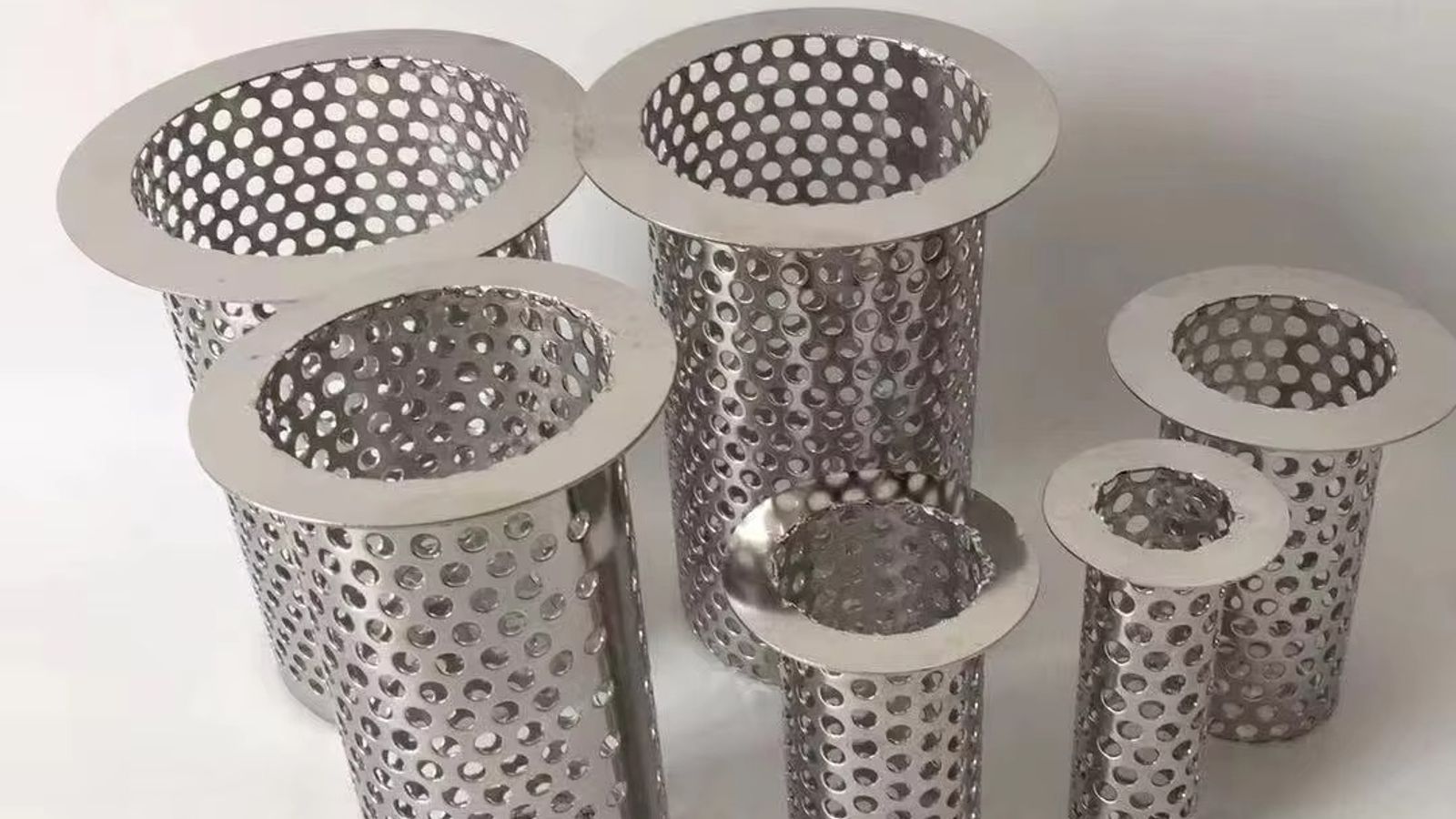
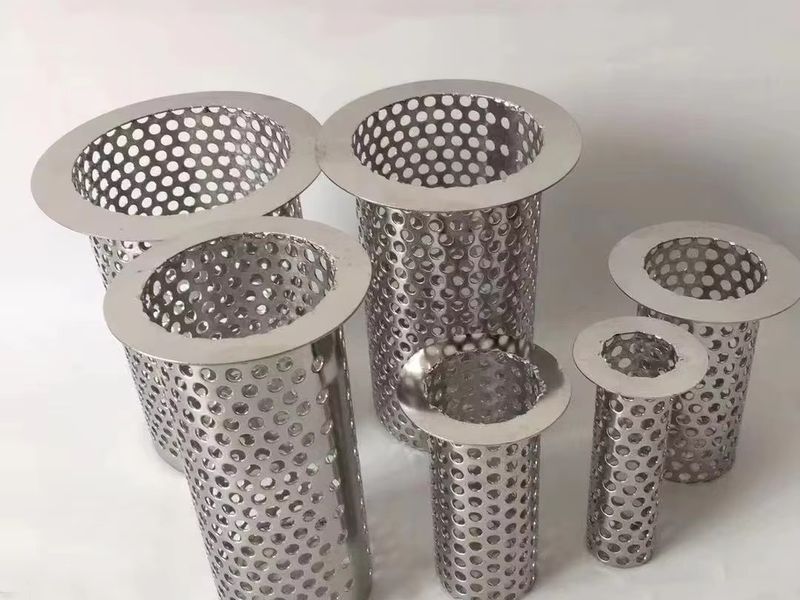
Yedek bir paslanmaz çelik filtre kartuşu, orijinal ithal elemanla aynı boyutsal, malzeme ve performans özelliklerine göre üretilmiş, alıcıların gövdeleri, borulamayı veya proses parametrelerini değiştirmeden daha düşük maliyetle filtrasyon kalitesini korumasını sağlayan doğrudan uyumlu bir muadildir. İthal kartuşlar genellikle iyi tanımlanmış özellik aralıklarına sahiptir: yaklaşık 60–152 mm (2.4–6 in) dış çaplar, 25–70 mm iç çaplar, 254, 508 ve 762 mm (10, 20 ve 30 in, artı standart dışı özel boyutlar) standart toplam uzunluklar, 1 ila 100 µm arası mikron dereceleri, DOE (çift ucu açık), SOE (tek ucu açık) ve 222/226/228 kanatçık tipleri gibi uç kapak konfigürasyonları, EPDM'den Viton/FKM'ye kadar değişen conta malzemeleri, kritik boyutlarda ±0.5 mm veya daha iyi işleme toleransları ve filtre medyasına ve yapıya bağlı olarak genellikle 10–50 bar seviyesinde doğrulanan patlama basıncı değerleri. Doğru şekilde eşleştirilmiş bir yedek parça, filtrasyonu etkileyen her açıdan orijinaliyle birbirinin yerine kullanılabilir: aynı gövdeye oturur, aynı conta yüzeyinde sızdırmazlık sağlar, aynı partikül boyutu eğrisini geçer ve aynı akış hızı ile basınç düşüşünü sunar. Bu kılavuz, eşleştirilmesi gereken her bir özelliği, mevcut bir elemanın nasıl ölçüleceğini ve prosesinize girmeden önce bir yedek parçanın nasıl doğrulanacağını adım adım açıklamaktadır.
Şirketler İthal Filtre Kartuşlarını Neden Değiştirir?
Maliyet genellikle ilk tetikleyicidir. Özel üretim paslanmaz çelik filtre kartuşları genellikle eşdeğer ithal OEM elemanına göre %30–50 daha düşük maliyetlidir ve yüksek hacimli SKU'larda, çoklu kartuş gövdelerinde ve büyük partiler halinde sipariş edilen elemanlarda bu fark daha da açılır. Yedek parça bir distribütörün fiyat listesinden satın alınmak yerine teknik resim veya numuneye göre işlendiğinden, fabrika ile alıcı arasında marka primi ve kâr marjı zinciri bulunmaz.
Teslim süresi ikincisidir. Bir ithalat siparişinin yedek parçaların deponuza girmesinden önce — fabrika teslim süresi artı deniz navlunu artı gümrükleme dahil — 10–16 hafta sürmesi mümkündür. Teknik resim veya kullanılmış bir numuneden çalışan özel bir imalatçı genellikle 3–6 hafta içinde teslimat yapabilir ve bir gövde devre dışı kaldığında acil hızlandırılmış üretimler mümkündür. 7/24 filtrasyon görevi yürüten bir tesis için, gelecek ay temin edilebilecek bir filtre ile gelecek çeyrekte temin edilebilecek bir filtre arasındaki fark, genellikle planlı bir değişim ile plansız bir duruş arasındaki farktır.
Tedarik güvenliği üçüncüsüdür. Tek bir denizaşırı OEM'e güvenmek, sizi markanın üretimi durdurması, minimum sipariş miktarları, kur dalgalanmaları ve lojistik aksamalarına karşı savunmasız bırakır. OEM bir parça numarasını değiştirdiğinde veya bir ürün hattını desteklemeyi bıraktığında, gövdeniz yedek parça kaynağı olmadan ortada kalabilir. Yerel bir özel imalatçı bu bağımlılığı ortadan kaldırır: teknik resim sizin varlığınız haline gelir ve yetkin herhangi bir atölye bu elemanı süresiz olarak yeniden üretebilir.
Bir de performans boyutu vardır. Yedek bir eleman sadece orijinalini kopyalamakla sınırlı değildir; filtre medyası yapısı daha uzun hizmet ömrü, daha düşük basınç düşüşü veya daha iyi temizlenebilirlik için ayarlanabilir, bu nedenle bazı alıcılar ithal parça hala mevcut olsa bile özel tasarım muadillere geçiş yaparlar.
Gerçek Bir Birebir Muadil İçin Nelerin Eşleşmesi Gerekir?
"Neredeyse uyan" bir filtre kartuşu, baypas eden, sızdıran veya tıkanan bir filtre kartuşudur. Elemanın %100 gerçek bir yedek parça olabilmesi için aşağıdaki özelliklerin her birinin eşleşmesi gerekir.
1. Toplam Uzunluk
Oturma uzunluğu, elemanın gövde içinde nasıl sıkıştırılacağını veya konumlandırılacağını belirler. Çoğu ithal kartuş 254, 508 veya 762 mm (10, 20 veya 30 in) nominal uzunluklar kullanır, ancak nominal uzunluk oturma uzunluğu değildir; birkaç milimetre fazla uzun olan bir kartuş yerine oturmaz, çok kısa olan bir kartuş ise basınç altında hareket ederek sızdırmazlığını kaybeder. Herhangi bir uç kapak, adaptör veya uzatma kuyruğu dahil olmak üzere gerçek oturma uzunluğunu ölçün ve orijinal üreticinin çalıştığı toleransı (genellikle ±1 mm veya daha sıkı) kaydedin. Eleman gövde içinde yaylı ise, çalışma sıkışma aralığı serbest uzunluk kadar önemlidir.
2. Dış Çap ve İç Çap
Dış çap (OD), gövde deliğinden kurtulmalı ve serbestçe içeri kaymalıdır — tipik değerler 60–152 mm arasındadır — iç çap (ID) ise sıkışma yapmadan gövdenin merkez miline, çekirdeğine veya dişli adaptörüne oturmalıdır. OD'yi kanatçıklar, O-ringler veya kapaklar dahil en geniş noktadan, ID'yi ise en dar noktadan ölçün. ID'deki 2 mm'lik bir hata, çekirdeğe oturan bir kartuş ile yarı yolda sıkışan bir kartuş arasındaki fark olabilir.
3. Uç Kapak Tipi
Uç kapakları, eleman ile gövde arasındaki arayüzdür ve az sayıda standart konfigürasyonda sunulurlar. Bu kısmın yanlış seçilmesi, "yeni kartuş uymuyor" sorununun en yaygın nedenidir.
| Özellik | DOE (Çift Ucu Açık) | SOE (Tek Ucu Açık) |
|---|
| Yapı | Her iki uç da açık; akış duvardan geçer ve her iki uçtan dışarı çıkar | Bir uç kapalı; akış yalnızca açık uçtan girer |
| Sızdırmazlık | Her iki uçta sızdırmazlık sağlar; genellikle her uçta contalar veya O-ringler ile | Gövde kafasına karşı açık uçta sızdırmazlık sağlar |
| Gövdeye uyum | Çoklu kartuşlu bir kapta yaylı bir sızdırmazlık plakası veya merkez mili üzerine oturur | Dişli bir kafaya veya bayonet adaptörüne vidalanır veya buna kilitlenir |
| Conta sayısı | İki conta/O-ring (üst ve alt) — her ikisi de eşleşmelidir | Bir conta; genellikle bir 222/226/228 kanatçık ile birleştirilir |
| Tipik kullanım | Çoklu kartuşlu filtre kapları; genel endüstriyel kullanım | Tek kartuşlu sıhhi ve proses gövdeleri |
| Uyuşmazlık durumunda yaygın arıza | Her iki uç kapağında da baypas sızıntısı | Eleman kilitlenmez veya kafa sızdırmazlık sağlamaz |
DOE ve SOE'nin ötesinde, ithal edilen birçok kartuş kanatçık tipi uç kullanır: 222, 226 ve 228 tanımlamaları, milimetre cinsinden kanatçık dış çapını (sırasıyla yaklaşık 70 mm, 68 mm ve 78 mm) ve elemanı gövde kafasına kilitleyen bayonet yuvası geometrisini ifade eder. Kanatçık dış çapı (OD), yuva derinliği ve adaptör dişi varsayılmamalı, tamamı ölçülmelidir.
4. Contalar ve O-ringler
Conta, asıl sızdırmazlık elemanıdır ve hem boyut hem de malzeme ile tanımlanır. Boyut işin kolay kısmıdır: conta kanalı çapını, conta kesitini ve düz bir conta mı, kalıplanmış bir O-ring mi yoksa bir T-conta mı olduğunu ölçün. Hataların en çok yapıldığı yer malzemedir, çünkü bileşimin proses sıvısına ve sıcaklığına dayanması gerekir. EPDM sıcak su, buhar ve birçok kimyasalla başa çıkabilir; Viton/FKM daha yüksek sıcaklıklarda yağlara, yakıtlara ve asitlere karşı dirençlidir; NBR (Buna-N) genel amaçlı bir hidrokarbon kauçuktur; PTFE ve PTFE kaplı contalar neredeyse evrensel bir kimyasal direnç sunar ancak dikkatli yuva tasarımı gerektirir. Bileşimi çalışma koşullarına uydurmak, çapı uydurmak kadar önemlidir — hidrokarbon uygulamasında kullanılan bir EPDM conta birkaç hafta içinde şişecek, sertleşecek ve baypas sızıntısına yol açacaktır.
5. Mikron Derecesi
Mikron derecesi, elemanın tuttuğu partikül boyutudur ve genellikle ya nominal veya mutlakolarak ifade edilir. Nominal dereceler genellikle belirli bir partikül boyutundaki verimlilik olarak ifade edilir (örneğin, 10 µm'de %90–98 giderim) ve üreticiler arasında farklılık gösterir; mutlak dereceler ise tanımlanmış bir verimliliğe (genellikle %99,98) göre test edilir ve daha tekrarlanabilirdir. İthal bir kartuşu eşleştirirken, dereceye ve ve test edildiği standarda ihtiyacınız vardır, çünkü bir markanın "10 µm" elemanı başka bir markanın "10 µm" elemanına mutlaka eşdeğer değildir. Kritik proses filtrasyonu için, kabarcık noktası doğrulamasına sahip mutlak bir derece daha güvenli bir kriterdir.
6. Filtre Medyası ve Yapısı
Medya, filtrelemeyi fiilen gerçekleştiren kısımdır; yapı ise basınç düşüşünü, mukavemeti, temizlenebilirliği ve ömrü belirler. Üç geniş aile mevcuttur:
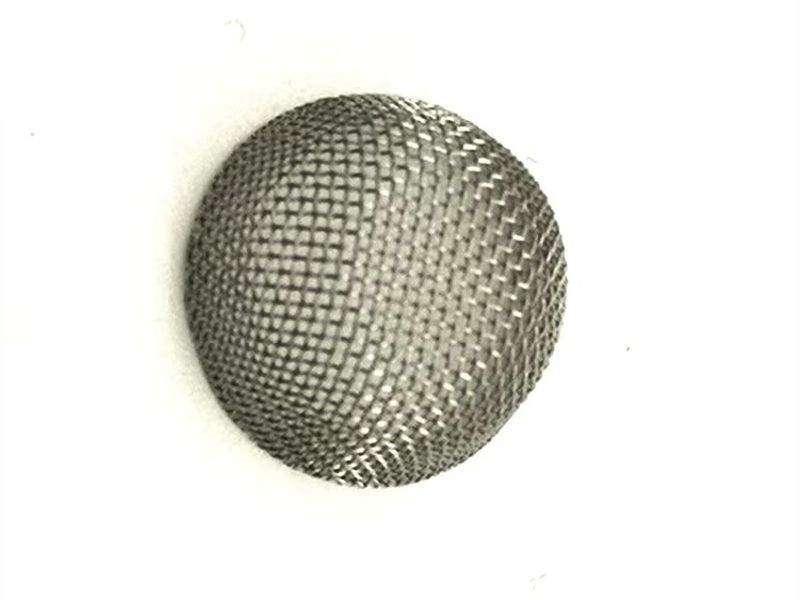
- Dokuma tel örgü — kaba süzme için düz dokuma, tek haneli mikronlara kadar hassas filtrasyon için hollandız dokuma. Güçlü, temizlenebilir ve tekrarlanabilirdir, ancak gözenek boyutunu mesh sayısı ve tel çapı belirler.
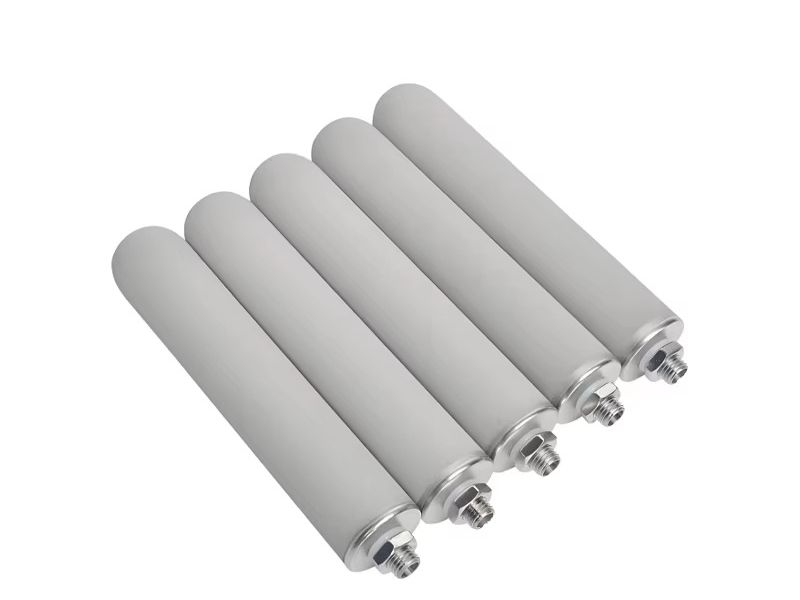
- Sinterlenmiş tel örgü — ince ve kararlı gözenek yapısıyla yüksek mukavemet sağlayan, ısı ve basınçla sert bir levha halinde birleştirilmiş çok sayıda dokuma tel örgü katmanı. Yüksek sıcaklık ve yüksek basınç uygulamalarında yaygındır.
- Pileli filtre medyası — belirli bir boyutta kir tutma kapasitesini ve akışı en üst düzeye çıkarmak için kompakt bir kartuş halinde katlanmış geniş bir filtre medyası alanı. Pile sayısı, pile derinliği ve destek teli örgüsü performansı etkiler.
Filtre medyasının tipini eşleştirmek, markayı eşleştirmekten daha önemlidir. Dokuma tel örgüden yapılmış orijinal bir elemanın yerine kullanılacak pileli bir yedek eleman, aynı mikron derecesinde bile farklı bir basınç düşüş eğrisine sahip olacaktır; pileli bir elemanın yerine kullanılacak sinterlenmiş bir yedek eleman daha güçlü olacaktır ancak daha az kir tutabilir.
7. Akış Hızı ve Basınç Düşüşü
Akış hızı ve temiz basınç düşüşü, çalışma sınırlarını belirler. Gövde ve pompa, orijinal elemanın direncine göre boyutlandırılmıştır; bu nedenle yedek eleman, tasarım akışında orijinal elemanın temiz basınç düşüşünün yaklaşık ±%10'u dahilinde olmalıdır. Basınç düşüşü; filtre medyası alanının, gözenek boyutunun ve eleman çapının bir fonksiyonudur — bu nedenle önceki bölümlerdeki OD ve filtre medyası yapısı doğrudan bu bölümü etkiler. Bir üretici filtre medyasını "yükseltmeyi" teklif ederse, kabul etmeden önce basınç düşüş eğrisini isteyin.
8. Sıcaklık ve Kimyasal Uyumluluk
Son olarak, komple eleman — filtre medyası, kapaklar ve contalar — proses koşullarına dayanmalıdır. Sinterlenmiş ve dokuma paslanmaz çelik filtre medyaları, 400°C'ye kadar sıcaklıklara ve esasen çeliğin kendisinin dayanabildiği her türlü akışkana tolerans gösterir, ancak contalar ve tüm polimer bileşenler gerçek sınırları belirler. Bilgi etiketindeki maksimum çalışma sıcaklığını ve basıncını not edin ve her bir malzemeyi akışkana karşı kontrol edin. Orijinal eleman buharla sterilize edilen sıhhi bir hatta monte edilmişse, yedek eleman sadece tek bir geçişe değil, tekrarlanan buhar döngülerine dayanmalıdır.
Mevcut Bir Kartuş Adım Adım Nasıl Ölçülür?
Elinizde kullanılmış bir eleman varsa, dikkatli bir ölçüm çalışması bir saatten az sürer ve bir imalatçının ihtiyaç duyduğu her şeyi sağlar. Kumpas ve verniyeli veya dijital mikrometre, toplam uzunluk için çelik cetvel ve dişli bağlantılar için bir diş mastarı veya eski adaptörün kendisini kullanın.
- Kartuşu düz bir şekilde yatırın ve toplam uzunluğu kaydedin - kanatçıklar, kuyruklar ve adaptörler dahil olmak üzere bir uç kapağının en dış yüzeyinden diğerine kadar. Farklı dönüş açılarında üç ölçüm alın ve bunların ortalamasını alın.
- Dış çapı ölçün en geniş noktada —genellikle bir kanatçık veya contada— ve tekrar gövdede. Her ikisini de kaydedin; gövde OD değeri ile maksimum OD değeri, her ikisi de önem taşıyan farklı sayılardır.
- İç çapı ölçün her iki uçta. Çekirdeğin perfore metal bir boru, tel örgü sargı veya açık bir akış kanalı olup olmadığını not edin.
- Uç kapağı tipini belirleyin. Bir uç açık mı, her iki uç açık mı yoksa kapalı bir kubbe mi var? Varsa bayonet yuvalarını, kanatçıkları veya dişleri not edin; kanatçık çapını ve yuva derinliğini ölçün.
- Bir contayı çıkarın ve inceleyin. OD, ID ve kesitini ölçün; düz, yuvarlak veya T şeklinde olup olmadığını not edin. Malzeme üzerinde bir işaret yoksa, bir laboratuvar tanımlaması (FTIR) polimeri doğrulayabilir.
- Filtre medyası pileli ise pileleri sayın, ve pile derinliğini ölçün. Tel örgü filtre medyası için, okuyabiliyorsanız gözenek sayısını ve tel çapını kaydedin veya yüzeyi büyüterek fotoğraflayın.
- Her şeyi fotoğraflayın — uç kapakları, contalar, adaptörler, isim plakası ve ölçek için elemanın yanına yerleştirilmiş bir cetvel. Fotoğraflar, yazılı her türlü açıklamadan daha fazla anlaşmazlığı çözer.
- Çalışma verilerini doldurun: mikron değeri, maksimum sıcaklık, maksimum basınç, debi ve akışkan tipi. Bu, bir imalatçının numuneden ölçemeyeceği bilgidir.
Eleman hasarlı veya aşırı kirlenmişse, ölçüm yapmadan önce temizleyin — kirlenmiş bir kartuş gerçek boyutundan birkaç milimetre daha geniş olabilir ve bükülmüş bir uç kapağı yanlış uzunluk değerleri verecektir.
İsim Plakası Nasıl Okunur
İthal edilen birçok kartuş, teknik özelliklerin çoğunu kodlayan metal bir isim plakası veya lazerle kazınmış bir işaret taşır. Tipik alanlar şunlardır: üretici ve model serisi; basamakları genellikle uzunluğu, uç kapağını, contayı ve mikronu kodlayan bir parça numarası; bir mikron değeri (örneğin, "10 µm" veya "ABS 5"); bir tarih kodu veya parti numarası; ve maksimum çalışma sıcaklığı ile basıncı. Parça numarası, en değerli tek alandır — OEM'in parça listesini veya bir çapraz referans tablosunu elde edebilirseniz, kod genellikle herhangi bir sökme işlemi yapılmadan tam teknik özelliklere dönüştürülebilir. İsim plakasını tüm cevap olarak değil, bir başlangıç noktası olarak kabul edin: boyutları fiziksel olarak doğrulayın, çünkü aynı parça numarası yıllar içinde birden fazla üretici tarafından farklı uç kapağı konfigürasyonlarında sevk edilmiş olabilir.
Çizim vs. Numune Üzerinden Tersine Mühendislik
Orijinal teknik özellikleri özel bir imalatçıya iletmenin iki yolu vardır ve doğru seçim elinizde ne olduğuna bağlıdır.
- Çizimden: en güvenilir yoldur ve QA için en temiz olanıdır. Boyutsal bir çizim — tüm kritik boyutların belirtildiği bir el taslağı bile olsa — toleranslar hakkındaki tahminleri ortadan kaldırır ve imalatçının bitmiş elemanı sabit bir belgeye göre kontrol etmesini sağlar. Eğer OEM boyutsal bir teknik resim sağladıysa veya mühendislik ekibiniz bir tane oluşturabiliyorsa, tercih edilen yöntem budur. Bu aynı zamanda üretimden önce bir muayene raporu üzerinde anlaşmaya varılmasının da temelini oluşturur.
- Numuneden: teknik resim bulunmadığında, kullanılmış bir eleman üreticiye gönderilir; üretici de iç yapıyı (medya katmanları, destek teli, uç kapak kaynakları ve conta geometrisi) belirlemek için elemanı ölçer, fotoğraflar ve gerekirse kesit alarak inceler. Numune tabanlı tersine mühendislik doğrudur, ancak numunenin durumuna bağlıdır; bu nedenle çalışma verileriniz (akış, basınç, sıcaklık, akışkan) ve varsa plaka bilgileriyle birlikte değerlendirilmelidir.
Uygulamada en iyi özet her ikisini de birleştirir: bir numune, ölçümleriniz ve çalışma parametreleri. Bu, Kaifil gibi bir üreticinin özel bir eleman için teklif verirken talep ettiği bilgi setinin aynısıdır ve tam olarak teknik resimlere göre özel filtre kartuşu siparişi verme kılavuzumuzun ayrıntılı olarak açıkladığı konudur.
Yedek Parçanın Sevk Edilmeden Önce Nasıl Doğrulandığı
"%100 uyum" iddiası ancak doğrulandığı takdirde bir anlam ifade eder. Saygın özel filtre üreticileri, yedek parçayı genellikle aşağıdakileri içeren bir test ve dokümantasyon paketiyle destekler:
- Boyut muayene raporu — üzerinde anlaşılan teknik resme veya numuneye göre ölçülen her kritik boyut, ölçülen değerler ve toleranslarla birlikte, genellikle geçme yüzeylerinde ±0,5 mm veya daha iyi hassasiyette sunulur.
- Kabarcık noktası testi — gözenek bütünlüğünün en doğrudan doğrulanmasıdır. Eleman ıslatılır, bir taraftan basınçlandırılır ve ilk kabarcık akışının göründüğü basınç, mikron derecesi spesifikasyonu ile karşılaştırılır. Uygun aralıktaki bir kabarcık noktası, medya gözenekliliğinin orijinaliyle eşleştiğini doğrular.
- Akış ve basınç düşüşü testi — eleman tasarım akış hızında çalıştırılır ve temiz basınç düşüşü hedef eğriye göre ölçülerek elemanın sistemi yetersiz beslemeyeceği veya aşırı yüklemeyeceği doğrulanır.
- Hidrostatik veya patlama basıncı testi — nominal patlama basıncını (bu sınıf için genellikle 10–50 bar) ve uç kapağı kaynaklarının bütünlüğünü doğrulamak için elemana basınç uygulanır.
- EN 10204 3.1 standardına uygun malzeme sertifikası — kullanılan paslanmaz çeliğin (genellikle 304 veya 316L) belirtilen kalite, kimyasal ve mekanik özellikleri karşıladığını belgeleyen bir muayene sertifikasıdır. Farmasötik ve gıda sınıfı filtrasyon için bu, taviz verilemez bir belgedir.
Düzenlemeye tabi sektörlerdeki alıcılar, belgelerin kendi validasyon süreçlerini nasıl desteklediğini de sormalıdır; bu konu farmasötik filtre validasyon kılavuzumuzun konusudur.
"%100 Uyum" Hedefini Bozan Yaygın Hatalar
Dikkatli ölçüm yapılsa bile bazı hatalar tekrarlanır. Özellikle şunlara dikkat edin:
- Yanlış conta bileşimi. Filtre devreye alınana kadar görünmez olduğu için en maliyetli hatadır. Boyut uyar ancak kimyasal yapı uymaz ve eleman haftalar sonra arızalanır. Polimerin akışkanla uyumluluğunu doğrulayın.
- Tolerans dışı uzunluk. Nominal 20 inçlik bir kartuş 508 mm'dir, ancak uç kapakları dahil oturma uzunluğu 510 mm olabilir. Ölçülen değer yerine nominal değerin kopyalanması, yerine oturmayan bir eleman üretilmesine neden olur.
- Filtre malzemesi grubu uyumsuzluğu. Dokuma teli pileli filtre malzemesiyle veya sinterlenmiş teli fiberle değiştirmek, mikron değeri aynı görünse bile basınç düşüş eğrisini ve kir tutma kapasitesini değiştirir.
- Nominal ve mutlak değer karmaşası. "10 µm absolute" (mutlak) orijinal bir parça yerine "10 µm" yedek sipariş etmek, gözle görülür derecede daha kaba bir filtrasyon sonucuna yol açabilir.
- Kanatçığın gözden kaçırılması. Bir 222/226/228 elemanı, tam olarak kopyalanması gereken bir kilitleme kanatçığına sahiptir — kanatçık OD ve yuva geometrisi — aksi takdirde kartuş gövde kafasına kilitlenmeyecektir.
- Tıkanmış veya deforme olmuş bir numunenin kopyalanması. Kullanılmış eleman bükülmüş, ezilmiş veya aşırı yüklenmişse, gerçek orijinal boyutlarından daha büyük ve daha düz ölçülebilir.
SSS
Özel üretim bir yedek parça, ithal bir paslanmaz çelik filtre kartuşuyla gerçekten birebir eşleşebilir mi?
Evet, teknik özelliklerin doğru şekilde belirlenmesi şartıyla. Bir teknik resim, kullanılmış bir numune veya her ikisini birden sağlayabilirseniz, bir üretici neredeyse tüm ithal elemanların boyutlarını, uç kapaklarını, contalarını, filtre medyasını ve performans özelliklerini yeniden üretebilir ve sevkiyattan önce muayene ve test raporlarıyla eşleşmeyi doğrulayabilir.
Nominal ve mutlak mikron derecesi arasındaki fark nedir?
Nominal derece, belirtilen bir partikül boyutundaki yaklaşık filtrasyon verimliliğini tanımlar (örneğin, 10 µm'de %90-98) ve üreticiler arasında değişiklik gösterir. Mutlak derece ise test edilmiş bir verimlilikle tanımlanır (genellikle %99,98) ve kabarcık noktası testi ile doğrulanır. İthal bir kartuşu eşleştirirken, orijinalinin hangisine göre belirlendiğini bilmeniz gerekir.
Ölçümlerimin ne kadar hassas olması gerekiyor?
Garantili bir uyum için kritik boyutlar — toplam uzunluk, OD, ID, kanat çapı, conta kanalı — ±0,5 mm hassasiyetle ölçülmelidir ve imalatçı genellikle aynı veya daha dar toleranslarda çalışacaktır. Şüpheye düştüğünüzde, üç kez ölçüp ortalamasını alın ve elemanı bir ölçek çubuğu ile birlikte fotoğraflayın.
Fiziksel bir numune göndermem gerekiyor mu, yoksa bir teknik resim yeterli mi?
Boyutsal bir teknik resim, teklif ve QA muayenesi için en net temeldir. Teknik resim yoksa, kullanılmış bir numune işe yarar; imalatçı iç yapıyı belirlemek için bunu ölçer ve kesitini alır. Her ikisini de göndermek en iyisidir ve çalışma koşullarının (akış, basınç, sıcaklık, akışkan) eklenmesi resmi tamamlar.
Özel bir yedek parçanın üretimi ne kadar sürer ve maliyeti nasıl karşılaştırılır?
Tipik özel üretim süreleri, ithal bir sipariş için 10-16 hafta olan süreye kıyasla 3-6 haftadır ve maliyet genellikle eşdeğer OEM elemanından %30-50 daha düşüktür. Kesin rakamlar filtre medyası tipine, miktara ve test gereksinimlerine bağlıdır.
Birebir Eşleşen Bir Teklif İçin Bize Bir Teknik Resim veya Numune Gönderin
Özel bir yedek parça, yalnızca üretildiği teknik özellikler kadar iyidir. Değiştirilmesi gereken ithal bir paslanmaz çelik filtre kartuşunuz varsa, elinizdekileri (bilgi plakası, boyutsal bir taslak veya kullanılmış elemanın kendisi) toplayın ve teklif için Kaifil'e gönderin. Ekibimiz boyutları, uç kapaklarını, contaları ve filtre medyasını tersine mühendislikle analiz eder, mikron derecesini ve basınç düşüşünü onaylar ve tamamlanan elemanı sevk edilmeden önce muayene ve test raporlarıyla doğrular. Biz, özel paslanmaz çelik süzgeç filtre parçaları üretiyoruz ve paslanmaz çelik filtre bileşenleri teknik resminize veya numunenize göre, sinterlenmiş tel örgü filtre kartuşlarından pileli kartuşlara kadar — tümü malzeme sertifikaları ve tam performans testleriyle desteklenmektedir. Teknik resminizi veya numunenizi bugün gönderin ve %100 uyum sağlayan ve performans gösteren bir yedek parça alın.