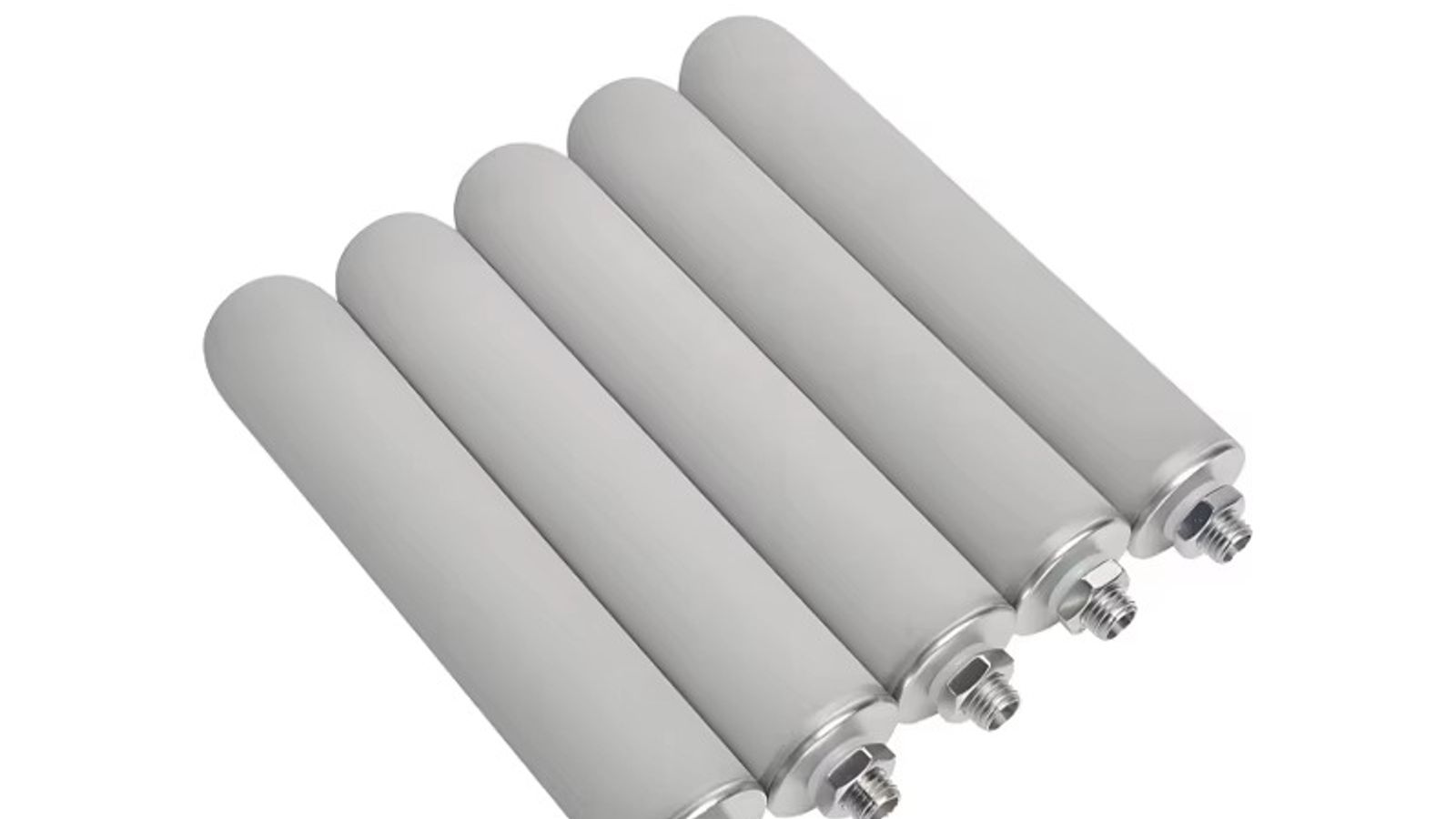
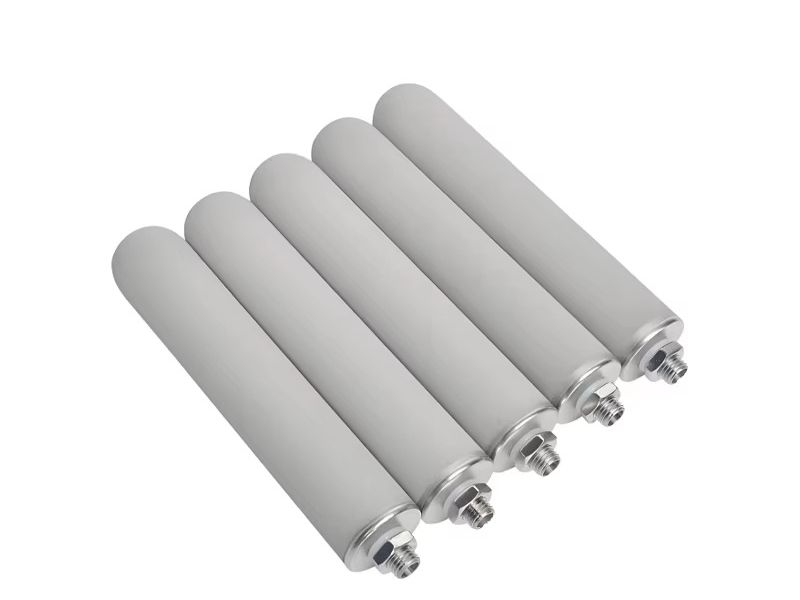
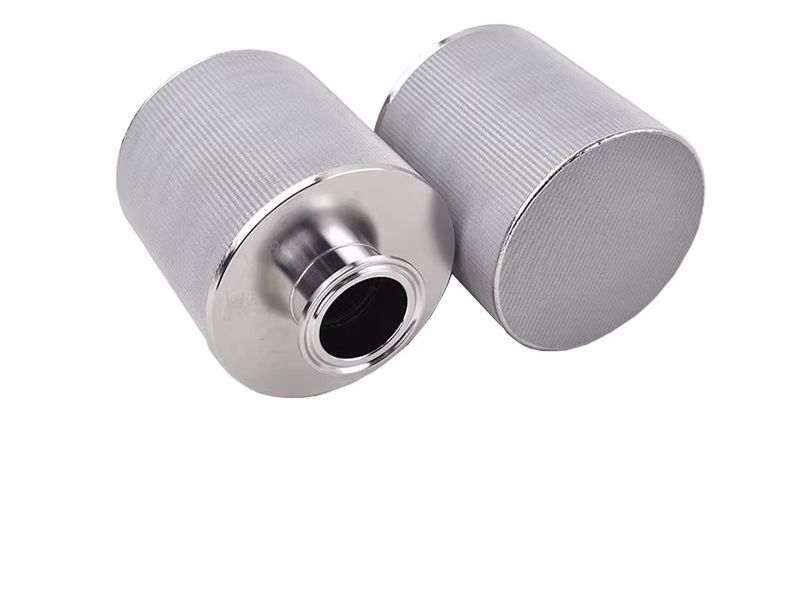
Vastahuuhtelu on puhdistusmenetelmä, jossa virtaus suodatinelementin läpi käännetään siten, että neste irrottaa kertyneet kiintoaineet ja huuhtelee ne ulos suodatinmateriaalista. Sintratuille metallisuodatinelementeille, vastahuuhtelu on ensisijainen regenerointimenetelmä, koska kokonaan hitsattu metallirakenne voidaan puhdistaa toistuvasti ilman laskosten luhistumista tai suodatinmateriaalin kuitujen irtoamista, mikä päättää kertakäyttöisen suodatinpatruunan käyttöiän. Tyypillisessä nestekäytössä puhdas elementti toimii vain 0,05–0,2 barin paine-erolla (ΔP); käyttäjät käynnistävät vastahuuhtelun yleensä silloin, kun ΔP saavuttaa 0,5–1,0 baria, hyvissä ajoin ennen kuin suodatuskakku tiivistyy. Hyvin suoritettu vastahuuhtelu palauttaa elementin 90–100 %:iin sen alkuperäisestä puhtaasta painehäviöstä, ja asianmukaisesti regeneroitu sintrattu ruostumattomasta teräksestä valmistettu elementti voi kestää yli 20–100+ puhdistussykliä ennen vaihtoa. Tässä artikkelissa käsitellään koko regenerointiprosessi – tukkeutumismekanismit, ΔP-laukaisimet, vastavirta-vastahuuhtelu, ultraääni- ja kemiallinen regenerointi, eheyden valvonta sekä puhdistuksen ja vaihdon taloudellisuus.
Miten sintratut verkkoelementit tukkeutuvat: pintakakku vs. syvätukkeutuminen
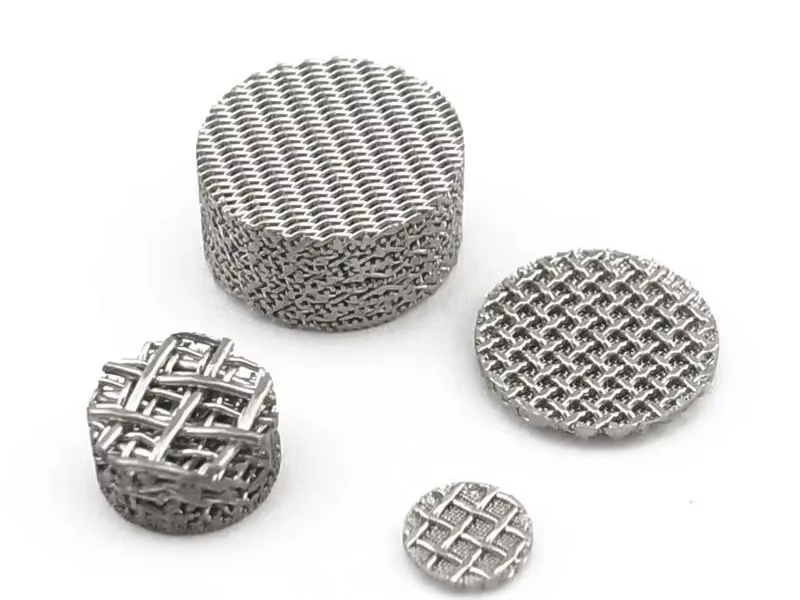
Sintrattu ruostumaton teräsverkko on jäykkä, monikerroksinen komposiitti: karkeat suojakerrokset ulkopuolella, tarkasti kudottu suodatinkangas keskellä ja valutus- tai tukikerros puhtaalla puolella, jotka kaikki on liitetty toisiinsa korkealämpötilaisella sintrauksella. Koska suodatinmateriaali on huokoinen kolmessa ulottuvuudessa yhden seulatason sijaan, se tukkeutuu kahdella eri tavalla – ja tämä ero ratkaisee, mikä puhdistusmenetelmä toimii.
Pintakakkutukkeutuminen. Kun epäpuhtaus on suurempi kuin nimellinen huokoskoko, hiukkaset muodostavat siltoja tulopinnan yli ja rakentavat yhä tiiviimmän kakun. Kakku on nousevan ΔP:n pääasiallinen syy, ja se on helpoin poistaa: vastavirta nostaa kakun pois pinnalta ja kuljettaa sen pois. Pintatukkeutuminen on normaali tapaus elementeille, joiden nimelliskoko on 10 μm tai karkeampi.
Syvätukkeutuminen. Kun hienoaines on pienempää kuin nimellinen huokoskoko – tai kun kakun annetaan tiivistyä korkeassa ΔP:ssä – hiukkaset tunkeutuvat suodatinmateriaalin paksuuteen ja juuttuvat kudottujen kerrosten väliin. Syvätukkeutumista ei voida huuhdella pois pelkällä vastavirralla; se vaatii ultraäänikavitointia tai kemiallista liuottamista, ja osa siitä on yleensä peruuttamatonta. Useiden syklien aikana syväjäämät kertyvät, kunnes puhdas peruslinjan ΔP nousee vähitellen ja elementti poistetaan käytöstä.
Tämä ero on syy siihen, miksi viisikerroksisen sintratun verkon rakenne valitaan vaativiin käyttötarkoituksiin: sen kerroksellinen rakenne kerää kakun pinnalle, suojaa hienoa suodatinkangasta mekaanisilta vaurioilta ja jättää avoimen valutuskerroksen, joka tekee vastavirta-vastahuuhtelusta todella tehokkaan.
Milloin vastahuuhdellaan: paine-erokäynnistimet
Paine-ero on luotettavin yksittäinen signaali siitä, että sintrattu elementti vaatii huoltoa. Perussääntönä on puhdistaa ajoissa ja usein sen sijaan, että elementtiä kuormitettaisiin sen äärirajoille:
- Puhdas perustaso. Uuden tai juuri regeneroidun elementin tulisi palata tasaiselle perustasolle, tyypillisesti 0,05–0,2 bar nestekäytössä. Jos perustaso nousee jatkuvasti syklistä toiseen, syvätukkeumaa kertyy.
- Vastahuuhtelun asetuspiste. Aloita vastahuuhtelu, kun ΔP saavuttaa noin 0,5–1,0 bar tai kun läpivirtaus laskee 30–50 %. Puhdistus tässä vaiheessa poistaa suodatuskakun sen ollessa vielä irtonainen ja mureneva.
- Yläraja. Useimmat sintratut elementit on suunniteltu toimimaan enintään 1,5–2,5 bar ΔP -paine-erolla riippuen suodatinmateriaalista ja pesästä. Nimellisarvojen ylittävä käyttö tiivistää suodatuskakun, painaa hiukkasia syvemmälle ja voi tukkia elementin pysyvästi – vaurio, jota mikään puhdistusmäärä ei voi korjata.
- Automaattinen tai manuaalinen. Jatkuvissa prosesseissa käytetään ΔP-asetuspisteen tai ajastimen laukaisemaa automaattista vastahuuhtelua; panoslaitoksissa puhdistus tehdään usein kiinteän aikataulun mukaan tai jokaisen erän jälkeen.
Puhdistus ΔP-laukaisun (paine-eroon perustuva suodattimen puhdistus) eikä kiinteän kalenteriajan mukaan pidentää elementin käyttöikää huomattavasti, koska se poistaa suodatuskakun vaiheessa, jossa epäpuhtaus on vielä murenevaa. Alla oleva taulukko tiivistää neljä tapaa sintratun elementin kunnostamiseksi ja milloin kukin niistä on tarkoituksenmukainen.
| Menetelmä | Tyypilliset olosuhteet | Mitä se poistaa | Vaikutus suodatustarkkuuteen | Suhteellinen kustannus |
|---|
| Vastavirtahuuhtelu | 1.5–2.5× myötävirtaus; 2–3 bar käyttöpaineen yläpuolella; 30 s–5 min | Pintakakku; irtonainen hienoaines | Ei mitään; jos suodatinmateriaali on vaurioitumaton | Matala |
| Ultraäänipuhdistus | 20–40 kHz kylpy; 40–70°C; 10–30 min; mieto pesuaine | Syvälle juuttunut hienoaines | Ei mitään; jos kavitaatio on hallittua | Keskitaso |
| Kemiallinen puhdistus | Emäksinen (NaOH 1–5%; 60–80°C) tai hapan (HNO₃ 5–15%; 40–60°C); 30–120 min liotus | Öljyt; orgaaniset aineet; saostumat; biofilmit | Ei mitään jos kemia on yhteensopiva | Keskitaso |
| Vaihto | — | — | Palautettu uudenveroiseksi | Korkea (elementin kustannus) |
Vastavirtahuuhtelumenettely
Sintrattujen suodatinelementtien vastahuuhtelu on lyhyt, toistettava toimenpide. Tyypillinen manuaalinen vaihejärjestys:
- Eristä ja poista paine pesästä. Sulje tulopuolen sulkuventtiili ja ilmaa tai tyhjennä säiliö, jotta elementtiin ei kohdistu paineiskua.
- Käännä virtaus. Syötä puhdasta suodatetta (tai suodatettua kaasua kaasutehosteisessa vastahuuhtelussa) elementin puhtaalle puolelle virtausnopeudella, joka on 1.5–2.5× myötävirtausnopeus, ja paineella, joka on noin 2–3 bar normaalin tulopaineen yläpuolella. Vastavirtaan kulkeva neste laajentaa kakkua, nostaa sen irti pinnasta ja kuljettaa kiintoaineet ulos likaisen puolen poiston kautta.
- Pulssita tai pidä. Jotkut järjestelmät käyttävät pulssijaksoa — muutama sekunti päällä, muutama sekunti pois päältä — mikä saa suodatinmateriaalin joustamaan ja rikkoo kakun tehokkaammin kuin tasainen virtaus. Toiset pitävät vastavirtausta yllä 30 sekunnista muutamaan minuuttiin.
- Tyhjennä liete ja toista sykli kahdesta neljään kertaa, kunnes vastahuuhtelun poistovirta on kirkasta.
- Palauta käyttöön ja varmista, että myötäsuuntainen ΔP on laskenut takaisin kohti puhtaan tilan perustasoa.
Jatkuvatoimisissa laitoksissa sama sekvenssi on automatisoitu: ΔP-lähetin laukaisee vastahuuhteluventtiilin, vastavirtausta syötetään asetetun ajan ja elementti palaa käyttöön prosessia pysäyttämättä. Fysiikka on täysin sama riippumatta siitä, onko elementti kiekko, kynttilä vai sintrattu lankaverkkosuodatinpatruuna joka on asennettu monipatruunasäiliöön; ainoa mikä muuttuu, on venttiilijärjestely ja se, miten vastavirtaus jakautuu.
In-situ- vs. off-line-puhdistus
Vastahuuhtelu voidaan suorittaa kahdessa hyvin erilaisessa tilanteessa, ja valinnassa punnitaan seisokkiaikaa suhteessa siihen, kuinka perusteellisesti elementti saadaan palautettua toimintakuntoon.
In-situ-vastahuuhtelu. Elementti pysyy suodatinkotelossa. Se on nopeaa (minuutteja), automaattista ja työkustannuksiltaan lähes ilmaista – oikea työkalu rutiininomaiseen suodatuskakun poistoon. Sen rajoituksena on, ettei se pysty liuottamaan tai irrottamaan syvälle rakenteeseen juuttuneita hieno-osasia, eikä se anna mahdollisuutta tarkastaa elementtiä tai varmistaa sen eheyttä. In-situ-vastahuuhtelun tulisi olla ensimmäinen puolustuslinja, ja se tulisi suorittaa säännöllisesti ennen kuin ΔP nousee.
Off-line-regenerointi. Elementti poistetaan ja puhdistetaan sille varatussa pisteessä. Tämä mahdollistaa kemiallisen liotuksen, ultraäänikylvyn, kuumahuuhtelun, silmämääräisen tarkastuksen ja kuplapistetestiin perustuvan tiiveystestin ennen takaisinasennusta. Se vie muutamasta tunnista päivään, mutta se on ainoa menetelmä, joka palauttaa erittäin pahasti tukkeutuneet elementit ja havaitsee vauriot varhaisessa vaiheessa. Useimmat laitokset suorittavat in-situ-vastavirtaushuuhtelun säännöllisesti ja siirtävät elementit off-line-puhdistukseen kiinteän aikataulun mukaan – tai aina, kun in-situ-perustason ΔP alkaa nousta.
Ultraääni- ja kemiallinen regenerointi
Kun vastavirtaushuuhtelu ei enää palauta painehäviötä, elementti on valmis off-line-regenerointiin. Kaksi menetelmää – yleensä yhdistettynä – palauttavat sen toimintakuntoon:
Ultraäänipuhdistus. Elementti upotetaan vesikylpyyn (usein mietoon emäksiseen pesuaineeseen) ja altistetaan 20–40 kHz:n ultraäänelle 40–70 °C:n lämpötilassa 10–30 minuutin ajan. Kavitaatiokuplat luhistuvat metallipintoja vasten ja hienontavat syvälle kudokseen juuttuneet hienoainekset. Sintrattujen verkkojen ultraäänipuhdistus on erityisen tehokasta tiukoilla suodatusasteilla – 1–10 μm – joissa syvyystukkeutuminen on hallitsevaa. Elementit on tuettava siten, etteivät ne kosketa säiliön pohjaa, ja kylpy on suodatettava, jotta irronnut kiintoaine ei laskeudu uudelleen.
Kemiallinen puhdistus. Puhdistusaine valitaan epäpuhtauden mukaan: emäs (1–5 % NaOH, 60–80 °C) liuottaa öljyt, rasvat ja orgaaniset polymeerit; typpihappo (5–15 %, 40–60 °C) poistaa kattilakiven, ruosteen ja mineraalikerrostumat sekä myös uudelleenpassivoi ruostumattoman teräksen; miedot hapot tai kelatointiaineet tepsivät kovan veden aiheuttamaan kalkkiin. Liotusajat ovat 30–120 minuuttia, ja sitä seuraa yleensä kuumahuuhtelu. Yksi metallurginen varoitus on tärkeämpi kuin mikään muu: kloridipitoisia puhdistusaineita on vältettävä 304L-teräksellä, eikä hypokloriittivalkaisuainetta saa koskaan käyttää ruostumattomalle teräkselle, sillä molemmat vaurioittavat passiivikalvoa ja johtavat pistesyöpymiseen tai jännityskorroosioon. Tämä kurinalaisuus on rutiinia lääke- ja kemian teollisuudessa, jossa suodatinmateriaalien puhdistettavuus ja jäljitettävyys auditoidaan osana hyvää valmistustapaa.
Täydellinen regenerointijärjestys on: vastavirtaushuuhtelu → kemiallinen liotus → ultraääni → kuumahuuhtelu → kuivaus → kuplapistetesti. Oikein suoritettuna elementti palaa käyttöön alkuperäisellä suodatusasteellaan ja puhtaalla perustason ΔP-arvolla, joka on 10–20 %:n sisällä uudenveroisesta.
Vaikutus suodatusasteeseen ja eheyteen eri sykleissä
Sintrattu elementti on tarkkuusosa, ja regenerointi toimii vain, jos suodatinmateriaali ei ole vaurioitunut. Joka syklissä on tarkistettava kaksi asiaa:
Suodatustarkkuus. Sintratun verkon huokosrakenne määräytyy kudoksen ja sintrausprosessin mukaan. Puhdistus ei suurenna huokosia, ellei suodatinmateriaalia ole venytetty mekaanisesti tai syövytetty kemiallisesti. Esimerkiksi 10 μm:n absoluuttinen suodatustarkkuus säilyy 10 μm:ssä vielä 50 puhdistussyklin jälkeen – mikä on keskeinen ero syvyyssuodatinpatruunoihin, joiden suodatustarkkuus muuttuu kuitujen siirtyessä. Standardi varmistusmenetelmä on kuplapistetesti, joka havaitsee muutoksen suurimmassa huokosessa ennen kuin elementti otetaan takaisin käyttöön.
Eheys. Sama kuplapistetesti havaitsee hiushalkeamat, murtuneet hitsaussaumat tai revenneet saumat. Seuraa kehityssuuntaa: jos puhtaan suodattimen jäännös-ΔP regeneroinnin jälkeen nousee yli 20–30 % alkuperäisen vertailutason yläpuolelle tai jos kuplapiste siirtyy, elementti on saavuttanut käyttöikänsä pään.
Käytännössä hyvin huollettu sintrattu elementti kestää 20–100+ regenerointisykliä. Sykliluku riippuu käyttöolosuhteiden vaativuudesta: polymeerisulan suodatin, jossa on aggressiivista hienoainesta, saattaa kestää kymmeniä syklejä, kun taas puhtaan veden suojasuodatin voi ylittää sata sykliä. Johdonmukaista on se, että syklimäärä on hallinnollinen päätös eikä kiveen hakattu sääntö – elementit poistetaan käytöstä silloin, kun niiden toimintakykyä ei enää pystytä palauttamaan, eikä silloin, kun ne saavuttavat jonkin mielivaltaisen luvun.
Käyttökohde-esimerkkejä
Polymeerisuodatus. Ekstruusio- ja kehruulinjoilla ekstruuderin sihdit ja kynttiläsuodattimet vastahuuhdellaan sulamislämpötilassa – vastavirtauksella, joka on 1,5–2-kertainen sulan virtausnopeuteen nähden ja usein kaasutehostettu – koska tuotannon pysäyttäminen ja sulattaminen olisi epätaloudellista. Sintratut kiekot kestävät polymeerisulien vaatiman korkean paineen ja lämpötilan, ja niiden jäykkä rakenne kestää lämpösyklit.
Kemikaalit ja lääkeaineet. Tuotteen puhtaus on ensiarvoisen tärkeää, joten suodattimet regeneroidaan prosessin ulkopuolella validoiduilla kemiallisilla ja ultraäänimenetelmillä ja niiden eheys testataan ennen uudelleenkäyttöä. Kokometallinen, hiukkasia vapauttamaton rakenne tekee uudelleenkäytöstä perusteltua säännellyssä valmistuksessa.
Öljy ja kaasu. Tuotanto- ja jalostuspalveluissa käytetään sintrattuja elementtejä amiinin, glykolin ja injektioveden suodatukseen. Kiintoainekuormitus on kuluttavaa ja sisältää usein saostumia ja hiekkaa; vastavirtahuuhtelu ja säännöllinen happopesu pidentävät elementin käyttöikää huomattavasti. Näiden palvelujen käyttökohdealueet käsitellään öljy-, kaasu- ja petrokemian sovellussivulla.
Vesi ja suolavesi. Takaisinhuuhdeltavat sintratut sihdit käsittelevät kaivovettä, jäähdytysvettä ja prosessivettä, joissa hiekka, siltti ja biologinen likaantuminen ovat hallitsevia. Vastavirta poistaa suurimman osan kuormituksesta, ja satunnainen biosidi- tai happopuhdistus pitää liman ja saostumat kurissa.
Virheet, jotka tuhoavat sintratut suodatinelementit
Useimmat ennenaikaiset vikaantumiset kentällä johtuvat käyttövirheistä, eivät materiaalivioista. Merkittävimmät niistä ovat:
- Takaisinhuuhtelu liian suurella paineella tai virtauksella. Vastavirta, joka ylittää elementin – tai suodatinkotelon – nimellisen paine-eron, voi rikkoa suodatinmateriaalin tai puhaltaa laskokset auki. Käytä mitoitettua 1,5–2,5-kertaista myötävirtausta, äläkä "niin paljon kuin pumppu antaa".
- Lämpöshokki. Sintratut liitokset ja hitsit halkeavat, kun elementtiin kohdistuu äkillinen lämpötilanvaihtelu, tyypillisesti yli 100–150 °C. Lämmitä ja jäähdytä asteittain, erityisesti puhdistuksen jälkeen, kun kuuma elementti huuhdellaan kylmällä.
- Väärä puhdistuskemia. Kloridit (valkaisuaine, suolahappo) 304L-teräksessä aiheuttavat pistesyöpymistä ja jännityskorroosiota; vahva emäs korkeassa lämpötilassa syövyttää hienoa kudosta. Sovita kemikaali sekä lika-aineeseen että metallurgiaan.
- Liian pitkä odotusaika vastavirtahuuhteluiden välillä. Käyttö maksimi-ΔP-arvolla tiivistää suodatuskakkua ja painaa hienoaineksen syvälle materiaaliin. Elementti ei koskaan palaa puhtaaseen perustasoonsa, ja sen jäljellä oleva käyttöikä on kulunut loppuun.
- Vastavirtahuuhtelu likaisella nesteellä. Käänteisen virtauksen on oltava puhdasta suodatetta tai suodatettua kaasua; suodattamattoman syötteen käyttö likaa puhtaan puolen uudelleen.
- Puutteellinen huuhtelu kemiallisen puhdistuksen jälkeen. Happo- tai emäsjäämät saastuttavat seuraavan tuote-erän – tämä on kriittinen häiriö elintarvike- ja lääketeollisuuden sovelluksissa.
- Mekaaninen vaurioittaminen. Teräsharjat, kaavintatyökalut ja pudonneet elementit vaurioittavat kaikki sintrattua kudosta. Puhdista pehmeillä liinoilla ja paineilmalla, äläkä koskaan pakota suodatuskakun peittämää elementtiä ulos kotelostaan.
Kustannukset ja käyttöiän taloudellisuus: puhdistus vs. vaihto
Regeneroinnin taloudellinen kannattavuus on yksinkertaista matematiikkaa. Uudelleenkäytettävän sintratun suodattimen kohdalla elementti maksaa useita kertoja enemmän kuin kertakäyttöinen patruuna, mutta se kestää 20–100+ puhdistussykliä. Otetaan esimerkiksi 20-μm sintrattu kynttiläsuodatin, joka maksaa 5× vastaavan kertakäyttöisen suodattimen hinnan: jos se kestää edes kymmenen puhdistusta, suodatinmateriaalin kustannus sykliä kohden on laskenut puoleen kertakäyttöisten kustannuksista – ennen kuin otetaan huomioon vältetyt seisokkiajat, hävitysmaksut ja vaihtotyö. Useimmat laitokset saavuttavat kuoletuspisteen jo muutaman ensimmäisen regenerointikerran jälkeen.
| Tekijä | Puhdistettava sintrattu metallielementti | Kertakäyttöinen laskostettu patruuna |
|---|
| Hankintakustannus | Korkea (2–5× kertakäyttöinen) | Matala |
| Puhdistussyklit | 20–100+ | 1 |
| Suodatinmateriaalin kustannus sykliä kohden | Laskee jokaisen uudelleenkäytön myötä | Vakio (täydellinen vaihto) |
| Suodatusasteen vakaus | Kudoksen määrittämä; vakaa syklien välillä | Voi muuttua materiaalin väsyessä |
| Seisokkiaika vaihtoa kohden | Minuutteja in-situ; tunteja off-line | Tunteja (kotelon avaaminen; hävittäminen; vaihto) |
| Jäte | Vain puhdistusnesteet; elementti romutetaan käyttöiän lopussa | Patruuna kaatopaikalle jokaisessa vaihdossa |
| Eheyden varmistus | Kuplapistetesti ennen uudelleenkäyttöä | Rajoitettu |
Vielä kaksi asiaa. Ensinnäkin elementin poistaminen käytöstä siksi, että jäännöspainehäviö (ΔP) on 25 % yli perustason, on yleensä halvempaa kuin uuden marginaalisen syklin pakottaminen ja loppupään kontaminaation riskeeraaminen. Toiseksi puhdistuskustannukset — kemikaalit, vesi, energia, työvoima ja puhdistusliuoksen jäteveden käsittely — on suhteutettava elementin jäljellä olevaan arvoon; kun puhdistuskustannukset lähestyvät vaihtokustannuksia, vaihda elementti uuteen. KAIFIL on verrannut sintrattua verkkoa ja laskostettuja patruunoita puhdistettavuuden ja elinkaarikustannusten osalta erillisessä analyysissään.
UKK
Millä paine-erolla sintrattu metallisuodatin tulisi vastahuuhdella? Vastahuuhtele, kun ΔP saavuttaa noin 0,5–1,0 bar nestekäytössä tai kun läpivirtaus laskee 30–50 %. Puhdista ajoissa ja usein – elementin 1,5–2,5 barin maksimipaineeseen asti ajaminen tiivistää suodatinkakun ja aiheuttaa peruuttamatonta syvätukkeutumista.
Voidaanko sintrattuja ruostumattomasta teräksestä valmistettuja elementtejä käyttää uudelleen, ja kuinka monta kertaa? Kyllä. Asianmukaisesti puhdistettu ja eheystestattu sintrattu elementti kestää tyypillisesti yli 20–100+ regenerointisykliä käyttökohteesta riippuen. Se poistetaan käytöstä, kun puhdistus ei enää palauta sen alkupainehäviötä.
Mitä eroa on vastahuuhtelulla, ultraäänipuhdistuksella ja kemiallisella puhdistuksella? Vastahuuhtelu kääntää virtauksen suunnan pinnalla olevan suodatinkakun poistamiseksi; ultraäänipuhdistus käyttää korkeataajuista kavitaatiota (20–40 kHz) suodatinmateriaalin sisään juuttuneen hienoaineksen irrottamiseen; kemiallinen puhdistus liuottaa öljyt, kattilakiven tai biofilmit. Täydellistä regenerointia varten ne yleensä yhdistetään tässä järjestyksessä.
Muuttaako puhdistus sintratun elementin suodatusastetta? Ei. Sintratun verkon huokoskoko määräytyy kudoksen ja sintrausprosessin mukaan; puhdistus ei suurenna sitä, ellei suodatinmateriaali ole vaurioitunut mekaanisesti. Ennen uudelleenkäyttöä tehtävä kuplapistetesti varmistaa sekä suodatusasteen että eheyden.
Milloin elementti pitäisi vaihtaa puhdistamisen sijaan? Vaihda elementti uuteen, kun puhtaan suodattimen alkupaine-ero ΔP jää regeneroinnin jälkeen yli 20–30 % alkuperäistä korkeammaksi, kun kuplapistetesti osoittaa vaurioita tai kun puhdistuskustannukset lähestyvät uuden elementin hintaa.
Hanki oikea regenerointiprotokolla prosessillesi
Sintratut ruostumattomasta teräksestä valmistetut verkkoelementit ovat taloudellisia vain silloin, kun ne puhdistetaan oikein – ja oikea menetelmä riippuu käyttökohteesta, epäpuhtauksista ja metallurgiasta. KAIFIL valmistaa sintrattuja lankaverkkosuodatinelementtejä, -patruunoita, -kiekkoja ja -sihtejä Shijiazhuangissa, Kiinassa, ja vie niitä maailmanlaajuisesti. Voimme suositella vastahuuhtelu- ja regenerointiprotokollaa käyttökohteeseesi, toimittaa räätälöityjä suodatinmateriaaleja ja suodatusasteita välillä 1–300 μm sekä valmistaa elementtejä, jotka on suunniteltu kestämään vuosikymmenten syklistä käyttöä. Ota yhteyttä KAIFILiin ja kerro sovelluksesi tiedot saadaksesi tarjouksen ja puhdistusohjeet.