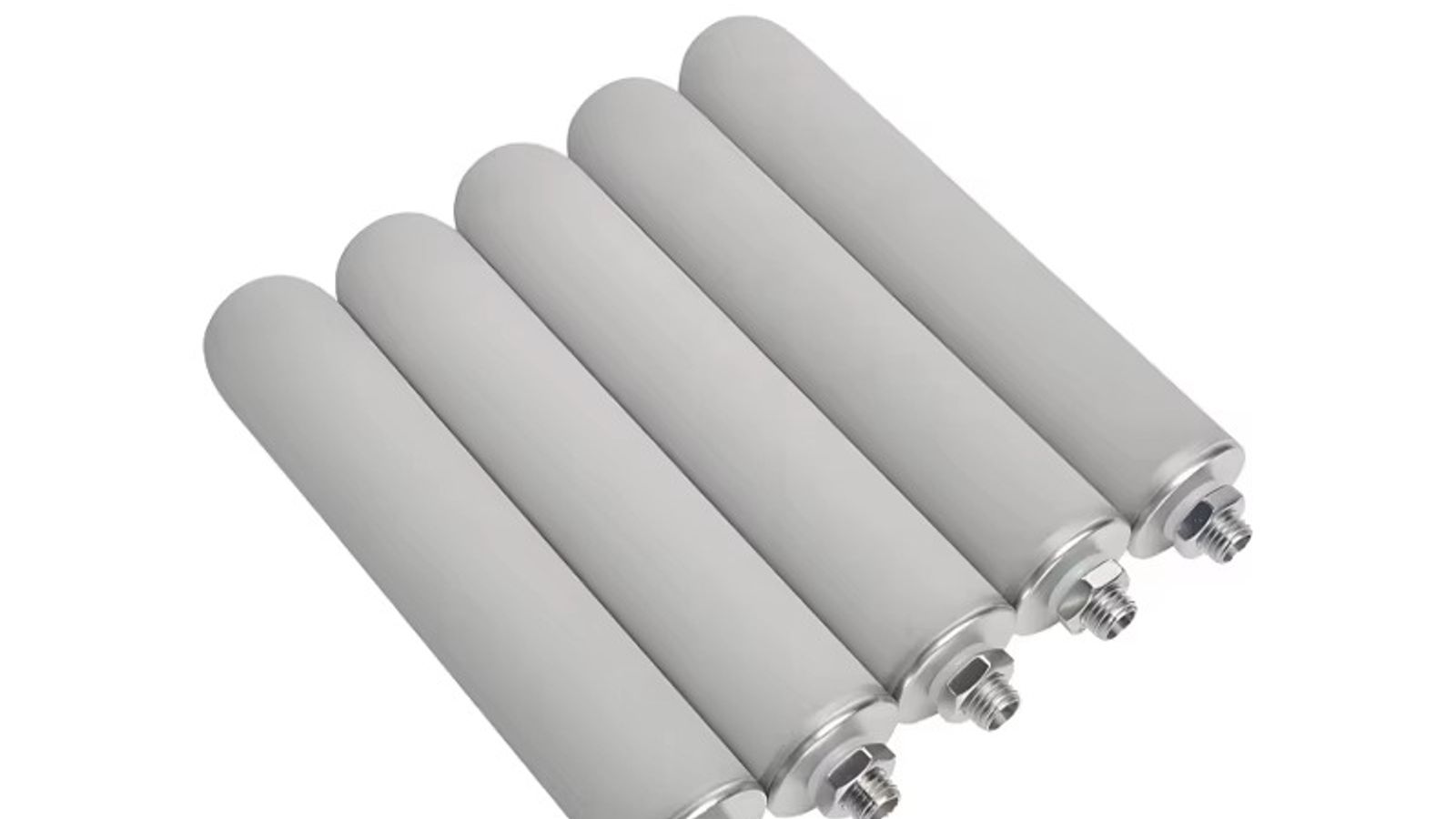
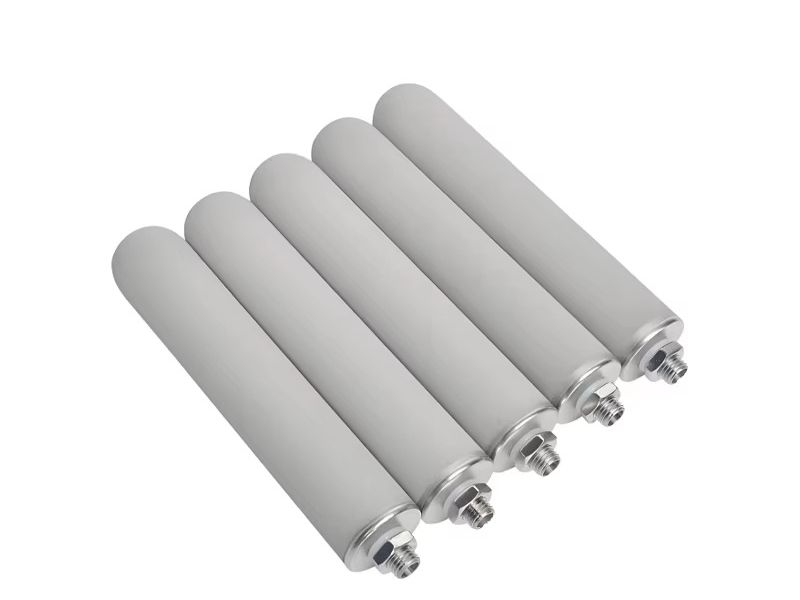
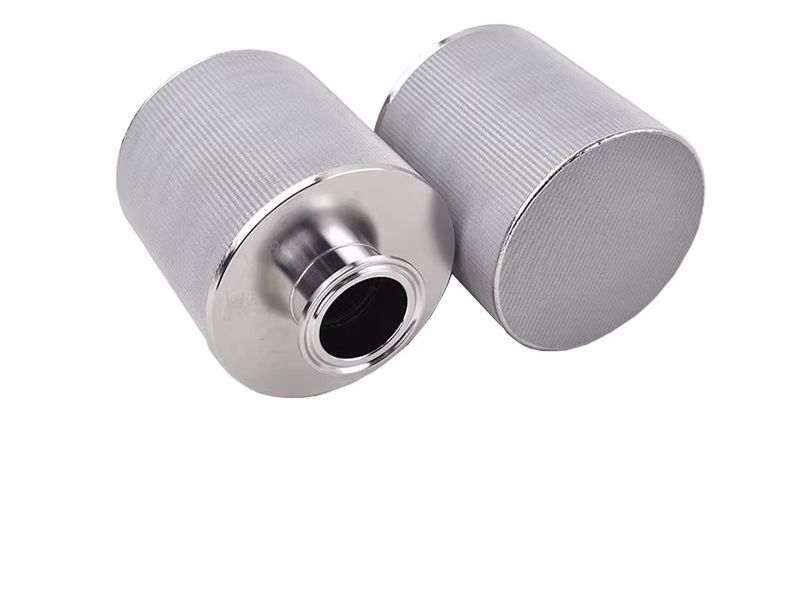
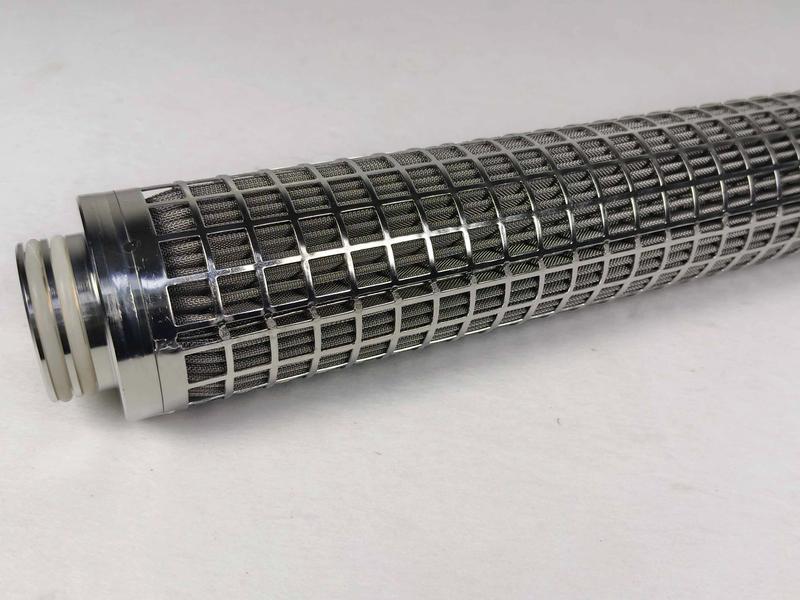
CIP-puhdistettava ruostumattomasta teräksestä valmistettu suodatin on uudelleenkäytettävä suodatinelementti, joka on suunniteltu puhdistettavaksi paikallaan pesuliuosten – tyypillisesti emäksen ja hapon – automaattisella kierrolla kohotetussa lämpötilassa ilman, että elementtiä poistetaan kotelostaan. Tavanomaisessa CIP-puhdistussyklissä (clean-in-place) elementti altistetaan 1–3-prosenttiselle natriumhydroksidiemäspesulle (NaOH) 60–90 °C:n lämpötilassa, jota seuraa happohuuhtelu (tyypillisesti 0,5–1 % typpi- tai fosforihappoa), ja pesuliuosta kierrätetään 1,5–3 m/s virtausnopeudella suodatinmateriaalin pinnan yli. Jotta suodatin kestää satoja tällaisia syklejä ja puhdistuu täydellisesti pelkän huuhtoutumisen sijaan, sen pinnanlaatu, kudostyyppi ja mikroniluokitus on suunniteltava saumattomasti yhteen. Ratkaisevia parametreja ovat pinnankarheus (yleensä Ra 0,4–0,8 µm elintarvikelaatuisille elementeille ja tiukempi lääketeollisuuden sovelluksissa), prosessiin sopiva mikroniluokitus (noin 1–500 µm käyttökohteesta riippuen) sekä geometria, jossa ei ole kuolleita kulmia, joihin lika voisi kertyä. Tässä artikkelissa selitetään, miten kukin näistä tekijöistä vaikuttaa puhdistustehokkuuteen ja käyttöikään – ja miten määritellään CIP-puhdistettava ruostumattomasta teräksestä valmistettu suodatin, joka toimii luotettavasti vuosien käytön ajan.
Miksi puhdistettavuus on tärkeää: Seisokkiaika ja elinkaarikustannukset
Suodatinelementin hankintahinta on yleensä pienin tekijä sen elinkaarikustannusten yhtälössä. Elintarvike-, juoma- ja lääketeollisuuden laitoksissa todelliset kustannukset muodostuvat itse puhdistussykleistä, manuaaliseen purkamiseen tarvittavasta seisokkiajasta ja puutteellisen puhdistuksen aiheuttamasta epäonnistuneen erän riskistä. Kyky puhdistaa suodatin paikallaan ei siksi ole vain mukavuustekijä – se on taloudellinen välttämättömyys.
Huonosti puhdistuva suodatin aiheuttaa kolme kerrannaista ongelmaa. Ensinnäkin se pakottaa pidempiin tai toistuviin CIP-sykleihin, jotka kuluttavat vettä, kemikaaleja, höyryä ja energiaa. Toiseksi se vaatii säännöllistä manuaalista purkamista liotuspesua varten, mikä lisää työtunteja ja altistaa työntekijät kuumille emäs- ja happoliuoksille. Kolmanneksi se lyhentää käyttöikää, koska suodatinmateriaaliin jäänyt lika kovettuu, nopeuttaa rakokorroosiota ja tukkii vähitellen metalliverkon.
Jokainen purkamiseen menetetty tuotantotunti on menetettyä tuotantokapasiteettia. Osittain puhdistettu suodatin nostaa myös painehäviötä, mikä lisää pumpun energiankulutusta ja aiheuttaa riskin loppupään virtauksen ehtymisestä. Lääketeollisuuden linjoilla panokset ovat vieläkin suuremmat: suodatin, joka ei läpäise puhdistusvalidointia, voi johtaa koko erän hylkäämiseen – menetys voi nousta kuusinumeroisiin summiin yhdellä ajolla. Siksi puhdistettavuuden, ei alkuperäisen hinnan, pitäisi ohjata suodattimen määrittelypäätöstä kaikilla prosessoreilla, joiden toimintaan kuuluu elintarvikkeiden ja juomien prosessointi -toiminnoissa. Uudelleenkäytettävä ruostumaton elementti, joka puhdistuu luotettavasti paikoillaan, voi kuolettaa kustannuksensa satojen syklien aikana, kun taas kertakäyttöinen patruuna, joka on vaihdettava jokaisen vaikean likaantumisen jälkeen, moninkertaistaa kulutustavarakulut ja jätevirran.
Kolme yleisintä ruostumattomasta teräksestä valmistettua elementtirakennetta — kudottu metallilankaverkko, sintrattu metallilankaverkko ja laskostetut suodatinpatruunat — eroavat toisistaan perustavanlaatuisesti siinä, kuinka helposti ne irrottavat likaa. Puhdistettavuutta säätelevät pinnan geometria, huokosten muoto ja se, muodostaako rakenne suojaisia rakoja.
Palttinasidoksinen metallilankaverkko on yksinkertaisin rakenne: loimi- ja kudelangat kulkevat toistensa yli ja ali säännöllisessä neliökuviossa. Tuloksena on avoin, sileä pinta, jossa on suuret, tasaiset huokoset, joiden yli puhdistusneste pääsee helposti virtaamaan. Palttinasidos on erittäin helposti puhdistettava, mutta sen avoin rakenne rajoittaa suodatuksen suhteellisen karkeisiin suodatusasteisiin – tyypillisesti 25–500 µm. Se on oikea valinta siivilöintiin, suojasuodatukseen ja karkeiden hiukkasten poistoon, joissa CIP-puhdistus myötähuuhtelulla on suoraviivaista.
Hollantilaissidoksinen metallilankaverkko käyttää huomattavasti ohuempia kudelankoja, jotka on pakattu tiiviisti yhteen kiilanmuotoisen ja erittäin tiheän huokosrakenteen luomiseksi. Se saavuttaa huomattavasti hienomman suodatuksen kuin palttinasidos – tyypillisesti 2–100 µm – mutta tiheä, monikerroksinen lankarakenne sitoo likaa tiukemmin. Hollantilaissidos on puhdistettavissa paikan päällä, mutta se vaatii yleensä vastavirtaushuuhtelua tai suuremman virtausnopeuden CIP-pesua kiilanmuotoisiin huokosiin kertyneiden hiukkasten irrottamiseksi. Sen puhdistettavuus on pikemminkin hyvä kuin erinomainen, ja se tulisi yhdistää CIP-ohjelmaan, johon kuuluu erillinen takaisinhuuhteluvaihe. Hollantilaissidosrakennetta käytetään laajalti polymeeri- ja hienokemikaalisuodatuksessa, missä sen lujuus ja hieno suodatusaste oikeuttavat ylimääräisen puhdistusvaivan.
Sintrattu lankaverkko valmistetaan pinoamalla useita lankakangaskerroksia ja liittämällä ne yhteen diffuusiohitsauksella korkeassa lämpötilassa ja paineessa. Liitoskohdat estävät lankojen välisen liukumisen, mikä luo jäykän, monoliittisen rakenteen, jolla on suuri lujuus ja tarkka huokoskoko. Sintratut elementit, kuten sintratut lankaverkkosuodatinpatruunat, kuuluvat parhaiten CIP-puhdistukseen soveltuviin malleihin: jäykkä rakenne kestää muodonmuutoksia vastavirtauksessa, liitetyt kerrokset eivät jätä rakoja lian kertymiselle, ja suodatinmateriaali kestää voimakkaita emäs- ja happosyklejä ilman materiaalin väsymistä. Koska rakenne on puhdistettava, sintratut elementit suunnitellaan tyypillisesti kestämään satoja CIP-syklejä, minkä vuoksi ne ovat hallitsevassa asemassa hygieenisissä sovelluksissa.
Laskostetut suodatinpatruunat moninkertaistavat pinta-alan laskostamalla suodatinmateriaalin lieriömäiseksi haitarirakenteeksi, mikä tarjoaa suuren lianpidätyskyvyn pienessä koossa. Kääntöpuolena on puhdistettavuus. Laskosten pohjat ovat suojassa suoralta virtaukselta, ja poimuihin kertyvää likaa on vaikea irrottaa jopa voimakkaalla CIP-pesulla. Useimpia laskostettuja patruunoita käsitellään siksi kertakäyttöisinä: ne vaihdetaan puhdistamisen sijaan, mikä tekee niistä taloudellisia kohtuullisilla likaantumiskuormilla, mutta pitkällä aikavälillä kalliita, jos likaantuminen on voimakasta. Kattavampaa taloudellista vertailua varten meidän laskostettujen suodatinpatruunoiden -valikoimaamme ja niiden vertailua jäykkään sintrattuun materiaaliin käsitellään syvällisesti oppaassamme sintratun verkon ja laskostettujen patruunoiden vertailusta.
| Ominaisuus | Palttinasidosverkko | Hollantilaissidosverkko | Sintrattu lankaverkko (monikerroksinen) | Laskostettu patruuna |
|---|
| Puhdistettavuus | Erinomainen — avoin; sileä pinta | Hyvä — vaatii vastavirtahuuhtelun | Erinomainen — jäykkä; ei rakoja | Kohtalainen — laskosten pohjat keräävät likaa |
| Tyypillinen mikronialue | 25–500 µm | 2–100 µm | 0.5–100 µm | 0.1–100 µm |
| Painehäviö | Matala | Keskitaso–korkea | Keskitaso | Matala |
| CIP-soveltuvuus | Erinomainen | Hyvä vastavirtahuuhtelulla | Erinomainen | Rajoitettu — vaihda; älä käytä uudelleen |
| Käyttöikä CIP-puhdistuksessa | Pitkä | Pitkä | Erittäin pitkä (satoja syklejä) | Lyhyt–keskipitkä |
| Tyypillinen puhdistus | Myötävirtahuuhtelu; CIP | Vastavirtahuuhtelu; CIP | CIP; vastavirtahuuhtelu; ultraääni | Vaihto |
Pinnanlaatu: Ra-arvot ja sähkökiillotus
Pinnankarheus on kaikkein tärkein metallurginen muuttuja puhdistettavuuden kannalta. Se ilmaistaan Ra-arvona — pinnan poikkeamien aritmeettisena keskiarvona keskiviivasta, mitattuna mikrometreinä. Karkeammat pinnat muodostavat mikroskooppisia rakoja, joihin bakteerit, proteiinit ja mineraalisuolat voivat kertyä ja joihin kemialliset puhdistusaineet eivät pääse tehokkaasti tunkeutumaan. CIP-sovelluksissa alan normi on Ra 0.4–0.8 µm kaikilla tuotteen kanssa kosketuksissa olevilla pinnoilla, ja lääketeollisuuden käyttökohteisiin sekä korkean riskin elintarvikkeille määritellään Ra ≤ 0.4 µm. Yli Ra 1.6 µm:n karheutta pidetään yleensä mahdottomana hyväksyä hygieenisessä suodatuksessa, koska se todistetusti lisää mikrobien tarttumista ja vaikeuttaa puhdistuksen validointia.
Nämä arvot saavutetaan kahdella eri viimeistelymenetelmällä: mekaanisella kiillotuksella ja sähkökiillotuksella. Mekaaninen kiillotus hioo pintaa asteittain hionta-aineilla ja laskee Ra-arvon tavoitealueelle. Sähkökiillotus, joka on elektrolyyttisen pinnoituksen vastakohta, liuottaa ohuen metallikerroksen pinnasta sähkövirran avulla. Se poistaa työstön ja hitsauksen jälkeensä jättämän vaurioituneen ja muokkauslujittuneen kerroksen, pyöristää mikroskooppiset huiput ja jättää jälkeensä kromirikastetun, kemiallisesti passiivisen pinnan. Käytännön hyödyt ovat merkittäviä: vähäisempi bakteerien tarttuminen, parempi kemiallinen kestävyys CIP-puhdistuksen vuorottelevassa emäksisessä ja happamassa ympäristössä sekä orgaanisen lian helpompi irtoaminen. Tästä syystä sähkökiillotus on vakiomääritys sintratuille metallisuodatinelementeille jotka on tarkoitettu hygieeniseen käyttöön, ja sitä suositellaan vahvasti kaikille ruostumattomasta teräksestä valmistetuille suodattimille, jotka puhdistetaan paikallaan.
Pinnanlaatu vaikuttaa yhdessä materiaalilaadun kanssa. CIP-käyttöön elementti tulisi valmistaa vähähiilisistä austeniittisista laaduista — SS304L tai yleisemmin SS316L — koska alhainen hiilipitoisuus minimoi kromikarbidin erottumisen hitsauksen lämpövaikutusalueilla, mikä säilyttää korroosionkestävyyden toistuvassa altistuksessa kuumille emäksille ja hapoille. Valinta 316L:n ja 304:n välillä perustuu monien elintarvike- ja lääkevirtojen kloridi- ja happokuormitukseen; elintarvikekosketukseen tarkoitettua verkkoa koskevat vaatimukset käsitellään artikkelissamme, joka käsittelee elintarvikelaatuista SS316-suodatinverkkoa ja FDA-vaatimustenmukaisuutta.
Suunnittelutekijät, jotka tekevät suodattimesta CIP-puhdistettavan
Pelkkä pinnanlaatu ei riitä. Suodatinelementti on vain niin puhdistettava kuin sen geometria on, ja kolme suunnittelutekijää määrittää, pääseekö CIP-neste todella jokaiselle likaantuneelle pinnalle.
Virtauksen jakautuminen. Puhdistusliuoksen on huuhdeltava suodatinmateriaali tasaisesti. Jos elementin rakenne luo suuren virtausnopeuden kanavia ja pienen virtausnopeuden katvealueita, hitaat alueet puhdistuvat huonosti samalla kun nopeat alueet kantavat kuorman. Hyvin suunniteltu CIP-puhdistettava elementti jakaa virtauksen tasaisesti koko suodatinmateriaalin alueelle – asianmukaisen tuloyhteen suunnittelun, yhtenäisten verkkokerrosten ja virtausreittiä tukkumattoman tukirakenteen ansiosta. Hitsatuissa metallilankaverkkosuodatinkokoonpanoissa verkkosauman suuntaus ja hitsien sijainti on järjestettävä niin, ettei mikään osa suodatinmateriaalista jää katveeseen puhdistusvirtaukselta.
Ei kuolleita alueita. Jokainen vaakasuora uloke, terävä sisäkulma ja ilmaamaton tasku on mahdollinen lian kertymispaikka. Hygieeninen suodatinsuunnittelu poistaa kuolleet alueet kolmen säännön avulla: elementin ja kotelon on tyhjennyttävä kokonaan, kaikkien sisäpintojen on oltava kaltevia niin, että neste valuu pois, ja kokoonpanon on oltava täysin ilmattavissa, jotta ilmataskut eivät voi suojata suodatinmateriaalia puhdistusliuokselta. Tuotejäämiä sisältävä kuollut alue saastuttaa ensimmäisen erän CIP-pesun jälkeen, mikä mitätöi koko puhdistussyklin.
Hitsauksen laatu. Hitsit ovat minkä tahansa valmistetun ruostumattoman elementin heikko kohta. Huonosti sulautunut tai karkea hitsi luo raon, joka kerää likaa ja käynnistää korroosion. CIP-puhdistettavissa suodattimissa kaikkien hitsien tulee olla täysläpihitsejä, vapaita huokoisuudesta ja roiskeista, sekä hiottuja tai kiillotettuja vastaamaan perusmateriaalin pinnanlaatua – ihanteellisesti samaan Ra-arvoon kuin suodatinmateriaali ja kotelo. Mikäli mahdollista, hitsit tulisi tehdä pinnoille, jotka eivät ole kosketuksissa tuotteen kanssa, tai sijoittaa siten, että puhdistusvirtaus yltää niihin.
CIP-parametrit: lämpötila, kemia ja virtaus
Kun elementti on suunniteltu puhdistettavaksi, puhdistussykli on määritettävä vastaamaan sitä. Alla olevassa taulukossa esitetään tyypilliset CIP-parametrit, joita käytetään ruostumattomasta teräksestä valmistetuissa suodattimissa elintarvike- ja lääketeollisuuden sovelluksissa. Nämä arvot ovat lähtökohtia – optimaalinen resepti riippuu liasta, veden laadusta ja elementin rakenteesta.
| CIP-parametri | Tyypillinen alue | Miksi sillä on merkitystä |
|---|
| Emäspitoisuus | 1–3% NaOH | Saippuoi rasvoja; hydrolysoi proteiineja |
| Emäksen lämpötila | 60–90°C | Nopeuttaa reaktiota; 80–85°C on yleinen |
| Happovaihe | 0.5–1 % typpi- tai fosforihappo | Poistaa mineraalisaostumat ja vedenkovuuden aiheuttamat kertymät |
| Virtausnopeus suodatinmateriaalin pinnalla | 1.5–3 m/s | Tarjoaa mekaanista hankausta pinnalla |
| Kosketusaika vaihetta kohti | 20–60 minuuttia | Mahdollistaa kemikaalien liuottaa lian |
| Välihuuhtelu | USP-puhdistettu vesi tai RO-vesi | Poistaa emäksen ennen happovaihetta |
| Loppuhuuhtelun laatu | Johtavuus < 10 µS/cm (tyypillinen tavoite) | Varmistaa; että kemikaalijäämät on huuhdeltu pois |
| Loppuhuuhtelun lämpötila | Ympäristön lämpötilasta 50°C:seen | Estää uudelleenkertymisen ja lämpöshokin |
Kaksi asiaa ansaitsee erityistä huomiota. Ensinnäkin virtausnopeus on itsessään puhdistusmekanismi: turbulenssi suodatinmateriaalin pinnalla irrottaa hiukkasia, jotka pelkkä kemia jättäisi jälkeensä. CIP-pesun suorittaminen alle 1.5 m/s virtausnopeudella jättää sintratun elementin vajaapuhdistetuksi, vaikka kemia olisi täydellinen. Toiseksi, happovaihe ei ole valinnainen kovan veden laitoksissa — ilman sitä suodatinmateriaaliin kertyy mineraalisaostumia, mikä pienentää vähitellen sen tehokasta huokoskokoa, nostaa painehäviötä ja lyhentää käyttöikää. Kovan veden alueilla toimivien prosessoijien tulisi seurata happovaihetta tarkasti.
Puhdistuksen todentaminen
Todentamaton CIP-sykli on uhkapeliä. Koska puutteellisen puhdistuksen seuraukset vaihtelevat sivumauista koko erän hylkäämiseen, jokaisen CIP-puhdistettavan suodatinasennuksen parina tulisi olla todentamisprotokolla. Käytännössä käytetyt todentamismenetelmät yksinkertaisimmasta tiukimpaan:
- Painehäviön palautuminen. Puhdas elementti palaa alkuperäiseen paine-eroonsa. Jos painehäviö pysyy kohonneena CIP-pesun jälkeen, likaa tai saostumia on vielä jäljellä.
- Silmämääräinen tarkastus. Taustavalolla tehtävä kudotun ja sintratun verkon tarkastus voi paljastaa jäännösvärjäytymiä tai suodatinmateriaalin tukkeutumista.
- Huuhteluveden laatu. Loppuhuuhtelun sameus, pH ja sähkönjohtavuus osoittavat, onko kemikaalit ja irronnut lika huuhdeltu pois.
- ATP-bioluminesenssipyyhkäisynäytteet. Nopea pyyhkäisynäytetestaus jäännösadenosiinitrifosfaatin (orgaanisen lian) varalta on standardi pikatesti elintarviketehtaissa.
- Mikrobiologinen näytteenotto. Pyyhkäisy- ja huuhtelunäytteiden viljely tai eheystesti steriilisuodatuksen tapauksessa tarjoaa lopullisen todisteen lääketeollisuuden validointia varten.
Lääketeollisuuden sovelluksissa varmistus virallistetaan validointiprotokollilla, joilla dokumentoidaan asennuskelpoisuus, toimintakelpoisuus ja suorituskykykelpoisuus – eli IQ/OQ/PQ-malli. Meidän lääketeollisuuden suodatinvalidointiopas esittelee eheystestauksen ja dokumentaation, joita vaaditaan ruostumattomasta teräksestä valmistetun suodatinjärjestelmän saattamiseksi validoituun käyttöön. Toimialasta riippumatta sääntö on sama: määrittele, mitä "puhdas" tarkoittaa ennen puhdistuksen aloittamista, ja varmista se joka kerta.
Kun CIP ei riitä: vaihda sen sijaan
CIP ei ole yleispätevä ratkaisu. On tilanteita, joissa oikea päätös on vaihtaa elementti sen sijaan, että sen puhdistamista jatkettaisiin:
- Palautumaton tukkeutuminen. Jotkin epäpuhtaudet – kuten voimakas karamellisoituminen, kiinni palanut proteiini tai hartsin polymeroituminen – tukkivat huokoset pysyvästi niin, ettei mikään emäksen, hapon ja virtauksen yhdistelmä pysty palauttamaan niitä.
- Toistuvasta puhdistuksesta aiheutuvat suodatinmateriaalin vauriot. Lämpövaihtelut ja kemiallinen rasitus voivat väsyttää sintrattuja sidoksia, syövyttää langan pintoja tai haurastuttaa hienoverkkoa. Kun suodatinmateriaali ei enää täytä sille määritettyä huokoskokoa tai murtolujuutta, käytön jatkaminen on laaturiski.
- Eheysvauriot. Steriilissä tai biokuormahallitussa käytössä elementti, joka ei läpäise kuplapiste- tai diffuusioeheystestiä, on vaihdettava riippumatta siitä, kuinka puhtaalta se näyttää.
- Palautumaton painehäviö. Jos paine-eroa ei voida palauttaa vakaalle perustasolle, elementti on saavuttanut taloudellisen elinkaarensa pään.
Ennen vaihtamista asiantunteva toimittaja voi usein pidentää käyttöikää. Sintratut elementit voidaan palauttaa ultraäänipuhdistukseen, uudelleenpassivointiin ja eheyden uudelleentestaukseen, mikä on huomattavasti halvempaa kuin vaihtaminen. Kun vaihto on todella tarpeen, uuden elementin määrittäminen oikealla pinnanlaadulla, kudoksella ja mikroniluokituksella – suoran kopion sijaan – tarjoaa mahdollisuuden korjata alkuperäinen määritysvirhe. Prosessoreiden tulisi seurata elementtikohtaista käyttöikää ja CIP-syklien määrää; nämä tiedot ovat luotettavin perusta päätettäessä puhdistuksen, kunnostuksen ja vaihdon välillä.
UKK
Mikä ruostumattoman teräksen laatu on paras CIP-puhdistettaville suodattimille? SS316L on vakiovalinta elintarvike- ja lääketeollisuuden CIP-käyttöön. Matala hiilipitoisuus estää kromikarbidin erottumisen hitseissä, ja molybdeenilisäys parantaa kestävyyttä puhdistusliuoksissa esiintyviä klorideja ja happoja vastaan. SS304L soveltuu lievempiin virtauksiin, joissa kustannukset ovat etusijalla.
Mikä pinnanlaatu vaaditaan CIP-puhdistettaville suodattimille? Ra 0,4–0,8 µm on hyväksytty alue elintarvikelaatuisille tuotekosketuspinnoille, ja arvoa Ra ≤ 0,4 µm suositellaan lääketeollisuuden ja korkean riskin sovelluksiin. Sähkökiillotusta suositellaan vahvasti, koska se poistaa muokkauslujittuneen kerroksen, paljastaa passiivisen kromirikkaan pinnan ja vähentää mitattavasti mikrobien tarttumista.
Voidaanko kaikki ruostumattomasta teräksestä valmistetut suodattimet puhdistaa paikallaan? Ei. Puhdistettavuus on suunnitteluominaisuus. Suodatin, jossa on kuolleita alueita, karkeita hitsejä tai laskostettu geometria, joka suojaa likaa, ei välttämättä koskaan puhdistu kunnolla riippumatta siitä, kuinka kauan CIP-ajo kestää. Hygieeniseen käyttöön suunnitellut sintratut ja kudotut elementit puhdistuvat luotettavasti; useimmat laskostetut patruunat on tarkoitettu vaihdettaviksi uusiin uudelleenkäytön sijaan.
Kuinka monta CIP-sykliä sintrattu ruostumaton terässuodatin kestää? Oikealla kemialla, lämpötilan säädöllä ja verifioinnilla sintratut elementit kestävät yleensä useista sadoista yli tuhanteen sykliin. Käyttöikä riippuu prosessilian voimakkuudesta, veden kovuudesta ja siitä, vaurioituuko suodatinmateriaali lämpöshokin tai liian voimakkaan puhdistuksen vuoksi. Syklimäärän ja painehäviön perustason seuranta on luotettava tapa ennustaa käyttöiän loppua.
Miten varmistan, että suodatin on todella puhdas CIP-pesun jälkeen? Käytä painehäviön palautumista ensimmäisenä indikaattorina ja varmista puhtaus sen jälkeen loppuhuuhtelun johtokyvyn, ATP-pyyhkäisynäytteiden tai mikrobiologisen näytteenoton avulla tuoteriskistä riippuen. Lääketeollisuuden linjat vaativat muodollista eheystestausta ja dokumentoitua validointia IQ/OQ/PQ-mallin mukaisesti.
Hanki prosessiisi suunniteltu CIP-puhdistettava suodatin
Puhdistustehokkuus ei ole toissijainen seikka ruostumattoman teräksen suodatuksessa – se integroidaan suunnitteluun pintaviimeistelyn, kudoksen valinnan, mikroniluokituksen ja geometrian avulla. Oikein määritetty CIP-puhdistettava suodatin maksaa itsensä takaisin moninkertaisesti lyhyempinä seisokkiaikoina, pienempänä kemikaalien ja energian kulutuksena sekä vuosien luotettavana palveluna. Kaifil valmistaa sintrattuja ja kudottuja ruostumattomasta teräksestä valmistettuja suodattimia materiaaleista SS316L ja muista laaduista sähkökiillotetuilla pinnoilla, räätälöidyillä mikroniluokituksilla ja hygieenisellä valmistuksella elintarvike-, juoma- ja lääketeollisuuden käyttökohteisiin. Insinöörimme voivat arvioida prosessilikasi, CIP-reseptisi ja virtausolosuhteesi määrittääkseen tai valmistaakseen elementin, joka puhdistuu täydellisesti ja kestää. Ota yhteyttä Kaifiliin pyytääksesi tarjouksen räätälöidyistä metalliverkosta valmistetuista osista ja linjaasi räätälöidyt CIP-puhdistettavat suodatinkokoonpanot.