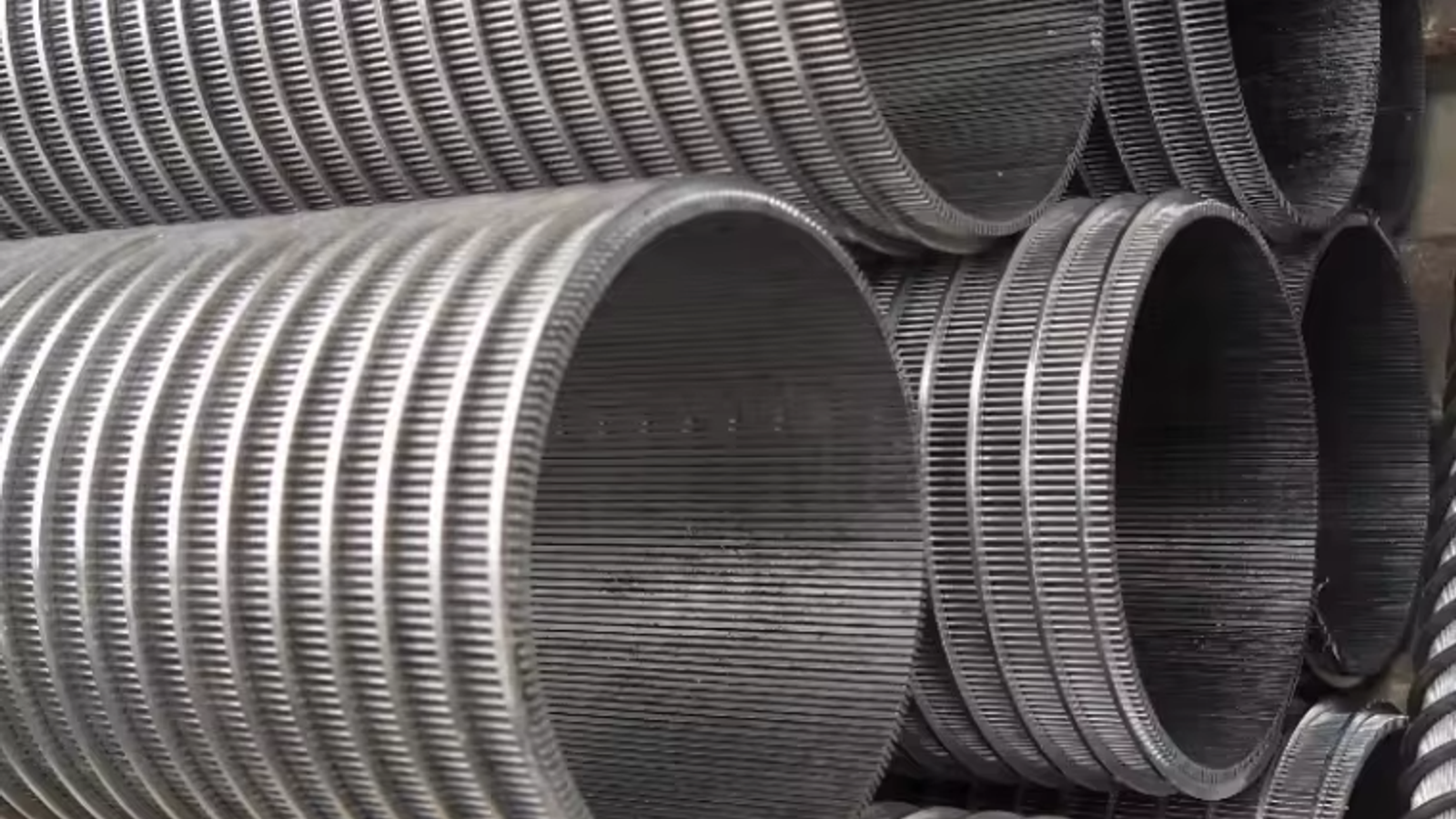
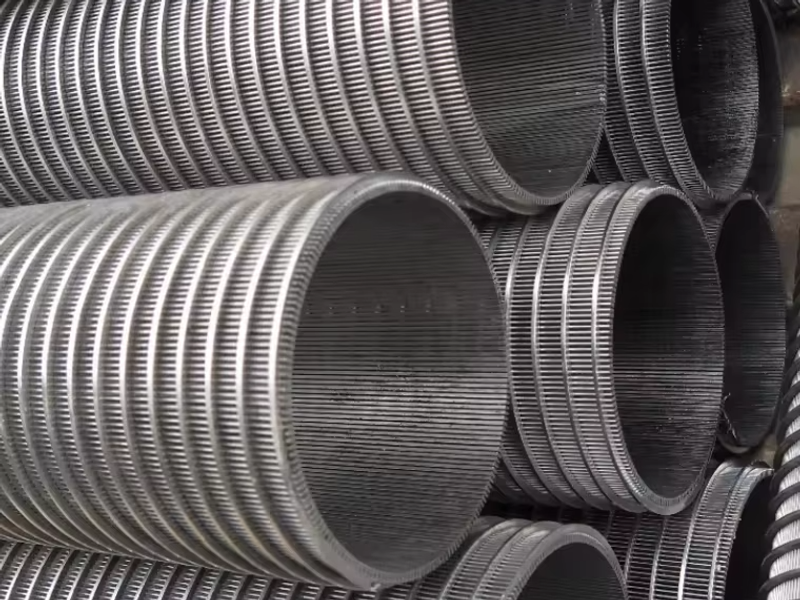
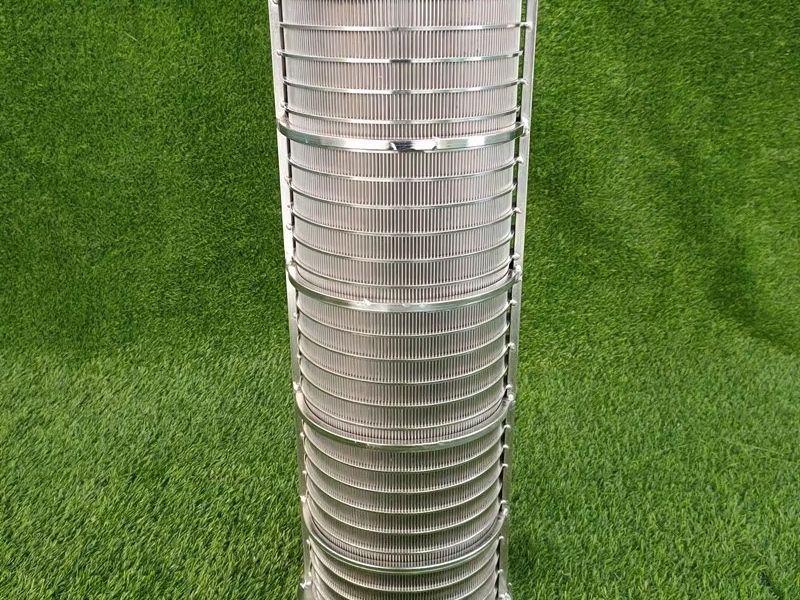
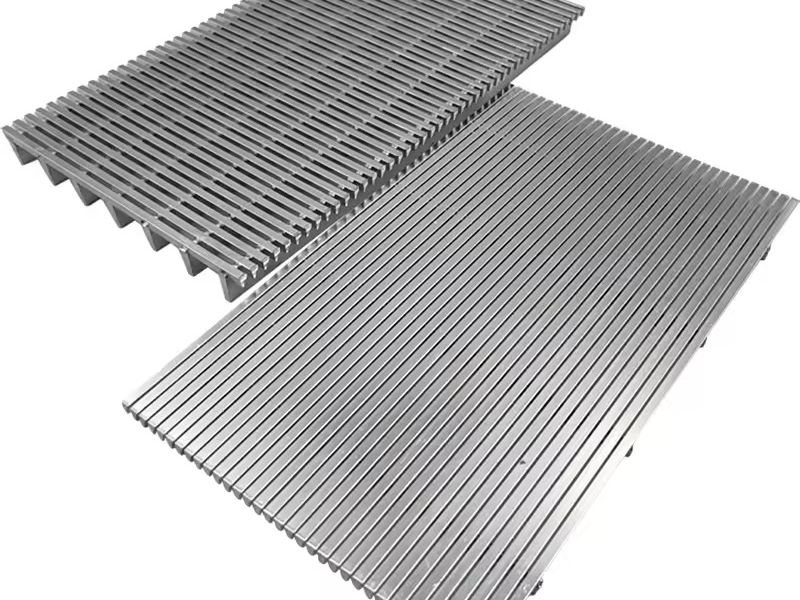
Ситото тип Джонсън — известно също като сито с клиновидна тел или сито с непрекъснат процеп — е филтриращо и сепариращо сито, произведено чрез спирално навиване на V-образна профилна тел около серия от надлъжни опорни пръти и заваряване на всяка точка на пресичане в единна, твърда конструкция. За разлика от тъканата мрежа, която създава квадратни или правоъгълни отвори, ситото тип Джонсън образува непрекъснат процепен отвор, който е най-тесен при външната филтрираща повърхност и се разширява към вътрешността. Тази геометрия е източникът на определящите експлоатационни характеристики на ситото: незапушваща се, самопочистваща се повърхност с голяма свободна площ. Стандартните ширини на процепа варират от 0.1 mm до 3.0 mm, свободната площ може да надхвърли 60%, а най-често използваните конструкционни материали са марките неръждаема стомана SS304, SS316L и duplex 2205. Тъй като размерите на процепа са заложени в самия профил на телта, а не са изтъкани в тъкан, толерансът на процепа е прецизен — обикновено ±0.05 mm или по-малък — което прави ситото тип Джонсън предпочитан избор навсякъде, където се изисква точно задържане на частици, висок дебит и дълъг експлоатационен живот.
Как работи ситото тип Джонсън
Принципът на работа на ситото тип Джонсън е измамно прост: формована профилна тел с триъгълно или трапецовидно напречно сечение се навива около успоредни опорни пръти в непрекъсната спирала, като всяка точка на контакт между телта и пръта е заварена. Плоската, широка страна на профилната тел е обърната към технологичния поток, докато по-тясната основа е обърната към вътрешността на ситото. Съседните навивки на профилната тел създават процепа — тесен отвор от външната страна, който се разширява непрекъснато към вътрешността на ситото.
Три физически ефекта произтичат директно от тази V-образна геометрия на процепа:
1. Конструкция против задръстване и със самопочистване. Частица, която е по-голяма от най-тясната точка на процепа, може леко да навлезе в отвора, но не може да премине през него, тъй като процепът се разширява навътре, вместо да остане успореден или да се стесни. Частицата се задържа само по линията на повърхностния контакт и лесно се отстранява от потока, обратната промивка или вибрациите. Вътре в процепа няма „мъртва зона“, където материалът може да се заклини и натрупа.
2. Без точки на застой. Тъй като процепите са непрекъснати — а не поредица от отделни отвори — няма остри ъгли или застойни зони, където твърдите частици могат да се задържат. Флуидът преминава по цялата дължина на процепа с плавен профил на скоростта, което поддържа повърхността чиста при работа с високо съдържание на твърди частици.
3. Висока здравина от заварен монолит. Всяка точка на пресичане на телта е непрекъснато заварена, така че ситото се държи като единна носеща конструкция, а не като гъвкава мрежа. Това осигувает на ситата тип Джонсън значително по-висока якост на смачкване и разрушаване в сравнение с тъканата мрежа с еквивалентна свободна площ и е причината те да могат да се произвеждат с големи диаметри и големи дължини без междинно укрепване. Сито тип Джонсън от неръждаема стомана 316L например може да бъде изработено с дължина от няколко метра и пак да издържа на външното налягане на дълбок кладенец или на сондаж с чакълен филтър.
Ситата тип Джонсън също така по своята същност подлежат на обратна промивка. Тъй като процепът е устойчив на запушване, а конструкцията е здрава, ситата могат да се почистват на място с обратен поток, продухване с въздух или механично почистване с четка — решаващо експлоатационно предимство пред тъканата мрежа, която може да се деформира или скъса при многократна обратна промивка.
Сито тип Джонсън в сравнение с други видове сита
Изборът на правилната технология за сита се свежда до четири променливи: точност на процепа, отворена площ, конструктивна здравина и устойчивост на запушване. Сравнението по-долу показва как се позиционира ситото Johnson спрямо трите най-често срещани алтернативи.
| Показател | Сито Johnson (клиновидна тел) | Перфорирана тръба | Сито с навита тел (кръгла тел) | Тъкана мрежа |
|---|
| Точност на процепа | Отлична (типично ±0.05 mm) | Добра (щанцоването ограничава фините процепи) | Добра | Добра; но мрежата се разтяга при употреба |
| Отворена площ | До 60%+ | 5–30% | 20–40% | 30–50% |
| Здравина | Много висока (заварен монолит) | Висока | Умерена | Ниска до умерена; деформира се при натоварване |
| Устойчивост на запушване | Висока (V-образният процеп се разширява навътре) | Умерена (паралелните отвори се запушват) | Умерена (кръглите междини улавят частици) | Ниска (квадратните отвори заклиняват твърдите частици) |
| Обратно промиване | Отлично | Добро | Умерено | Лошо (мрежата се къса при обратен поток) |
| Цена | По-висока | Ниска | Умерена | Ниска |
| Типично приложение | Сондажи; обезводняване; процесна филтрация; контрол на пясъка | Всмукване при ниско налягане; структурна опора | По-стари завършвания на сондажи; грубо пресяване | Фино полиране; сепарация при ниско налягане |
Перфорираната тръба е най-евтиният вариант, но предлага малка отворена площ и отвори с успоредни стени, които се запушват при работа с флуиди с високо съдържание на твърди частици. Ситата, навити с кръгла тел, подобряват отворената площ, но запазват процеп, който не се разширява навътре, така че се запушват по-лесно от истинско Johnson сито с V-образен профил. Тъканата мрежа превъзхожда по отношение на цена и задържане на фини частици, но жертва здравина, точност и възможност за почистване. За дълъг експлоатационен живот при взискателни условия, комбинацията на Johnson ситото от непрекъснат, саморазширяващ се процеп и заварена конструкция е трудно да бъде надмината — предмет на нашия специализиран сравнение между клиновидна тел и тъкана мрежа за приложения при водни кладенци.
12 индустрии, които разчитат на сита Johnson
1. Водни кладенци и сондажи. Johnson screens са стандартните сита за кладенци за водоснабдяване, напояване и наблюдателни кладенци. Непрекъснатият процеп задържа пясъка от водоносния хоризонт, като същевременно максимизира притока, а заварената конструкция издържа на натоварванията при монтаж и гравийна засипка. Типичните ширини на процепа са 0.3–1.0 mm в зависимост от размера на зърната на формацията. Нашите страницата за приложение при пречистване на вода и сондажни филтри детайлизира практиката за оразмеряване.
2. Обезводняване (минно дело и гражданско строителство). Дълбокото отводняване с кладенци, иглофилтърните системи и хоризонталните отводнителни кладенци използват сита от клиновидна тел за дрениране на подпочвени води от открити котловани, тунели и строителни изкопи. Самопочистващият се процеп поддържа фините частици в движение дори когато помпите работят непрекъснато в абразивна суспензия.
3. Водовземни съоръжения за пречистване на води. Общинските и промишлените съоръжения за водовземане от повърхностни води използват сита тип Джонсън за защита на помпи, филтри и мембранни системи по веригата от отломки и водни организми. Широкият и гладък профил на процепите намалява замърсяването и прави ситата много по-лесни за почистване в сравнение с перфорираните смукателни тръби. Вижте как ситата от клиновидна тел защитават водовземните съоръжения за пречистване на води за подробен преглед.
4. Нефт и газ — контрол на пясъка и гравийна засипка. Ситата с навита тел тип Джонсън са основният елемент за контрол на пясъка при завършване на сондажи с обсадена тръба и открит ствол. Ситото задържа пластовия пясък, докато V-образният процеп пропуска резервоарните флуиди, а при завършване с чакълен филтър ситото задържа самия чакълен слой. Размерът на процепите обикновено варира от 0.15 до 0.5 mm. Нашата страница за приложения в нефтената, газовата и нефтохимическата промишленост обхваща пълната гама от сондажни и наземни филтриращи продукти.
5. Нефтохимическа и химическа преработка. Ситата Джонсън служат като опорни решетки за катализатори, входни дистрибутори и продуктови филтри в реактори, колони и системи с молекулярни сита. Заварената структура поддържа катализаторните слоеве без провисване, а гладките процепи предотвратяват натрупването на фини частици от катализатора.
6. Преработка на храни и напитки. В пивоварни, линии за сокове, заводи за хранителни масла и млекопреработвателни предприятия, ситата с клиновидна тел разделят твърдите частици от течностите, служат като опора за филтриращата среда и осигуряват хигиенични повърхности без процепи, които отговарят на стандартите за контакт с храни. Класовете Duplex и 316L осигуряват устойчивост на корозия спрямо киселинни и солени технологични потоци.
7. Преработка на нишесте и захар. Промиването на нишесте, отделянето на глутен и филтрирането на сироп зависят от прецизните процепи с голяма отворена площ на ситата Джонсън. Самопочистващата се геометрия е особено ценна при работа с нишесте, където лепкавите, желатинови твърди частици бързо задръстват тъканата мрежа.
8. Въгледобив и преработка на минерали. Панелите и ситата с клиновидна тел извършват класифициране, обезшламяване и обезводняване на въглища, инертни материали и руди. Голямата отворена площ максимизира дренажа върху вибриращите сита, докато непрекъснатият процеп предотвратява задръстването, причинено от частици с близки до процепа размери. Нашата страница за пресяване в минната промишленост и инертните материали и ситови панели от клиновидна тел покриват гамата от конструкции на панели.
9. Целулоза и хартия. Напорните сита, промивателите за целулоза и влакноуловителите използват ситови кошници и цилиндри Johnson за разделяне на влакна и отстраняване на замърсители. Гладките, непрекъснати процепи защитават качеството на влакната и са лесни за поддържане чисти във влакнеста среда с висока степен на замърсяване.
10. Пречистване на отпадъчни води. Фините сита, решетките, ситата за утайки и ситата за приемане на септични води разчитат на клиновидна тел за улавяне на твърди частици и обезводняване в общински и промишлени пречиствателни станции за отпадъчни води. Ширината на процепите варира от 0,5 mm за фино пресяване до няколко милиметра за груба защита.
11. Селско стопанство — почистване на зърно и семена. Ситата от клиновидна тел разделят зърната и семената по ширина, отстраняват плявата и фините частици и служат като опорни плочи в сушилни. Тяхната издръжливост при постоянно триене и вибрации ги прави дълготраен заместител на перфорираната ламарина в транспортното оборудване.
12. Смолоуловители в електроцентрали. Системите за пречистване на кондензат и йонообменните системи в електроцентралите използват ситови цилиндри Johnson за задържане на смолистите зърна в съда, докато пропускат пречистената вода. Точният процеп (обикновено 0,2–0,5 mm) задържа смола с размер 16–50 mesh без загуби, а заварената конструкция се справя с пиковете в дебита при регенерация. Нашите ситови цилиндри от клиновидна тел се използват широко за това приложение.
Материали и качество на производството
Ефективността на ситото тип Джонсън зависи в същата степен от материалите и производствената дисциплина, колкото и от геометрията. KAIFIL произвежда сита с клиновидна тел в трите класа, които доминират в промишлената практика:
- SS304 — икономичният избор за чиста вода, леки химикали и обща филтрация, където излагането на хлориди е ниско.
- SS316L — основният работен клас за морска вода, полусолена вода, отпадъчни води, хранително-вкусовата промишленост и повечето химически приложения. Съдържанието на молибден осигурява значително по-добра устойчивост на питингова и пукнатинна корозия в сравнение с 304.
- Duplex 2205 — предназначен за агресивни, богати на хлориди среди и среди със съдържание на сероводород, като офшорни водоприемници, обработка на саламура и определени сондажни условия, където по-високата якост и устойчивост на корозия оправдават по-високата цена.
Допускът на процепа се поддържа в рамките на ±0,05 mm или по-добър, така че ефективността на задържане да бъде предвидима от чертежа до доставения детайл. Качеството на заваряване е вторият определящ фактор за експлоатационния живот: всяко съединение между телта и опорния прът трябва да бъде непрекъснат заваръчен шев с пълно проваряване, без празнини, които биха могли да задържат замърсявания или да инициират пукнатинна корозия. Лошите заварки също така създават концентратори на напрежение, които съкращават експлоатационния живот при умора под въздействието на вибрации или циклични промени в налягането. Авторитетните доставчици извършват контрол на размерите, проверки за равномерност на процепите и проверка на целостта на заваръчните шевове преди изпращане и предлагат изработени по поръчка филтриращи компоненти от неръждаема стомана , произведени по точните спецификации на потребителя за размер на процепа, диаметър и дължина.
Често задавани въпроси
За какво се използва ситото тип Джонсън? Ситото тип Джонсън се използва навсякъде, където е необходимо здраво, прецизно и незапушващо се сито за разделяне на твърди частици от течности или газове: водни кладенци, обезводняване, защита на водовземни съоръжения, контрол на пясъка в нефтената и газовата промишленост, хранително-вкусовата промишленост, минното дело, целулозно-хартиената промишленост, пречистването на отпадъчни води и задържането на смоли в електроцентрали.
Каква е разликата между сито тип Джонсън и перфорирана тръба? Перфорираната тръба е тръба с пробити или щанцовани кръгли отвори. Нейните отвори са с успоредни стени, поради което частиците се заклиняват и я запушват, а отворената площ е ограничена до приблизително 5–30%. Ситото тип Джонсън използва непрекъснат V-образен процеп, който се разширява навътре, осигурявайки до над 60% отворена площ, точен размер на процепа и самопочистващо се поведение – на по-висока цена, която се компенсира от експлоатационния живот и намалената поддръжка.
Какви размери на процепите се предлагат? Стандартните процепи на ситата тип Джонсън варират от 0.1 mm до 3.0 mm, с толеранс от ±0.05 mm. Оптималният процеп зависи от размера на частиците, които трябва да задържите: за фин контрол на пясъка и уловители на смола обикновено се използват 0.15–0.5 mm, докато ситата за водни кладенци и водовземни съоръжения обикновено са с размер 0.5–1.0 mm и по-груби.
Самопочистващо се ли е ситото тип Джонсън? Да. Тъй като всеки процеп е най-тесен на повърхността и се разширява навътре, задържаните частици влизат в контакт с процепа само в една линия и лесно се отмиват от потока или при обратно промиване. Ситото е устойчиво на запушване и може да се почиства на място, за разлика от тъканата мрежа, която е склонна да улавя частици в квадратните пресечни точки.
Колко дълго издържа сито тип Джонсън от неръждаема стомана? При правилен избор на материал и разумни работни условия, сито тип Джонсън от 316L или duplex 2205 обикновено издържа 10–20 години при работа във водни кладенци и водовземни съоръжения, и няколко години при по-агресивни химически или абразивни условия. Заварената монолитна конструкция означава, че ситото не се разплита или деформира с течение на времето, за разлика от тъканите или навитите с тел алтернативи.
Имате ли нужда от сито тип Джонсън по поръчка?
Ако имате нужда от сито тип „Джонсън“ или сито с клиновидна тел, проектирано за вашия процес — независимо дали е сондажен филтър, водовземащ филтър, обезводнителен панел, филтър за контрол на пясъка или уловител на смола — KAIFIL произвежда по ваша точна спецификация. Изпратете на нашия търговски отдел вашия размер на процепа, диаметър на ситото, дължина, клас на материала и подробности за приложението, и ние ще ви отговорим с ценова оферта и препоръка за производство. Разгледайте нашата гама от филтърни тръби с клиновидна тел или поискайте изработена по поръчка част от сито от клиновидна тел, и получете конкурентна оферта днес.