Selection Guide
Wedge Wire Screens for Water Treatment Intake: A Sizing Guide
Wedge wire intake screens hold slot openings from 0.05 to 10mm and self-clean under continuous flow. Compare screen types before you spec a water intake.
Wedge wire intake screens hold slot openings from 0.05 to 10mm and self-clean under continuous flow. Compare screen types before you spec a water intake.
A clogged intake screen doesn't fail quietly — it throttles flow to the whole downstream system until someone pulls it for cleaning. Wedge wire screens exist specifically to push that maintenance interval as far out as possible, and the reason comes down to geometry, not just material.
This guide covers how wedge wire screens work, which screen form fits which intake setup, and what to specify before you order.
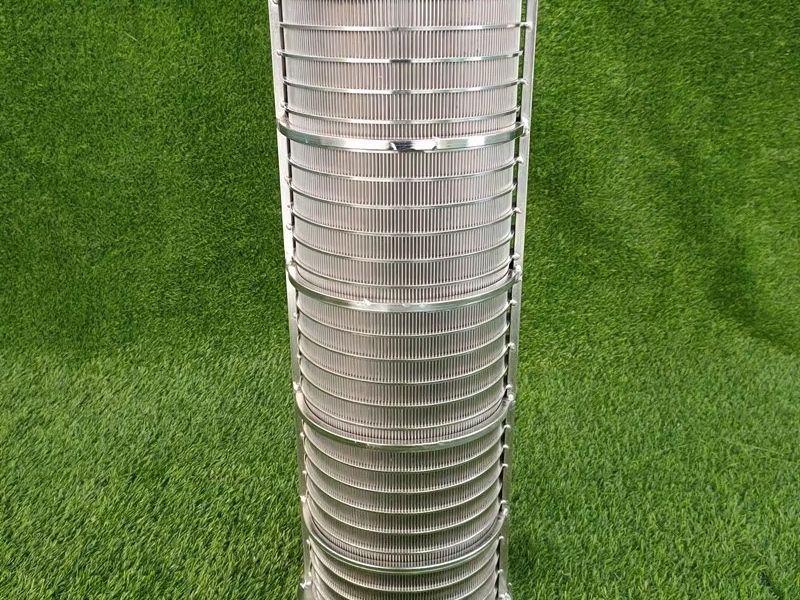
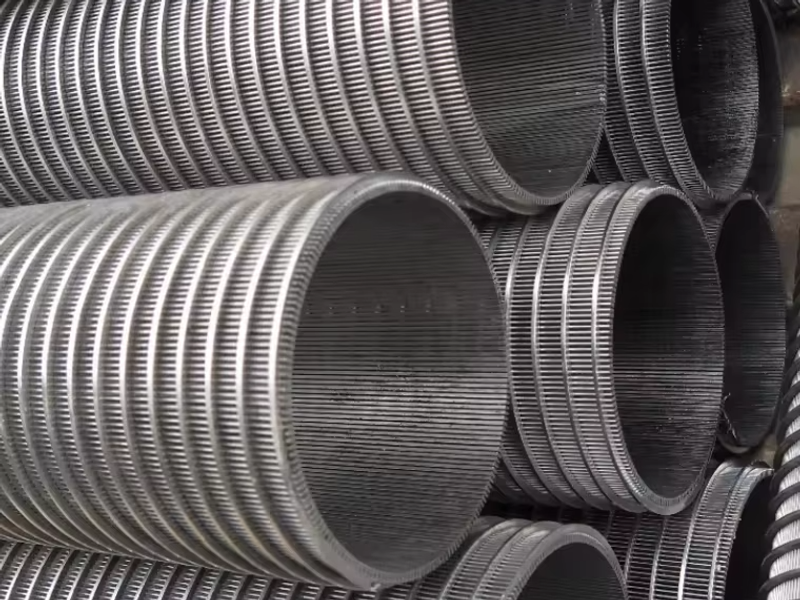
The V-shaped wedge wire profile is the mechanical reason wedge wire outperforms flat wire mesh at the same nominal opening in continuous-flow intake service. Each wire is wider on the inside face than the outside, so a particle that enters the slot has more room to pass through than one trying to lodge and bridge across the opening.
That geometry is what gives wedge wire its anti-clogging and self-cleaning characteristics under continuous flow — debris that would build a stable bridge across a woven mesh opening tends to get carried through or washed off a wedge wire slot instead.
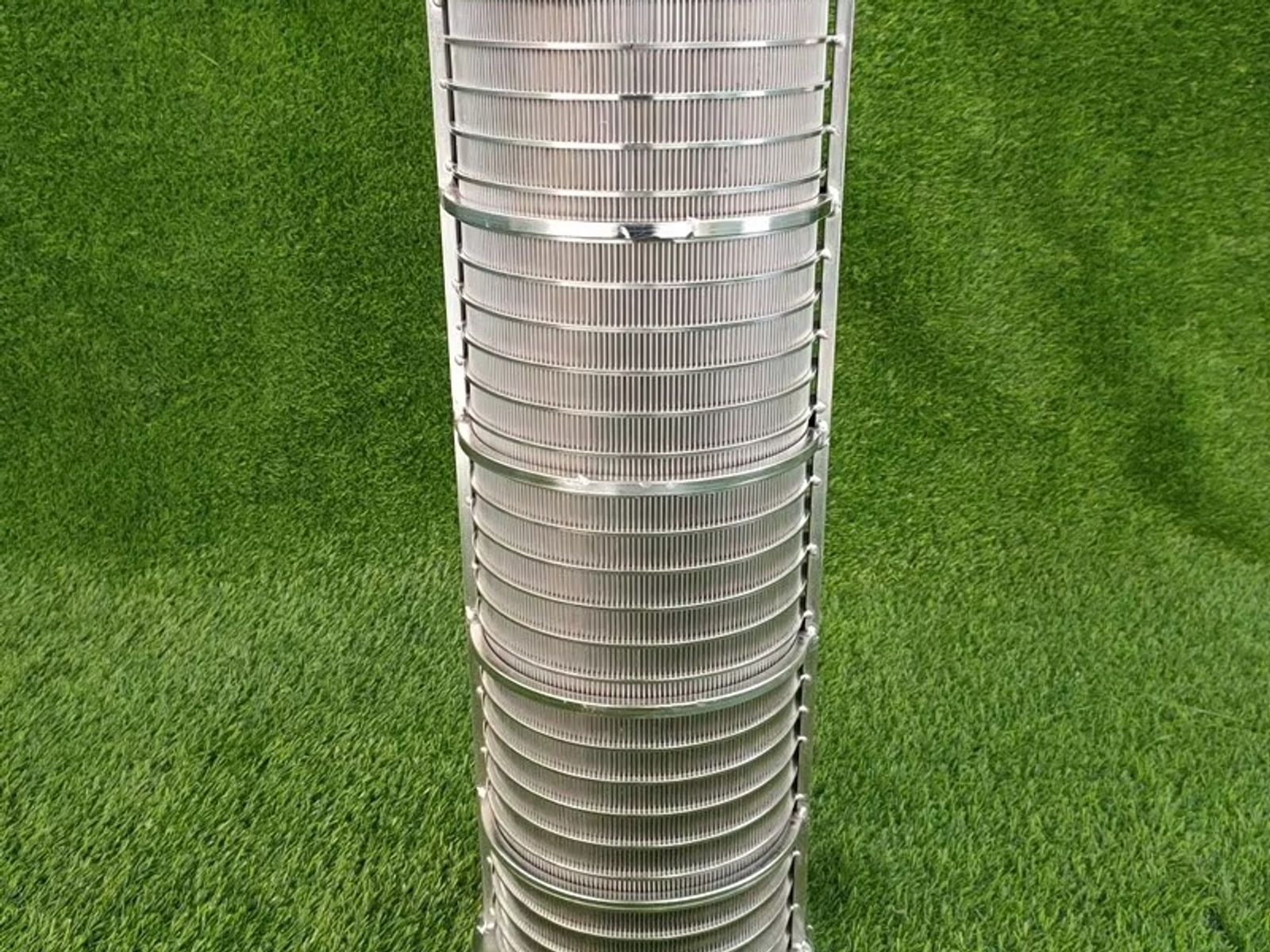
The detail that gets missed on first-pass intake designs isn't slot size — it's that open area, not slot width alone, determines approach velocity, and approach velocity is usually what regulatory fish-protection requirements actually govern. Two screens with identical slot openings can have meaningfully different open-area percentages depending on wire spacing and profile.
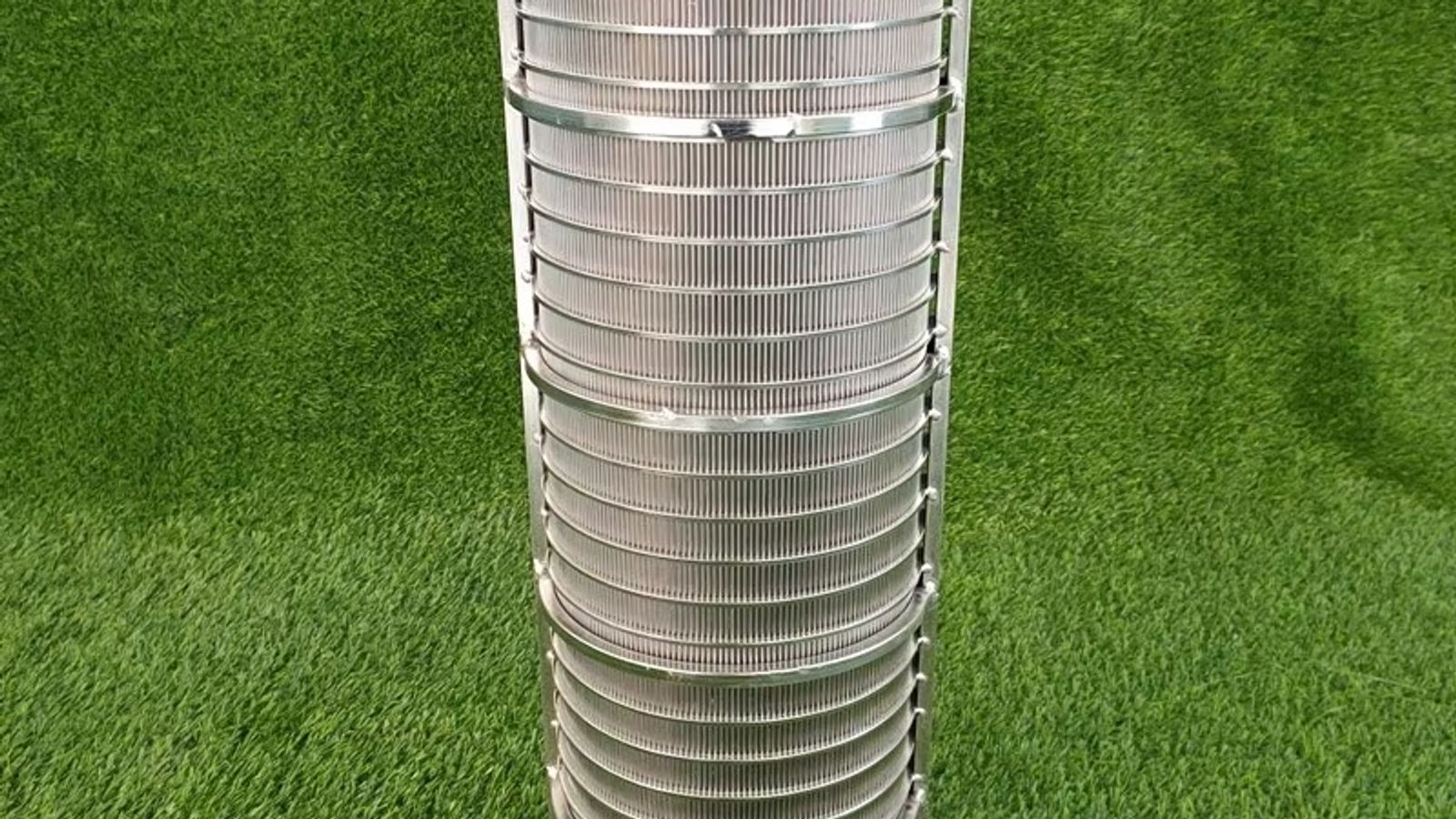
T-intake, half-barrel, I-type, and drum screens each suit a different flow pattern, and picking based on slot size alone without matching the form to your site geometry is a common design miss. Drum-style screens work well for lakes and reservoirs without a strong linear flow direction, and they fit installations where space restrictions rule out a T-intake configuration.
| Screen Form | Best Fit |
|---|---|
| T-intake / pipe screen | Rivers and channels with directional flow |
| Drum / cylinder | Lakes; reservoirs; non-linear flow; space-constrained sites |
| Half-barrel | Shoreline or bank-mounted intakes |
| Flat panel | Sieves; dewatering; and drainage applications |
Isn't it tempting to just order whatever slot size the spec calls for and let the installer figure out orientation? That approach is exactly how you end up with an intake screen fighting its own flow pattern instead of working with it — form factor is a design decision, not an installation detail.
Slot openings for wedge wire intake screens typically run from about 0.05 to 10 mm, and the right choice depends on the smallest debris size your downstream system needs excluded, balanced against how much open area you can afford to lose to a finer slot. Coarser slots protect pumps and pipelines from gross debris; finer slots start doing real fish-protection and fine-sediment work, at the cost of higher approach velocity for a given flow rate.
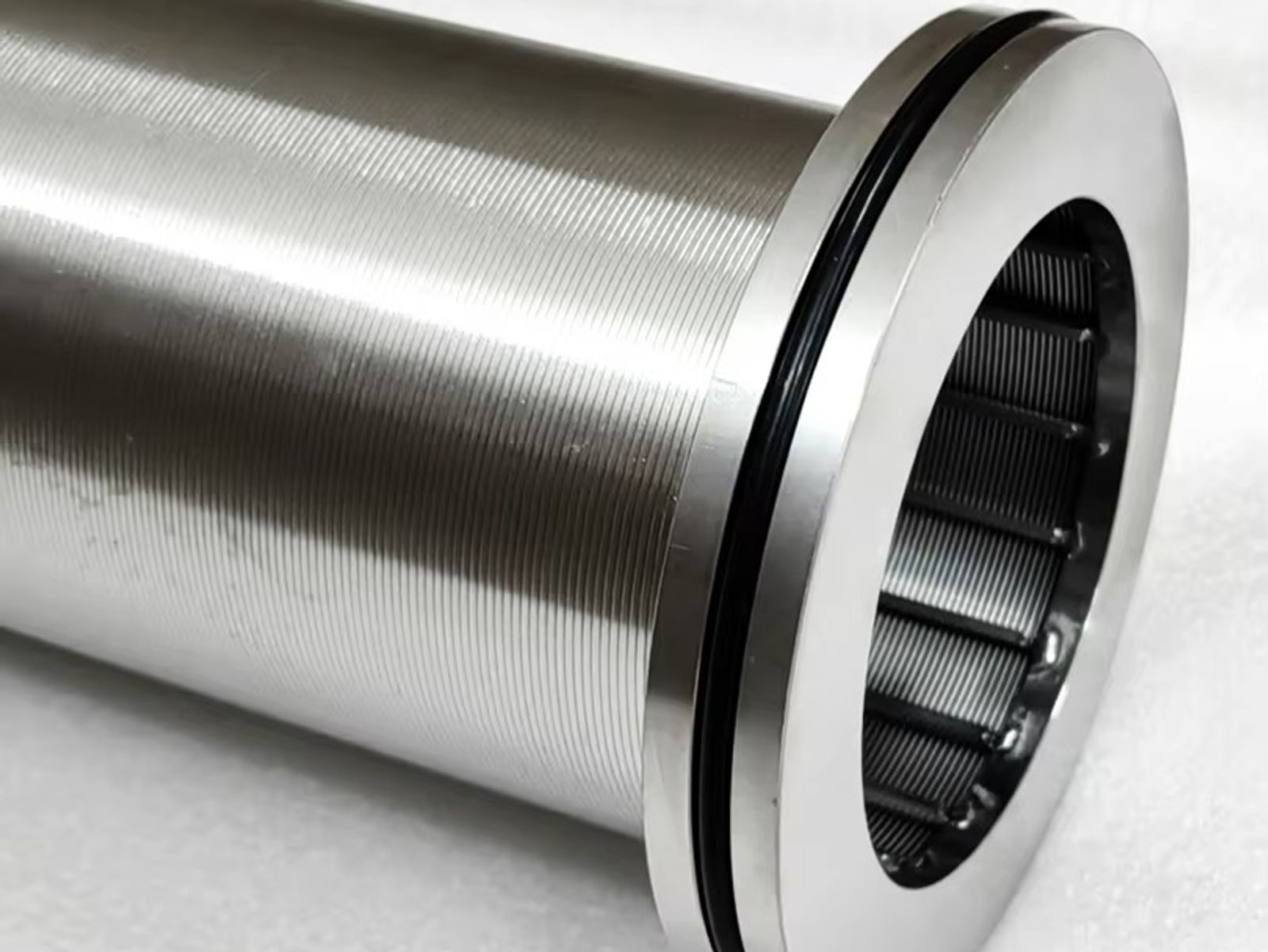
On municipal and industrial intake RFQs, the slot size that gets requested initially and the slot size that actually ships after engineering review are frequently different — regulatory fish-protection velocity limits, not just debris size, often end up driving the final spec once the full flow calculation is done.
Yes — freshwater and seawater intakes call for different material grades even at identical slot geometry. SS304 covers general freshwater service adequately, while SS316L holds up better against the chloride exposure in brackish or seawater intakes. Where H2S or aggressive chemical exposure is present, Duplex 2205, Hastelloy, or Inconel become the practical choice over standard stainless.
Applications span water wells and municipal intake screening, food and beverage processing, mining and aggregate separation, pulp and paper solids separation, and resin trap or distributor internals — all using the same underlying wedge wire geometry with material and slot size adjusted per service.
A T-intake screen is designed for directional flow in rivers or channels, while a drum screen suits lakes, reservoirs, or sites without a strong linear flow pattern and can be installed vertically or horizontally in space-constrained locations.
The V-shaped wire profile widens on the inside face, giving trapped particles more room to pass through rather than bridging across the opening — perforated plate and flat mesh don't share this self-cleaning geometry.
It depends on your regulatory jurisdiction and target species, but fish-protection screening typically drives finer slots and lower approach velocity requirements than debris exclusion alone — confirm the governing velocity limit before finalizing slot size, not just the minimum fish size.
Yes, with the right material grade — SS316L handles moderate chloride exposure, while more aggressive seawater or brackish conditions may call for Duplex 2205 or higher alloys to prevent pitting and crevice corrosion over the screen's service life.
Yes — the same open, non-bridging slot geometry that resists clogging under continuous flow also makes wedge wire screens straightforward to backwash and clean, extending service intervals compared to fine woven mesh at a similar rating.
Slot size gets most of the attention on an intake screen spec, but form factor and material grade are equal decisions — get all three wrong independently and the screen underperforms even if the slot size on paper looks correct.
For a site-specific recommendation, send your flow rate, water source (fresh/brackish/seawater), and target debris size through KAIFIL's custom fabrication service, or visit the wedge wire screens product page for standard forms and materials.
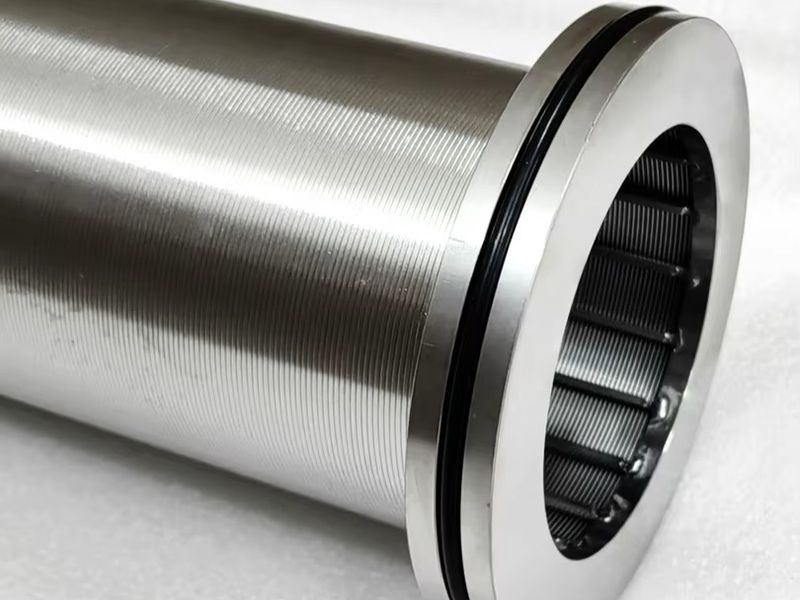
Screen cylinders / pipes / baskets for intake, resin traps, strainers and distributor internals, supplied to drawing with material, size and packing details confirmed at RFQ stage.
Continuous-slot screen pipe for wells, vessel internals, resin traps and dewatering systems.
Custom wedge wire screens / shaped panels / assemblies for non-standard dewatering, intake and separation equipment, supplied to drawing with material, size and packing details confirmed at RFQ stage.
Send drawings, dimensions, material, environment or operating conditions, and we will help confirm the right specification.
Uploaded reference files are included with the inquiry. For larger CAD packages, reply to the confirmation email or send them here:
Our team typically replies within 24 business hours.