Filtrarea prin extrudare a plasticului reciclat este un proces în care polimerul topit recuperat din deșeuri PE/PP post-consum (PCR) și post-industriale este forțat să treacă prin site din plasă de sârmă țesută din oțel inoxidabil, situate între șurubul extruderului și filieră, pentru a îndepărta contaminanții solizi înainte ca topitura să fie fasonată în film, folie sau granule. Este o etapă de separare continuă, cu flux direct, care funcționează la temperaturi ale topiturii de aproximativ 180–260°C (356–500°F), la presiuni care pot depăși 300 bar pe liniile de film suflat, și se bazează pe un pachet compact de discuri din plasă, fixat într-un schimbător de site cu placă glisantă, rotativ sau continuu. Intervalele de schimbare a sitelor variază enorm în funcție de calitatea alimentării — de la o dată pe schimb în cazul PCR puternic contaminat, până la o dată pe săptămână pentru materialul măcinat post-industrial curat — iar această variație este guvernată aproape în întregime de selecția plasei și de designul pachetului de site. Deoarece rășina reciclată conține mult mai mulți contaminanți decât polimerul virgin, filtrarea nu este un accesoriu pe o linie de reciclare; este componenta care decide dacă linia produce o producție vandabilă sau un flux de rebuturi pline de defecte. În termeni practici, filtrarea prin extrudare a plasticului reprezintă diferența dintre o operațiune de recuperare profitabilă și o luptă continuă cu problemele.
1. Încărcarea ridicată cu contaminanți colmatează o singură sită fină în mai puțin de o oră
Cea mai frecventă defecțiune pe liniile de rășină reciclată nu este calitatea slabă a topiturii în amonte — ci viteza cu care contaminarea colmatează sita. Fulgii și peletele PCR pot conține 3–8% în greutate material non-polimeric: etichete din hârtie și carton, adezivi sensibili la presiune și adeziv termofuzibil, așchii de metal de la lamele tocătorului, fibre de lemn de la paleți și lăzi, nisip și particule fine de sticlă. Când această încărcătură lovește o singură sită fină — sita de 80 sau 100 mesh cu care încep mulți operatori deoarece oferă o calitate acceptabilă a foliei — suprafața deschisă se umple în câteva zeci de minute, iar în cazul loturilor necorespunzătoare, o sită care ar trebui să funcționeze ore întregi se poate colmata în mai puțin de o oră. Rezultatul este o creștere bruscă a contrapresiunii, un debit redus și o schimbare a sitei care costă între zece și douăzeci de minute de timp de nefuncționare, plus rebuturi de tranziție de fiecare dată când se întâmplă acest lucru.
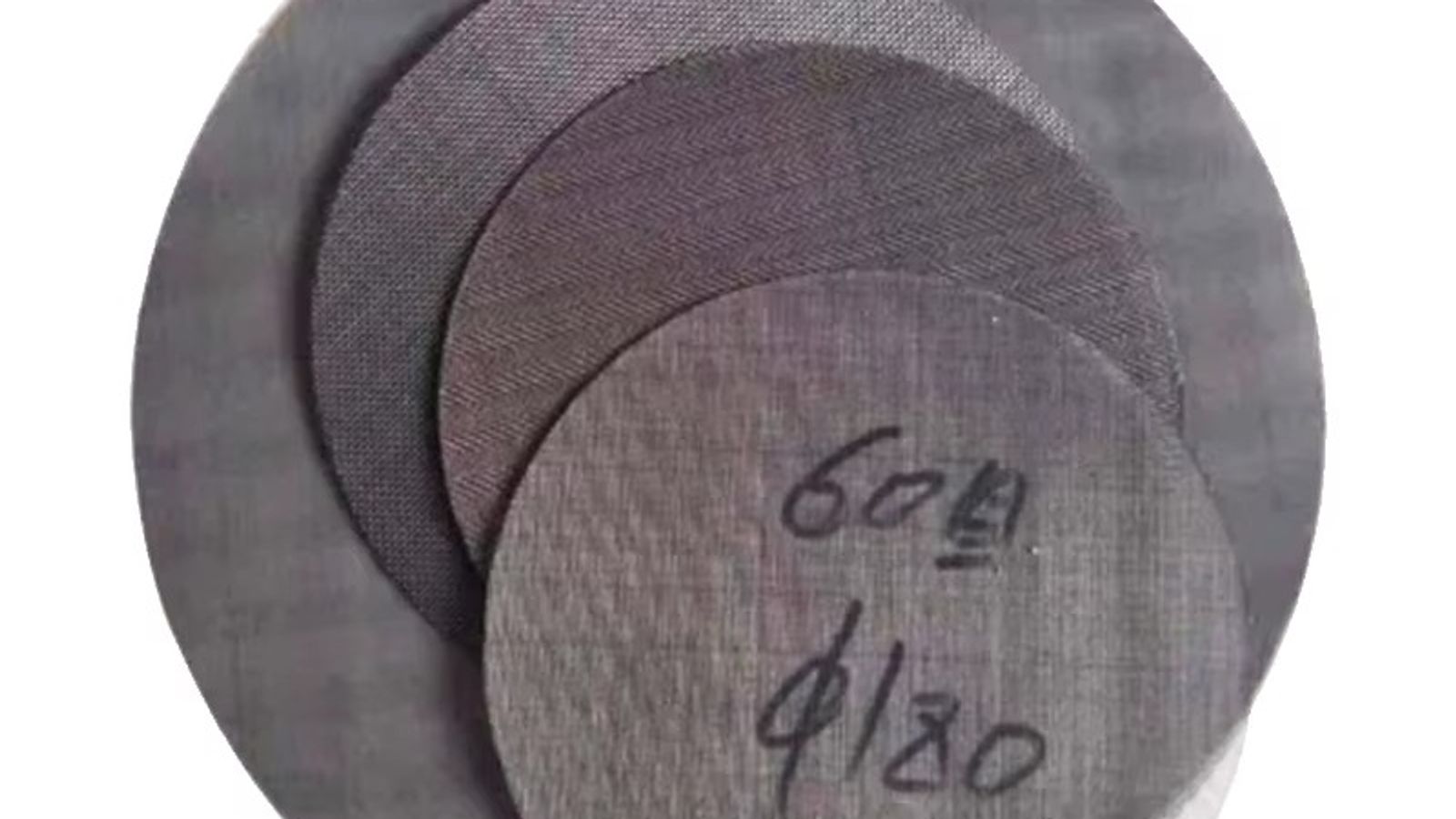
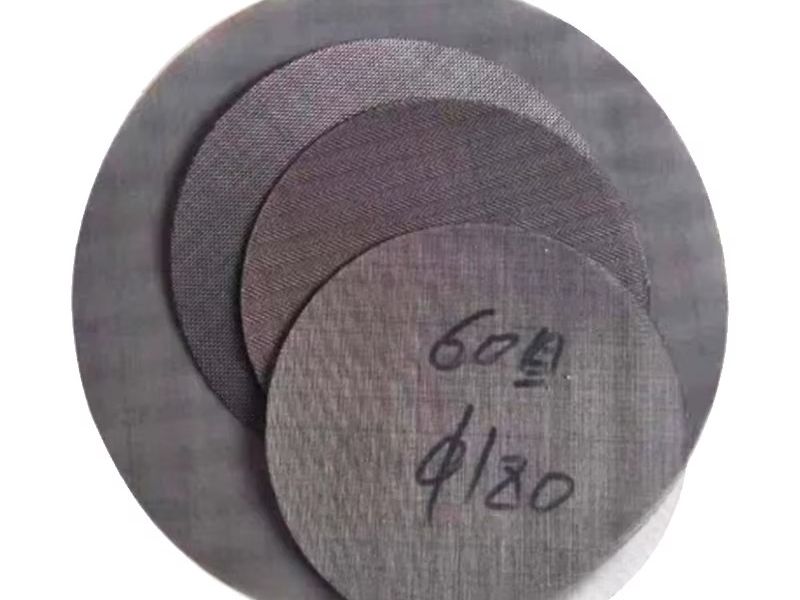
Soluția cu sită din sârmă de oțel inoxidabil constă în a nu mai solicita unei singure site să realizeze întreaga filtrare. Un pachet progresiv de site așază în straturi site grosiere în amonte (de obicei mesh 20/40) pentru a intercepta cea mai mare parte a hârtiei, aglomerărilor de adeziv și fibrelor, având sita fină de finisare (mesh 80–120) în aval, unde aceasta întâlnește topitura din care au fost deja eliminate impuritățile grosiere. Deoarece fiecare strat captează o fracțiune de dimensiune diferită, reținerea impurităților este distribuită pe întregul pachet, în loc să fie concentrată într-un singur disc. Discuri de sită pentru extruder pentru liniile de reciclare sunt construite exact în acest mod — ca un set asortat cu un strat protector grosier pe partea de proces, astfel încât sita fină să reziste timp de schimburi întregi, nu doar câteva minute. Pe liniile unde contaminarea crește sezonier, reducerea stratului grosier cu un mesh count mai grosier în acele luni este o ajustare cu cost zero care poate aduce ore suplimentare de viață sitei.
2. Gelurile și punctele negre din polimerul degradat cauzează defecte în folii și plăci
Nu orice defect din folia reciclată provine din impurități solide. O mare parte este cauzată de geluri și puncte negre — polimer care s-a reticulat sau s-a carbonizat undeva în istoricul său de topire: o zonă moartă în șnecul extruderului, un adaptor supraîncălzit sau o rășină care a trecut prin mai multe cicluri termice. La temperaturi de topire de 180–260°C, fragmentele de lanț se recombină, vâscozitatea locală crește, iar rezultatul constă în particule dure, asemănătoare gelului, care pot varia de la 10 µm până la câteva sute de microni. În folia suflată, o singură particulă de gel poate produce un ochi de pește, un por sau o ruptură; în plăci și termoformare, aceasta creează imperfecțiuni pe care procesatorii din aval le resping pe loc.
Soluția este o filtrare suficient de fină pentru a capta populația de geluri relevantă pentru produsul final, iar această decizie este determinată de mesh count, nu de speranță. Pentru sortimentele de folie, 100–150 mesh este tipic; pentru plăci și produse cu grosime mare unde finisajul suprafeței este mai puțin exigent, 60–80 mesh este adesea suficient. Efectul de filtrare este fizic — un gel mai mare decât deschiderea ochiului sitei este oprit la țesătură — astfel încât regula practică este: specificați cea mai fină sită pe care linia o poate suporta fără colmatare și verificați alegerea printr-o monitorizare a căderii de presiune în prima oră de producție. Operatorii care folosesc un singur mesh count pentru fiecare produs fie supra-filtrează materialul curat și pierd din debit, fie sub-filtrează materialul murdar și livrează folie cu defecte. Mesh count-ul corect este un compromis între eliminarea particulelor și capacitatea de reținere a impurităților și se schimbă în funcție de produs, nu de obicei.
3. Vârfuri de presiune și intervale imprevizibile de schimbare a sitei
Un schimbător de site nu se defectează brusc; se defectează treptat, iar apoi dintr-odată. Pe măsură ce pachetul se încarcă, contrapresiunea crește lent și apoi accelerează pe măsură ce calea de curgere rămasă se îngustează. Operatorii care schimbă sitele „când presiunea atinge X bar” trăiesc cu un program care variază — o schimbare la fiecare patru ore într-o zi, la fiecare nouă ore în următoarea — deoarece încărcarea cu impurități variază de la un lot la altul. Intervalele de schimbare imprevizibile sunt mai rele decât cele frecvente: acestea produc vârfuri de presiune, fluctuații ale fluxului de topitură, acumulări la filieră și variații ale manometrului, obligând supervizorii să urmărească un indicator în loc să conducă linia de producție.
Soluția cu sită metalică are două părți. În primul rând, construirea pachetului pentru o reținere constantă a impurităților. O stratificare progresivă, de la grosier la fin, captează contaminarea în mod previzibil, astfel încât creșterea presiunii urmează o curbă repetabilă, iar schimbările pot fi programate în loc să fie doar o reacție la probleme. În al doilea rând, mărirea suprafeței active de filtrare. O sită cu diametru mai mare sau un pachet cu mai multe straturi distribuie sarcina pe o suprafață deschisă mai mare și aplatizează curba de presiune; pentru aceeași rășină, dublarea suprafeței de filtrare poate dubla cu aproximație timpul dintre schimbări. Pe liniile cu nivel ridicat de contaminare, trecerea de la o singură sită la un pachet adaptat reprezintă diferența dintre a reacționa la un vârf de presiune în fiecare schimb și a efectua schimbarea la un interval fix, fără surprize.
4. Contaminanții duri deteriorează placa perforată și zona de calibrare a filierei
Așchiile metalice de la dinții tocătorului, particulele fine de sticlă, pietrele și reziduurile carbonizate dure de polimer nu doar înfundă sita — particulele care trec prin ea sau care se blochează la marginea sitei zgârie placa perforată și zona de calibrare a filierei. O placă perforată zgâriată direcționează topitura în jurul pachetului, permițând polimerului nefiltrat să ocolească complet sita. O zonă de calibrare zgâriată creează linii de filieră: dungi permanente pe film și folie pe care nicio filtrare ulterioară nu le mai poate elimina. Ambele defecțiuni sunt costisitoare. Plăcile perforate sunt componente rectificate cu precizie, iar recondiționarea unei filiere se măsoară în zile, nu în ore.
Soluția constă în oprirea particulelor dure înainte ca acestea să ajungă la sculele de precizie. O sită de sacrificiu grosieră (20–30 mesh) plasată în amonte captează fragmentele dure mari, în timp ce pachetul fin din aval le reține pe cele mai mici. Pe liniile cu o problemă cunoscută de contaminare cu metale, răspunsul corect este detectarea metalelor în amonte sau separarea magnetică, în loc de a se baza exclusiv pe sită pentru această sarcină — însă sita este ultima linie de apărare, iar un pachet corect specificat este cel care împiedică o așchie de șnec de 3 mm să ajungă pe zona de calibrare a filierei. Discurile cu ramă sunt de asemenea importante aici: rama profilată previne deformarea sau deplasarea discului sub acțiunea presiunii diferențiale create de o sită înfundată, păstrând etanșarea pe margini și calea de filtrare, astfel încât contaminarea să nu poată trece pe lângă pachet.
5. Costul pachetului de site și aspectele economice ale înlocuirii
Pachetele de site sunt un consumabil, iar pe o linie de reciclare reprezintă o poziție de cost pe care managerii de achiziții o observă cu adevărat. Înmulțiți numărul de schimbări pe schimb cu costul pachetului, minutele de nefuncționare și rebutul de tranziție generat la repornire, iar o sită „ieftină” poate deveni cel mai scump consumabil de pe linie. Capcana constă în optimizarea prețului unitar în loc de costul per schimbare. Un disc simplu de 60 mesh costă mai puțin pe bucată decât un pachet stratificat — dar dacă este schimbat de două ori mai des, iar fiecare schimbare costă zece minute de producție pierdută plus folia care trebuie aruncată în timp ce linia se restabilizează, discul mai ieftin aduce pierderi.
Aspectele economice înclină în favoarea unei filtrări corecte, nu a celei mai ieftine plase. Costul per tonă de polimer filtrat este indicatorul care contează, iar acesta este determinat de capacitatea de reținere a impurităților: un pachet care reține o cantitate dublă de impurități înainte ca presiunea să crească funcționează de două ori mai mult în utilaj. Pentru liniile cu un nivel foarte ridicat de contaminare, calculul se schimbă din nou, deoarece timpul de nefuncționare eclipsează costul consumabilului. Acesta este momentul în care operatorii trec de la discuri de unică folosință la medii sinterizate curățabile, care rămân în funcțiune timp de săptămâni și revin pe linie după curățare — un model de cost complet diferit.
Alegerea sitei potrivite pentru liniile de reciclare
Începeți cu progresia numărului de ochiuri
Numărul de ochiuri (mesh count) reprezintă numărul de deschideri pe inch liniar și corespunde direct ratingului în microni: 40 mesh este egal cu 425 µm, 60 mesh este egal cu 250 µm, 80 mesh este egal cu 180 µm, 100 mesh este egal cu 150 µm, 150 mesh este egal cu 105 µm, iar 200 mesh este egal cu 74 µm. Relația nu este liniară — trecerea de la 80 la 150 mesh înjumătățește aproximativ dimensiunea deschiderii — motiv pentru care o schimbare de o singură treaptă a numărului de ochiuri poate modifica dramatic atât finețea filtrării, cât și rata de colmatare. Pentru folia din PE/PP reciclată, majoritatea liniilor utilizează o progresie de la grosier la fin care se termină în intervalul 60–120 mesh; produsele cu grosime mare și cele de calitate pentru paleți se pot finaliza cu o filtrare mai grosieră. Un tabel de conversie de la mesh la microni este referința corectă atunci când se traduce o specificație în microni de la un client sau de la un furnizor de filiere într-un pachet de site real.
Țesătură simplă vs. țesătură olandeză vs. plasă sinterizată
Țesătura simplă este țesută din sârme de urzeală și bătătură egale pentru a produce ochiuri pătrate și uniforme. Aceasta oferă o filtrare predictibilă în intervalul 150–1000 µm, o cădere de presiune scăzută și cel mai mic cost per disc, ceea ce o face opțiunea implicită pentru straturile grosiere ale unui pachet de reciclare. Țesătura olandeză folosește sârme fine de urzeală și sârme de bătătură mai groase, strâns compactate, producând ochiuri în formă de pană care ating praguri de filtrare de la aproximativ 5 µm până la 150 µm, cu o capacitate mult mai mare de reținere a impurităților pe unitatea de suprafață decât țesătura simplă la același rating de microni. Plasă de sârmă cu țesătură olandeză este alegerea standard atunci când o linie de reciclare trebuie să filtreze mai fin de 100 mesh fără rata de colmatare a unei țesături pătrate simple. Plasa sinterizată îmbină mai multe straturi țesute sub acțiunea căldurii și a presiunii, producând un laminat rigid, de înaltă rezistență, cu grade de filtrare în microni de până la 1 µm și o integritate structurală foarte ridicată.
Discuri cu margine vs. simple
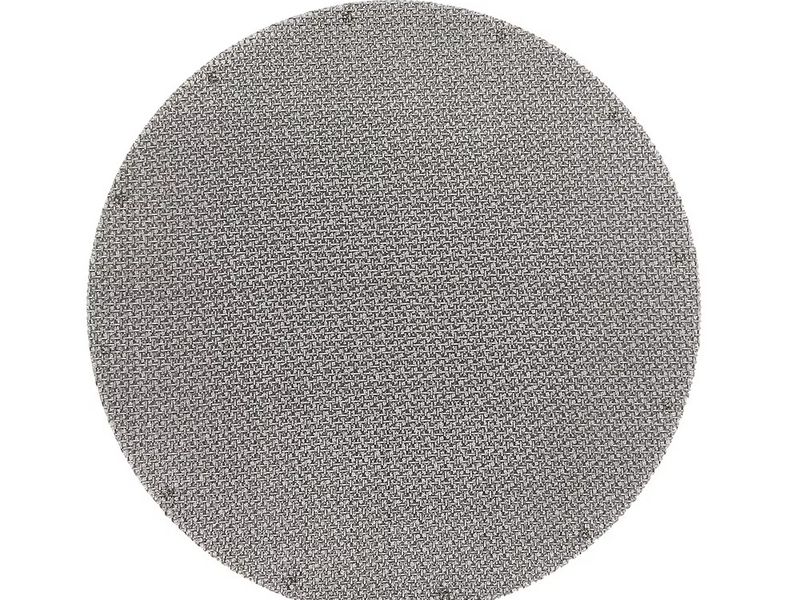
Discurile simple depind în întregime de forța de strângere a plăcii perforate sau a carcasei schimbătorului pentru a fi menținute în poziție și pentru a asigura etanșarea marginilor. Acestea sunt mai ieftine și perfect adecvate pentru linii curate și bine întreținute. Discurile cu ramă au o ramă metalică profilată care fixează straturile de sită împreună, rigidizează discul și creează o etanșare sigură pe margine. Discuri filtrante din plasă de sârmă cu margine sunt alegerea mai bună pentru liniile de rășină reciclată, deoarece contaminarea la marginea pachetului este frecventă, iar o ramă previne bypass-ul pe care un disc simplu deplasat sau deformat îl poate crea sub presiune.
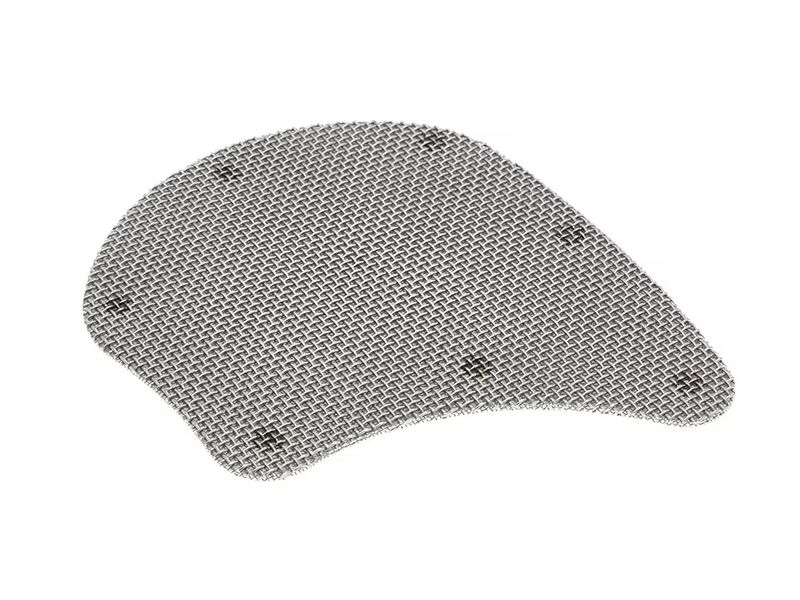
Schimbătoarele de site nu sunt toate circulare. Schimbătoarele rotative, schimbătoarele cu flux continuu și unele modele de filiere europene utilizează geometrii alungite, ovale sau cu orificii multiple, iar utilizarea unui disc rotund standard într-un suport necircular lasă spații nefiltrate. Discuri filtrante din plasă de sârmă cu forme personalizate sunt fabricate pentru a se potrivi exact cu geometria suportului, astfel încât întregul flux de topitură să treacă prin țesătură și nicio contaminare să nu treacă pe lângă o margine nealiniată.
Când să treceți la cartușe filtrante sinterizate
La un anumit nivel de contaminare, pachetele de site de unică folosință nu mai reprezintă soluția corectă. Când înlocuirile au loc mai des de o dată pe schimb, când rebuturile de la repornire afectează marja de profit sau când calitatea din aval necesită o clasă de filtrare în microni constantă pe care un pachet țesut nu o poate menține pe măsură ce se încarcă, este timpul să luați în considerare cartușe filtrante din plasă de sârmă sinterizată. Mediile sinterizate oferă clase de filtrare în microni precise și stabile, o capacitate mare de reținere a impurităților și o curățare ușoară — multe instalații utilizează același cartuș timp de săptămâni, spălându-l în contracurent sau curățându-l chimic între utilizări. Pentru liniile de reciclare continuă care procesează PCR puternic contaminat, costul inițial al mediului sinterizat este amortizat în mod obișnuit prin reducerea timpilor de nefuncționare și un cost mai mic pe tonă.
| Proprietate | Țesătură simplă | Țesătură olandeză | Plasă sinterizată |
|---|
| Clasă de filtrare tipică | 150–1000 µm | 5–150 µm | 1–100 µm |
| Capacitate de reținere a impurităților | Moderată | Ridicată | Foarte ridicată |
| Cădere de presiune | Scăzută | Moderată | De la moderată la ridicată |
| Capacitate de curățare | Limitată; adesea de unică folosință | Bună; cu curățare cu ultrasunete | Excelentă; spălare în contracurent și chimică |
| Cost per înlocuire | Scăzut | Moderat | Inițial ridicat; cel mai mic pe tonă |
Întrebări frecvente
Ce dimensiune de mesh ar trebui să folosesc pentru PE reciclat?
Pentru folia de PE reciclată, mesh-ul de finisare este de obicei între 60 și 120 mesh (250–150 µm), în funcție de grosimea foliei și de cerințele de calitate. Fulgii de PE reciclat care vor deveni folie groasă sau agricolă pot fi finisați la 60–80 mesh; folia subțire pentru imprimare are nevoie de 100–150 mesh. Utilizați întotdeauna un strat de sacrificiu grosier (20–40 mesh) în amonte, astfel încât mesh-ul de finisare să nu se colmateze cu hârtie, adeziv și fibre.
Cât de des ar trebui să schimb sitele?
Nu există un interval universal — acesta depinde de nivelul de contaminare, de numărul de mesh-uri și de suprafața de filtrare. Pe măcinătură post-industrială curată, pachetele de site pot funcționa o săptămână; pe PCR foarte contaminat, un pachet poate dura doar un singur schimb. Abordarea corectă este măsurarea creșterii presiunii și stabilirea unui prag de schimbare, apoi monitorizarea acestuia: dacă schimbările sunt neregulate, designul pachetului sau progresia mesh-ului este greșită, nu operatorul.
Țesătură simplă sau țesătură olandeză pentru reciclare?
Utilizați țesătură simplă pentru straturile grosiere, de protecție și pentru produsele care nu necesită o filtrare fină. Treceți la țesătură olandeză atunci când aveți nevoie de o filtrare mai fină de aproximativ 100 mesh și linia nu poate tolera rata de colmatare sau căderea de presiune a unei țesături simple fine. Țesătura olandeză oferă o filtrare mai fină, cu o capacitate mai mare de reținere a impurităților pe unitatea de suprafață, la un cost mai mare pe disc.
Pot curăța și reutiliza sitele?
Sitele cu țesătură simplă utilizate pentru rășina reciclată sunt de obicei tratate ca fiind de unică folosință, deoarece polimerul și adezivul pătrund în țesătură și sunt dificil de îndepărtat complet. Mediile sinterizate și cele cu țesătură Dutch weave pot fi curățate prin piroliză (ardere), metode cu ultrasunete sau chimice, însă curățarea slăbește sitele țesute în urma ciclurilor repetate. Cartușele sinterizate sunt proiectate în mod explicit pentru numeroase cicluri de curățare; discurile țesute sunt considerate, mai realist, drept consumabile.
Când ar trebui să trec la filtrarea sinterizată?
Treceți la cartușe sinterizate atunci când nivelurile de contaminare cauzează mai mult de o schimbare de sită pe schimb, când rebuturile de la repornire afectează profitabilitatea sau când clientul final solicită o clasă de filtrare în microni constantă pe care un pachet de site țesute colmatat nu o poate menține. Dacă timpul de nefuncționare costă mai mult decât consumabilul, mediile sinterizate reprezintă de obicei o opțiune mai economică.
Obțineți o recomandare de pachet de site pentru linia dumneavoastră de reciclare
Fiecare linie de reciclare este diferită, iar pachetul de site corect depinde de trei variabile: tipul de rășină, nivelul real de contaminare, precum și geometria schimbătorului de site și debitul liniei dumneavoastră. Utilizarea unei progresii greșite a ochiurilor de sită costă bani prin timpii de nefuncționare și rebuturile generate la fiecare schimb. KAIFIL produce discuri de sită pentru extruderi, discuri de filtrare cu ramă și cu forme personalizate, plasă cu țesătură Dutch weave și cartușe filtrante din plasă de sârmă sinterizată pentru linii de reciclare din întreaga lume. Trimiteți-ne tipul de rășină, nivelul de contaminare și dimensiunea liniei, iar inginerii noștri vor specifica un pachet de site — progresia ochiurilor, tipul de țesătură și configurația discurilor — adaptat exact condițiilor dumneavoastră de funcționare. Contactați KAIFIL astăzi pentru o recomandare personalizată.