فني
عناصر الفلاتر المعدنية الملبدة لفلترة استعادة العامل المساعد
تعرف على كيفية قيام الفلاتر المعدنية الملبدة باستعادة العوامل المساعدة Pd/C وRaney nickel والزيوليت. قارن بين أنواع العناصر، وتفريغ كعكة الفلتر، والغسيل العكسي. احصل على عرض أسعار.
تعرف على كيفية قيام الفلاتر المعدنية الملبدة باستعادة العوامل المساعدة Pd/C وRaney nickel والزيوليت. قارن بين أنواع العناصر، وتفريغ كعكة الفلتر، والغسيل العكسي. احصل على عرض أسعار.
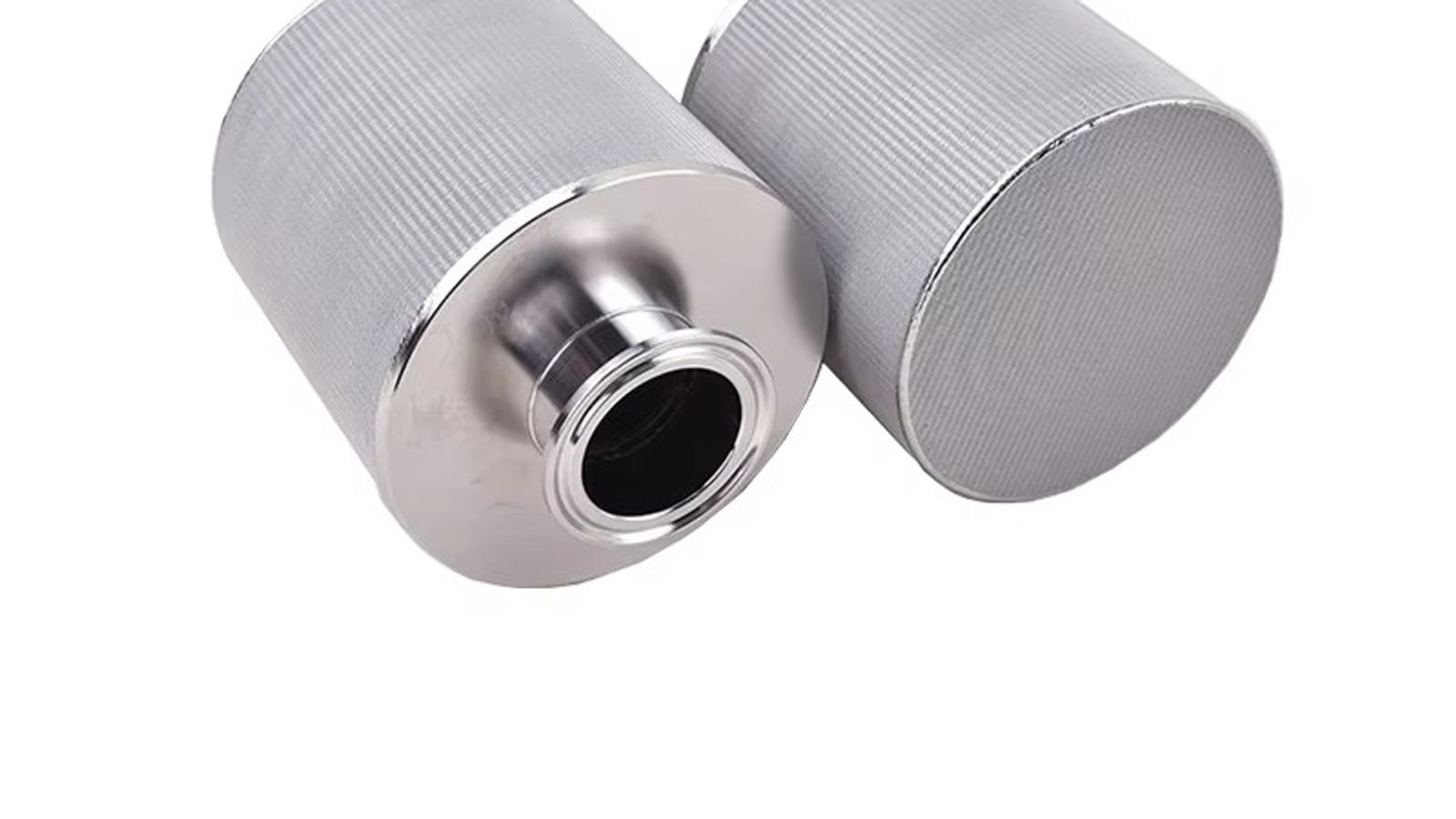
إن ترشيح استرداد العامل الحفاز هو عملية الوحدة التي تفصل جزيئات العامل الحفاز الصلبة غير المتجانسة عن سائل التفاعل بعد التفاعل الحفزي، بحيث يمكن إعادة استخدام العامل الحفاز وتوضيح مجرى المنتج في المراحل اللاحقة. وفي إنتاج المواد الكيميائية الدقيقة والأدوية، عادةً ما تكون العوامل الحفازة عبارة عن مساحيق من المعادن الثمينة المحملة على الكربون مثل البالاديوم على الكربون (Pd/C) والبلاتين على الكربون (Pt/C)، والنيكل الهيكلي (Raney nickel) والزيوليت البلوري. وتغطي هذه المواد الصلبة نطاقًا صعبًا من أحجام الجسيمات: حيث يحتوي مسحوق Pd/C عادةً على D50 يتراوح بين 20–40 µm ولكنه ينتج جزيئات دقيقة ناتجة عن الاحتكاك تقل عن 5 µm، وتتراوح جزيئات Raney nickel من حوالي 1 إلى 50 µm، وتتراوح مقاسات بلورات الزيوليت بين 0.5–10 µm مع ذيل يقل عن الميكرون. ويتطلب استردادها أوساط ترشيح ذات تصنيف يتراوح من أقل من الميكرون إلى 5 µm يمكنها العمل في درجات حرارة تفاعل تتراوح بين 60–200°C وضغوط تفاضلية تبلغ 3–5 bar أو أعلى. عناصر ترشيح من الفولاذ المقاوم للصدأ الملبد — الشبكة الملبدة خماسية الطبقات ومركبات المسحوق/الشبكة الملبدة — تلبي هذه الشروط، وعلى عكس أوساط الترشيح أحادية الاستخدام، يمكن غسلها عكسيًا وإعادة استخدامها عبر مئات من دورات التشغيل. يغطي هذا المقال سبب احتياج تطبيقات العامل الحفاز إلى هذا الاحتجاز، وكيفية مقارنة الفلاتر الملبدة بالخراطيش المطوية والشبكة السلكية المنسوجة، واقتصاديات الفلتر المعدني القابل للغسيل العكسي مقابل قيمة العامل الحفاز.
السبب الأول هو قيمة المادة الصلبة. فقد تم تداول البالاديوم بسعر يتراوح بين 50–70 US$ للجرام في السنوات الأخيرة، والبلاتين بعشرات الدولارات للجرام الواحد. إن مفاعل الهدرجة بسعة 2 m³ المشحون بنسبة 10 wt% من عامل حفاز Pd/C بتركيز 5% يحتوي على 10–30 kg من المسحوق — أي 0.5–1.5 kg من البالاديوم، وهو ما يعادل عشرات الآلاف من الدولارات الأمريكية من المعدن في دفعة واحدة. وكل نسبة مئوية مفقودة تمثل تكلفة مباشرة للمواد الخام، وغالبًا ما يكون العامل الحفاز هو المادة الاستهلاكية الأكثر تكلفة في العملية.
السبب الثاني هو توزيع حجم الجسيمات. حيث يحتوي تصنيف Pd/C "الدقيق" الاسمي على متوسط حجم جسيمات يقترب من 20–40 µm، وهو ما يمكن لشبكة خشنة احتجازه. ولكن المفاعلات ذات التقليب، وإعادة تدوير المضخات، والتجفيف تسبب تآكلًا واحتكاكًا، مما يؤدي إلى تكسير الدعامة الكربونية إلى شظايا تقل بكثير عن 5 µm تحمل نفس حمولة المعدن الثمين مثل الجسيمات الأصلية — والسماح بمرورها يؤدي إلى فقدان البالاديوم وتلويث المنتج. ويعد Raney nickel، وهو إسفنج هيكلي، أكثر هشاشة: حيث تتراوح جسيماته بين 1–50 µm، لذلك يوصى عادةً بتصنيف احتجاز يتراوح بين 1–2 µm. أما عوامل حفاز الزيوليت فهي عبارة عن ألومينوسيليكات بلورية في نطاق 0.5–10 µm ويُفقد الجزء الذي يقل عن الميكرون منها بسهولة.
السبب الثالث هو ظروف العملية التشغيلية. فعادةً ما يحدث الاسترداد عند درجة حرارة التفاعل أو بالقرب منها — 60–200°C لمعظم عمليات الهدرجة — وعند ضغوط نظام تصل إلى 10 bar أو أكثر. ويجب أن تحافظ أوساط الترشيح على تصنيفها وقابليتها للتنظيف في هذه الظروف. ويحافظ عنصر الفولاذ المقاوم للصدأ الملبد المصنف عند 0.5–5 µm على احتجازه المطلق عند 200°C، بينما تلين أوساط الترشيح العميقة البوليمرية عند جزء بسيط من درجة الحرارة هذه.
تهيمن ثلاث عائلات من أوساط الترشيح على استرداد العامل الحفاز: العناصر المعدنية الملبدة، وفلاتر الخراطيش المطوية، والشبكة المنسوجة أحادية الطبقة. وهي تختلف بشكل أساسي في الاحتجاز، والقابلية للتنظيف، وهيكل التكلفة.
| الميزة | عنصر فلتر معدني ملبد | فلتر خرطوشة مطوي | شبكة منسوجة أحادية الطبقة |
|---|---|---|---|
| تصنيف الاحتجاز النموذجي | 0.5–5 µm | 0.2–10 µm (حسب وسط الترشيح) | 2–100 µm (نسيج هولندي حتى حوالي 2 µm) |
| آلية الترشيح | ترشيح سطحي مع كعكة مستقرة | ترشيح عميق | ترشيح سطحي |
| حد درجة الحرارة | حتى 450°C (SS316L) | 80–150°C نموذجي | حتى 450°C |
| المقاومة الكيميائية | ممتازة (خيارات 316L؛ Hastelloy) | يعتمد على الوسط | جيدة |
| قابلية التنظيف | غسيل عكسي؛ تجديد كيميائي وحراري | غير قابل للتنظيف — مخصص للاستخدام مرة واحدة | قابل للغسيل العكسي ولكن بشكل محدود |
| عمر الخدمة النموذجي | 3–10 سنوات | من دفعة واحدة إلى بضعة أشهر | 1–3 سنوات |
| استرداد العامل الحفاز | الكعكة الرطبة قابلة للاسترداد؛ شبه كاملة | العامل الحفاز المتبقي يُفقد في الوسط | الأجزاء الخشنة فقط |
| CAPEX النسبي | متوسط إلى مرتفع | منخفض | منخفض إلى متوسط |
| تكلفة التشغيل لـ 5 سنوات | منخفضة | مرتفعة (يهيمن عليها الاستبدال) | متوسطة |
تتفوق الخراطيش المطوية من حيث التكلفة الأولية وتكون كافية عندما تليها خطوة تصفية نهائية. وتكمن نقطة ضعفها في أن الهيكل العميق يحتجز جزءاً من العامل الحفاز بشكل غير قابل للاسترداد داخل وسيط الترشيح، ويتم خسارته مع كل عملية استبدال — فالخرطوشة التي تحتجز 2–5% من Pd/C للدفعة تتخلص من جزء من شحنة تتراوح قيمتها بين US$30,000–90,000. انظر قابليّة تنظيف الشبك الملبد مقابل الخرطوشة المطوية وتكلفة دورة الحياة تحليل.
إن شبكة السلك المنسوجة أحادية الطبقة متينة ومقاومة للحرارة، ولكن النسج الهولندي الذي يصل إلى 2–5 µm يشكل جسورًا بشكل أقل موثوقية مقارنة بالهيكل الملبد، ويحتفظ بكمية ضئيلة من كعكة الفلتر قبل أن يفرض فرق الضغط إجراء التنظيف. انظر الفلتر المعدني الملبد مقابل فلتر شبكة السلك.
تجمع العناصر المعدنية الملبدة بين الترشيح السطحي والبنية الصلبة والمفتوحة. وتكون إزالة الكعكة أكثر اكتمالاً مقارنة بأوساط الترشيح العميق، كما يمكن تنظيف العنصر بشكل مكثف — عن طريق الغسيل العكسي، والتجريد الكيميائي، والتجديد الحراري — دون فقدان درجة ترشيحه.
تعمل مرشحات استرداد العامل الحفاز عادةً بطريقة dead-end: حيث يمر التدفق بالكامل عبر وسط الترشيح وتتراكم المواد الصلبة لتشكل كعكة سطحية. وخلال الدقائق الأولى من الدورة، تسد الجسيمات المسام السطحية وتشكل جسوراً لتأسيس الكعكة. ومن تلك اللحظة، تصبح الكعكة هي طبقة الترشيح النشطة وليس وسط الترشيح. ولهذا السبب، يمكن لعنصر ملبد بدرجة ترشيح تبلغ 5 µm أن يحتجز بفعالية جسيمات أصغر بكثير من درجته الاسمية بمجرد تشكل الكعكة — حيث يمكن لكعكة حديثة التكون من دقائق Pd/C الناعمة أن تحتجز أجزاءً دون الميكرون.
ومع زيادة سمك الكعكة، يتحسن الاحتجاز ويزداد هبوط الضغط: ففي عملية التدفق الثابت يرتفع الضغط التفاضلي مع زيادة سمك الكعكة، وفي عملية الضغط الثابت ينخفض التدفق. ويتم تشغيل المرشح في دورات بحيث تُزال الكعكة قبل أن يصل الضغط التفاضلي إلى الحد الأقصى للتصميم، والذي يتراوح عادةً بين 1–2 bar، مقارنة بهبوط ضغط للعنصر النظيف يقل كثيراً عن 0.1 bar.
تبرز القيمة الحقيقية للعناصر الملبدة عند تفريغ الكعكة، لأن الهدف ليس مجرد تنظيف وسط الترشيح بل استرداد المواد الصلبة. وهناك ثلاث استراتيجيات شائعة:
الميزة التشغيلية المحددة لعنصر الفولاذ المقاوم للصدأ الملبد هي أنه فلتر معدني حقيقي قابل للغسيل العكسي: فهو يُنظف في مكانه، داخل الهيكل، دون فتح الوعاء أو لمس العناصر. تعكس دورة الغسيل العكسي النموذجية التدفق عبر العنصر عند فرق ضغط يتراوح بين 2-3 بار، بمساعدة اختيارية من نبضة نيتروجين، لمدة تتراوح بين 30-120 ثانية. وعندما تكون الكعكة مستعصية، يتم تعزيز الغسيل العكسي بالتجديد:
نظرًا لأن المصفوفة الملبدة صلبة وموحدة، فإن مئات إلى آلاف دورات الغسيل العكسي لا تنتج أي تغيير ملموس في معدل الاحتجاز، ويستمر العنصر الذي تتم صيانته جيدًا لمدة تتراوح بين 3-10 سنوات. إن الحد العملي ليس تآكل وسيط الترشيح، بل الانسداد الملتصق بشدة الناتج عن إهمال التنظيف.
يتحكم هبوط الضغط في كل من معدل التدفق وطول الدورة. بالنسبة لعنصر متلبد نظيف، يتراوح الضغط التفاضلي الأولي عند التدفق التصميمي عادةً بين 0.02–0.1 bar في تطبيقات السوائل. ومع نمو الكعكة، يتبع الضغط التفاضلي قانون دارسي ويرتفع خطيًا مع سمك الكعكة. ونظرًا لأن سوائل التفاعل يتم ترشيحها عادةً وهي ساخنة (80–150°C)، فإن اللزوجة تكون منخفضة والتدفق يكون أعلى بالمقابلة مقارنة بالترشيح نفسه الذي يتم على البارد.
يتراوح التدفق العملي لملاط العامل الحفاز من حوالي 0.5 إلى 3 m³/m²/h، اعتمادًا على تحميل العامل الحفاز، وحجم الجسيمات، واللزوجة. تؤدي عمليات التحميل الأعلى إلى تقصير الدورة عند تدفق ثابت، لذا فإن الجدوى الاقتصادية غالبًا ما تفضل التشغيل أعلى قليلاً من تدفق الوسط النظيف وقبول دورة أقصر يتبعها غسيل عكسي سريع في الموقع. تمنح الهندسة الأسطوانية الصلبة مساحة عالية لاحتجاز الكعكة لكل وحدة حجم مبيت، مما يحافظ على بقاء الدورات معقولة حتى مع وجود ملاط بتركيز وزني يتراوح بين 5–10 wt%.
إذا كانت العملية تتعرض للانسداد بسهولة — اتساخ دقيق للغاية أو هلامي أو عالي اللزوجة — فإن الخيارات تشمل الكساء الأولي بمساعد ترشيح، أو التغذية المتزامنة بالتراب الدياتومي، أو الانتقال إلى درجة تلبيد أكثر خشونة بحيث تقوم الكعكة بالترشيح الدقيق. يعتمد الاختيار على ما إذا كان يجب أن يظل العامل الحفاز المسترد نقيًا أو ما إذا كان يمكن تحمل وجود مساعد الترشيح في تيار إعادة التدوير.
تزيد تكلفة الفولاذ المقاوم للصدأ المتلبد مسبقًا عن تكلفة مبيت الخراطيش أحادي الاستخدام، وهو ما يثني بعض المشترين. لكن الحسابات على مدى 5 سنوات تختلف. فمصنع الدفعات بسعة 2 m³ الذي يقوم بتشغيل 100 دفعة سنويًا يقوم بتغيير الخراطيش كل بضع دفعات: وعند إجراء 25–50 عملية استبدال سنويًا، تتجاوز تكلفة وسائط الاستبدال والعمالة بسرعة تكلفة تركيب نظام متلبد يتم غسيله عكسيًا في الموقع لسنوات. كما تحمل الوسائط أحادية الاستخدام تكلفة خفية — وهي العامل الحفاز المحتجز والذي يتم التخلص منه مع كل خرطوشة.
ومقارنة بالعامل الحفاز نفسه، فإن الحسابات تكون أكثر إقناعًا. فإذا استرد الترشيح المتلبد نسبة 1% إضافية من شحنة البالاديوم لكل دفعة، وكانت قيمة الشحنة تتراوح بين US$30,000–90,000، فإن التوفير السنوي في مصنع ذي 100 دفعة يبلغ عشرات الآلاف من الدولارات — وهو ما يكفي لدفع ثمن العناصر المتلبدة عدة مرات في السنة الأولى. إن الفلتر ليس مجرد مصروف يجب تقليله؛ بل هو الذي يحدد كمية شحنة المفاعل المفقودة. إن تحليلنا لـ قابلية تنظيف الشبكة المتلبدة مقابل الخرطوشة المطوية وتكلفة عمر الخدمة يتناول الحسابات بالتفصيل مع الأمثلة.
ضمن عائلة المعادن المتلبدة، تغطي ثلاثة هياكل معظم تطبيقات استرداد العامل الحفاز:
اختيار المواد لا يقل أهمية عن الشكل الهندسي. يعتبر SS316L هو المعيار للاستخدامات الدوائية والكيميائية الدقيقة حتى حوالي 450°C؛ بينما يوسع SS310S أو Hastelloy النطاق للخدمات الأكثر سخونة أو الأكثر تآكلاً. يتم توريد جميع الهياكل الثلاثة كعناصر قابلة للإزالة أو ملحومة في أوعية ذاتية التنظيف، مع تحديد توصيلات النهاية والحشيات وفقًا للهيكل الخارجي.
في التصنيع الدوائي، تقع عملية استعادة المحفزات ضمن عملية معتمدة. تنتهي عملية الهدرجة المحفزة بـ Pd/C لمركب وسيط API بترشيح يجب أن ينتج عنه سائل مرشح نقي، واستعادة المحفز للدفعة التالية، والقيام بذلك بشكل قابل للتكرار. تناسب عناصر الفولاذ المقاوم للصدأ المتلبد هذه البيئة: فالوسط المعدني بالكامل قابل للتنظيف والتعقيم بالبخار، ومعدل الاحتجاز الخاص به مستقر وقابل للتوثيق، ويمكن اختبار سلامة العناصر وتأهيلها مثل أي جزء ملامس للمنتج. للحصول على إرشادات اختيار أوسع، راجع التطبيقات الدوائية والكيميائية نظرة عامة.
تدفع الاعتبارات التنظيمية في نفس اتجاه الجوانب الاقتصادية. ونظرًا لأن العناصر الملبدة قابلة لإعادة الاستخدام، فهناك نظام فلترة واحد مثبت للتحقق من صحته بدلاً من سلسلة من الخراطيش التي تستخدم لمرة واحدة والتي يجب إدارة تباينها من دفعة إلى أخرى. كما يتم تبسيط سجلات الدفعات، وتمنح بيانات انخفاض الضغط والغسيل العكسي الموثقة لكل دورة للمدققين بصمة العملية التي يبحثون عنها.
ما هو تصنيف الميكرون الذي أحتاجه لاستعادة العامل الحفاز Pd/C؟ بالنسبة لمعظم درجات Pd/C، فإن العنصر الملبد المصنف عند 1–5 µm يحتجز الجزيئات الأصلية، بينما يتم التقاط الجزيئات الدقيقة الناتجة عن الاحتكاك والأقل من ميكرون بواسطة كعكة الترشيح التي تتشكل على السطح. وإذا كان يجب أن يكون السائل المرشح خاليًا من أي جزيئات بالاديوم دقيقة، فحدد عناصر المسحوق الملبد بمقاس 0.5–1 µm. وعادةً ما تتطلب تطبيقات Raney nickel والزيوليت مقاس 1–2 µm.
هل يمكن غسل عناصر الفلترة المعدنية الملبدة عكسيًا وإعادة استخدامها؟ نعم. يتم تنظيف عناصر الفولاذ المقاوم للصدأ الملبدة في مكانها عن طريق الغسيل العكسي بالتدفق العكسي عند فرق ضغط يتراوح بين 2–3 bar، غالبًا باستخدام نبضة نيتروجين، ويمكن تجديدها عن طريق الغسيل بالمذيبات، أو التنظيف الكاوي الساخن، أو المعالجة الحرارية عند 400–600°C. ويعد العمر الافتراضي الذي يتراوح بين 3–10 سنوات أمرًا معتادًا.
ما الفرق بين عناصر المسحوق الملبد وعناصر الشبكة الملبدة؟ توفر الشبكة الملبدة المكونة من خمس طبقات قوة ميكانيكية وقدرة تدفق أعلى، مع تصنيفات تبدأ من حوالي 1 µm فما فوق. وتصل عناصر المسحوق الملبد إلى تصنيفات أدق تصل إلى 0.1–0.5 µm. اختر الشبكة الملبدة لاستعادة العوامل الحفازة ذات الإنتاجية العالية، والمسحوق الملبد للاحتجاز المطلق للأجزاء الأقل من ميكرون.
كيف يمكنني تفريغ عامل حفاز تلقائي الاشتعال مثل Raney nickel بأمان؟ حافظ على رطوبة كعكة الترشيح. استخدم تفريغ الملاط الرطب، حيث يتم إعادة تحويل الكعكة إلى ملاط باستخدام مذيب وضخها للخارج دون تجفيف، أو قم بالغسيل العكسي إلى وعاء احتجاز تحت غاز خامل. لا تسمح أبدًا لكعكة Raney nickel الجافة بملامسة الهواء؛ ويجب جعل وعاء الفلتر وأنظمة التجميع في المراحل اللاحقة خاملة.
كيف تقارن عناصر الفلترة الملبدة بالخراطيش المطوية من حيث التكلفة؟ تتميز العناصر الملبدة بتكلفة أولية أعلى، ولكن تكلفة تشغيلها على مدى 5 سنوات تقل بكثير عن الخراطيش المعدة للاستخدام لمرة واحدة، وذلك لأنها تُعاد استخدامها مئات المرات ولا يتم التخلص من العامل الحفاز المحتجز مع كل عملية استبدال. وبالنسبة للعوامل الحفازة من المعادن الثمينة، فإن قيمة العامل الحفاز المسترد تتجاوز عادةً إجمالي الاستثمار في الفلتر بالكامل خلال العام الأول.
تعتمد عملية ترشيح واسترداد العامل الحفاز على طبيعة العملية الصناعية: حيث يعتمد التصنيف الميكروني المناسب، وبنية العنصر، وتكوين الهيكل، ودورة التنظيف على نوع العامل الحفاز، والمذيب، ودرجة الحرارة، وتصميم المفاعل. تقوم KAIFIL بتصنيع عناصر فلاتر معدنية ملبدة مخصصة وأجزاء فلاتر في شيجياتشوانغ، الصين، وتقوم بتصنيعها وفقًا لرسومات العملاء لمشاريع OEM و ODM. إذا كنت تقوم باستبدال الخراطيش المعدة للاستخدام لمرة واحدة بنظام ملبد قابل للغسيل العكسي، أو تحدد مواصفات فلتر جديد لاسترداد العامل الحفاز، فاتصل بمهندسينا وزودنا ببيانات عمليتك الصناعية — نوع العامل الحفاز وحمولته، وتوزيع حجم الجسيمات، ودرجة حرارة وضغط التشغيل، ودرجة نقاء السائل المرشح المستهدفة — وسنوصي ببنية العنصر، والتصنيف، وبروتوكول التنظيف، أو نصنعها وفقًا لرسمك الدقيق تمامًا.
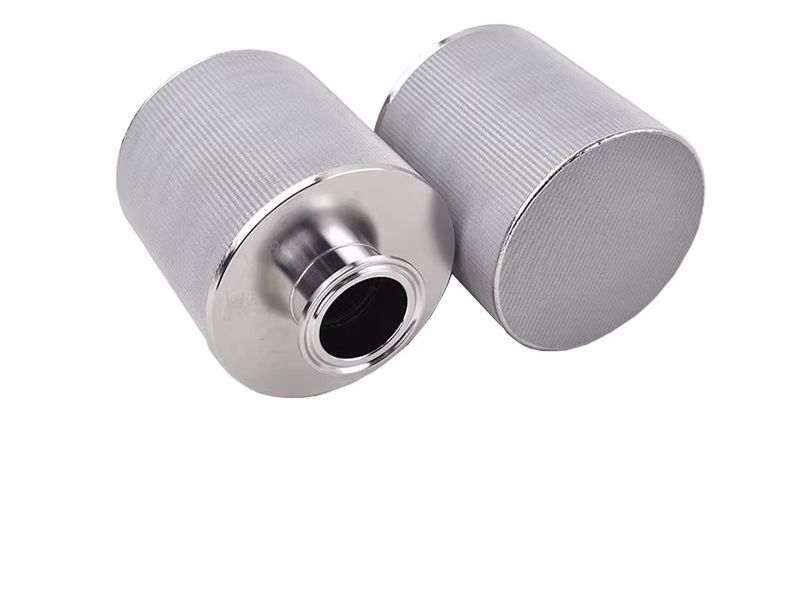
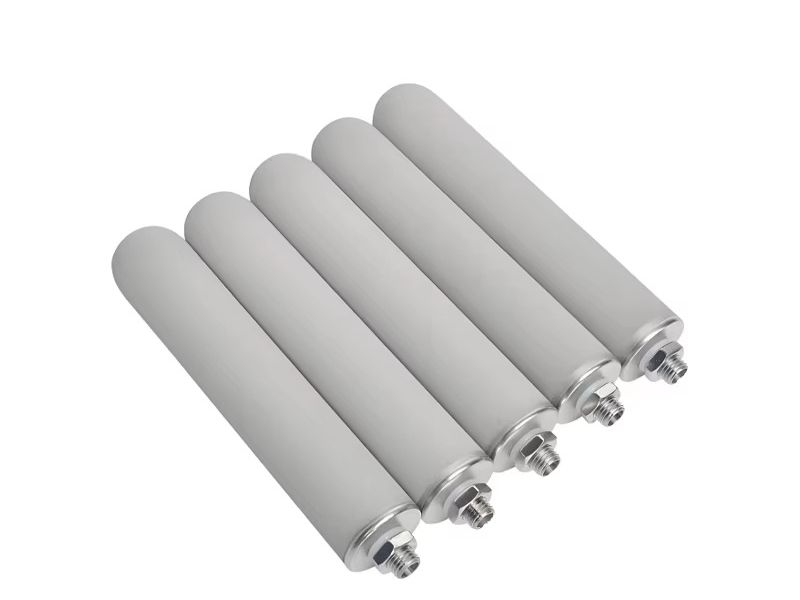
Cartridges / tubes / cylinders / cones for reusable high-strength filtration elements, supplied to drawing with material, size and packing details confirmed at RFQ stage.
Cartridges / tubes / cylinders for reusable cartridge filtration with rigid sintered mesh media, supplied to drawing with material, size and packing details confirmed at RFQ stage.
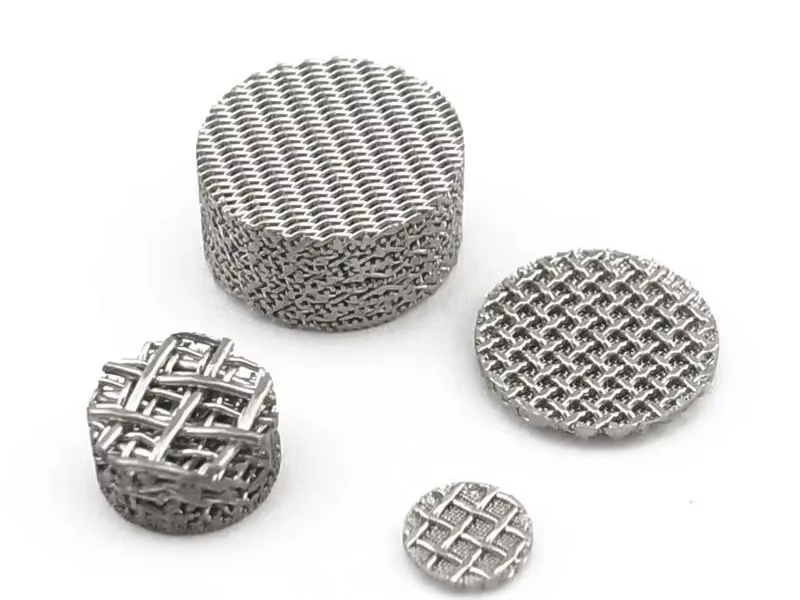
Rigid five-layer sintered wire mesh laminate for cleanable precision filtration and custom elements.
أرسل الرسومات، والأبعاد، والمواد، والبيئة أو ظروف التشغيل، وسنساعدك في تأكيد المواصفات الصحيحة.
الملفات المرفوعة مضمنة في الاستفسار. لحزم CAD كبيرة، رد على بريد التأكيد أو أرسلها هنا:
عادةً نرد خلال 24 ساعة عمل.