Teknis
Elemen Filter Logam Sinter untuk Filtrasi Pemulihan Katalis
Pelajari bagaimana filter logam sinter memulihkan katalis Pd/C, Raney nickel, dan zeolit. Bandingkan jenis elemen, pembuangan cake, dan pencucian balik. Dapatkan penawaran harga.
Pelajari bagaimana filter logam sinter memulihkan katalis Pd/C, Raney nickel, dan zeolit. Bandingkan jenis elemen, pembuangan cake, dan pencucian balik. Dapatkan penawaran harga.
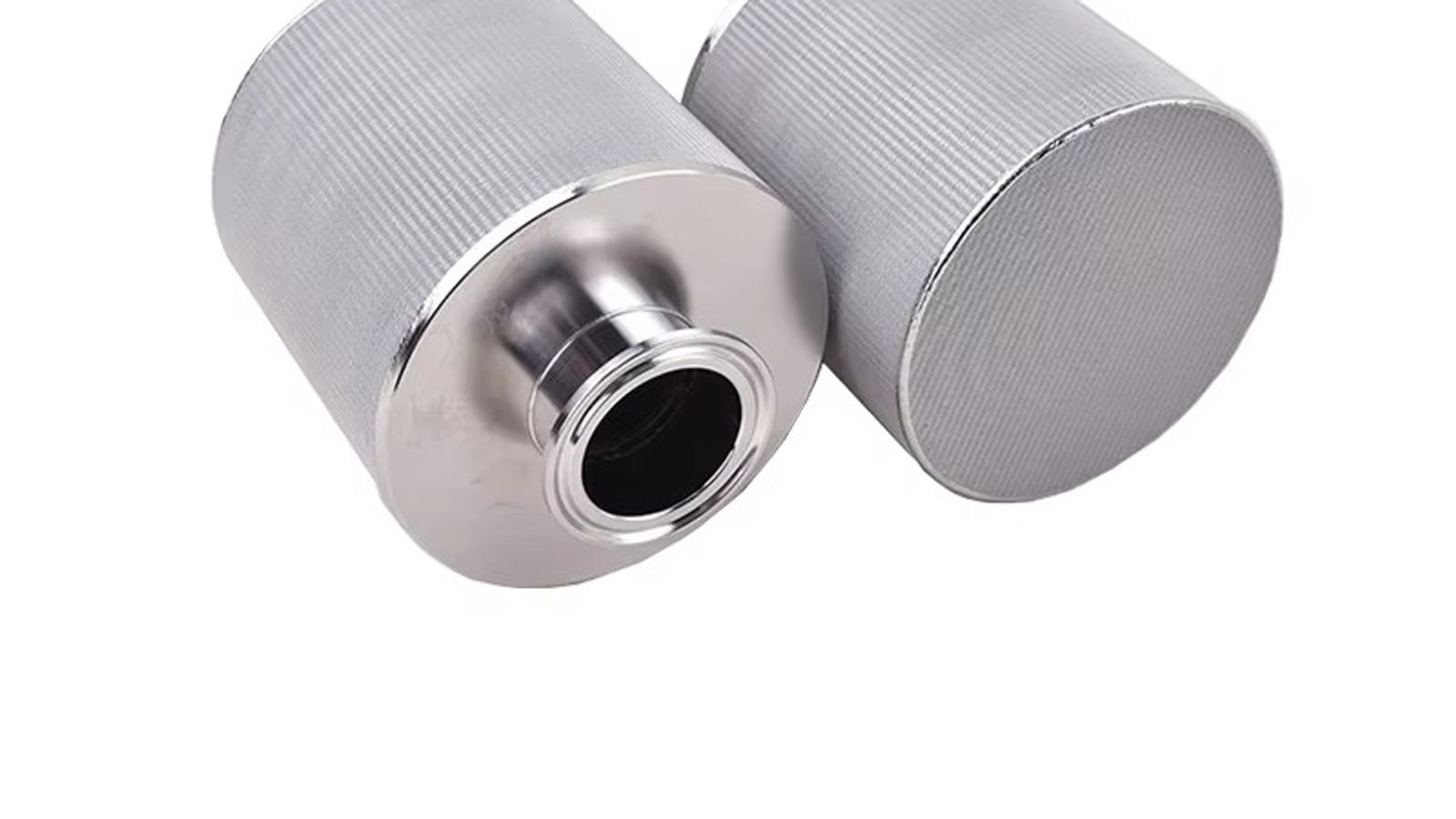
Filtrasi pemulihan katalis adalah operasi unit yang memisahkan partikel katalis heterogen padat dari cairan reaksi setelah reaksi katalitis, sehingga katalis dapat digunakan kembali dan aliran produk dapat dijernihkan di bagian hilir. Dalam produksi kimia halus dan farmasi, katalis biasanya berupa bubuk logam mulia di atas karbon seperti paladium di atas karbon (Pd/C) dan platina di atas karbon (Pt/C), nikel skeletal (nikel Raney), dan zeolit kristal. Padatan ini mencakup rentang ukuran partikel yang menuntut: bubuk Pd/C biasanya memiliki D50 sebesar 20–40 µm tetapi menghasilkan partikel halus akibat atrisi di bawah 5 µm, partikel nikel Raney berkisar antara sekitar 1 hingga 50 µm, dan kristal zeolit berukuran 0,5–10 µm dengan ekor sub-mikron. Pemulihannya memerlukan media filter dengan rating dari sub-mikron hingga 5 µm yang dapat beroperasi pada suhu reaksi 60–200°C dan tekanan diferensial 3–5 bar atau lebih tinggi. Elemen filter stainless steel tersinter — mesh tersinter lima lapis dan komposit bubuk/mesh tersinter — memenuhi kondisi ini dan, tidak seperti media sekali pakai, dapat dicuci balik serta digunakan kembali dalam ratusan siklus pengoperasian. Artikel ini membahas mengapa aplikasi katalis memerlukan retensi ini, bagaimana perbandingan filter tersinter dengan kartrid berlipat dan mesh tenun, serta nilai ekonomis filter logam yang dapat dicuci balik terhadap nilai katalis.
Alasan pertama adalah nilai dari padatan tersebut. Paladium telah diperdagangkan sekitar US$50–70 per gram dalam beberapa tahun terakhir, dan platina dalam kisaran puluhan dolar per gram. Reaktor hidrogenasi berkapasitas 2 m³ yang diisi dengan 10 wt% dari 5% katalis Pd/C menampung 10–30 kg bubuk — 0,5–1,5 kg paladium, senilai puluhan ribu dolar AS logam dalam satu batch. Setiap persen kehilangan merupakan biaya bahan baku langsung, dan katalis sering kali merupakan bahan habis pakai paling mahal dalam proses tersebut.
Alasan kedua adalah distribusi ukuran partikel. Grade Pd/C "halus" nominal memiliki ukuran partikel rata-rata mendekati 20–40 µm, yang dapat ditahan oleh screen kasar. Namun, reaktor berpengaduk, resirkulasi pompa, dan pengeringan menyebabkan atrisi, memecah penyangga karbon menjadi fragmen jauh di bawah 5 µm yang membawa kandungan logam mulia yang sama dengan partikel induknya — membiarkannya lolos akan menghilangkan paladium dan mengontaminasi produk. Nikel Raney, sebuah spons skeletal, bahkan lebih rapuh: partikelnya berkisar antara 1–50 µm, sehingga rating retensi 1–2 µm biasanya ditentukan. Katalis zeolit adalah aluminosilikat kristal dalam kisaran 0,5–10 µm yang fraksi sub-mikronnya mudah hilang.
Alasan ketiga adalah kondisi operasional proses. Pemulihan biasanya terjadi pada atau mendekati suhu reaksi — 60–200°C untuk sebagian besar hidrogenasi — pada tekanan sistem hingga 10 bar atau lebih. Media filter harus mempertahankan rating dan kemampuan pembersihannya di sini. Elemen stainless steel tersinter dengan rating 0,5–5 µm mempertahankan retensi absolutnya pada suhu 200°C, sedangkan media kedalaman polimer melunak pada sebagian kecil dari suhu tersebut.
Tiga keluarga media mendominasi pemulihan katalis: elemen logam tersinter, filter kartrid berlipat, dan mesh tenun satu lapis. Ketiganya berbeda secara mendasar dalam hal retensi, kemampuan pembersihan, dan struktur biaya.
| Fitur | Elemen filter logam tersinter | Filter kartrid berlipat | Mesh tenun satu lapis |
|---|---|---|---|
| Peringkat retensi tipikal | 0.5–5 µm | 0.2–10 µm (tergantung media) | 2–100 µm (anyaman Dutch hingga ~2 µm) |
| Mekanisme filtrasi | Filtrasi permukaan dengan cake yang stabil | Filtrasi kedalaman | Filtrasi permukaan |
| Batas suhu | Hingga 450°C (SS316L) | 80–150°C tipikal | Hingga 450°C |
| Ketahanan kimia | Sangat baik (opsi 316L; Hastelloy) | Tergantung media | Baik |
| Kemampuan dibersihkan | Pencucian balik; regenerasi kimia dan termal | Tidak dapat dibersihkan — sekali pakai | Dapat dicuci balik tetapi terbatas |
| Masa pakai tipikal | 3–10 tahun | Satu batch hingga beberapa bulan | 1–3 tahun |
| Pemulihan katalis | cake basah dapat dipulihkan; hampir sempurna | Sisa katalis hilang dalam media | Hanya fraksi kasar |
| CAPEX relatif | Sedang–tinggi | Rendah | Rendah–sedang |
| Biaya operasional 5 tahun | Rendah | Tinggi (didominasi oleh penggantian) | Sedang |
Kartrid berlipat unggul dalam hal biaya awal dan memadai ketika diikuti oleh tahap pemolesan. Kelemahannya adalah struktur kedalamannya memerangkap sebagian katalis secara ireversibel di dalam media, yang terbuang pada setiap penggantian — sebuah kartrid yang menahan 2–5% Pd/C dari satu batch membuang sebagian dari muatan senilai US$30,000–90,000. Lihat analisis kemudahan pembersihan dan biaya masa pakai mesh sinter vs kartrid berlipat kami.
Mesh tenun satu lapis sangat tangguh dan tahan panas, tetapi anyaman Dutch yang mencapai 2–5 µm membentuk jembatan partikel dengan kurang andal dibandingkan struktur sinter dan menampung sedikit cake sebelum tekanan diferensial mengharuskan pembersihan. Lihat filter logam sinter vs filter mesh kawat.
Elemen logam sinter menggabungkan filtrasi permukaan dengan struktur terbuka yang kaku. Pelepasan cake lebih sempurna dibandingkan dengan media kedalaman, dan elemen ini dapat dibersihkan secara agresif — dicuci balik, dibersihkan secara kimia, dan diregenerasi secara termal — tanpa kehilangan peringkatnya.
Filter pemulihan katalis biasanya beroperasi dalam mode dead-end: seluruh aliran melewati media dan padatan menumpuk sebagai cake permukaan. Selama menit-menit pertama siklus, partikel menjembatani pori-pori permukaan dan membentuk cake. Sejak saat itu, cake tersebut, dan bukan medianya, yang menjadi lapisan filter aktif. Inilah sebabnya mengapa elemen sinter dengan rating 5 µm dapat secara efektif menahan partikel yang jauh di bawah rating nominalnya setelah cake terbentuk — cake yang baru terbentuk dari partikel halus Pd/C dapat menahan fragmen sub-mikron.
Seiring menebalnya cake, retensi meningkat dan penurunan tekanan bertambah: pada operasi aliran konstan, tekanan diferensial naik seiring dengan ketebalan cake, sedangkan pada operasi tekanan konstan, laju aliran menurun. Siklus filter diatur sedemikian rupa sehingga cake dibersihkan sebelum tekanan diferensial mencapai batas maksimum desain, biasanya 1–2 bar, dibandingkan dengan penurunan tekanan elemen bersih yang jauh di bawah 0,1 bar.
Pembuangan cake adalah saat di mana elemen sinter menunjukkan keunggulannya, karena tujuannya bukan sekadar membersihkan media tetapi untuk memulihkan padatan. Ada tiga strategi yang umum digunakan:
Keunggulan operasional utama dari elemen stainless steel sinter adalah bahwa elemen ini merupakan filter logam yang dapat dicuci balik: alat ini membersihkan di tempat, di dalam housing, tanpa membuka vessel atau menyentuh elemennya. Siklus pencucian balik yang umum membalikkan aliran melalui elemen pada tekanan diferensial 2–3 bar, secara opsional dibantu oleh pulsa nitrogen, selama 30–120 detik. Ketika cake membandel, pencucian balik dilengkapi dengan regenerasi:
Karena matriks tersinter bersifat kaku dan seragam, ratusan hingga ribuan siklus pencucian balik tidak menghasilkan perubahan terukur pada peringkat retensi, dan elemen yang dirawat dengan baik dapat bertahan selama 3–10 tahun. Batas praktisnya bukanlah keausan media, melainkan kotoran yang mengeras akibat pembersihan yang diabaikan.
Penurunan tekanan mengatur throughput dan panjang siklus. Untuk elemen sintered yang bersih, tekanan diferensial awal pada fluks desain biasanya adalah 0,02–0,1 bar dalam aplikasi cairan. Seiring pertumbuhan cake, tekanan diferensial mengikuti hukum Darcy dan meningkat secara linear dengan ketebalan cake. Karena cairan reaksi biasanya disaring dalam kondisi panas (80–150°C), viskositasnya rendah dan fluksnya secara koresponden lebih tinggi daripada penyaringan yang sama yang dilakukan dalam kondisi dingin.
Fluks praktis untuk slurry katalis berkisar antara sekitar 0,5 hingga 3 m³/m²/jam, tergantung pada konsentrasi katalis, ukuran partikel, dan viskositas. Konsentrasi yang lebih tinggi memperpendek siklus pada fluks tetap, sehingga faktor ekonomi sering kali lebih memilih pengoperasian sedikit di atas fluks media bersih dan menerima siklus yang lebih pendek diikuti dengan backwash di tempat yang cepat. Geometri silinder yang kaku memberikan area penampung cake yang luas per unit volume housing, menjaga siklus tetap wajar bahkan dengan slurry 5–10 wt%.
Jika proses mudah mengalami penyumbatan (blinding) — akibat kontaminasi yang sangat halus, seperti gel, atau berviskositas tinggi — opsi yang tersedia meliputi pelapisan awal (precoating) dengan alat bantu filter (filter aid), pengumpanan langsung (body-feeding) tanah diatom, atau beralih ke grade sintered yang lebih kasar sehingga cake yang melakukan penyaringan halus. Pilihan ini bergantung pada apakah katalis yang diperoleh kembali harus tetap murni atau apakah alat bantu filter dapat ditoleransi dalam aliran daur ulang.
Stainless steel sintered membutuhkan biaya awal yang lebih tinggi daripada housing cartridge sekali pakai, yang sering kali membuat beberapa pembeli ragu. Namun, perhitungan keuangan 5 tahun menunjukkan hal yang berbeda. Pabrik batch berkapasitas 2 m³ yang menjalankan 100 batch per tahun mengganti cartridge setiap beberapa batch: dengan 25–50 kali penggantian per tahun, biaya media pengganti dan tenaga kerja dengan cepat melebihi biaya pemasangan sistem sintered yang di-backwash di tempat selama bertahun-tahun. Media sekali pakai juga membawa biaya tersembunyi — katalis yang terperangkap dan terbuang bersama setiap cartridge.
Terhadap katalis itu sendiri, perhitungannya jauh lebih meyakinkan. Jika penyaringan sintered memulihkan 1% lebih banyak muatan paladium per batch, dan muatan tersebut bernilai US$30.000–90.000, penghematan tahunan pada pabrik dengan 100 batch adalah puluhan ribu dolar — cukup untuk membayar biaya elemen sintered beberapa kali lipat pada tahun pertama. Filter bukanlah pengeluaran yang harus diminimalkan; filter menentukan seberapa banyak muatan reaktor yang hilang. Kami kemudahan pembersihan dan biaya masa pakai mesh sinter vs kartrid lipat analisis yang menguraikan perhitungan dengan contoh-contoh.
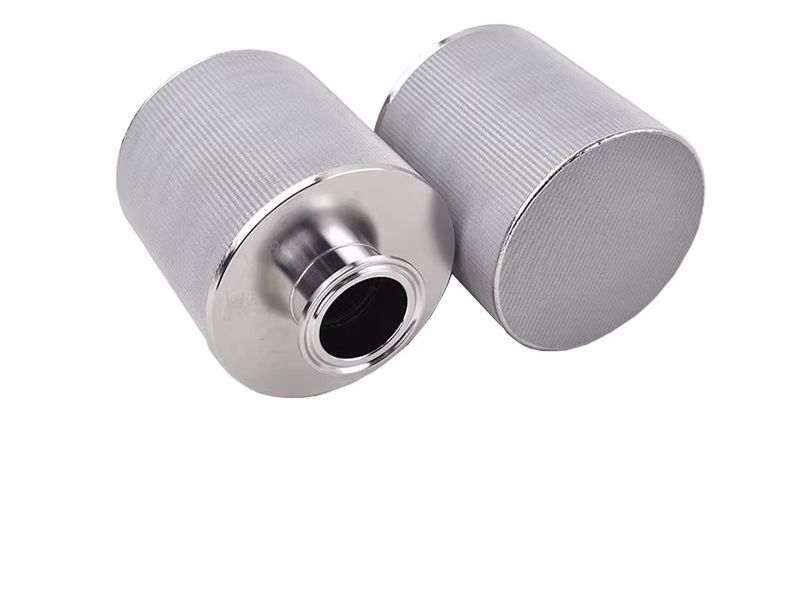
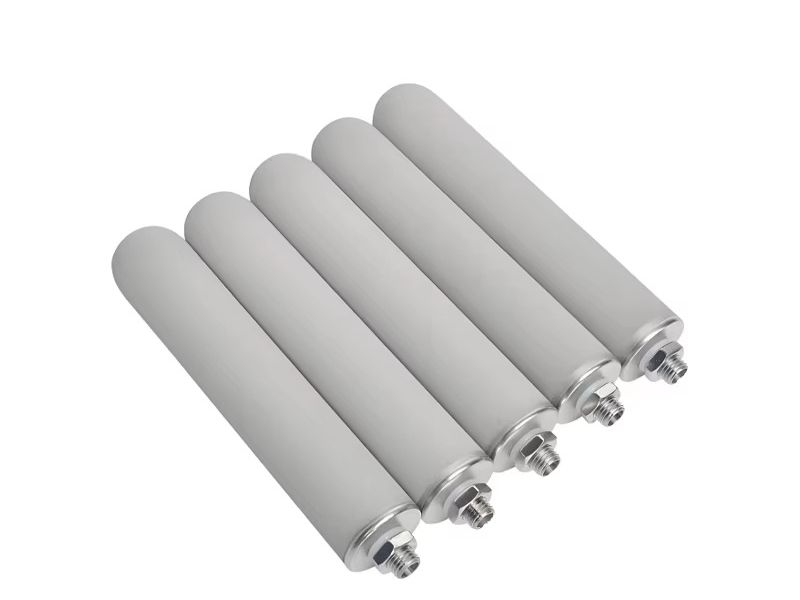
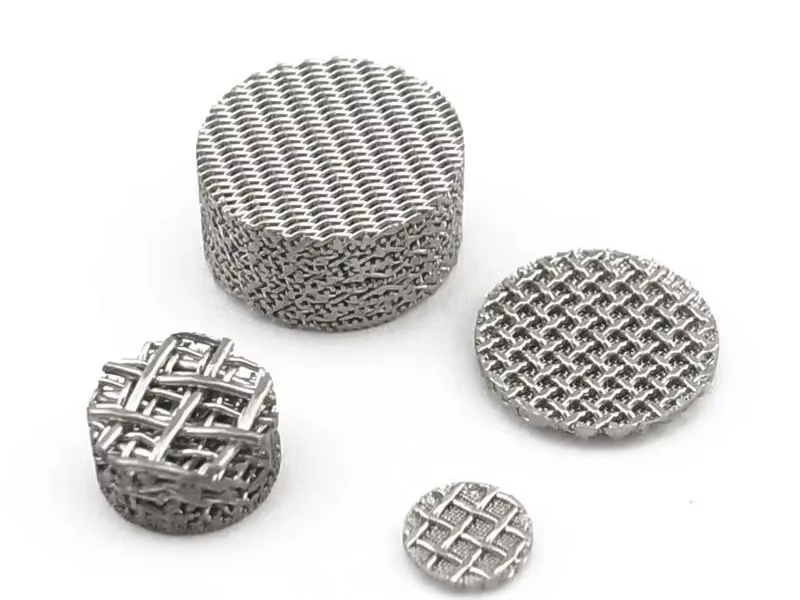
Dalam kategori logam sinter, tiga konstruksi mencakup sebagian besar aplikasi pemulihan katalis:
Pemilihan material sama pentingnya dengan geometri. SS316L adalah standar untuk aplikasi farmasi dan kimia murni hingga suhu sekitar 450°C; SS310S atau Hastelloy memperluas batas kemampuan untuk layanan yang lebih panas atau lebih korosif. Ketiga konstruksi ini dipasok sebagai elemen yang dapat dilepas atau dilas ke dalam bejana pembersih otomatis (self-cleaning), dengan sambungan ujung dan gasket yang disesuaikan dengan housing.
Dalam manufaktur farmasi, pemulihan katalis berada di dalam proses yang tervalidasi. Hidrogenasi terkatalisis Pd/C dari zat antara API diakhiri dengan filtrasi yang harus menghasilkan filtrat yang jernih, memulihkan katalis untuk batch berikutnya, dan melakukannya secara berulang. Elemen baja tahan karat sinter sangat cocok untuk lingkungan ini: media logam sepenuhnya ini dapat dibersihkan dan disterilkan dengan uap, peringkat retensinya stabil dan dapat didokumentasikan, serta elemen-elemen tersebut dapat diuji integritasnya dan dikualifikasi seperti bagian lain yang bersentuhan langsung. Untuk panduan pemilihan yang lebih luas, lihat aplikasi farmasi dan kimia gambaran umum.
Pertimbangan regulasi mendorong ke arah yang sama dengan faktor ekonomi. Karena elemen sinter dapat digunakan kembali, hanya ada satu sistem filter terpasang yang perlu divalidasi, alih-alih rangkaian kartrid sekali pakai yang variabilitas antar-lotnya harus dikelola. Catatan bets disederhanakan, dan data penurunan tekanan serta pencucian balik yang didokumentasikan untuk setiap siklus memberikan karakteristik proses yang dicari oleh auditor.
Berapa rating mikron yang saya butuhkan untuk memulihkan katalis Pd/C? Untuk sebagian besar kelas Pd/C, elemen sinter dengan rating 1–5 µm menahan partikel induk, sementara serbuk halus atrisi sub-mikron tertangkap oleh lapisan cake yang terbentuk di permukaan. Jika filtrat harus bebas dari serbuk halus paladium, tentukan elemen serbuk sinter 0,5–1 µm. Aplikasi nikel Raney dan zeolit biasanya membutuhkan 1–2 µm.
Apakah elemen filter logam sinter dapat dicuci balik dan digunakan kembali? Ya. Elemen stainless steel sinter dibersihkan di tempat dengan pencucian balik aliran balik pada diferensial 2–3 bar, sering kali dengan pulsa nitrogen, dan dapat diregenerasi dengan pencucian pelarut, pembersihan kaustik panas, atau perlakuan termal pada suhu 400–600°C. Masa pakai selama 3–10 tahun adalah hal yang umum.
Apa perbedaan antara elemen serbuk sinter dan elemen mesh sinter? Mesh sinter lima lapis menawarkan kekuatan mekanis dan kapasitas aliran yang lebih tinggi, dengan rating dari sekitar 1 µm ke atas. Elemen serbuk sinter mencapai rating yang lebih halus hingga 0.1–0.5 µm. Pilih mesh sinter untuk pemulihan katalis dengan throughput tinggi dan serbuk sinter untuk retensi sub-mikron absolut.
Bagaimana cara mengeluarkan katalis piroforik seperti nikel Raney dengan aman? Jaga agar cake tetap basah. Gunakan pembuangan slurry basah, di mana cake diubah kembali menjadi slurry dengan pelarut dan dipompa keluar tanpa pengeringan, atau lakukan cuci balik ke bejana penampung di bawah gas inert. Jangan pernah membiarkan cake Raney nickel yang kering bersentuhan dengan udara; bejana filter dan sistem pengumpulan hilir harus dibuat inert.
Bagaimana perbandingan elemen filter sinter dengan kartrid lipat dari segi biaya? Elemen sinter memiliki biaya awal yang lebih tinggi tetapi biaya operasional 5 tahun jauh di bawah kartrid sekali pakai, karena elemen ini dapat digunakan kembali ratusan kali dan tidak membuang katalis yang terperangkap pada setiap penggantian. Untuk katalis logam mulia, nilai katalis yang diperoleh kembali biasanya melebihi seluruh investasi filter dalam tahun pertama.
Filtrasi pemulihan katalis bersifat spesifik untuk setiap proses: peringkat mikron, konstruksi elemen, konfigurasi housing, dan siklus pembersihan yang tepat bergantung pada katalis, pelarut, suhu, dan desain reaktor. KAIFIL memproduksi elemen filter logam sinter dan komponen filter kustom di Shijiazhuang, Tiongkok, dan membuatnya berdasarkan gambar pelanggan untuk proyek OEM dan ODM. Jika Anda mengganti kartrid sekali pakai dengan sistem sinter yang dapat dicuci balik, atau menentukan filter pemulihan katalis yang baru, hubungi teknisi kami dengan data proses Anda — jenis dan pemuatan katalis, distribusi ukuran partikel, suhu dan tekanan operasi, kejernihan filtrat target — dan kami akan merekomendasikan konstruksi elemen, rating, dan protokol pembersihan, atau memproduksinya sesuai dengan gambar persis Anda.
Cartridges / tubes / cylinders / cones for reusable high-strength filtration elements, supplied to drawing with material, size and packing details confirmed at RFQ stage.
Cartridges / tubes / cylinders for reusable cartridge filtration with rigid sintered mesh media, supplied to drawing with material, size and packing details confirmed at RFQ stage.
Rigid five-layer sintered wire mesh laminate for cleanable precision filtration and custom elements.
Kirimkan gambar, dimensi, material, lingkungan, atau kondisi pengoperasian, dan kami akan membantu mengonfirmasi spesifikasi yang tepat.
File referensi yang diunggah telah disertakan dalam inkuiri. Untuk paket CAD yang lebih besar, balas email konfirmasi atau kirimkan ke sini:
Tim kami biasanya membalas dalam waktu 24 jam kerja.