選定ガイド
食品グレードステンレス製フィルターメッシュ:FDA適合316Lの選定、ミクロンレーティング(ろ過精度)、および認証ガイド
FDA適合の食品グレード316Lステンレス製フィルターメッシュ。ミクロンレーティング(ろ過精度)、認証、およびCIP洗浄を比較し、今すぐ仕様に合わせた見積もりをご依頼ください。
FDA適合の食品グレード316Lステンレス製フィルターメッシュ。ミクロンレーティング(ろ過精度)、認証、およびCIP洗浄を比較し、今すぐ仕様に合わせた見積もりをご依頼ください。
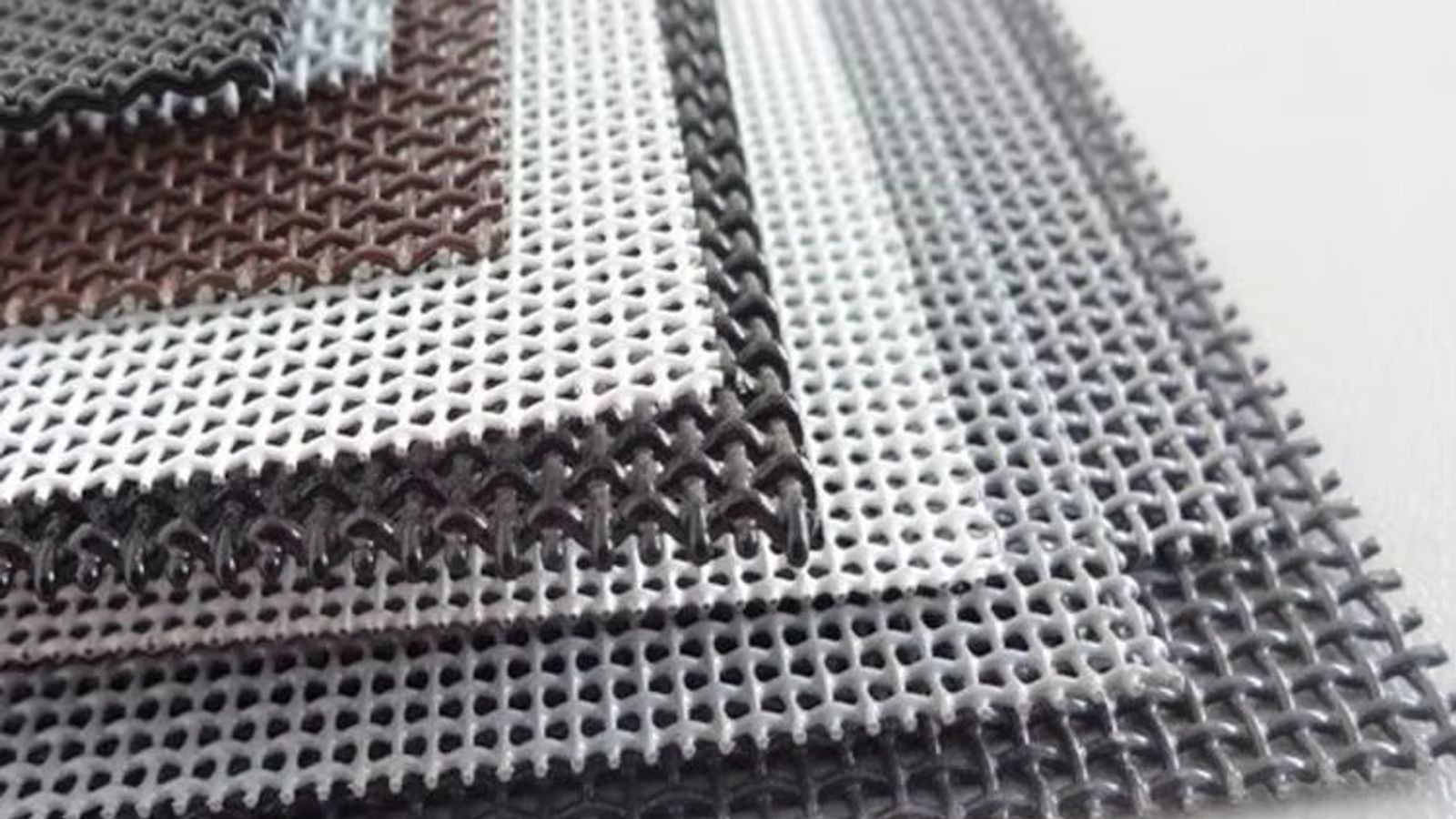
食品グレードのステンレス製フィルター金網は、オーステナイト系ステンレス鋼(最も一般的にはSS316L:クロム16–18%、ニッケル10–14%、モリブデン2–3%、炭素0.03%以下)から製造された織金網または焼結金属ろ材であり、食品・飲料加工における固液分離向けに設計されています。食品ろ過用途向けに、通常5〜500ミクロンの目開きサイズで提供され、500 µmでの粗い予備ろ過やストレーニングから、5〜10 µmでの精密な仕上げろ過まで対応します。金属金網の食品接触適合性は、合金自体に対するFDAの「承認」を意味するものではありません。FDAは間接食品添加物および食品接触物質を規制しており、金属合金は食品接触面の基準を満たし(関連するCFR参照先として、樹脂およびポリマーコーティングに関する21 CFR 175.300があり、21 CFR 177.2600はゴム製品を規定しているため金属には適用されません)、NSF/ANSI 51や3-A Sanitary Standards(3-A衛生規格)などの認められた食品機器規格に合格することで適合とみなされます。実務上、追跡可能なEN 10204 3.1材料証明書を備えた316Lワイヤーメッシュを指定することが、衛生的なろ過における購買の基本基準となります。
本ガイドでは、調達エンジニアや品質管理担当者向けに、合金の選定、ミクロンおよびメッシュ数の仕様、表面仕上げの要件、認証文書、洗浄プロトコルについて解説します。これらは、10年間のCIPサイクルに耐える金網と、導入初年度に衛生監査で不合格となる金網を分ける重要な決定要素です。
食品接触におけるデフォルトの選択は、コストと耐食性のトレードオフです。Type 304(クロム18–20%、ニッケル8–10.5%、モリブデンなし)はより安価であり、小麦粉のふるい分けや温水のろ過など、乾燥した環境、低塩化物、または弱酸性の用途には完全に許容されます。問題は、食品加工プロセスがこれほど穏やかであることは滅多にないという点です。
Type 316は2〜3%のモリブデンを添加しており、これにより、食品工場を支配する3つの環境(塩化物を含む塩水および食塩水、有機酸(クエン酸、酢酸、乳酸)、および高温の塩素系CIP化学薬品)における合金の挙動が根本的に変化します。モリブデンは不動態酸化被膜を安定させ、局所的な孔食や隙間腐食を防ぎます。乳製品の塩水、漬物ライン、殺菌ループで一般的な塩化物濃度と温度において、304は数ヶ月以内に孔食や錆が発生しますが、316Lは数年間耐えることができます。これら2つの合金のより詳細な比較については、 SS304とSS316の耐食性比較のガイドをご覧ください。
「L」の有無も同様に重要です。316Lは炭素含有量を0.03%以下に抑えており、標準的な316の0.08%と対照的です。溶接時(そして、ほとんどのフィルター金網は最終的にストレーナー、バスケット、カートリッジ、ハウジングに溶接されます)、炭素が約0.03%を超えると結晶粒界でクロムと結合し、鋭敏化と呼ばれる現象が起こります。これにより局所的なクロムが枯渇し、腐食経路が形成されます。低炭素グレードを採用することで、金網アセンブリを溶接し、その後不動態化処理を行っても、食品用途における耐孔食性を損なうことがなくなります。プロセスに溶接が含まれる場合、316Lはプレミアムなアップグレードではなく、正しい仕様そのものです。
食品・飲料用金網は、 食品・飲料加工 ラインの原料受け入れから充填機に至るまで、幅広く使用されています。代表的な用途と金網の構造は以下の通りです。
用途は500 µmの粗ろ過保護から5 µmの仕上げろ過まで多岐にわたるため、同一の工場で複数のメッシュ構造を在庫として保有することがよくあります。織金網を使用した粗ろ過用プリフィルターは、下流側のより細かいろ材を保護し、カートリッジの寿命を延ばして交換コストを削減します。
最もよくある仕様選定の誤りは、メッシュ数のみで注文することです。メッシュ数とは、単に1直線インチあたりの目開きの数を表したものです。特定のメッシュ数に対する目開きサイズは線径によって異なるため、メッシュ数は織り密度を示すものであり、絶対的なろ過性能を示すものではありません。例えば、0.0045 inのワイヤーで織られた100メッシュのスクリーンは公称149 µmの目開きになりますが、より太いワイヤーで織られた場合は125 µm以下に低下することがあります。
食品ろ過において意味のある数値は、目開きを通過する最大の粒子径を示すミクロン定格です。食品バイヤーが参照すべき基準は、米国標準ふるいシリーズ(ASTM E11 / ISO 3310-1)です。
| メッシュ数 | 公称目開き (µm) | 代表的な食品用途 |
|---|---|---|
| 40 | 420 | 粗ろ過用前処理スクリーニング;パルプ塊;異物 |
| 60 | 250 | 一般的なストレーニング;ポンプ保護 |
| 80 | 180 | フライヤーの微粉;ジュースパルプ |
| 100 | 149 | 精密ストレーニング;CIP戻りライン |
| 200 | 74 | オイルの仕上げろ過;微細沈殿物 |
| 325 | 44 | 清澄化;酵母分離 |
おおむね30 µm未満になると、四角目の織金網の領域から外れます。経線が緯線よりも太く、網目が密に織り込まれた平畳織は、絶対ろ過精度2〜100 µmに達します。また、5層焼結金網は、はるかに高い強度を備え、ろ過精度を1〜5 µmまで向上させます。対象が10 µm以下の場合は、 畳織金網 、または焼結積層メッシュを使用すべきです。単にメッシュ数を高くすれば目的を達成できると思い込むのは禁物です。当社の メッシュ数とろ過精度(ミクロン表示)の換算ガイド では、計算方法と線径に関する落とし穴について詳しく解説しています。
ろ過効率は、規格適合における要素の半分にすぎません。粒子を除去できても、隙間に細菌が繁殖するようなフィルターエレメントは、汚染リスクとなり、食品グレードの部品とは言えません。衛生面は、表面仕上げと溶接品質によって決まります。
食品に接触する表面は、汚れが付着しにくく、CIP 薬品がすべての箇所に行き渡る十分な平滑性を備えている必要があります。3-A サニタリー規格で認められている基準では、製品接触面の表面粗さは Ra ≤ 0.8 µm とされており、多くの工場では重要箇所に対して Ra 0.4 µm を指定しています。これに対し、一般的なミル仕上げのワイヤーや未処理の溶接部は、Ra 3.2 µm 以上の粗さになることがあります。織金網の場合、仕上げは主に伸線品質と織りテンションによって決まります。加工部品については、光輝焼鈍または電解研磨されたワイヤー、継ぎ目の機械研磨または電解研磨、および溶接後の不動態化処理を指定してください。
溶接品質は、金網加工組立品の検査において最も不合格になりやすい箇所です。衛生的な溶接には、完全溶込み、割れ・ブローホール・隙間のないこと、および製品接触面の平滑な仕上げが求められます。これには、熱入力を制御したオービタル溶接や TIG 溶接が必要です。低炭素グレードは溶接熱影響部での鋭敏化に強いため、316 ではなく 316L が指定されるのはまさにこのためです。カスタム形状を注文する場合は、メーカーが溶接施工法を文書化しているか確認し、 カスタム金網加工部品 がどのように接合されているかを、サプライヤーを決定する前に確認してください。
「食品グレード」はマーケティング用語であり、適合性とは検証可能な一連の文書を指します。食品分野で使用される 316L フィルター金網において、関連する主な規格・枠組みは以下の通りです。
合金自体の化学成分については、シート、プレート、およびワイヤーに関するASTM A240 / A580への適合性も確認してください。信頼できるサプライヤーは、ヒートロットまで追跡可能なミルシート(製造検査証明書)を提供します。また、食品接触用メッシュにおいては、3.1証明書の提出を必須条件(交渉の余地なし)として扱うべきです。
メッシュろ材が食品工場で重宝される理由の一つは、316Lが劣化することなく繰り返しCIP(定置洗浄)を行えるように設計されている点にあります。適切に選定された織金網スクリーンを インラインストレーナーやフィルターカートリッジに 採用すれば、数百回もの洗浄サイクルに耐えることができます。
代表的な洗浄プロトコル:
再利用に関する2つの注意点。第一に、高温の塩素系殺菌剤(有効塩素を含む約60 °C以上)は、時間の経過とともに316Lであっても孔食(ピッティング)を引き起こす可能性があります。塩素系殺菌剤は高温の苛性ソーダ洗浄の後に使用し、十分にすすいでください。第二に、高ミクロンの織金網スクリーンが細菌を除去できるとは考えないでください。織金網は粒子フィルターであり、滅菌バリアではありません。衛生的な絶対ろ過が必要な場合は、 5層焼結金網をご検討ください。 または整合性試験が可能なプリーツカートリッジ、および検証済みのSIPサイクルとの組み合わせ。
| 特性 | Type 304 | Type 316L |
|---|---|---|
| クロム | 18–20% | 16–18% |
| ニッケル | 8–10.5% | 10–14% |
| モリブデン | なし | 2–3% |
| 炭素 (最大) | 0.08% | 0.03% |
| 耐孔食性 (PREN) | ~19 | ~24–28 |
| 塩化物/塩水耐性 | 劣る — 容易に孔食が発生 | 良好 — 塩水・酸洗・CIPに最適 |
| 有機酸耐性 | 可 | 良好 |
| 溶接性 | 鋭敏化しやすい | 鋭敏化しにくい |
| 相対コスト | 基準 | ~15–25%高い |
| 一般的な食品用途 | 乾物;軽度な使用条件 | 乳製品;飲料;食用油;CIP;SIP |
PREN(耐孔食性等価指数)は耐孔食性の概略的な予測指標です。数値が高いほど、合金の耐塩化物特性が優れていることを示します。製造ラインが高温下で塩水、塩分、または塩素系殺菌剤に接触する場合、316Lが推奨される仕様であり、そして 平織金網 の構造は、通常40〜500メッシュのあらゆる仕様における基本となります。
316Lステンレス鋼メッシュはFDA認可されていますか? 金属合金自体が「FDA認可」されることはありません。FDAは食品接触物質および間接食品添加物を規制しています。ステンレス鋼は、関連する食品接触面の基準(該当する場合は21 CFR 175.300を含む)を満たし、NSF/ANSI 51や3-Aなどの食品設備規格に合格している場合に適合となります。「FDA認可」を求めるのではなく、適合性証明書(書面)とEN 10204 3.1材料証明書をサプライヤーに要求してください。
食用油のろ過にはどのろ過精度(ミクロンレーティング)が必要ですか? 揚げ油の微粉や沈殿物の除去には、60〜200メッシュ(250〜74 µm)がほとんどの清澄ろ過用途をカバーします。精製油の最終ろ過には、10〜30 µmの畳織または焼結ろ材が一般的です。除去対象の粒子径と許容圧力損失に合わせて、ろ過精度を選定してください。
メッシュ数(メッシュカウント)とろ過精度(ミクロンレーティング)の違いは何ですか? メッシュ数は1インチあたりの目開き数であり、ろ過精度(ミクロンレーティング)は実際の目開きの大きさです。線径が異なる場合、同じ100メッシュのスクリーンでもろ過精度が異なることがあります。食品ろ過においては、曖昧さを避けるために、ろ過精度を指定し、米国標準ふるい規格(ASTM E11)を参照してください。
食品グレード of メッシュは定置洗浄(CIP)が可能ですか? はい。316Lメッシュは、60〜85 °Cのアルカリ洗剤によるCIP、酸洗浄、および121〜134 °CでのSIP蒸気滅菌に対応するように設計されています。不動態皮膜を保護するため、約60 °Cを超える高温の塩素系殺菌剤の使用は避け、各化学洗浄工程の間には必ずすすぎを行ってください。
食品用途において、織金網と焼結メッシュはどのように選べばよいですか? 低コストで簡単な洗浄が求められる粗〜中精度の用途(40 µm以上)には、織金網を使用します。約30 µm未満の精密ろ過、逆洗可能な強度、または絶対ろ過精度の衛生的な用途には、多層焼結メッシュを使用します。最適な選択は、粒径、流量、およびろ材の完全性試験が必要かどうかに依存します。
適切なメッシュを選定するには、3つの数値が重要になります。それは、ろ過精度(またはメッシュ数と線径)、合金(食品接触用の316L)、および加工寸法(フィルターディスクの直径、ストレーナーの長さ、カートリッジサイズ、または必要な開口率)です。これら3つの数値をKAIFILにお送りいただければ、当社のエンジニアが適切な織り方、仕上げ、および必要に応じてEN 10204 3.1材料証明書を含む裏付け文書を確認いたします。 メッシュ数、ミクロン数、および寸法仕様を添えてKAIFILまでお問い合わせいただければ、 FDA適合の食品グレード316Lフィルターメッシュの見積りをご提供いたします。プロセスをろ材に合わせるのではなく、お客様のプロセスに最適なろ材を当社が選定いたします。
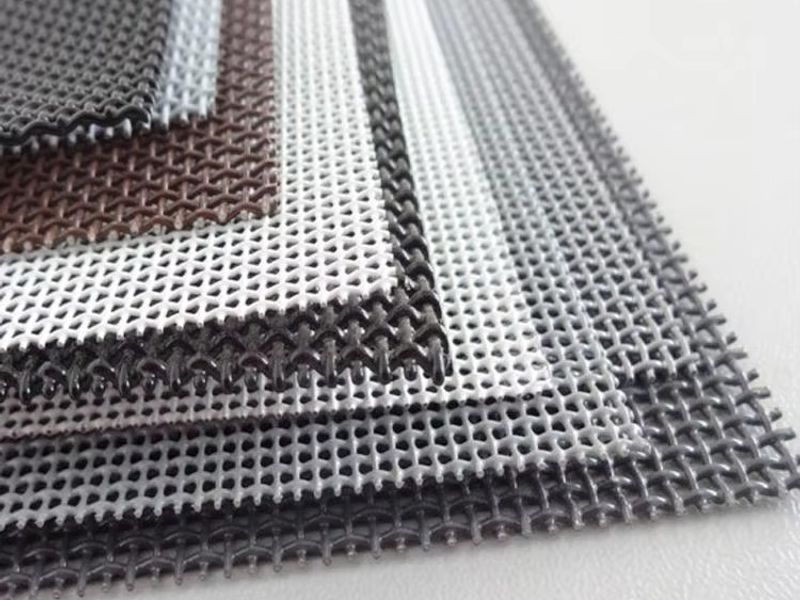
Square-opening woven wire mesh for screening, support layers and custom fabricated filter parts.
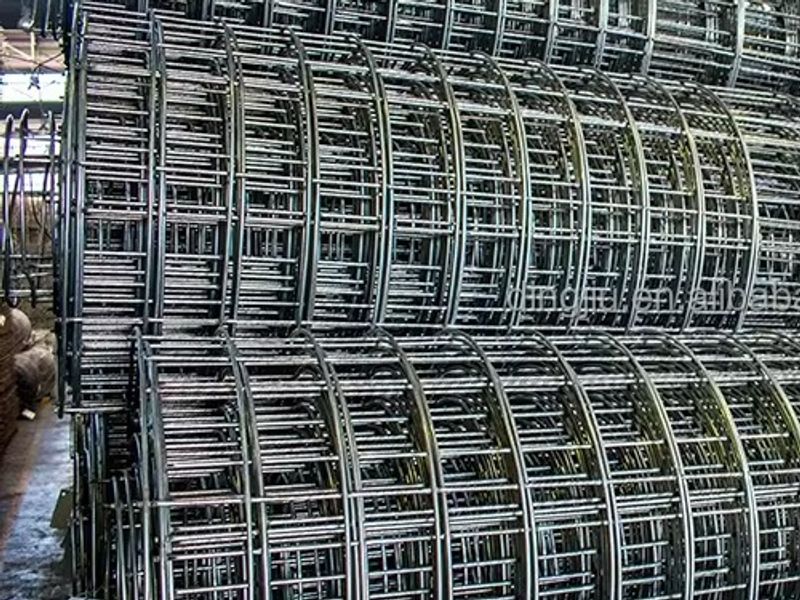
Dense woven wire mesh for fine filtration and custom screen packs in demanding process lines.
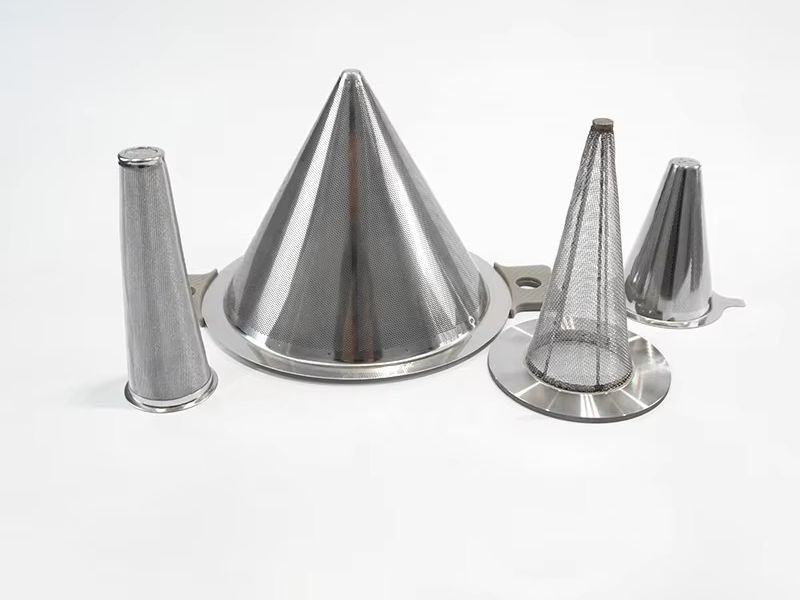
Temporary cone strainers and startup screens made to pipeline size, flange fit and debris load.
図面、寸法、材質、使用環境、または運転条件をお送りいただければ、最適な仕様の決定をサポートいたします。
アップロードしたファイルは含まれています。大きなCADは確認メールに返信するかこちらから送信:
通常 24営業時間以内 以内に返信します。