Fragen Sie zehn Einkaufsingenieure, warum ihr Unternehmen importierte Edelstahl-Filterkerzen kauft, und neun werden Ihnen dieselbe Antwort geben: „Qualität“. Fragen Sie sie, wie diese Qualität überprüft wird, und die meisten werden ins Grübeln geraten. Der Importaufschlag – in der Regel das 2- bis 5-fache des Preises einer vergleichbaren inländischen Filterkerze – wird oft eher durch den Ruf der Marke als durch dokumentierte Belege gerechtfertigt. Diese Kluft zwischen Wahrnehmung und Verifizierung ist genau der Punkt, an dem kluge Einkäufer sowohl ihr größtes Risiko als auch ihre größte Chance finden.
Dieser Leitfaden schlüsselt auf, wofür der Preisunterschied tatsächlich bezahlt wird, welche technischen Behauptungen einer Überprüfung standhalten und wie Sie einen inländischen Lieferanten mit derselben Strenge validieren können, die Sie bei einem Importeur anwenden würden.
Was ist eine Edelstahl-Filterkerze?
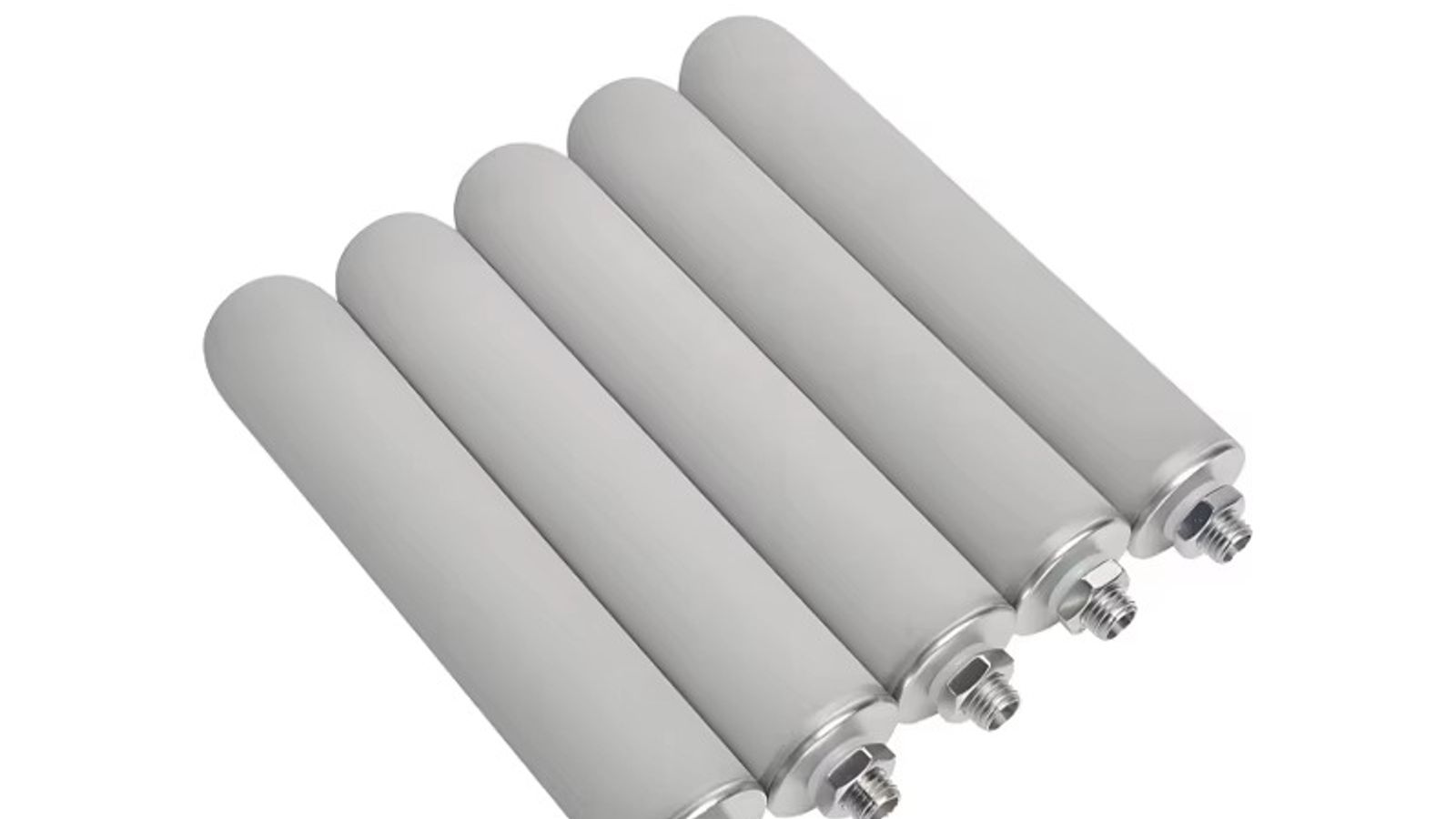
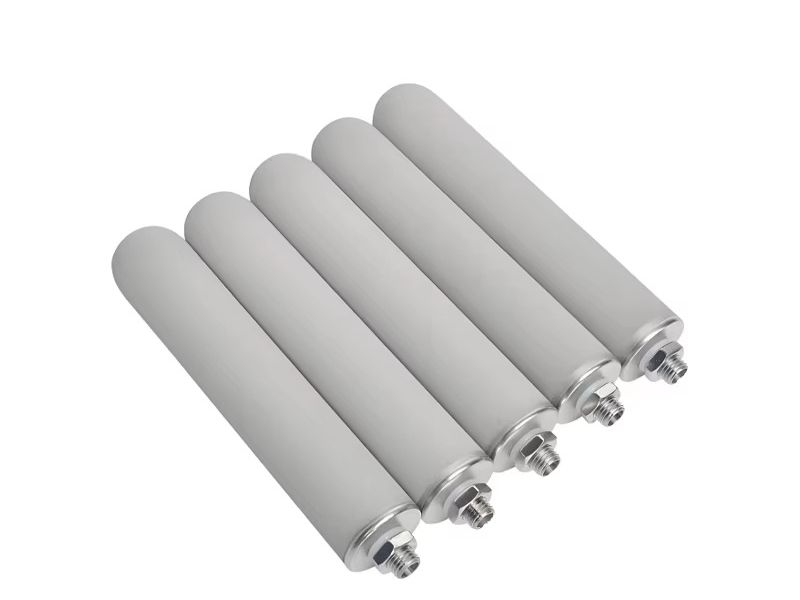
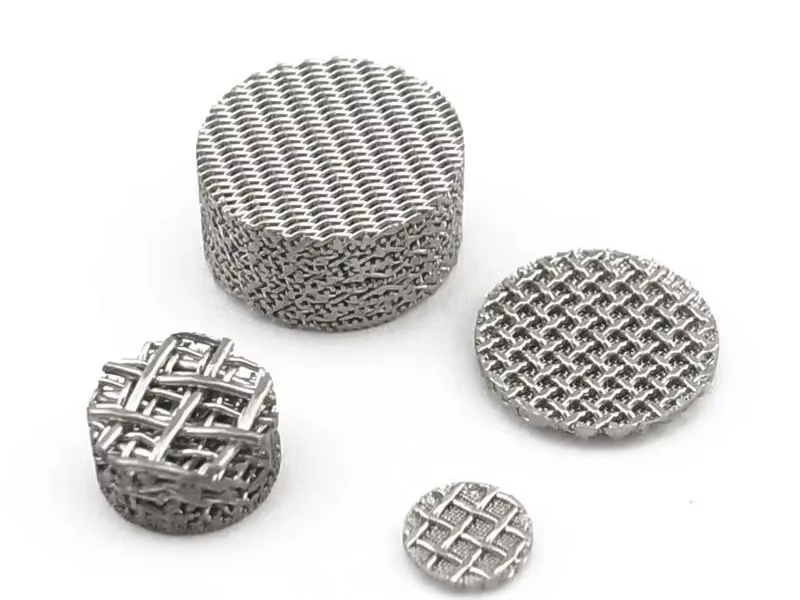
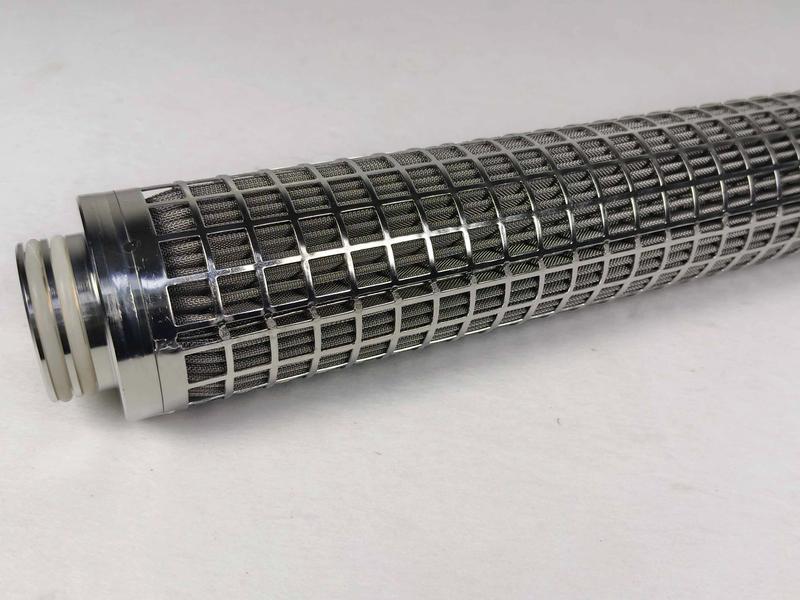
Eine Edelstahl-Filterkerze ist ein wiederverwendbares, reinigbares Filtrationselement, das aus Edelstahldrahtgewebe oder gesinterten Metallmedien hergestellt wird. Sie weist in der Regel eine Filtrationsfeinheit von 1 bis 100 μm (Mikron) auf, bei Arbeitstemperaturen von bis zu 450 °C und Arbeitsdrücken von bis zu 10 MPa oder mehr, je nach Konstruktion. Sie ist in den Güteklassen SS304, SS316 und SS316L erhältlich und wird durch Verfahren wie Plissieren, Schweißen und Sintern hergestellt – wobei mehrere Drahtgewebeschichten unter hoher Temperatur und hohem Druck zu einer starren, porösen Struktur verbunden werden. Da das Medium vollständig aus Metall besteht, kann eine Edelstahl-Filterkerze rückgespült, ultraschallgereinigt und jahrelang wiederverwendet werden, was sie zu einem festen Bestandteil in Öl- und Gas-, petrochemischen, pharmazeutischen, chemischen und Lebensmittelverarbeitungssystemen. Der wesentliche Unterschied zwischen einer Filterkerze und einem Einweg-Polymerfilter liegt nicht nur in den Kosten, sondern in der Wiederholbarkeit: Das Metallelement liefert eine gleichbleibende Filtration über Hunderte von Reinigungszyklen hinweg, vorausgesetzt, die Medien und Schweißnähte werden nach einem dokumentierten Standard hergestellt.
Die Preislücke: Wofür bezahlen Sie tatsächlich?
Wenn eine inländische Filterkerze 30 $ kostet und ein importiertes Äquivalent 120 $, liegt der Unterschied selten an den Rohstoffen. Edelstahldrahtgewebe ist eine auf den globalen Märkten gehandelte Ware; SS316L-Gewebe derselben Spezifikation kostet ungefähr gleich viel, egal ob es in Hebei, Hubei oder Deutschland gewebt wird. Der Aufschlag setzt sich aus vier Komponenten zusammen, und das Verständnis jeder einzelnen zeigt Ihnen, ob sich die Zahlung lohnt.
Werkstoffgüte und Rückverfolgbarkeit. Importierte Lieferanten legen in der Regel ein Abnahmeprüfzeugnis nach EN 10204 3.1 bei, ein Dokument, das die Legierungszusammensetzung, die Schmelzennummer und die mechanischen Eigenschaften des Metalls bis zum Werk zurückverfolgt. Inländische Lieferanten variieren: Einige stellen dieselbe 3.1-Dokumentation zur Verfügung, andere bieten nur eine allgemeine 2.2-Erklärung an, und eine Minderheit liefert gar nichts. Das Zertifikat selbst kostet wenig – was kostet, ist die Disziplin, die zur Aufrechterhaltung der Rückverfolgbarkeit erforderlich ist.
Arbeits- und Fertigungsstandards. Eine Filterkerze ist nur so gut wie ihre Schweißnähte und Plissierungen. Importierte Hersteller investieren in automatisiertes Schweißen, Lasernahtkontrolle und Reinraum-Montage. Inländische Fabriken haben bei derselben Ausrüstung enorme Fortschritte gemacht, aber die Qualität variiert von Betrieb zu Betrieb immer noch stark. Dies ist die mit Abstand größte Variable bei der Preislücke.
Prüfung und Inspektion. Bubble-Point-Prüfung, Durchflusskurvenmessung, Druckverlustvalidierung und Maßprüfung erhöhen die Kosten. Ein Lieferant, der diese Schritte überspringt, kann billiger verkaufen – und Filterkerzen herstellen, die im Betrieb versagen.
Markenaufschlag und Gemeinkosten. Globale Marken tragen Vertriebsteams, Händler, Lagerhäuser, Einfuhrzölle und Haftpflichtversicherungen. Ein Anteil von 30–50 % des Importpreises kann reiner Vertriebsoverhead sein. Nichts davon macht das Produkt schlechter, aber es macht es auch nicht besser.
Was importierte Marken gut machen
Es lohnt sich, genau zu bestimmen, worin sich importierte Filterkerzen wirklich auszeichnen, da dies die Eigenschaften sind, die ein inländischer Lieferant nachweisen und nicht nur behaupten können muss.
Konsistenz der Filtrationsgenauigkeit. High-End-Importfilterkerzen halten eine nominale Filterfeinheit innerhalb einer engen Toleranz ein – typischerweise ±2–5 % der angegebenen Mikrometergröße über alle Produktionschargen hinweg. Diese Konsistenz ist in kritischen Anwendungen von Bedeutung, bei denen eine 10-μm-Filterkerze, die tatsächlich bei 8 oder 14 μm filtert, die Qualität des nachgelagerten Produkts verändert.
Oberflächengüte und Reinigbarkeit. Pharma- und Lebensmittelanwendungen erfordern eine Oberflächenrauheit im Bereich von Ra 0,4–0,8 μm, die durch Elektropolieren erzielt wird. Eine glattere Oberfläche fängt weniger Partikel ein, gibt gereinigte Medien schneller frei und besteht die Validierung einfacher. Importierte Filterkerzen in Pharmaqualität dokumentieren diese Rauheit auf jedem Chargenzertifikat.
Schweißnahtqualität und strukturelle Integrität. Die Längsnähte und Endkappen-Schweißnähte einer Filterkerze entscheiden darüber, ob sie thermische Zyklen, Rückspülen und Druckspitzen übersteht. Importierte Lieferanten führen routinemäßig eine 100%ige Schweißnahtprüfung sowie hydrostatische Prüfungen oder Bubble-Point-Prüfungen an jedem Stück durch.
Keine dieser Fähigkeiten ist ausschließlich Importen vorbehalten. Aber sie sind in importierten Lieferketten in einer Weise konsistent, wie sie es auf dem Inlandsmarkt noch nicht sind. Diese Konsistenz, nicht Magie, ist das, was man mit dem Aufpreis bezahlt.
So überprüfen Sie einen inländischen Lieferanten (Die evidenzbasierte Checkliste)
Die richtige Reaktion auf den Importaufpreis besteht nicht darin, anzunehmen, dass die inländische Qualität schlechter ist – sondern zu überprüfen, ob sie gleichwertig ist. Vier Prüfungen decken die Mehrheit der in der Praxis auftretenden Fehlerbilder ab.
1. Fordern Sie ein Abnahmeprüfzeugnis nach EN 10204 3.1 an. Akzeptieren Sie kein mündliches „Wir verwenden 316L“. Fragen Sie nach dem Werkszeugnis mit Schmelzenummern und gleichen Sie das Zertifikat mit dem tatsächlichen Drahtgewebe ab, bevor es verschweißt wird. Jeder Lieferant, der keine 3.1-Dokumentation für sein Vormaterial vorlegen kann, sollte für kritische Anwendungen unabhängig vom Preis disqualifiziert werden.
2. Führen Sie eine PMI-Prüfung (Positive Werkstoffidentifikation) durch oder fordern Sie diese an. Ein tragbares Röntgenfluoreszenzspektrometer kann die Legierungszusammensetzung der fertigen Filterkerze in Sekundenschnelle bestätigen. Es kostet nur wenige Dollar pro Messpunkt und deckt den häufigsten Verwechslungsfehler auf: eine „316L“-Filterkerze, die in Wirklichkeit aus 304 oder, schlimmer noch, aus Material der Güteklasse 201 besteht. Für eine ausführliche Erklärung, wie Legierungsverwechslungen und Lieferantenbewertungen in der Praxis funktionieren, bietet unser Leitfaden zur Auswahl eines Herstellers von Drahtgewebefiltern deckt dieselbe Disziplin auf der Ebene der Lieferantenauswahl ab.
3. Verlangen Sie eine Bubble-Point-Integritätsprüfung. Die Bubble-Point-Prüfung ist das Standardverfahren zur Überprüfung, ob die Poren in einem Filterelement intakt sind und innerhalb der Spezifikation liegen. Die nach ASTM E128 oder ISO 4003 durchgeführte Prüfung setzt das benetzte Element unter Druck und misst den ersten Blasendurchbruch, der direkt mit der maximalen Porengröße korreliert. Eine Filterkerze, die die Bubble-Point-Prüfung innerhalb der spezifizierten Mikrontoleranz besteht, filtert mit dieser Nennleistung. Bestehen Sie auf der Einsicht in die Prüfdaten – oder zahlen Sie besser die geringe Gebühr, um eine Prüfung der von Ihnen gekauften Charge persönlich zu begleiten.
4. Messen Sie die Maßtoleranzen. Filterpatronenlänge, Außendurchmesser, Dichtungssitzabmessungen und O-Ring-Nuten müssen innerhalb enger Toleranzen mit dem Gehäuse übereinstimmen – typischerweise ±1 mm bei der Länge und ±0,1 mm bei kritischen Dichtflächen. Eine Patrone, die locker sitzt, umgeht die Filtration, unabhängig davon, wie gut das Filtermedium ist. Fordern Sie die Prüfberichte des Lieferanten an oder akzeptieren Sie eine Stichprobenprüfung der eingehenden Charge.
Für Spezialgeometrien – unübliche Längen, kundenspezifische Endkappen oder mehrlagige Filtermedien – ist ein inländischer Lieferant, der nach Ihrer Zeichnung fertigen kann, oft schneller und kostengünstiger als ein Import. Unser Artikel über die kundenspezifische Herstellung von Filterpatronen nach Zeichnung erklärt, welche Dokumentation Sie einsenden sollten, um ein präzises Angebot zu erhalten.
Inländisch vs. Importiert: Direkter Vergleich
| Vergleichspunkt | Importiert (Premiummarke) | Inländisch (Verifizierter Lieferant) | Zu verifizierende Punkte |
|---|
| Materialzertifikat | EN 10204 3.1 Standard | Variiert; Top-Lieferanten bieten 3.1 | Schmelzennummern bis zum Werk rückverfolgbar |
| Filtrationsgenauigkeit | Nennwert typischerweise innerhalb ±2–5% | Verifizierte Lieferanten stimmen überein; unverifizierte können abweichen | Bubble-Point-Testdaten |
| Oberflächengüte (Pharma) | Ra 0.4–0.8 μm dokumentiert | Auf Anfrage durch Elektropolieren erhältlich | Ra-Messprotokoll |
| Preis (typisch) | 2–5× inländisches Äquivalent | Basiswert | Kosten pro Reinigungszyklus; nicht Stückpreis |
| Lieferzeit | 4–8 Wochen + Versand | Typischerweise 2–4 Wochen; schneller bei Lagerware | Bestätigte Lieferzusage |
| Anpassung | Auf Standardsortiment oder lange Lieferzeiten beschränkt | Fertigung nach Zeichnung üblich | Konstruktionszeichnung + Muster |
| After-Sales-Support | Abhängig vom lokalen Händler | Direkte Reaktion des Herstellers | Reaktionszeit; Ersatzteile |
| Mindestbestellmenge | Über Händler oft hoch | Flexibel; Muster verfügbar | Mustertestprogramm |
Die Tabelle ist bewusst nicht als „importiert schlecht, inländisch gut“ zu verstehen. Sie zeigt auf, wo die tatsächlichen Unterschiede liegen – und fast jede Zeile ist durch Verifizierung verhandelbar.
Wann inländisch sinnvoll ist und wann importiert nicht verhandelbar ist
Wählen Sie einen verifizierten inländischen Lieferanten, wenn: die Anwendung industriell, aber unkritisch ist – allgemeine chemische Filtration, Wasseraufbereitung, hydraulische Rücklaufleitungen oder Kühlsysteme, bei denen ein Ausfall der Filterkerze zwar Ausfallzeiten, aber keine Sicherheits- oder regulatorischen Probleme verursacht; wenn Sie einen schnellen Austausch einer Standardgröße benötigen; wenn eine kundenspezifische Anpassung erforderlich ist; oder wenn die Kosten pro Reinigungszyklus und nicht die Anschaffungskosten der entscheidende Faktor sind. Gesinterte Drahtgewebe-Filterkerzen und fünfschichtige Sintergewebe-Elemente eines qualifizierten inländischen Herstellers erfüllen heute diese Aufgaben in Öl-, Gas- und petrochemischen Anlagen weltweit, einschließlich Standorten, die sich früher auf importierte Ersatzteile standardisiert hatten.
Importiert ist die vertretbare Wahl, wenn: die Anwendung regulatorischen Anforderungen unterliegt – pharmazeutische Herstellung, Sterilfiltration, Kontakt mit Lebensmitteln und Getränken oder jeder Prozess, bei dem die Chargenfreigabe von einer dokumentierten Filtervalidierung abhängt. In diesen Branchen ist die Filterkerze Teil des validierten Prozesses, und ein Wechsel des Lieferanten bedeutet eine Revalidierung. Der Aufpreis für Importware ist dann keine Qualitätsgebühr, sondern der Preis für ein unverändertes Validierungspaket. Wenn Sie in dieser Kategorie tätig sind, lesen Sie unseren Validierungsleitfaden für pharmazeutische Filter für den Dokumentationsnachweis, den ein Filterelement aufweisen muss – einschließlich Bubble-Point, extrahierbaren Stoffen und Biokompatibilitätsdaten –, bevor Sie einen Lieferanten akzeptieren, ob inländisch oder importiert.
Ein weiteres Szenario verdient Erwähnung: der Hochdruck- oder Hochtemperaturbetrieb außerhalb des Standardbereichs. Wenn Ihr Prozess etwa 450°C oder 10 MPa überschreitet, wird die Konstruktion der Filterpatrone – Wandstärke, Schweißnahtkonstruktion der Endkappe, Struktur des Filtermediums – technisch kritisch, und die Auslegungsberechnung des Lieferanten ist wichtiger als das Herkunftsland.
Häufige Irrtümer, die es auszuräumen gilt
„Importiert bedeutet immer besseres Metall.“ Die Legierung stammt aus denselben globalen Stahlwerken. Was sich unterscheidet, sind Rückverfolgbarkeit und Verifizierung, und beides ist überprüfbar.
"Inländische Filterkerzen fallen immer schneller aus." Eine Filterkerze fällt aufgrund von Verstopfung des Filtermediums, Schweißnahtrissen oder Legierungskorrosion aus – nicht wegen ihrer Herkunft. Eine gut geprüfte inländische Filterkerze in der richtigen Anwendung überlebt in der Regel eine Marken-Filterkerze, die über ihren ausgelegten Druckverlust hinaus betrieben wird.
"Der Preis pro Filterkerze ist der richtige Vergleich." Das ist er nicht. Eine importierte Filterkerze für 120 $, die 200 Reinigungszyklen bei 10 μm übersteht, ist pro Zyklus günstiger als eine inländische Filterkerze für 30 $, die Sie nach dem 60. Zyklus austauschen müssen, weil ihre Falten kollabieren. Vergleichen Sie die Kosten pro Reinigungszyklus, nicht den Anschaffungspreis.
"Ein Bubble-Point-Zertifikat garantiert alles." Es bestätigt die Porenintegrität zum Zeitpunkt der Prüfung. Es sagt nichts über die Legierungsqualität, die Schweißnahtfestigkeit oder die Oberflächengüte aus. Der Bubble-Point-Test ist nur ein einzelner Prüfschritt, nicht der gesamte Prüfprozess.
Für eine Übersicht darüber, wie sich Sintermetall- und Drahtgewebe-Filtermedien in Bezug auf Druckverlust, Reinigung und Lebensdauer unterscheiden – und welches sich für welche Aufgabe eignet –, lesen Sie unseren Vergleich von Sintermetallfiltern und Drahtgewebefiltern.
Beschaffungs-Checkliste für beide Optionen
- Vergewissern Sie sich, dass Medientyp und Filterfeinheit mit dem Gehäuse und dem Prozess übereinstimmen, nicht nur mit dem Spezifikationsblatt.
- Fordern Sie EN 10204 3.1 Materialzertifikate vor dem Kauf an, nicht danach.
- Führen Sie bei Erhalt Stichproben der Legierung mittels PMI durch.
- Fordern Sie die Bubble-Point-Testdaten für die Charge an oder wohnen Sie einer Prüfung bei.
- Überprüfen Sie die Dichtungssitze und Abmessungen anhand der Gehäusezeichnung.
- Gleichen Sie Auslegungsdruck, Temperatur und Durchflussrate mit den tatsächlichen Betriebsbedingungen ab.
- Fragen Sie nach den Reinigungsmethoden – Ultraschall, Rückspülung, chemisch – und wie viele Zyklen die Konstruktion unterstützt.
- Fordern Sie für regulierte Industrien das Validierungsdossier und die Change-Control-Dokumentation an.
FAQ
F: Wie viel günstiger sind inländische Edelstahl-Filterkerzen im Vergleich zu importierten? A: Eine inländische Filterkerze ist in den Anschaffungskosten in der Regel 50–80 % günstiger als das importierte Äquivalent – also etwa 2- bis 5-mal preiswerter. Der tatsächliche Vergleich sollte jedoch auf den Kosten pro Reinigungszyklus basieren, was den Unterschied je nach Lebensdauer der Filterkerze und Leistung bei Ihrem spezifischen Einsatzbereich verringern oder vergrößern kann.
F: Können inländische Lieferanten EN 10204 3.1-Materialzertifikate bereitstellen? A: Ja. Qualifizierte inländische Hersteller beziehen werkszertifiziertes SS304-, SS316- und SS316L-Drahtgewebe und stellen dieselbe EN 10204 3.1-Dokumentation wie Importmarken zur Verfügung. Fordern Sie vor dem Kauf immer das Zertifikat mit den Schmelzenummern an und gleichen Sie es mit dem gelieferten Material ab.
F: Wie kann ich die Filterfeinheit einer Edelstahl-Filterkerze überprüfen? A: Die Standardmethode ist die Blasendruckprüfung nach ASTM E128 oder ISO 4003, die die maximale Porengröße mit der angegebenen Mikrometerpräzision korreliert. In Kombination mit einer PMI-Legierungsprüfung und einer Maßprüfung wird so nachgewiesen, dass eine Filterkerze gemäß ihrer spezifizierten Nennleistung filtriert.
F: Wann ist eine importierte Edelstahl-Filterkerze zwingend erforderlich? A: Wenn die Filterkerze Teil eines validierten Prozesses in einer regulierten Industrie wie der Pharma- oder Lebensmittelherstellung ist, bei der ein Lieferantenwechsel eine Revalidierung erfordert. Bei industriellen Anwendungen ohne regulatorische Anforderungen ist eine geprüfte inländische Filterkerze normalerweise eine vertretbare Alternative.
F: Funktionieren inländische Filterkerzen in Öl-, Gas- und petrochemischen Prozessen? A: Ja. Filterkerzen aus gesintertem Drahtgewebe und fünflagigem Sintergewebe von qualifizierten inländischen Herstellern werden häufig in der Öl-, Gas- und Petrochemie eingesetzt, einschließlich Hochdruck- und Hochtemperaturanwendungen, sofern die Auslegungsgrenzen und Materialzertifikate vor dem Einbau überprüft werden.
Fazit
Der Importaufschlag für Edelstahl-Filterkerzen ist ein Aufschlag für Konsistenz und Dokumentation – nicht für das Metall. Ein inländischer Lieferant, der EN 10204 3.1-Materialzertifikate vorlegen, die Bubble-Point-Prüfung bestehen, eine PMI-verifizierte Legierungszusammensetzung nachweisen und Maßtoleranzen einhalten kann, liefert eine Leistung, die sich von einer importierten Filterkerze nicht unterscheidet – und das zu einem Bruchteil der Kosten und einer weitaus kürzeren Lieferzeit. Die rationale Entscheidung für jede Anwendung außerhalb der regulierten Validierung lautet nicht „importiert oder inländisch“, sondern „verifiziert oder unverifiziert“.
Bei Kaifil fertigen wir Edelstahl-Filterkerzen aus SS304, SS316 und SS316L, von plissierten Filterkerzen bis hin zu gesintertem Drahtgewebe und fünflagigen Sintergewebe-Elementen, auf Wunsch mit vollständiger Materialrückverfolgbarkeit und Integritätsprüfung. Wir fertigen kundenspezifische Komponenten nach Ihren Zeichnungen und versenden weltweit mit einer typischen Lieferzeit von 2–4 Wochen. Wenn Sie eine inländische Alternative zu einer importierten Filterkerze prüfen, stellen wir Ihnen ein Muster und die entsprechenden Testdaten – Bubble-Point-Prüfung, Materialzertifikate und Maßprotokolle – zur Verfügung, damit Sie sich vor dem Kauf vergewissern können. Kontaktieren Sie unsere Ingenieure mit Ihren Betriebsbedingungen, und wir helfen Ihnen, die Kosten pro Reinigungszyklus zu vergleichen, nicht nur den Stückpreis.