Selection Guide
How to Choose a Wire Mesh Filter Manufacturer (Buyer's Checklist)
ISO 9001 alone isn't enough. Use this 6-point checklist to vet a wire mesh filter manufacturer on certifications, material traceability, and RFQ fit.
ISO 9001 alone isn't enough. Use this 6-point checklist to vet a wire mesh filter manufacturer on certifications, material traceability, and RFQ fit.
Most RFQs for wire mesh filters get evaluated on price and lead time first, certifications second. That ordering causes more downtime than either factor alone — a cheap element that drifts out of spec after three cleaning cycles costs more than the unit price ever saved.
This is the checklist we'd want if we were the buyer: what to verify before you commit to a supplier, not just what to ask for.
In 2026, ISO 9001:2015 remains the baseline credential worth verifying first — it covers how a manufacturer's quality management system is "audited for measurement process, analysis processes, and improvements" (Haver & Boecker, 2026). It's not a guarantee of perfect output, but it's evidence that quality is managed systematically rather than left to chance.
Beyond ISO 9001, the certifications that matter depend on your industry: FDA and ASME BPE documentation for food, beverage, and pharmaceutical buyers; CE marking for products entering European markets; AS9100 or NADCAP for aerospace and defense applications. A manufacturer serving multiple verticals should be able to produce whichever of these your project actually requires, on request, without a multi-week scramble.
The certification that gets skipped most often in practice isn't a formal standard at all — it's asking for the qualified supplier list behind the manufacturer's own raw stainless steel. A finished element can look correct and still fail early if the mill certs behind it were never properly tracked.
A manufacturer's default material recommendation tells you a lot about whether they're matching grade to application or just quoting whatever's in stock. SS304 stainless is perfectly adequate and more cost-effective for chlorine-free service under roughly 150°C, while SS316 earns its premium in salt, acid, and seawater exposure through its added corrosion resistance.
A manufacturer who asks about your process chemistry before recommending a grade — rather than defaulting straight to SS304 — is doing the qualifying work you'd otherwise have to catch yourself later.
Full material certificates, dimensional inspection reports, and traceability documentation should arrive with every shipment as standard practice, not as a special request reserved for critical orders. This matters most when a batch fails downstream — without traceability back to the specific material lot, you can't isolate whether the problem was the mesh spec, the material grade, or a manufacturing variance.
On incoming RFQs, the buyers who ask for a qualified supplier list and batch-level material certificates upfront are almost always the ones who've been burned once by a supplier who couldn't produce documentation after the fact. It's a cheap question to ask before the order, and an expensive one to ask after a failure.
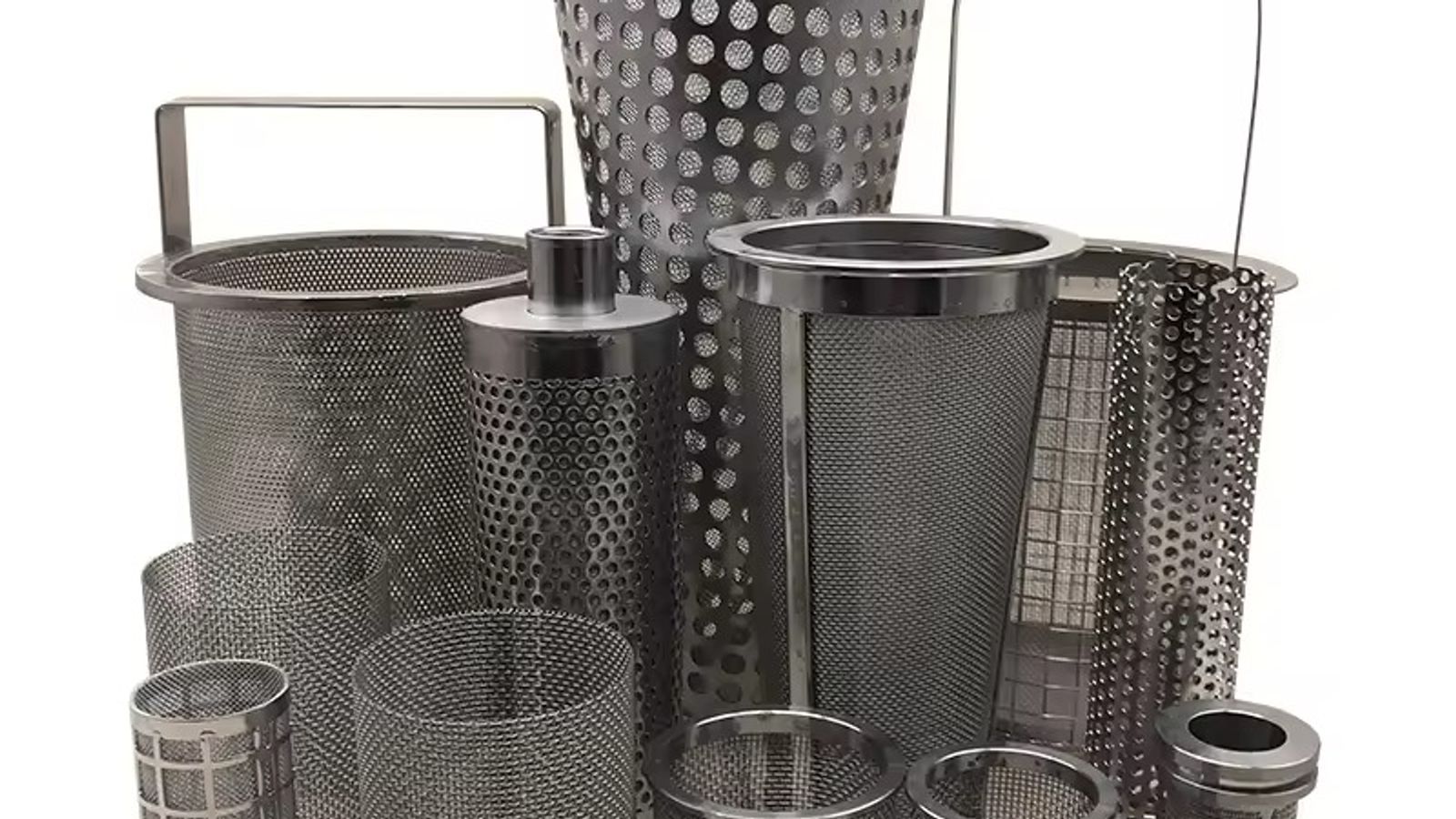
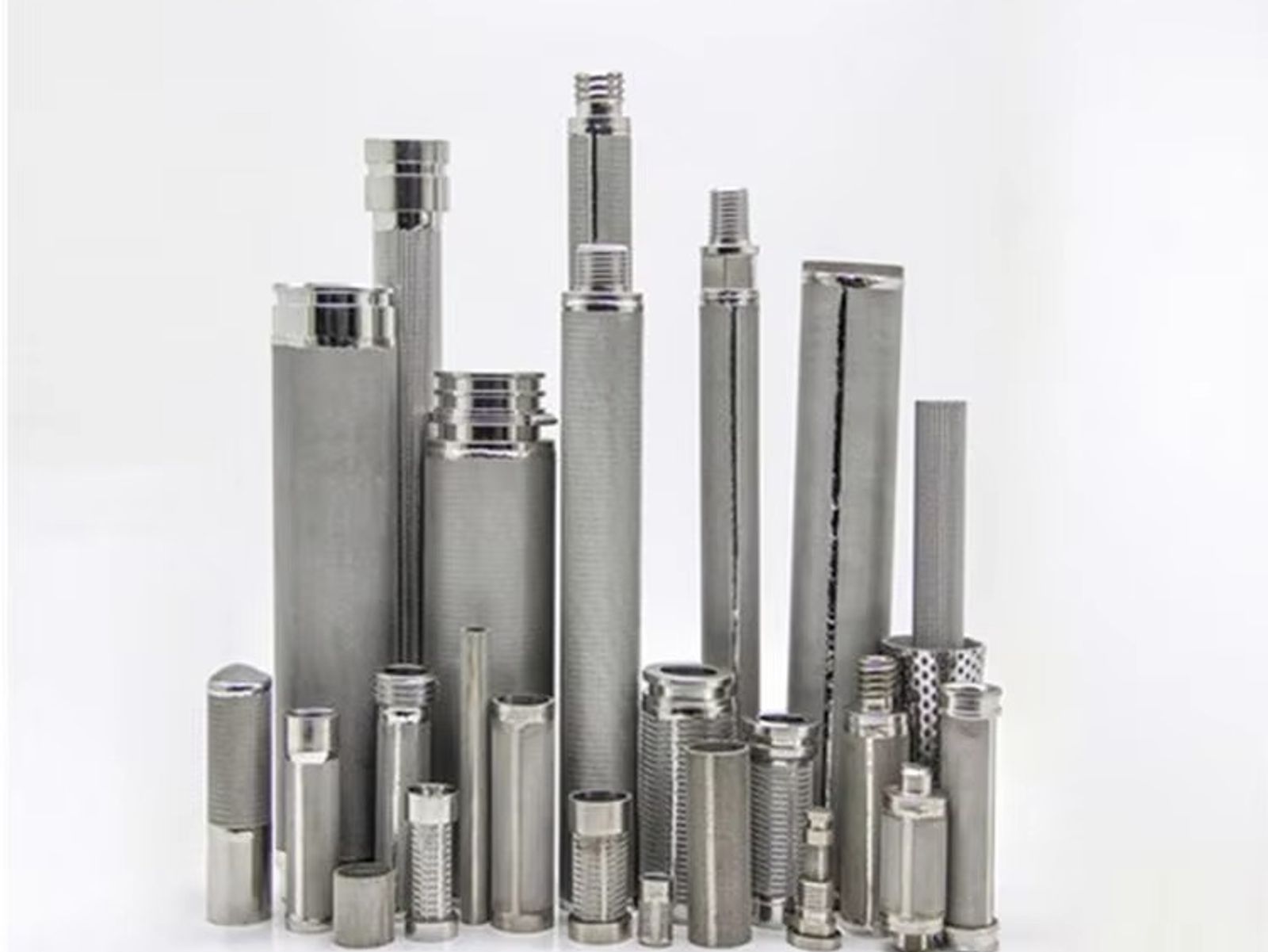
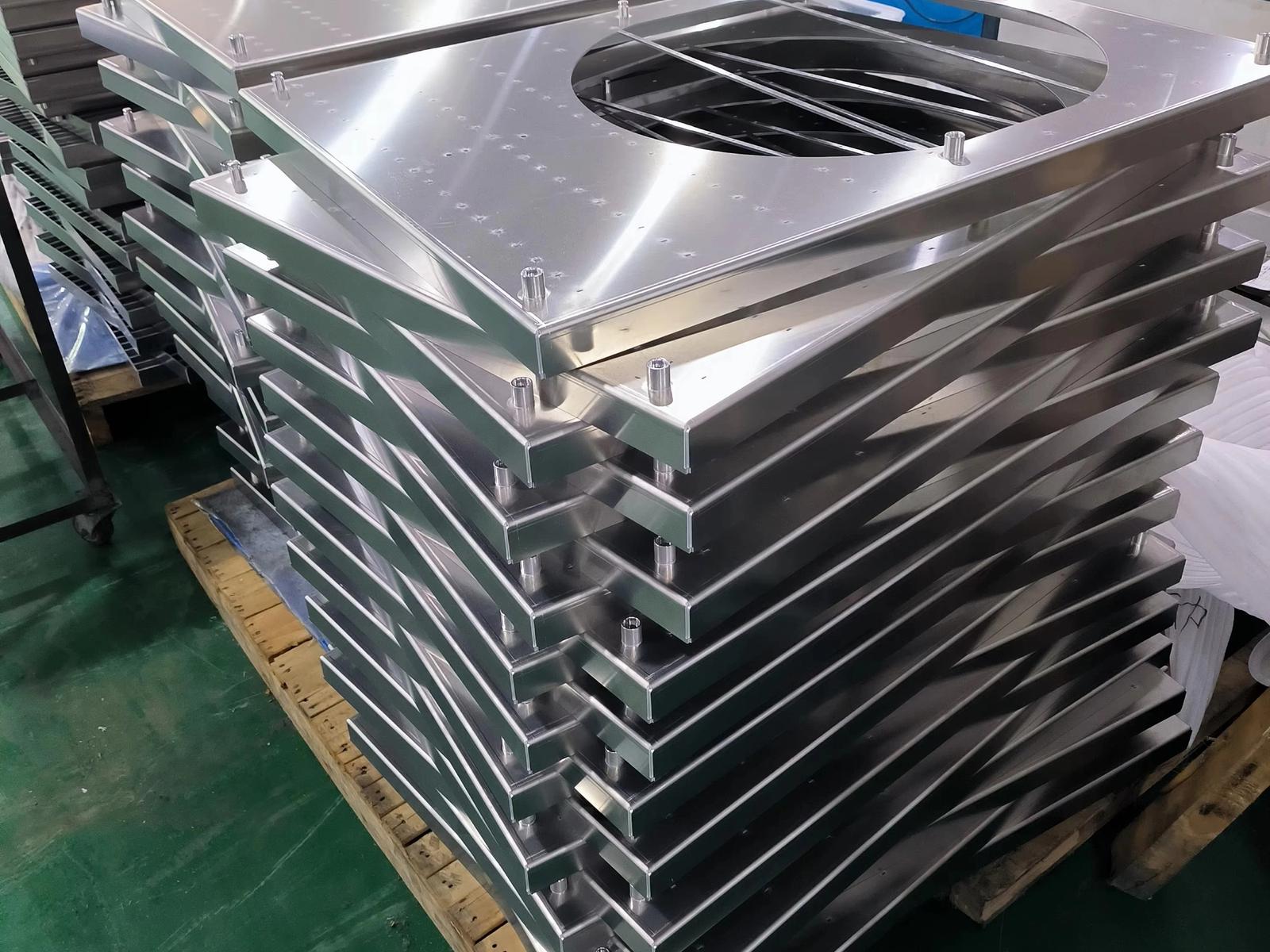
A manufacturer's real capability shows up in how many product forms they can deliver from one process line, not just their catalog page count. Rolls, sheets, discs, and cylinders — cut, edge-bound, and finished ready for direct housing installation — indicate a supplier set up for OEM work, not just standard stock replacement.
Six specification points settle most customization RFQs quickly: outer diameter, height, mesh size (or target particle to filter), mesh material, wire diameter, and plate or ring material and thickness. A manufacturer who walks you through all six before quoting — rather than asking you to guess at a part number — is signaling real engineering capability, not just sales throughput.
Years in operation matters less than whether that experience spans your specific industry. A manufacturer with two decades in stainless woven and sintered wire mesh, serving energy, petrochemical, and food processing sectors under ISO certification, has likely already solved problems your application hasn't hit yet.
Ask directly for references or case examples in your vertical rather than taking general experience claims at face value. A supplier confident in their track record will have specifics ready; one who deflects to generic marketing language usually hasn't done the work in your specific application space.
| Checklist Item | What to Verify |
|---|---|
| Certifications | ISO 9001 minimum; FDA/ASME BPE; CE; AS9100/NADCAP as your industry requires |
| Material grades | Correct default (SS304 vs SS316) matched to your process chemistry |
| Documentation | Material certs and inspection reports with every shipment; not on request only |
| Customization | Rolls; sheets; discs; cylinders — finished and installation-ready |
| Track record | Industry-specific experience; not just years in business |
| Sample availability | Willing to provide samples before a bulk commitment |
Checklist criteria synthesized from industry sourcing guidance (Haver & Boecker, 2026) and standard OEM procurement practice.
No — it's a strong baseline signal for a managed quality system, but it doesn't replace checking material grade fit, documentation practices, and industry-specific track record. Treat it as the entry requirement, not the full evaluation.
Yes, for any new supplier relationship or custom specification. A manufacturer confident in their process should have no issue providing samples, and it's the cheapest way to catch a spec mismatch before it affects a full production run.
SS304 is cost-effective and adequate for chlorine-free service under roughly 150°C, while SS316 adds resistance to corrosion from salts, acids, and seawater at a higher cost — the right choice depends on your process chemistry, not budget alone.
Because failures sometimes show up only after months in service, and without a documented material lot behind the part, you can't isolate whether the cause was the mesh spec, the material grade, or a manufacturing variance — traceability is what makes root-cause analysis possible.
At minimum, rolls, sheets, discs, and cylinders, finished and ready for direct housing installation — a supplier limited to one or two forms is signaling limited fabrication capability for custom or OEM work.
Certifications, material grade fit, documentation practice, customization range, and vertical-specific track record — evaluate all five before you commit, not just the ones that show up on a supplier's homepage.
If you're evaluating KAIFIL against this checklist, our about and quality control pages cover certifications and process documentation directly, or send a spec through contact and we'll walk you through material fit before you commit to an order.
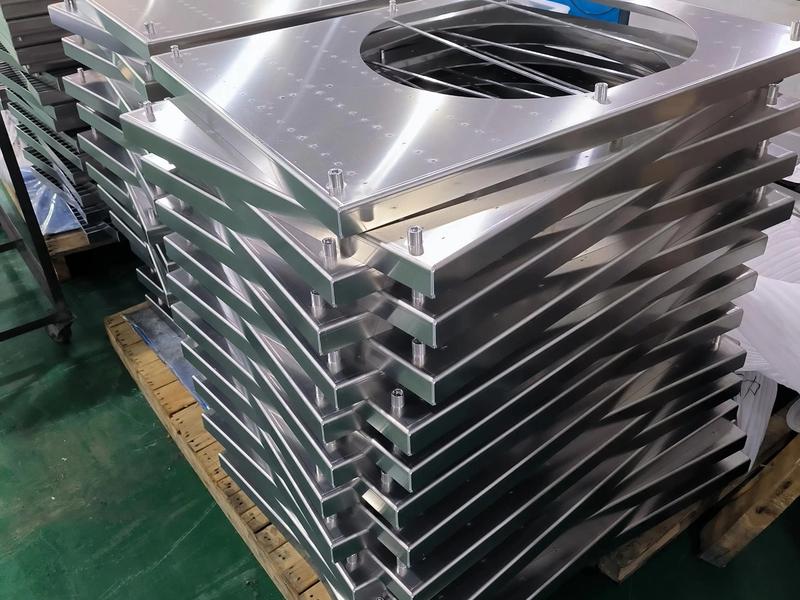
Cut, formed and welded wire mesh parts for custom equipment screens and fabricated filter inserts, supplied to drawing with material, size and packing details confirmed at RFQ stage.
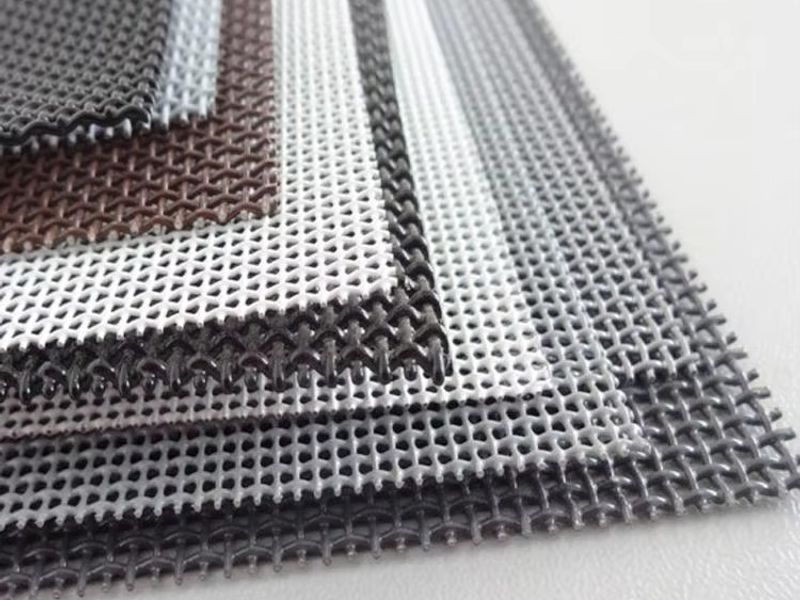
Square-opening woven wire mesh for screening, support layers and custom fabricated filter parts.
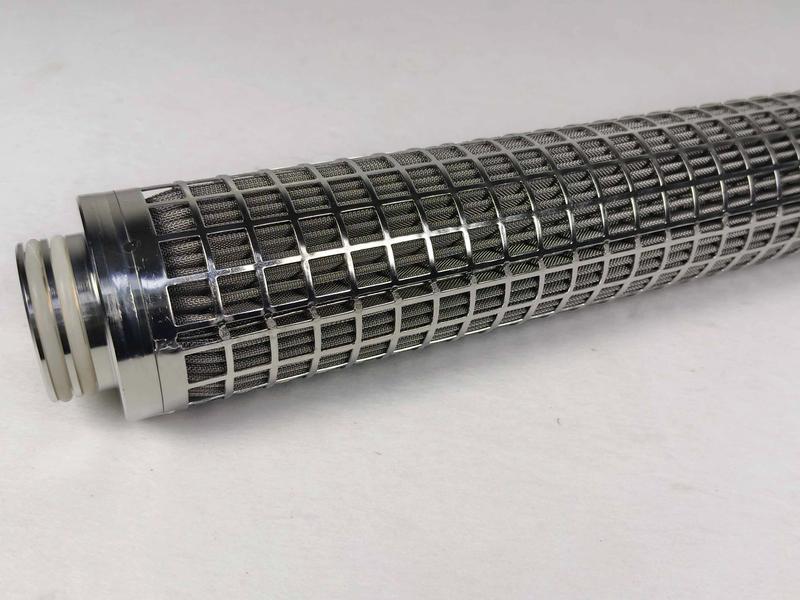
High-area pleated metal filter cartridges with custom media, end caps and seals.
Send drawings, dimensions, material, environment or operating conditions, and we will help confirm the right specification.
Uploaded reference files are included with the inquiry. For larger CAD packages, reply to the confirmation email or send them here:
Our team typically replies within 24 business hours.