Selection Guide
Pleated vs. Sintered Filter Cartridge: Which One Fits Your Process?
Sintered cartridges hold 1-200 micron at 99.99% efficiency; pleated wire mesh covers 20-500 micron at 97-99%. Compare cost, accuracy, and reusability.
Sintered cartridges hold 1-200 micron at 99.99% efficiency; pleated wire mesh covers 20-500 micron at 97-99%. Compare cost, accuracy, and reusability.
Both cartridge types are cleanable, both are metal, and both show up quoted against each other on the same RFQ more often than buyers expect. The decision usually comes down to one question that doesn't show up on a spec sheet: how much accuracy drift can your process tolerate once the cartridge has been cleaned a few dozen times?
Sintered mesh pleated filter cartridges filter from 1 to 200 microns at up to 99.99% efficiency, while pleated wire mesh cartridges cover a coarser 20 to 500 micron range at 97 to 99% efficiency (Filson Filters, 2026). On paper that looks like a straightforward "sintered wins" comparison — but the efficiency numbers only tell part of the story.
Market feedback we see lines up with a pattern worth knowing before you spec by the numbers alone: a wire mesh cartridge rated at 20 microns often performs closer to a 10-micron cartridge's real-world particle retention, because the mechanical nature of wire mesh filtration doesn't behave identically to the sintered structure's pore geometry. Don't assume the two rating scales translate one-to-one.
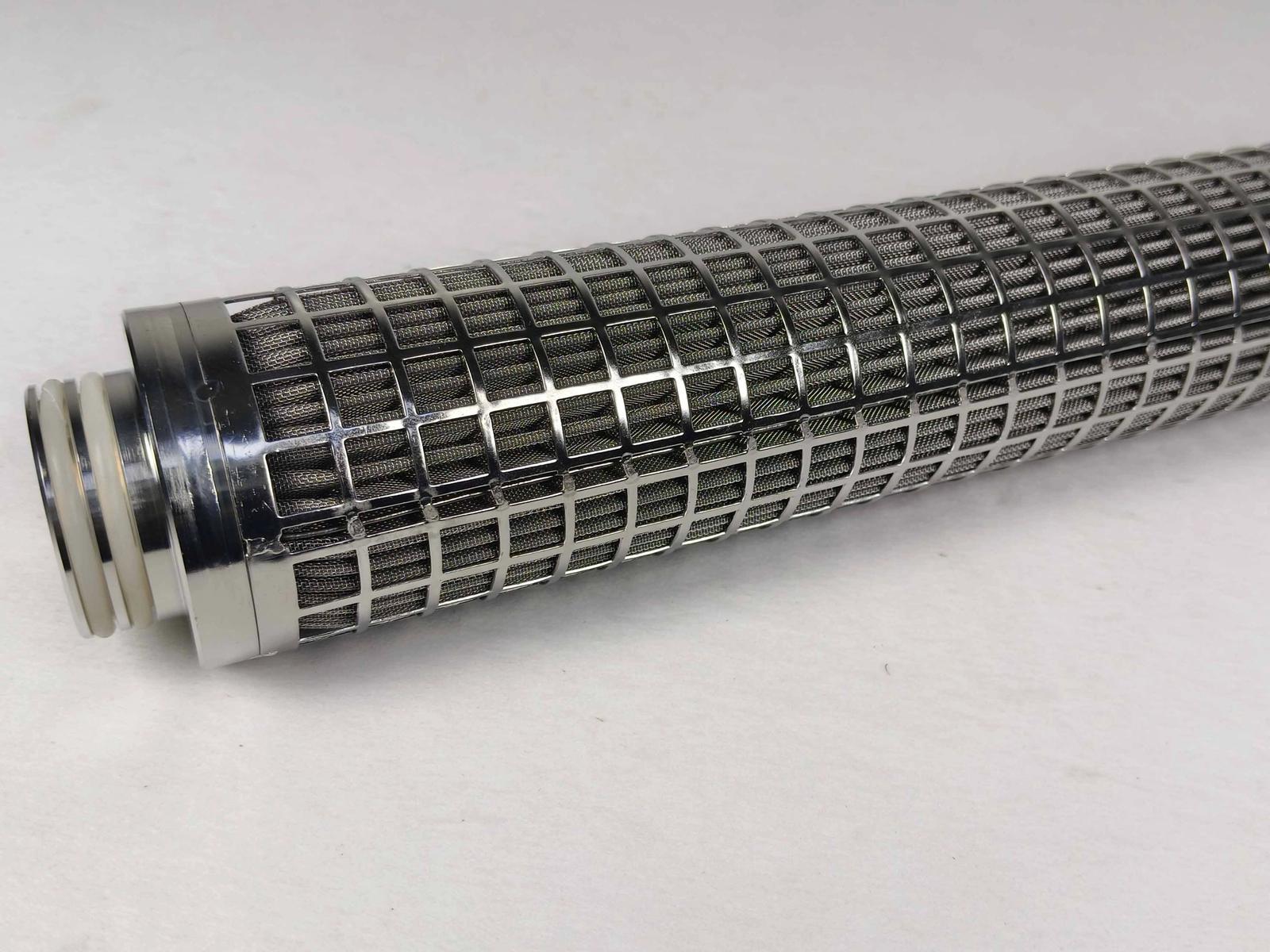
This is where the two constructions diverge most in practice. Sintered mesh holds filtration accuracy within a 2% fluctuation under pressure, while wire mesh can drift 30% or more as individual wires shift and displace during repeated cleaning cycles (Filson Filters, 2026). That drift is invisible on a spec sheet and shows up months later as inconsistent downstream quality.
| Property | Pleated Wire Mesh | Sintered Mesh |
|---|---|---|
| Micron rating | 20–500 µm | 1–200 µm |
| Filtration efficiency | 97–99% | Up to 99.99% |
| Accuracy stability | May drift 30%+ under repeated use | ≤2% fluctuation |
| Upfront cost | Lower | Higher |
| Best fit | Coarse filtration; high-viscosity liquids | Fine; critical-process filtration |
Source: Filson Filters, retrieved 2026-07-22.
Isn't accuracy drift just a maintenance-interval problem you can plan around? Only if you know it's happening — the failure mode is gradual, not a hard cutoff, which is exactly what makes it easy to miss until a downstream customer or QC check flags a contamination issue that traces back to a cartridge nobody suspected.
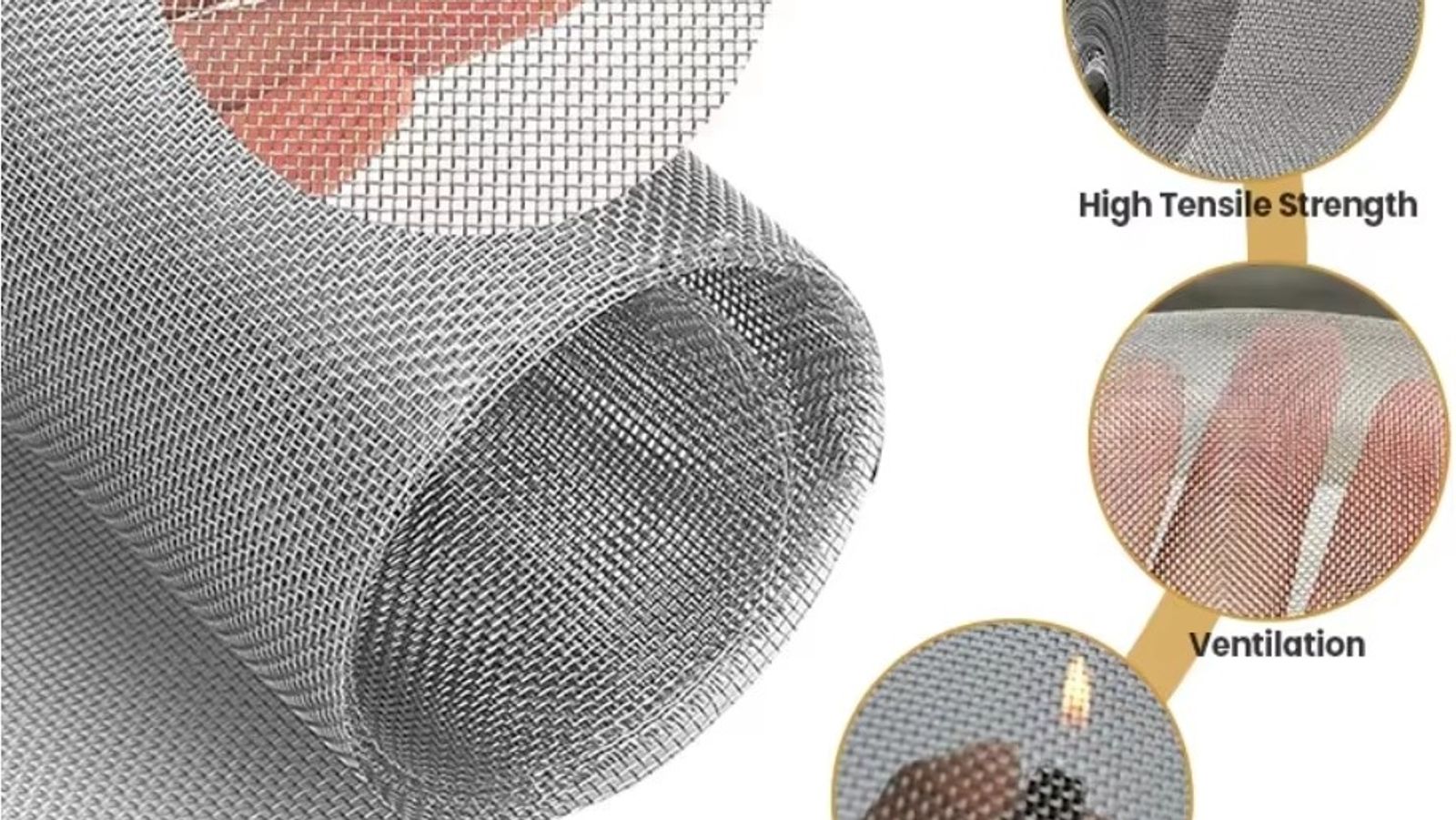
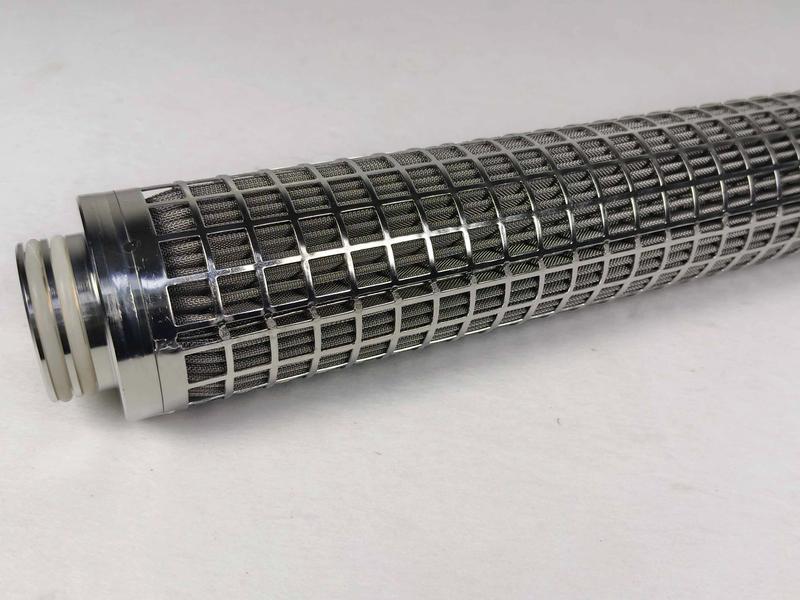
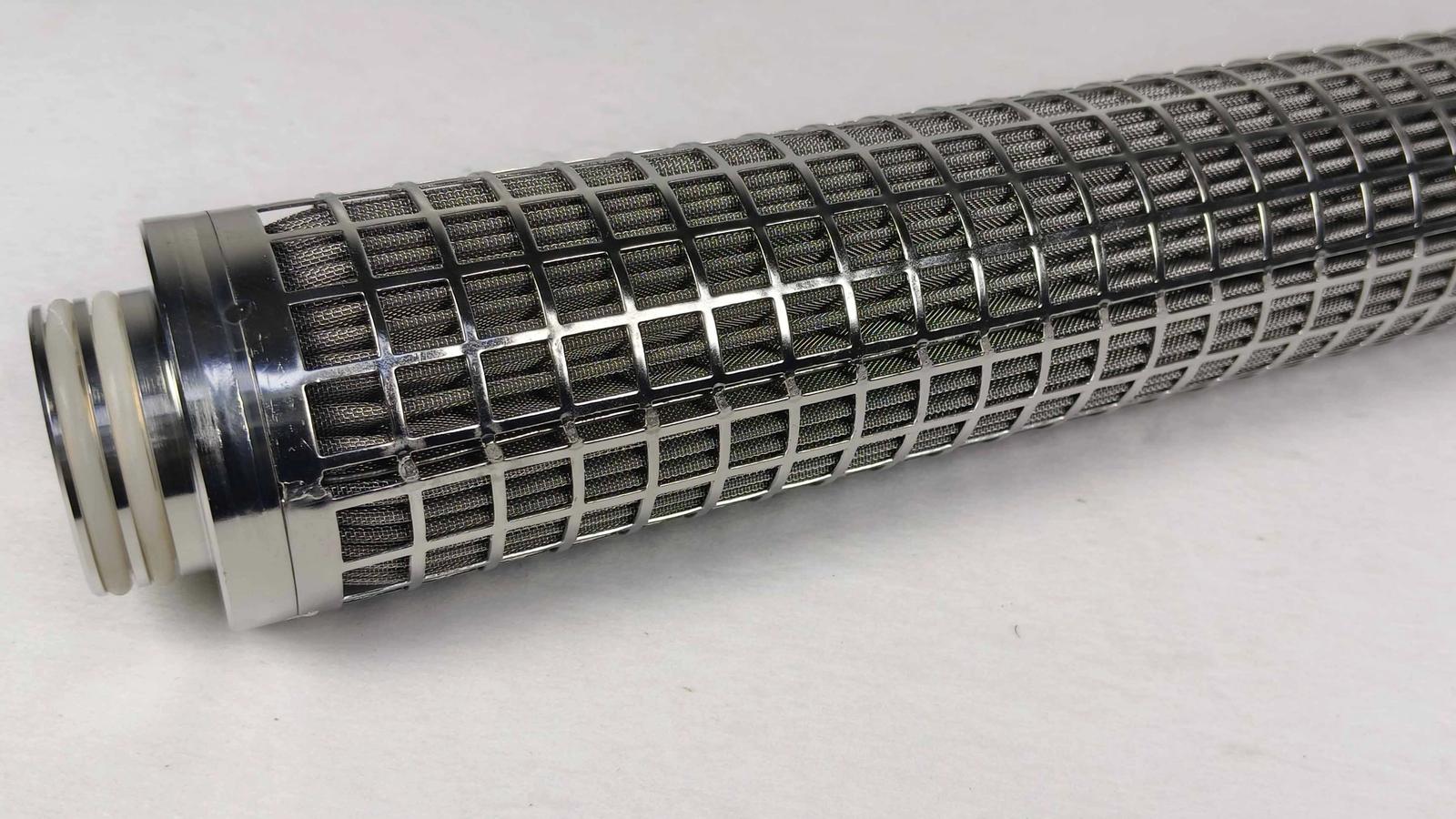
Pleated wire mesh cartridges are more economical upfront, and they're a reasonable fit for coarser filtration or high-viscosity liquids where the accuracy-drift issue matters less because the tolerance band was already wide. Sintered mesh cartridges cost more to buy, but the multi-layer vacuum-sintered construction supports repeated backwashing without the accuracy loss that shortens a wire mesh cartridge's useful precision window.
On drawing reviews, semiconductor and pharmaceutical customers almost always land on sintered mesh once they see the accuracy-drift comparison, even at the higher unit cost — the downstream cost of a contamination event in those processes dwarfs the price difference between cartridge types.
Run the decision through three questions: How tight does your particle retention need to stay after 50+ cleaning cycles? Does your process tolerate the coarser 20–500 micron range, or does it need the 1–200 micron precision sintered mesh holds? And does the accuracy-drift risk on wire mesh threaten product quality, or is it a manageable maintenance-interval question in your process?
If your answers point toward critical, high-cleanliness processes — pharmaceutical, semiconductor, fine chemical — sintered mesh's cost premium is buying real risk reduction. If your process is coarser, higher-viscosity, or less sensitive to gradual accuracy drift, pleated wire mesh does the job at a lower entry cost.
Often yes, if the housing's interface dimensions (thread, cap style, diameter) match — confirm against your specific housing spec, or send your current part's drawing through custom fabrication to verify fit before ordering a replacement in a different construction.
Both are cleanable and backwashable, but sintered mesh holds its pore geometry more consistently through repeated backwash cycles due to the metallurgically bonded structure, while wire mesh is more prone to accuracy drift from wire displacement under pressure.
Not necessarily — market feedback indicates wire mesh cartridges at a given micron rating can perform closer to a finer sintered rating in practice, due to differences in how each construction physically retains particles. Confirm actual performance data rather than assuming the ratings translate directly.
The multi-layer vacuum-sintering process itself is more complex and time-intensive than weaving and pleating wire mesh, and the resulting structure delivers tighter accuracy stability and higher burst strength — the cost premium reflects both the process and the performance gain.
High-cleanliness, critical processes — semiconductor, pharmaceutical, and fine chemical filtration — where accuracy drift after repeated cleaning would create unacceptable downstream risk, are the applications where sintered mesh's premium is most consistently justified.
Both cartridge types are reusable and metal, but they diverge sharply on accuracy stability over the cleaning cycles that define a cartridge's real service life — that's the comparison worth running before cost alone decides your spec.
Send your process conditions and target micron rating through KAIFIL's filter cartridges page or custom fabrication service for a construction recommendation before you commit to either type.
High-area pleated metal filter cartridges with custom media, end caps and seals.
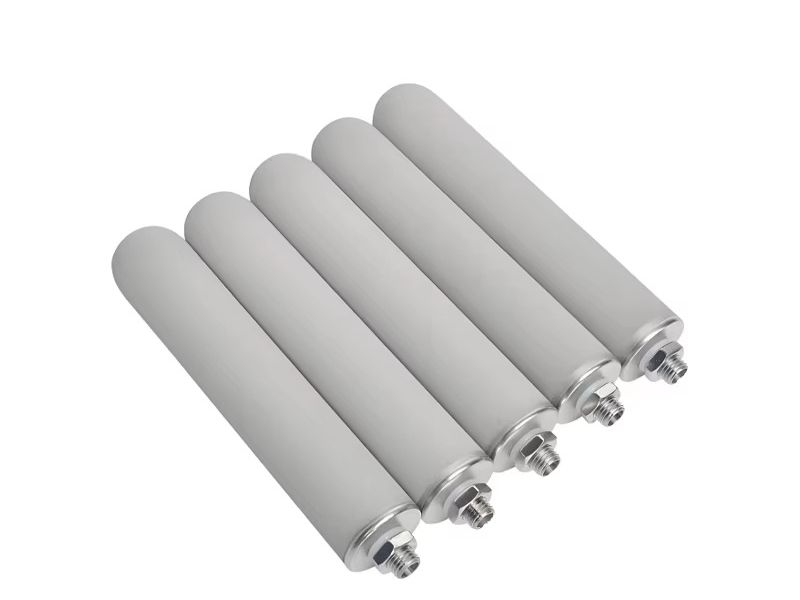
Cartridges / tubes / cylinders for reusable cartridge filtration with rigid sintered mesh media, supplied to drawing with material, size and packing details confirmed at RFQ stage.
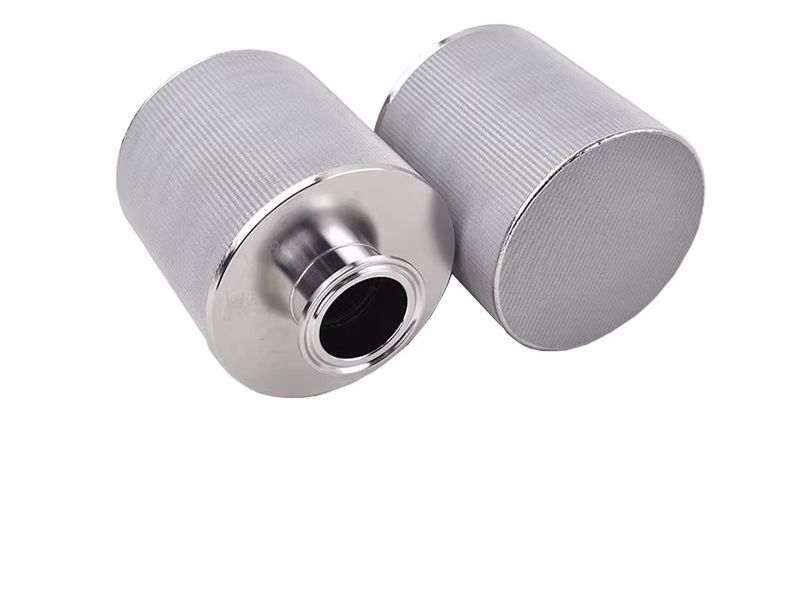
Cartridges / tubes / cylinders / cones for reusable high-strength filtration elements, supplied to drawing with material, size and packing details confirmed at RFQ stage.
Send drawings, dimensions, material, environment or operating conditions, and we will help confirm the right specification.
Uploaded reference files are included with the inquiry. For larger CAD packages, reply to the confirmation email or send them here:
Our team typically replies within 24 business hours.