KO
선정 가이드

압출기 스크린 팩 메쉬 조합: 최대의 여과 효율을 위해 40/60/80/100 mesh를 적층하는 방법

최대의 여과 효율을 위해 40/60/80/100 mesh 압출기 스크린 팩을 적층하는 방법을 알아보세요. 지금 바로 귀사의 압출 라인에 맞는 규격 선정 가이드와 견적을 받아보십시오.
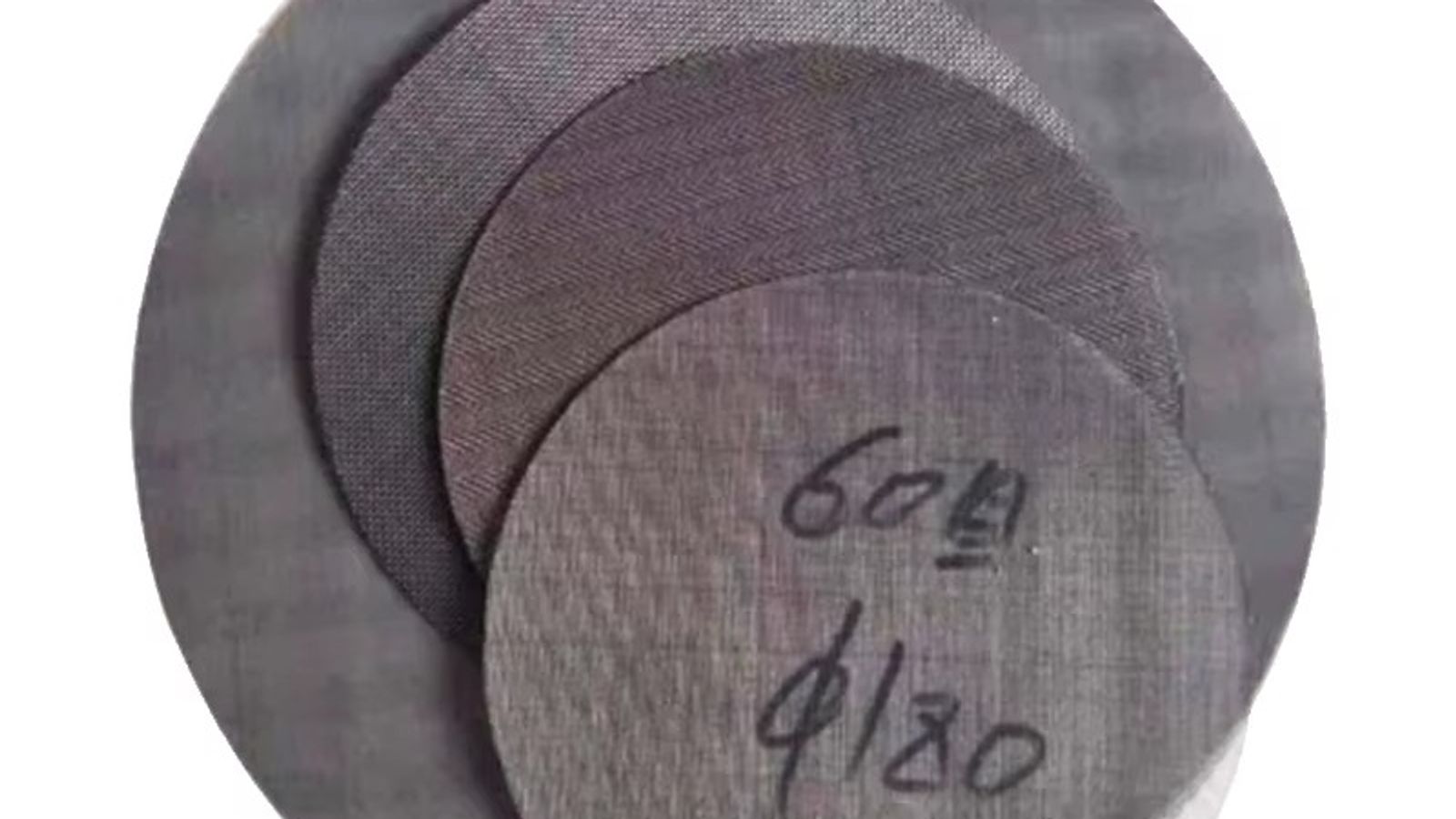
브레이커 플레이트 위에 적층된 40/60/80/100 mesh 스테인리스 스틸 와이어 메쉬 디스크를 보여주는 다층 압출기 스크린 팩의 분해도

An extruder screen pack is a stacked assembly of three to five stainless steel wire mesh discs—typically ranging from 40 to 100 mesh, or 150 to 425 μm nominal openings—placed between the breaker plate and die of an extrusion line to capture contaminants from 20 to 500 μm before they reach the finished product. Layering coarse and fine meshes together turns a single filter element into a depth filter that traps far more contamination at a fraction of the pressure loss any one mesh could manage alone. The right Extruder Screen stack also protects the breaker plate, equalizes melt flow across the die face, and gives processors a predictable operating signal—rising back pressure—that tells them exactly when to change the pack.

Why Screen Pack Layering Matters

A single 100-mesh disc rated at 150 μm will remove fine particles, but it also blinds within hours because every trapped contaminant lands on the same plane. A layered pack spreads that dirt across several surfaces: the coarse upstream meshes catch large particles and fibers first, the intermediate meshes break up the load, and the fine final mesh does the precision polishing. This depth-filtration effect is the entire reason screen pack layering exists.

The economics are significant for Plastic Extrusion Filtration applications. Virgin resin typically carries less than 0.1% contamination, so a simple two- or three-layer pack holds long. Post-consumer recycled (PCR) resin, by contrast, commonly arrives with 3–8% contamination from paper labels, glue, metal, and degraded polymer—loads that would blind a single fine mesh in under an hour. Layering does three jobs at once: it extends time between screen changes, it stabilizes pressure across the die so product dimensions stay consistent, and it protects the fine mesh from rupturing under the full pressure differential. A pack that starts at 40 mesh and steps down to 100 mesh can hold several times more dirt than the finest layer alone, while keeping clean pressure drop in check.

Mesh Count Basics

Mesh count is the number of openings per linear inch of woven wire cloth. Higher mesh means more wires per inch, smaller openings, and finer filtration—but also higher resistance to flow. It is important to distinguish nominal aperture (the size of the opening) from micron rating (the largest particle that will reliably pass), because wire diameter affects both. Under ASTM E11, standard test sieve openings are tightly defined; the apertures most relevant to extrusion are shown below.

MeshNominal Aperture (ASTM E11)
40 mesh425 μm
50 mesh300 μm
60 mesh250 μm
70 mesh212 μm
80 mesh180 μm
100 mesh150 μm
120 mesh125 μm
140 mesh106 μm

Most screen pack combinations are built around the 40–100 mesh range because it balances filtration efficiency with acceptable pressure loss. Finer than 120 mesh, woven screens become fragile and the pressure drop climbs steeply, which is usually where processors move to sintered media. If you need to translate a customer's micron specification into mesh count, our mesh count vs micron rating conversion chart walks through the calculation step by step. The mesh figures throughout this article refer to the ASTM E11 apertures above unless noted otherwise. Most standard packs use plain wire mesh filter discs, which offer the best balance of strength, open area, and cost for the vast majority of extrusion lines.

5 Golden Rules for Layering

  1. Always orient coarse to fine in the direction of flow. The 40-mesh layer goes upstream (facing the melt entering the breaker plate), and the finest layer sits downstream. Reversing the order turns the fine mesh into the dirt catcher and defeats the purpose of depth filtration.
  2. Put a coarse support layer downstream of the fine mesh. The finest disc does the filtering; the coarse disc behind it keeps the fine mesh from bowing and tearing under the full pressure differential. A typical 40/60/80/100 pack is actually filtering with the 100-mesh layer and supporting with the rest.
  3. Progress gradually—never jump more than one or two mesh steps. Going straight from 40 mesh to 100 mesh forces the fine layer to absorb the whole contamination load. Intermediate layers (60, then 80) distribute the dirt and extend the interval between changes.
  4. Match the finest layer to the product specification, not to the largest contaminant. The final mesh determines what reaches the die, so it should be dictated by the quality requirement of the finished product—not by the size of the particles you are trying to remove. Filtering finer than the product requires wastes pressure.
  5. Size the pack to the contamination load. Clean virgin resin (<0.1% contamination) rarely needs more than three layers. PCR and heavily contaminated reclaim (3–8%) demand four or five layers, and occasionally pre-filtration before the extruder.

Layer Comparison: Single vs. 3 vs. 4 vs. 5

ConfigurationTypical stackFinal ratingPressure dropDirt-holding capacityBest suited for
Single layer100 mesh alone~150 μmHigh; spikes fastLowClean virgin; low throughput; short runs
3 layers40/60/100~150 μmModerateModerateGeneral-purpose virgin and lightly contaminated regrind
4 layers40/60/80/100~150 μmModerate–highHighPCR and recycled flake up to ~5% contamination
5 layers30/40/60/80/100~150 μmHighHighestHeavy PCR; film reclaim; 5–8% contamination

The trade-off is straightforward: more layers mean longer intervals between screen changes and higher dirt capacity, but also higher initial pressure drop and a higher cost per pack. Notice that all three multi-layer configurations deliver the same final filtration rating—around 150 μm—because the finest layer determines that. What changes is how long they can hold that rating under load.

How to Choose the Right Number of Layers

Start from the contamination level and work backward. Measure or estimate the total dirt load entering the extruder: virgin polymer under 0.1% contamination can run a simple 40/100 or 40/80/100 pack for hours with minimal pressure rise. Once recycled content rises into the 3–8% range, step up to four or five layers. The 40/60/80/100 stack is the workhorse for PCR lines because the 40-mesh layer strips labels and film fragments, the 60 and 80 layers absorb the middle of the size distribution, and the 100-mesh layer polishes the melt to specification.

Also consider the mechanical limits of your machine. Larger screws push more melt through a given surface area, so they need more screen area or a coarser pack to keep pressure drop in range. If your breaker plate opening is non-standard, or your screen packs need a specific shape to seat correctly, custom shape wire mesh filter discs are manufactured to match the exact geometry of your plate. For a deeper look at sizing packs for recycling lines specifically—including flake quality assessment and pre-filtration options—see our guide on how to select extruder screens for plastic recycling lines. A good rule of thumb: if you are changing packs more often than every four hours, add a layer or coarsen the upstream mesh; if pressure drop at startup is already high, remove a fine layer or step the progression back.

Screen Change Intervals and Back Pressure Monitoring

In continuous extrusion, typical screen change intervals run from 4 to 12 hours, depending on contamination level, final mesh, throughput, and pack configuration. The pack is considered spent when differential pressure (ΔP) across the screen assembly climbs to the operating threshold—commonly 20 to 80 bar depending on the machine and resin—or when throughput drops enough to affect product quality.

The discipline that separates reliable lines from unpredictable ones is tracking the rate of pressure rise, not just the absolute value. Log ΔP at regular intervals after each screen change. A clean pack may start at 5–10 bar and climb steadily; the slope of that curve predicts when the pack will hit the change threshold. Many processors change packs proactively at a fixed ΔP (for example, 40 bar) rather than waiting for a throughput loss, because operating near the pressure ceiling risks blowing a fine mesh through its support layer or starving the die and producing dimensional variation. Automatic screen changers use the same logic: they swap the pack when ΔP crosses the setpoint, keeping the line running continuously. Whatever your method, never let a pack run to breakthrough—once the fine mesh tears or bypasses, the entire downstream product is contaminated.

When to Use Sintered Mesh

There are limits to what woven screen packs can do. Below roughly 150 μm, woven wire becomes fragile, and the pressure drop of a fine woven pack rises steeply as it loads. For continuous filtration at finer ratings, high-pressure applications, or melts loaded with gels, sintered wire mesh filter cartridges are the better choice. Sintered media bonds multiple layers of wire mesh into a rigid, high-strength structure that will not shift, ripple, or bypass under pressure, and it can hold filtration ratings down to a few microns while withstanding repeated cleaning cycles.

Choose sintered mesh when your process demands ratings below 150 μm continuously, when the polymer is processed at very high pressures where a woven pack would deform, or when frequent backwashing or cleaning is part of the maintenance plan. The higher initial cost of sintered media is usually recovered through much longer service life and no risk of layer separation. Many recycling lines use a woven screen pack for coarse protection and a sintered cartridge downstream for the final polish.

Troubleshooting High Back Pressure

If ΔP rises faster than expected, work through these causes in order:

  1. Pack too fine for the load. If pressure spikes immediately after a change, the final mesh is finer than the resin requires, or the progression skips too many steps. Step the final layer coarser (e.g., 80 instead of 100) or add an intermediate mesh.
  2. Contamination load underestimated. PCR and reclaim vary batch to batch. If 40/60/80/100 blinds in under two hours, the load is above 5–8%; add a 30-mesh upstream layer, move to five layers, or install pre-filtration before the extruder.
  3. Cold polymer on startup. A cold screen pack causes a pressure spike until the melt warms through. Preheat the breaker plate and screen area before starting the screw.
  4. Misaligned or incorrectly seated discs. A pack that does not seat flush against the breaker plate creates bypass paths where dirt slips through unfiltered. Verify the discs match the plate geometry—custom shape wire mesh filter discs eliminate gaps on non-standard plates.
  5. Polymer degradation. Long residence time or excessive melt temperature breaks the resin down into gels and char that blind the fine mesh faster than real contamination. Check screw speed, barrel temperatures, and purge frequency.

If ΔP is high but consistent and product quality is acceptable, the pack is simply loaded for the application—the fix is economic, not mechanical: coarsen the stack or add layers to stretch the change interval.

FAQ

What is the best mesh combination for virgin polymer? For clean virgin resin under 0.1% contamination, a three-layer 40/60/100 or 40/80/100 pack is usually the sweet spot. It delivers a 150 μm final rating with moderate pressure drop and long intervals. Adding a fourth fine layer rarely pays for itself on clean feed.

How often should I change an extruder screen pack? Typical intervals are 4 to 12 hours. The exact number depends on contamination load, final mesh, throughput, and pack depth. Monitor ΔP against your baseline and change proactively at a set threshold (20–80 bar depending on the system) rather than waiting for throughput loss or breakthrough.

Is a 40/60/80/100 pack always better than 60/80/100? Not always—better depends on the feed. The 40/60/80/100 stack holds substantially more dirt and runs longer intervals, making it the right choice for PCR and reclaim. On clean virgin feed, the extra 40-mesh layer only adds pressure drop and cost, so 60/80/100 is usually the more efficient choice.

Why does back pressure rise so fast when I process PCR? PCR typically carries 3–8% contamination versus under 0.1% for virgin resin. That load of fines, paper, and degraded polymer blinds the fine mesh rapidly. Switch to four or five layers so the upstream meshes absorb the bulk of the dirt, and consider pre-filtration if the feed quality is inconsistent.

Can I use the same screen pack for every resin? No. Melt viscosity, additive packages, and contamination levels differ between materials. A pack that works for high-flow PP may choke a high-viscosity PET line within minutes. Re-verify the final mesh and layer count whenever you change resin, screw design, or feed source.

Get a Screen Pack Recommendation for Your Line

Screen pack selection is a balancing act between filtration efficiency, pressure loss, and change frequency—and the right answer depends on your specific machine and material. Send us your extruder specifications: screw diameter and L/D, resin and melt temperature, feed contamination level, throughput target, and the micron rating your product requires. Our engineers will recommend the exact Extruder Screen stack configuration and provide a quotation for your line, including custom diameters and multiple weave options.

언급된 제품· 01

방금 읽으신 제품의 사양을 지정하십시오.

Extruder Screen

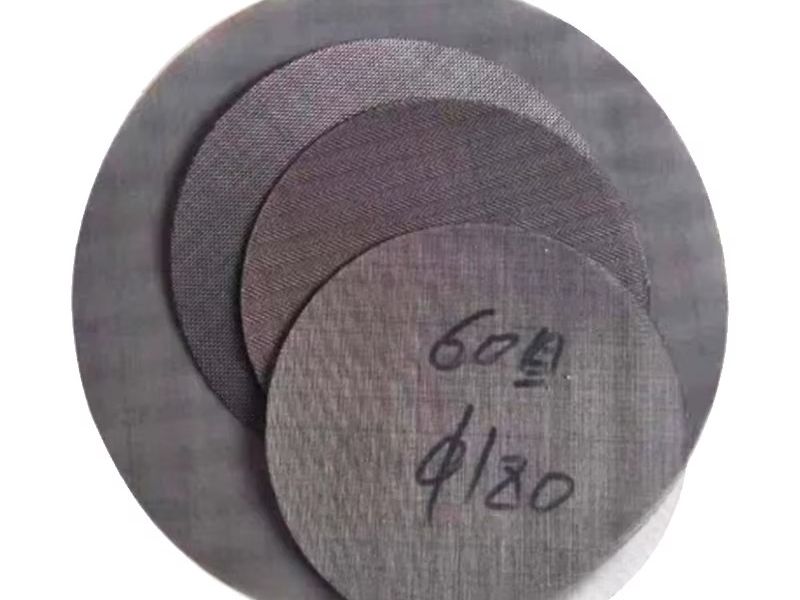
Custom screen discs and multilayer packs for plastic extrusion, recycling and polymer melt filtration.

Shape: Round / oval / custom상세 정보

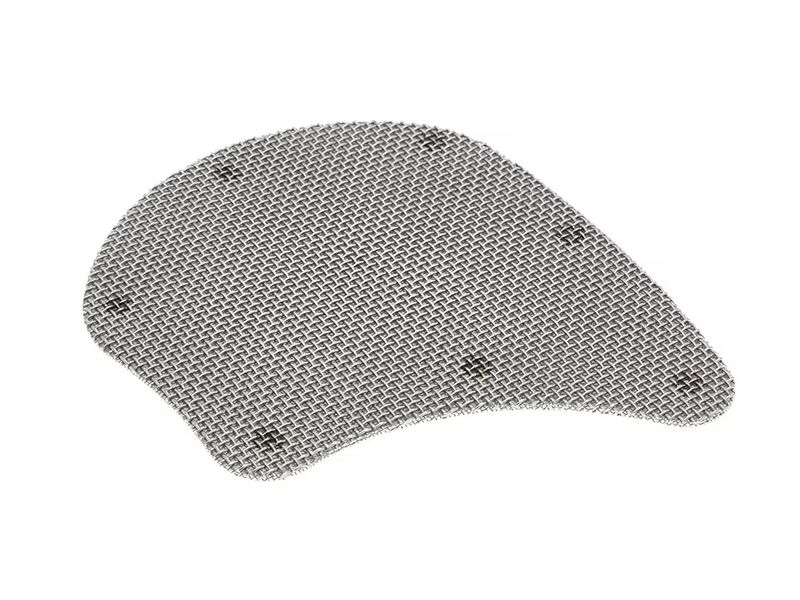
Custom Shape Wire Mesh Filter Discs

Irregular discs / custom mesh inserts / stamped shapes for non-standard filter seats and oem equipment interfaces, supplied to drawing with material, size and packing details confirmed at RFQ stage.

Material: SS304 / SS316L상세 정보

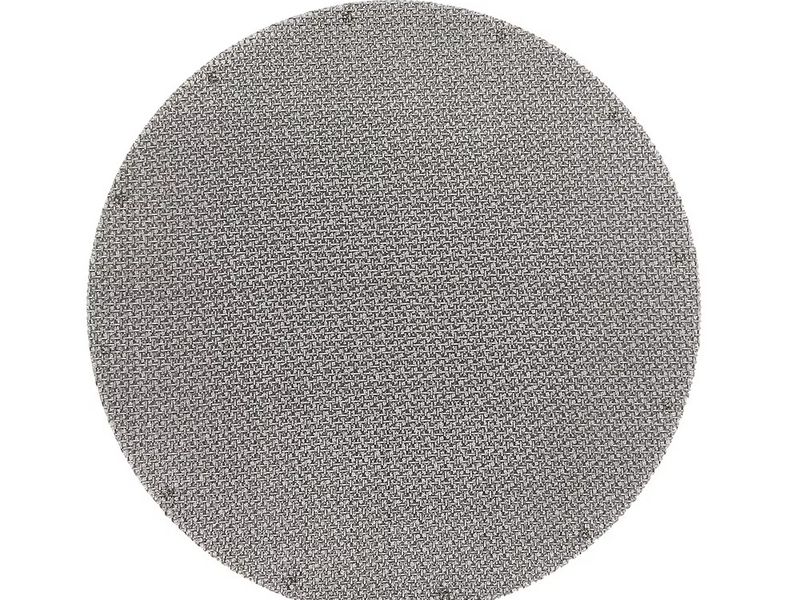
Plain Wire Mesh Filter Discs

Plain discs / cut mesh pieces / custom shapes for economical mesh inserts and removable filter screens, supplied to drawing with material, size and packing details confirmed at RFQ stage.

Material: SS304 / SS316L상세 정보

이것을 프로젝트에 적용하는 데 도움이 필요하십니까? 엔지니어링에 문의하십시오.

도면, 치수, 재질, 환경 또는 운전 조건을 보내주시면 적합한 사양을 확인하도록 도와드리겠습니다.

선택: 최대 5개 파일, 합계 10MB. 큰 CAD는 제출 후 이메일로 보내주세요.