ข้อมูลทางเทคนิค
การกรอง PET หลอมเหลว: การปกป้องค่า IV ในกระบวนการรีไซเคิลแบบขวดสู่ขวด
วิธีที่การกรอง PET หลอมเหลวช่วยปกป้องความหนืดภายใน (IV) ขจัดเจลและจุดดำ และยืดระยะเวลาการทำงานของเครื่องรีดพลาสติก ขอใบเสนอราคาสำหรับชุดแผ่นกรองสั่งทำพิเศษ
วิธีที่การกรอง PET หลอมเหลวช่วยปกป้องความหนืดภายใน (IV) ขจัดเจลและจุดดำ และยืดระยะเวลาการทำงานของเครื่องรีดพลาสติก ขอใบเสนอราคาสำหรับชุดแผ่นกรองสั่งทำพิเศษ
การกรอง PET หลอมเหลวคือกระบวนการที่โพลีเอทิลีนเทเรฟทาเลต (PET) ที่หลอมเหลวจะถูกดันผ่านชุดตะแกรงกรองหรือแผ่นกรองสเตนเลส — ซึ่งโดยทั่วไปมีพิกัดความละเอียดในการกรองแบบสัมบูรณ์อยู่ระหว่าง 20 µm ถึง 120 µm — เพื่อขจัดสิ่งปนเปื้อนที่เป็นของแข็งออกก่อนที่น้ำยาหลอมเหลวจะไปถึงอุปกรณ์ขึ้นรูปขั้นปลาย ในสายการรีไซเคิล ขั้นตอนการกรองนี้จะทำงานที่อุณหภูมิหลอมเหลวประมาณ 260–290 °C ซึ่งเป็นช่วงที่ PET มีความเหลวเพียงพอที่จะไหลผ่านวัสดุกรองได้ แต่ยังคงมีความหนืดมากพอที่อนุภาคที่ถูกกักไว้ทุกชิ้นจะสร้างความเค้นสะสมในน้ำยาหลอมเหลวและทำให้คุณภาพของพอลิเมอร์ลดลงหากไม่มีการควบคุม ด้วยการดักจับสิ่งสกปรก กระดาษ เศษพอลิโอเลฟิน ผงอะลูมิเนียม เจล และจุดดำคาร์บอน การกรองหลอมเหลวจึงทำหน้าที่มากกว่าแค่การปกป้องหัวดายและเครื่องมือขั้นปลาย แต่ยังเป็นขั้นตอนทางกลที่มีอิทธิพลมากที่สุดเพียงขั้นตอนเดียวในการรักษาความหนืดจำเพาะ (IV) ช่วยให้สีและความใสของผลิตภัณฑ์อยู่ในเกณฑ์ที่ยอมรับได้ และรักษาเวลาการทำงานของสายการผลิตให้สูงในการรีไซเคิลแบบขวดสู่ขวดและการรีไซเคิลเศษพลาสติก สำหรับภาพรวมของวิธีการนำหลักการเดียวกันนี้ไปใช้ในกระบวนการรีดขึ้นรูปต่างๆ ของ KAIFIL หน้าการใช้งานการกรองการรีดขึ้นรูปพลาสติก จะอธิบายรายละเอียดเกี่ยวกับการเลือกวัสดุกรอง
PET เป็นพอลิเมอร์แบบควบแน่นที่มีน้ำหนักโมเลกุลแสดงในรูปของความหนืดจำเพาะ (IV) โดยทั่วไปเม็ดพลาสติกเกรดผลิตขวดใหม่จะเข้าสู่กระบวนการแปรรูปที่ค่า IV อยู่ที่ 0.80–0.84 dl/g ประวัติทางความร้อนและทางกลทุกขั้นตอน — ไม่ว่าจะเป็นการอบแห้ง การรีดขึ้นรูป การเกิดพอลิเมอร์แบบสถานะของแข็ง และการหลอมซ้ำ — ล้วนมีแนวโน้มที่จะดึงค่า IV ให้ลดลง และการหลอมเศษพลาสติกหรือเกล็ดพลาสติกซ้ำจะยิ่งเร่งให้เกิดการลดลงนั้นเร็วขึ้น เนื่องจากพอลิเมอร์ได้ผ่านวงจรความร้อนมาแล้วรอบหนึ่ง การแปรรูปซ้ำสามารถลดค่า IV ลงได้ประมาณ 0.02–0.10 dl/g ต่อการผ่านหนึ่งครั้ง ทั้งนี้ขึ้นอยู่กับการควบคุมความชื้น อุณหภูมิ และระยะเวลาในการกักเก็บ
การกรองพอลิเมอร์หลอมเหลวช่วยปกป้องค่า IV ทางอ้อมแต่เห็นผลได้อย่างชัดเจน สิ่งปนเปื้อน เช่น เศษพอลิโอเลฟิน (PP/PE) กระดาษ สารยึดติด และพอลิเมอร์ที่เสื่อมสภาพ จะทำหน้าที่เป็นจุดรวมความเค้นและเป็นแหล่งสะสมความชื้นและการเกิดออกซิเดชัน อนุภาคที่ถูกดักจับอยู่บนตะแกรงกรองจะสร้างแรงเฉือนสูงเฉพาะจุด ซึ่งความร้อนจากความหนืดที่เกิดขึ้นสามารถเพิ่มอุณหภูมิของพอลิเมอร์หลอมเหลวเฉพาะจุดให้สูงกว่าค่าที่ตั้งไว้ที่ 260–290 °C อย่างมาก ส่งผลให้เกิดปฏิกิริยาไฮโดรไลซิสและการแตกตัวของสายโซ่พอลิเมอร์ซึ่งทำให้ค่า IV ลดลง การกำจัดอนุภาคเหล่านี้ออกไปก่อนที่จะก่อให้เกิดจุดร้อนเฉพาะจุดดังกล่าว จะช่วยลดการสูญเสียค่า IV ในการใช้งานจริงได้อย่างมีประสิทธิภาพ
ปัจจัยทางเศรษฐศาสตร์ก็ผลักดันไปในทิศทางเดียวกัน ในการรีไซเคิลแบบ bottle-to-bottle ค่า IV ที่ลดลงเพียง 0.05 dl/g อาจสร้างความแตกต่างระหว่างเม็ดพลาสติกที่ผ่านมาตรฐานสำหรับสัมผัสอาหารกับเม็ดพลาสติกที่ต้องนำไปผสมหรือลดเกรด เนื่องจากปรับปรุงค่า IV ให้สูงขึ้นนั้นต้องใช้พลังงานสูง เช่น กระบวนการ solid-state polymerization ที่อุณหภูมิประมาณ 220 °C เป็นเวลาหลายชั่วโมง ดังนั้น การรักษาค่า IV ที่คุณมีอยู่แล้วด้วยระบบการกรองพอลิเมอร์หลอมเหลวที่ดี จึงมีต้นทุนที่ถูกกว่าการนำไปฟื้นฟูในกระบวนการขั้นปลายอย่างมาก
ปริมาณสิ่งปนเปื้อนที่เข้าสู่เครื่องกรองพอลิเมอร์หลอมเหลว PET ขึ้นอยู่กับคุณภาพของเกล็ดพลาสติกเป็นอย่างมาก เกล็ดพลาสติกหลังการบริโภคที่ผ่านการล้างทำความสะอาดมาเป็นอย่างดีก็ยังคงมีสิ่งเจือปนที่สามารถวัดค่าได้ ในทางปฏิบัติ ปริมาณของแข็งในเกล็ด rPET ที่ผ่านการล้างแล้วโดยทั่วไปจะอยู่ในช่วงตั้งแต่ไม่กี่ร้อยไปจนถึงมากกว่า 1,000 ppm ก่อนการล้างด้วยน้ำร้อนและการอบแห้ง และหลังจากผ่านไลน์การล้างที่ดี สิ่งปนเปื้อนที่ตกค้างจะสามารถลดลงเหลือต่ำกว่า 100–200 ppm สำหรับการใช้งานที่สัมผัสอาหาร ขั้นตอนการกรองจะทำงานร่วมกับกระบวนการขจัดสารปนเปื้อน เช่น กระบวนการ solid-state polymerization เพื่อให้เม็ดพลาสติกขั้นสุดท้ายเป็นไปตามมาตรฐานที่กำหนด แต่ถึงกระนั้นในไลน์การผลิตเหล่านั้น เครื่องกรองพอลิเมอร์หลอมเหลวก็ยังคงเป็นด่านสำคัญที่ช่วยสกัดกั้นอนุภาคและเจลที่มองเห็นได้ไม่ให้หลุดรอดไปยังพรีฟอร์ม
สิ่งปนเปื้อนทั่วไปในเกล็ดพลาสติก PET:
เนื่องจากสิ่งปนเปื้อนเหล่านี้มีขนาดแตกต่างกัน ตะแกรงกรองละเอียดเพียงชั้นเดียวจึงมักไม่ใช่คำตอบ โดยทั่วไปแล้วสายการผลิตจะใช้ตัวกรองหยาบที่ต้นน้ำ (120–300 µm) เพื่อปกป้องเครื่องรีดพลาสติก และตัวกรองละเอียดที่ปลายน้ำ (20–40 µm absolute) ใกล้กับหัวดาย วิธีการแบบสองขั้นตอนนี้นับเป็นแนวทางปฏิบัติมาตรฐานในการรีไซเคิล PET และช่วยป้องกันไม่ให้ตัวกรองละเอียดเกิดการอุดตันก่อนเวลาอันควร
ชุดแผ่นกรองสำหรับการรีไซเคิล PET มีการระบุสองวิธี คือตามจำนวนเมชของลวดตาข่ายและตามพิกัดการกรองสัมบูรณ์ จำนวนเมชหมายถึงจำนวนช่องเปิดต่อความยาวหนึ่งนิ้ว โดยตะแกรงขนาด 40 เมชจะมีช่องเปิดขนาดระบุประมาณ 425 µm, ขนาด 60 เมชประมาณ 250 µm, ขนาด 80 เมชประมาณ 180 µm และขนาด 100 เมชประมาณ 150 µm เนื่องจากชุดแผ่นกรองมีการซ้อนกันหลายชั้น และอนุภาคจะถูกกักไว้ด้วยเส้นทางที่คดเคี้ยวผ่านโครงสร้างการทอ พิกัดการกรอง "สัมบูรณ์" ในทางปฏิบัติของชุดแผ่นกรองที่ได้รับการออกแบบมาเป็นอย่างดีจึงมีความละเอียดมากกว่าที่ระบุไว้ด้วยจำนวนเมชชั้นบนสุดเพียงอย่างเดียว สำหรับงาน PET ที่ต้องการความละเอียดสูง ชุดแผ่นกรองหลายชั้นและวัสดุกรองซินเตอร์สามารถกรองได้ละเอียดถึงพิกัดสัมบูรณ์ที่ 20–40 µm
| การใช้งาน | พิกัดการกรองทั่วไป | ชุดกรอง / สื่อกรองทั่วไป | ผลลัพธ์คุณภาพทั่วไป |
|---|---|---|---|
| การรีไซเคิลขวดสู่ขวด (พรีฟอร์มเกรดอาหาร) | 20–40 µm absolute | ชุดกรองหลายชั้นแบบละเอียด; แผ่นตะแกรงลวดเผาผนึก | เจล/จุดดำต่ำ; สามารถบรรลุค่า IV ≥ 0.72 dl/g ได้ |
| การรีไซเคิลขวดสู่เส้นใย / เส้นใยสั้น | 60–80 µm | ชุดกรองขนาด 60/80/100 mesh | ลดการขาดของชุดหัวฉีดเส้นใย; ค่า denier สม่ำเสมอ |
| สายรัด; แผ่นพลาสติก; ฟิล์มทั่วไป | 80–120 µm | ชุดกรองขนาด 40/60/80 mesh | จำนวนจุดดำที่ยอมรับได้สำหรับเกรดที่ไม่ใช่เกรดอาหาร |
| การใช้งานกับเกล็ดพลาสติก / เกรดต่ำ | 120–300 µm | ชุดกรองขนาด 20/40/60 mesh | การปกป้องอุปกรณ์ปลายน้ำ |
ตัวเลข mesh ด้านบนคือขนาดช่องเปิดระบุสำหรับตะแกรงทอลายขัดสี่เหลี่ยมจัตุรัสทั่วไป ในทางปฏิบัติ ตะแกรงกรองสำหรับการรีไซเคิล PET จะถูกออกแบบเป็นชั้นซ้อนกัน — ชั้นรองรับแบบหยาบ (มักเป็นขนาด 20–40 mesh) เพื่อยึดชั้นกรองละเอียด, ชั้นกลางเพื่อกระจายแรงดัน, และชั้นกักเก็บที่ละเอียดที่อยู่ฝั่งพลาสติกหลอมเหลว วิธีที่ชั้นเหล่านี้ทำงานร่วมกันจะเป็นตัวกำหนดทั้งความแม่นยำในการกรองและอายุการใช้งาน และการเลือกการผสมผสานที่ถูกต้องคือจุดที่ต้องใช้ความเชี่ยวชาญในทางปฏิบัติมากที่สุด คู่มือของ KAIFIL เกี่ยวกับการผสมผสานตะแกรงกรองสำหรับเครื่องรีดพลาสติก จะอธิบายรายละเอียดการออกแบบทีละชั้นอย่างเจาะลึก และ แผ่นตะแกรงกรองลวดลายขัด ของเรามีจำหน่ายในรูปแบบการทอที่ใช้ในชุดกรองเหล่านี้
ชุดตะแกรงกรองจะต้องได้รับการเปลี่ยนเมื่อมีสิ่งปนเปื้อนสะสม และกลไกที่ทำหน้าที่สลับเปลี่ยนนี้คือเครื่องเปลี่ยนตะแกรงกรอง การเลือกประเภทที่ผิดส่งผลกระทบต่อผลกำไรของสายการผลิต PET มากกว่าการตัดสินใจเรื่องตัวกรองอื่นๆ เกือบทั้งหมด เนื่องจากพลาสติกหลอมเหลวจะต้องไม่หยุดไหลและต้องไม่สัมผัสกับความร้อนสูงเกินไปในระหว่างการสลับเปลี่ยนนั้น
| ประเภท | หลักการทำงาน | ผลกระทบต่อเวลาเดินเครื่อง | เหมาะที่สุดสำหรับ |
|---|---|---|---|
| แผ่นเบรกเกอร์เพลทแบบปรับด้วยมือ / ยึดโบลท์ | หยุดการทำงานของไลน์; ถอดแผ่นเบรกเกอร์เพลทออก; เปลี่ยนชุดกรองด้วยมือ | เวลาหยุดเดินเครื่องหลายชั่วโมงต่อการเปลี่ยนแต่ละครั้ง | ไลน์การผลิตปริมาณน้อย; R&D; การทำงานแบบแบทช์ |
| เครื่องเปลี่ยนตะแกรงแบบแผ่นสไลด์ (เดี่ยว) | แผ่นไฮดรอลิกสไลด์ชุดกรองใหม่เข้าสู่กระแสสารหลอม; การไหลถูกจำกัดชั่วคราว | ใช้เวลาไม่กี่นาที; เกิดแรงดันพุ่งสูงขึ้นระหว่างการสลับ | ไลน์ผลิตเกล็ดพลาสติกขนาดกลางที่มีการหยุดทำงานตามรอบปกติ |
| เครื่องเปลี่ยนตะแกรงแบบแผ่นสไลด์คู่ / แบบต่อเนื่อง | แผ่นสไลด์สองแผ่นสลับกันทำงานเพื่อให้กระแสสารหลอมไม่หยุดชะงัก | การไหลไม่หยุดชะงัก; แรงดันผันผวนเล็กน้อย | ไลน์การผลิตแบบขวดสู่ขวด; เครื่องรีดพลาสติกที่ป้อนพรีฟอร์ม |
| เครื่องเปลี่ยนตะแกรงแบบโรตารีต่อเนื่อง | แผ่นจานหมุนแบบหลายช่องจะเลื่อนช่องกรองใหม่เข้าทำงานเมื่อได้รับสัญญาณแรงดัน; ช่องกรองเก่าจะทำการล้างย้อนหรือไล่สารหลอมออก | ทำงานได้นานหลายวันหรือหลายสัปดาห์โดยไม่ต้องมีผู้ควบคุมดูแล | ไลน์การผลิตเกรดอาหารที่ต้องการกำลังการผลิตสูง; โรงงานที่รวมระบบ SSP |
สำหรับไลน์การผลิตแบบขวดสู่ขวด เครื่องเปลี่ยนตะแกรงแบบแผ่นสไลด์คู่หรือแบบต่อเนื่องเป็นที่นิยมใช้กันทั่วไป เนื่องจากหากกระแสสารหลอมหยุดชะงักเพียงเล็กน้อยจะส่งผลให้เกิดแรงดันกระเพื่อม ซึ่งอาจทำให้ชุดกรองเคลื่อนตัว เปลี่ยนแปลงระยะเวลาที่สารหลอมค้างอยู่ในระบบ และทำให้อุณหภูมิของสารหลอมสูงขึ้นชั่วขณะ ซึ่งทั้งหมดนี้จะส่งผลกระทบต่อค่า IV และการเกิดเจล การออกแบบแบบโรตารีก้าวล้ำไปอีกขั้น โดยเครื่องเปลี่ยนตะแกรงแบบโรตารีขนาด 12 ช่องสามารถทำงานได้นานหลายสัปดาห์ก่อนที่จานหมุนทั้งหมดจะต้องได้รับการบำรุงรักษา ซึ่งเป็นเหตุผลว่าทำไมโรงงานที่มีกำลังการผลิตสูงจึงนิยมใช้ระบบนี้ โดยทั่วไปแล้วจานหมุนโรตารีจะติดตั้งแผ่นกรองละเอียด ซึ่งแผ่นกรองของ KAIFIL กลุ่มผลิตภัณฑ์ตะแกรงกรองสำหรับเครื่องรีดพลาสติก ครอบคลุมวัสดุกรองสำหรับเครื่องเปลี่ยนตะแกรงเหล่านี้ ตั้งแต่ตะแกรงแบบชั้นเดียวไปจนถึงวัสดุคอมโพสิตแบบซินเตอร์
ชุดแผ่นกรองทำงานเสมือนเค้กกรองที่หนาขึ้นตามปริมาณการผลิต ผู้ปฏิบัติงานจะติดตามตัวเลขสองค่า ได้แก่ ความดันต่างเริ่มต้นตกคร่อมชุดแผ่นกรองใหม่ และความดันที่เพิ่มขึ้นเมื่อมีสิ่งปนเปื้อนสะสม โดยทั่วไปความดันต่างของชุดแผ่นกรองใหม่ขณะเริ่มเดินเครื่องจะอยู่ที่ 5–20 bar ขึ้นอยู่กับความละเอียดของวัสดุกรอง เมื่อชุดแผ่นกรองเริ่มอุดตัน ความดันต่างจะสูงขึ้น และสายการผลิต PET ส่วนใหญ่จะสั่งให้เปลี่ยนแผ่นกรองเมื่อความดันต่างสูงถึง 50–100 bar หรือเมื่ออัตราส่วนความดัน (ความดันปัจจุบันหารด้วยความดันเริ่มต้น) สูงเกินกว่าประมาณ 3–4 เท่า การฝืนใช้งานเกินช่วงเวลานี้จะส่งผลเสีย 3 ประการ คือ ชุดแผ่นกรองอาจยุบตัวลงภายใต้แรงดัน เค้กกรองที่ถูกกักเก็บไว้อาจจับตัวแน่นเป็นก้อนแข็งซึ่งยากต่อการไล่ออกจากระบบ และความดันย้อนกลับที่สูงขึ้นจะทำให้อุณหภูมิของสารหลอมเหลวสูงขึ้นเนื่องจากการกระจายความร้อนจากความหนืด ซึ่งจะเร่งให้เกิดการสูญเสียค่า IV และการเกิดเจล
ปัจจัยหลายประการที่เป็นตัวกำหนดว่าชุดแผ่นกรองจะอุดตันเร็วเพียงใด:
เคล็ดลับที่ใช้งานได้จริง: ให้บันทึกช่วงเวลาการเปลี่ยนสำหรับชุดกรองแต่ละรูปแบบ หากชุดกรองขนาด 20 µm ใช้งานได้นานสี่ชั่วโมง แต่ชุดกรองขนาด 25 µm ใช้งานได้นานหกชั่วโมง การลดระดับความละเอียดลงเล็กน้อยมักจะคุ้มค่าอย่างยิ่งในแง่ของเวลาการทำงานที่ต่อเนื่อง — หากผลิตภัณฑ์ยังคงเป็นไปตามข้อกำหนดเฉพาะ หลักการแรงดันตกคร่อมแบบเดียวกันนี้ยังนำมาใช้กับระบบการกรองแบบสองขั้นตอนได้ด้วย: ตัวกรองหยาบฝั่งต้นน้ำจะช่วยปกป้องตัวกรองละเอียด ดังนั้นช่วงเวลาการเปลี่ยนของตัวกรองละเอียดจึงสะท้อนถึงประสิทธิภาพของตัวกรองต้นน้ำ
ข้อบกพร่องด้านคุณภาพสองประการที่การกรองพอลิเมอร์หลอมเหลวสามารถควบคุมได้โดยตรงที่สุดในการรีไซเคิล PET คือ เจลและจุดดำ
เจลคือบริเวณเฉพาะจุดของ PET ที่เกิดการเชื่อมขวางหรือเสื่อมสภาพ ซึ่งมีพฤติกรรมการหลอมเหลวที่แตกต่างจากพอลิเมอร์โดยรอบ ในแผ่นพลาสติกรีดและพรีฟอร์ม เจลจะปรากฏเป็นก้อนโปร่งแสงหรือ "ตาปลา" ส่วนในการปั่นเส้นใย เจลจะทำให้เกิดการขาดและข้อบกพร่องของเส้นใย เจลส่วนใหญ่เกิดจากพอลิเมอร์ที่เกิดปฏิกิริยาออกซิเดชันและปฏิกิริยาไฮโดรไลซิสจากความชื้นภายในเครื่องเอ็กซ์ทรูเดอร์ และเมื่อเกิดขึ้นแล้ว เจลเหล่านี้จะเป็นอนุภาคของแข็งที่ตะแกรงกรองสามารถดักจับไว้ได้ แต่เจลที่เพิ่งเกิดขึ้นใหม่หลังจากผ่านตัวกรองไปแล้วจะไม่ถูกดักจับ นี่คือเหตุผลที่การควบคุมเจลต้องอาศัยทั้งการกรองและการควบคุมกระบวนการผลิตอย่างเข้มงวด (จุดน้ำค้างของเครื่องอบแห้ง, ระยะเวลาในการกักเก็บ, อุณหภูมิ)
จุดดำคือวัสดุที่กลายเป็นคาร์บอน ซึ่งเกิดจากโพลิเมอร์ที่ได้รับความร้อนสูงเกินไปจนไหม้เกรียม, ผงอลูมิเนียมละเอียด, หรือกระดาษไหม้ที่เสื่อมสภาพ ณ อุณหภูมิหลอมเหลว 260–290 °C สิ่งปนเปื้อนเหล่านี้สามารถมองเห็นได้ในผลิตภัณฑ์สำเร็จรูปแม้ในความเข้มข้นที่ต่ำมาก และบรรจุภัณฑ์ที่สัมผัสอาหารรวมถึงบรรจุภัณฑ์เครื่องสำอางมีเกณฑ์การยอมรับเป็นศูนย์อย่างแท้จริง ชั้นกรองกักเก็บที่มีความละเอียดสูง ซึ่งโดยทั่วไปมีความละเอียด 20–40 µm absolute คือสิ่งที่จะช่วยดักจับสิ่งปนเปื้อนเหล่านี้ก่อนที่จะเข้าสู่หัวดาย
ผลกระทบต่อค่า IV นั้นมีความละเอียดอ่อนกว่า แต่ก็อาจกล่าวได้ว่ามีคุณค่ามากกว่า เนื่องจากทุกอนุภาคที่ถูกกักเก็บไว้จะเปลี่ยนเป็นโซนที่มีแรงเฉือนสูงและอุณหภูมิสูงเฉพาะจุด การกรองแบบละเอียดจึงช่วยลดความเสียหายจากความร้อนสะสมที่พลาสติกหลอมเหลวต้องเผชิญ ผู้รีไซเคิล PET มักรายงานว่าการเปลี่ยนจากตัวกรองขนาด 100 µm มาเป็นชุดกรองแบบสมบูรณ์ขนาด 30–40 µm ช่วยปรับปรุงการรักษาค่า IV ที่วัดได้ให้ดีขึ้นหลายร้อยส่วนของ dl/g บนเครื่องรีดพลาสติกเครื่องเดียวกัน ซึ่งเทียบเท่ากับการประหยัดเวลาในกระบวนการพอลิเมอไรเซชันแบบสถานะของแข็งไปได้หลายชั่วโมง ด้วยเหตุผลเดียวกันนี้ ควรหารือร่วมกันเกี่ยวกับความละเอียดในการกรองและการรักษาค่า IV เมื่อมีการกำหนดคุณลักษณะของไลน์การผลิต
การกรอง PET หลอมเหลวคืออะไร? การกรอง PET หลอมเหลวคือกระบวนการผ่าน PET ที่หลอมเหลวผ่านชุดตะแกรงกรองสเตนเลสหรือแผ่นกรองดิสก์ — โดยทั่วไปมีระดับการกรองแบบ absolute ขนาด 20–120 µm — เพื่อขจัดสิ่งปนเปื้อนที่เป็นของแข็ง เช่น เศษพอลิโอเลฟิน กระดาษ เจล และจุดดำ ก่อนที่สารหลอมเหลวจะไปถึงหัวฉีดขึ้นรูปหรือเครื่องมือขึ้นรูป
ทำไมการกรองสารหลอมเหลวจึงมีความสำคัญต่อค่าความหนืดอินทรินสิก (IV)? สิ่งปนเปื้อนที่ติดอยู่ในสารหลอมเหลวจะสร้างบริเวณที่มีแรงเฉือนสูงและอุณหภูมิสูงเฉพาะจุด ซึ่งกระตุ้นให้เกิดปฏิกิริยาไฮโดรไลซิสและการแตกหักของสายโซ่พอลิเมอร์ ส่งผลให้ค่า IV ลดลง การกรองแบบละเอียดจะช่วยขจัดอนุภาคเหล่านี้ก่อนที่จะก่อให้เกิดความเสียหายจากความร้อน ช่วยให้ผู้รีไซเคิลสามารถรักษาค่าความหนืดไว้ได้หลายในร้อยส่วนของ dl/g ซึ่งหากไม่มีการกรองก็อาจสูญเสียไป
ควรใช้ขนาดเมชหรือระดับการกรองเป็นไมครอนเท่าใดสำหรับการรีไซเคิลขวด PET แบบ bottle-to-bottle? สำหรับไลน์การผลิตแบบ bottle-to-bottle เกรดอาหาร การกรองแบบ absolute ขนาด 20–40 µm ถือเป็นมาตรฐานทั่วไป ซึ่งทำได้โดยใช้ชุดตะแกรงกรองแบบหลายชั้นหรือตัวกรองตะแกรงลวดเผาผนึก ส่วนระดับการกรองที่หยาบกว่าขนาด 60–120 µm มักใช้สำหรับการผลิตเส้นใย สายรัด และแผ่นพลาสติก
ควรเปลี่ยนชุดตะแกรงกรองในไลน์รีไซเคิล PET บ่อยแค่ไหน? เปลี่ยนเมื่อความดันแตกต่างคร่อมชุดแผ่นกรองสูงถึงประมาณ 50–100 bar หรือเมื่ออัตราส่วนความดันเกินประมาณ 3–4× ของค่ามาตรฐานของชุดแผ่นกรองใหม่ ระยะเวลาเปลี่ยนจริงขึ้นอยู่กับความสะอาดของเกล็ดพลาสติก ความละเอียดของสื่อกรอง และปริมาณการผลิต — บันทึกข้อมูลตามการออกแบบของแต่ละชุดแผ่นกรอง
ฉันจำเป็นต้องใช้เครื่องเปลี่ยนตะแกรงกรองแบบโรตารี่ต่อเนื่องสำหรับการรีไซเคิล PET หรือไม่? ไม่เสมอไป แต่สำหรับไลน์การผลิตเกรดอาหารที่มีปริมาณการผลิตสูง มักจะเป็นตัวเลือกที่นิยมใช้ทั่วไป เครื่องเปลี่ยนตะแกรงกรองแบบโรตารี่ต่อเนื่องจะเลื่อนช่องกรองใหม่เข้าตำแหน่งตามสัญญาณความดัน และสามารถทำงานได้นานหลายสัปดาห์โดยไม่ต้องมีผู้ควบคุมดูแล ช่วยหลีกเลี่ยงการกระเพื่อมของความดันและการพุ่งสูงขึ้นของระยะเวลาที่สารค้างอยู่ในระบบ ซึ่งมักพบในเครื่องเปลี่ยนแผ่นกรองแบบแมนนวลหรือแบบแผ่นสไลด์เดี่ยว
ประสิทธิภาพการกรองพลาสติกหลอมเหลวถูกกำหนดไว้ล่วงหน้านานก่อนที่เกล็ดพลาสติกตันแรกจะเข้าสู่เครื่องอัดรีด — ซึ่งถูกกำหนดโดยความละเอียดของวัสดุกรอง การออกแบบชุดแผ่นกรอง และเครื่องเปลี่ยนแผ่นกรองที่คุณติดตั้ง KAIFIL ผลิตสเตนเลส แผ่นกรองตาข่ายลวดสั่งทำพิเศษ, ชุดตะแกรงเครื่องอัดรีดแบบหลายชั้น และ ไส้กรองตาข่ายลวดซินเตอร์ ในเมืองฉือเจียจวง ประเทศจีน และจัดส่งไปยังผู้รีไซเคิลทั่วโลก ไม่ว่าคุณจะต้องการชุดกรองแบบ absolute ขนาด 20 µm สำหรับสายการผลิตแบบ bottle-to-bottle หรือระบบกรองแบบสองขั้นตอนสำหรับสายการผลิตเกล็ดพลาสติก วิศวกรของเราสามารถเลือกวัสดุกรอง ลำดับชั้น และรูปทรงของแผ่นกรองให้เหมาะสมกับเครื่องอัดรีดและเครื่องเปลี่ยนตะแกรงของคุณได้ ติดต่อ KAIFIL เพื่อขอใบเสนอราคาและการสนับสนุนด้านการใช้งาน และให้เราช่วยคุณปกป้องค่า IV ลดการเกิดเจลและจุดดำ และช่วยให้สายการผลิตของคุณทำงานได้อย่างต่อเนื่อง
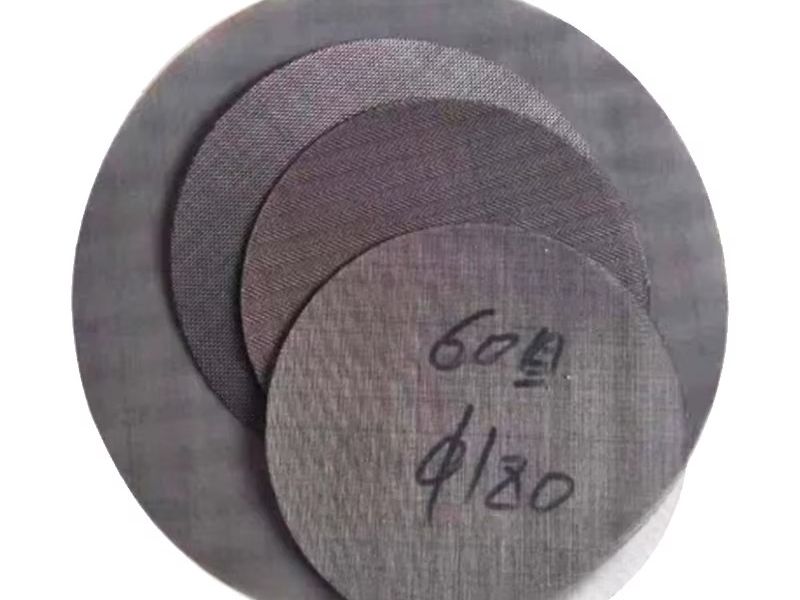
Custom screen discs and multilayer packs for plastic extrusion, recycling and polymer melt filtration.
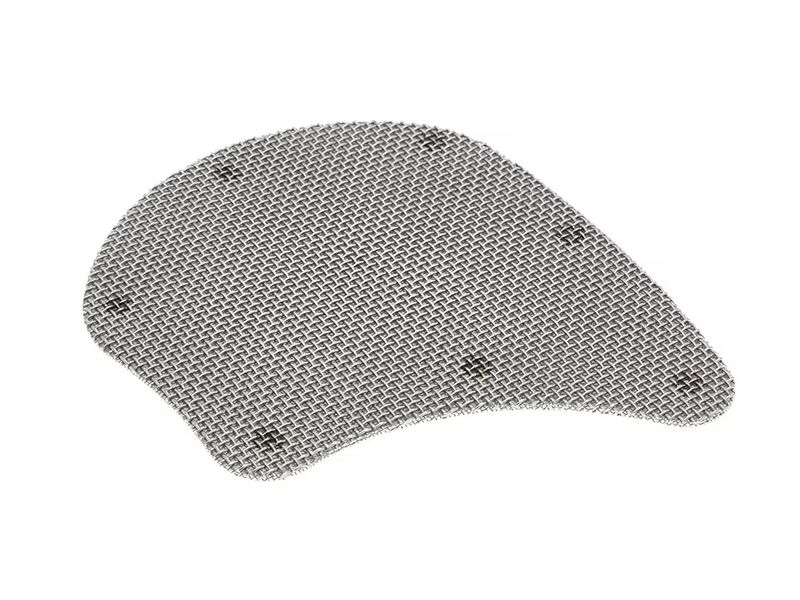
Irregular discs / custom mesh inserts / stamped shapes for non-standard filter seats and oem equipment interfaces, supplied to drawing with material, size and packing details confirmed at RFQ stage.
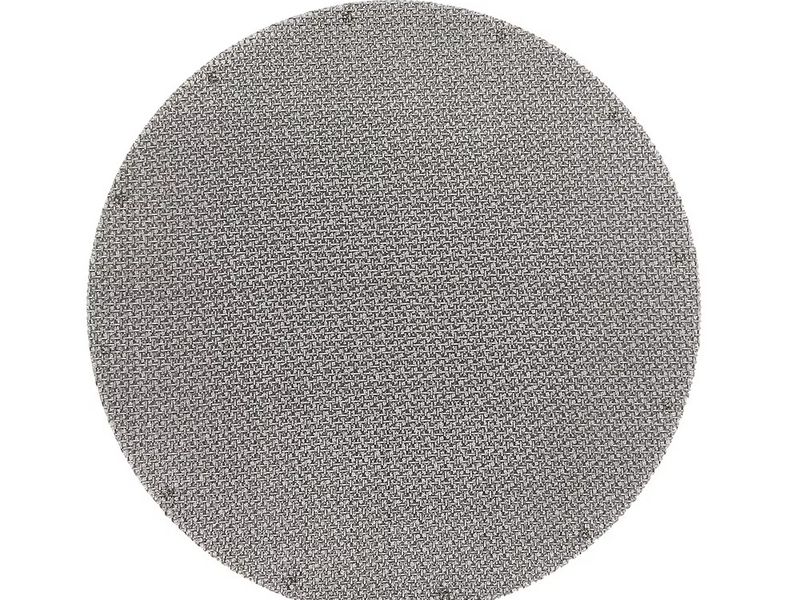
Plain discs / cut mesh pieces / custom shapes for economical mesh inserts and removable filter screens, supplied to drawing with material, size and packing details confirmed at RFQ stage.
ส่งแบบสั่งงาน ขนาด วัสดุ สภาพแวดล้อมหรือเงื่อนไขการใช้งาน และเราจะช่วยยืนยันข้อกำหนดเฉพาะที่ถูกต้อง
ไฟล์อ้างอิงที่อัปโหลดจะรวมอยู่ในคำขอ สำหรับชุดไฟล์ CAD ขนาดใหญ่ โปรดตอบกลับอีเมลยืนยันหรือส่งมาที่นี่:
โดยปกติทีมงานจะตอบกลับภายใน 24 ชั่วโมงทำการ