Cos'è la filtrazione del fuso di PET?
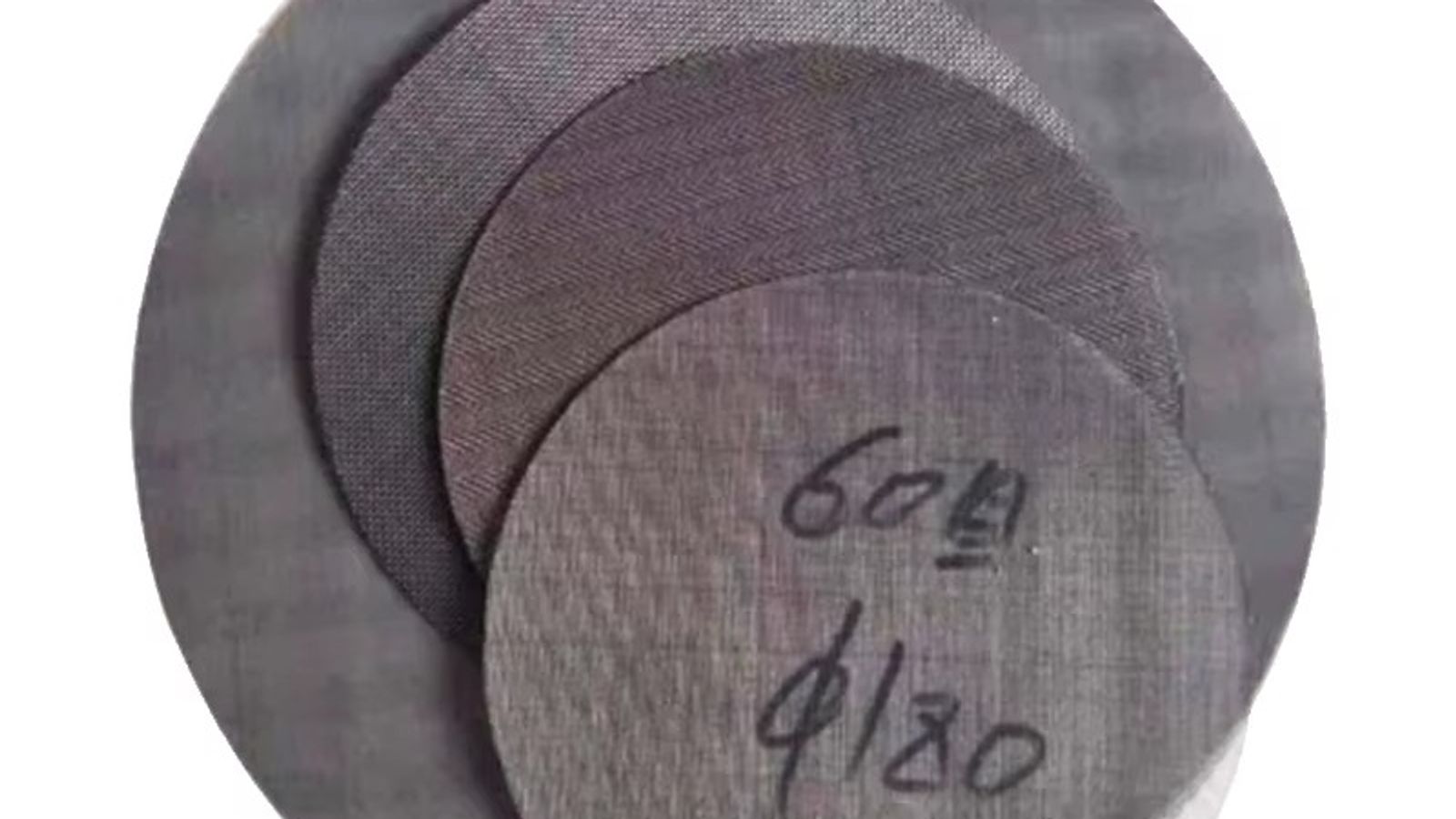
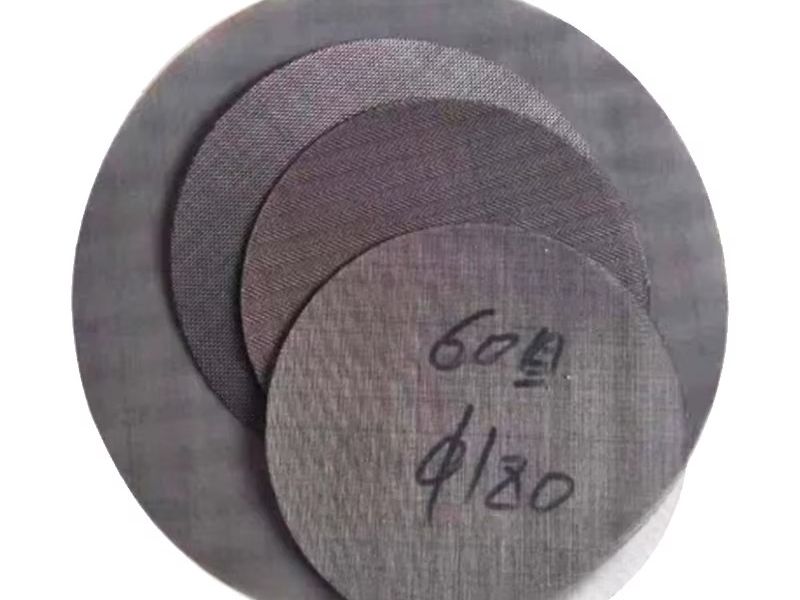
La filtrazione del fuso di PET è un processo in cui il polietilene tereftalato (PET) fuso viene spinto attraverso pacchi filtranti a rete o dischi filtranti in acciaio inossidabile — tipicamente con un grado di filtrazione assoluto compreso tra 20 µm e 120 µm — per rimuovere i contaminanti solidi prima che il fuso raggiunga le apparecchiature di formatura a valle. In una linea di riciclaggio, la fase di filtrazione opera a temperature del fuso di circa 260–290 °C, dove il PET è sufficientemente fluido da passare attraverso il mezzo filtrante ma abbastanza viscoso da far sì che ogni particella trattenuta concentri le sollecitazioni nel fuso e degradi la qualità del polimero se non controllata. Catturando sporco, carta, frammenti di poliolefine, polveri fini di alluminio, gel e punti neri carbonizzati, la filtrazione del fuso fa molto di più che proteggere la filiera e le attrezzature a valle: è la singola fase meccanica più influente per preservare la viscosità intrinseca (IV), mantenere accettabili il colore e la trasparenza del prodotto e garantire un elevato tempo di attività della linea nelle operazioni di riciclaggio da bottiglia a bottiglia e di scaglie. Per una panoramica di come gli stessi principi si applicino ai processi di estrusione, la pagina dell'applicazione di filtrazione per estrusione di plastica spiega in dettaglio la selezione dei mezzi filtranti.
Perché il riciclaggio del PET richiede una filtrazione del fuso dedicata
Il PET è un polimero di condensazione il cui peso molecolare è espresso come viscosità intrinseca (IV). La resina vergine per bottiglie entra tipicamente in lavorazione con una IV di 0,80–0,84 dl/g. Ogni storia termica e meccanica — essiccazione, estrusione, polimerizzazione allo stato solido, rifusione — tende a ridurre la IV, e la rifusione di scarti o scaglie accelera questo calo poiché il polimero ha già subito un ciclo termico. La rilavorazione può ridurre la IV di circa 0,02–0,10 dl/g per passaggio, a seconda del controllo dell'umidità, della temperatura e del tempo di permanenza.
La filtrazione del fuso protegge la IV in modo indiretto ma decisivo. I contaminanti come i frammenti di poliolefine (PP/PE), la carta, gli adesivi e il polimero degradato agiscono come concentratori di sollecitazioni e come fonti di umidità e ossidazione. Una particella intrappolata contro una rete crea un elevato taglio localizzato; il riscaldamento viscoso risultante può innalzare la temperatura locale del fuso ben oltre il setpoint di 260–290 °C, favorendo l'idrolisi e la scissione delle catene che abbassano la IV. Rimuovendo le particelle prima che possano causare questi punti caldi locali, si riduce la perdita reale di IV.
I fattori economici spingono nella stessa direzione. Nel riciclaggio da bottiglia a bottiglia, un calo di 0,05 dl/g nella IV può fare la differenza tra una resina conforme alle specifiche per il contatto con gli alimenti e una che deve essere miscelata o declassata. Poiché l'aumento della IV richiede energia — polimerizzazione allo stato solido a circa 220 °C per molte ore — è molto più economico preservare la IV già esistente con una buona filtrazione del fuso piuttosto che ripristinarla a valle.
Qualità delle scaglie e contaminazione nel riciclaggio del PET
Il carico di contaminazione che entra in un filtro per il fuso di PET dipende fortemente dalla qualità delle scaglie. Le scaglie post-consumo ben lavate trasportano comunque impurità misurabili. In pratica, il contenuto di solidi delle scaglie di rPET lavate varia tipicamente da poche centinaia a oltre 1.000 ppm prima del lavaggio a caldo e dell'essiccazione; dopo una buona linea di lavaggio, la contaminazione residua può essere ridotta al di sotto di 100–200 ppm. Per le applicazioni a contatto con gli alimenti, la fase di filtrazione lavora insieme ai processi di decontaminazione come la polimerizzazione allo stato solido per mantenere la resina finale conforme, ma anche in queste linee il filtro del fuso è ciò che impedisce alle particelle visibili e ai gel di raggiungere la preforma.
Contaminanti tipici nelle scaglie di PET:
- Frammenti di poliolefine (tappi di bottiglia in PP, etichette in PE) — punto di fusione inferiore rispetto al PET, sopravvivono al lavaggio e devono essere filtrati, con l'ausilio di un filtro per polimeri fusi che rimuove le particelle solide.
- Residui di carta, colla e adesivi per etichette — parzialmente bruciati durante l'estrusione, formano punti scuri.
- Detriti di alluminio e metallici provenienti da tappi, bombolette aerosol e apparecchiature di lavorazione.
- Polvere e particelle fini di PET generati durante la macinazione.
- PET degradato, reticolato e ossidato — la fonte diretta di gel e punti neri.
Poiché questi contaminanti variano per dimensioni, una singola rete metallica fine è raramente la soluzione. Le linee utilizzano comunemente un filtro a monte più grossolano (120–300 µm) per proteggere l'estrusore e un filtro a valle più fine (20–40 µm assoluti) vicino alla filiera. Questo approccio a due stadi è una pratica standard nel riciclaggio del PET e impedisce al filtro fine di intasarsi prematuramente.
Mesh e gradi di filtrazione in micron tipici per la filtrazione del PET fuso
I pacchi filtranti per il riciclaggio del PET vengono descritti in due modi: in base al numero di mesh della rete metallica e al grado di ritenzione assoluto. Il numero di mesh si riferisce al numero di aperture per pollice lineare — un filtro da 40 mesh ha aperture nominali di circa 425 µm, uno da 60 mesh circa 250 µm, uno da 80 mesh circa 180 µm e uno da 100 mesh circa 150 µm. Poiché un pacco è composto da più strati sovrapposti e le particelle vengono trattenute dal percorso tortuoso attraverso la trama, il grado "assoluto" pratico di un pacco ben progettato è più fine di quanto suggerisca il solo numero di mesh principale. Per applicazioni impegnative con il PET, i pacchi multistrato e i media filtranti sinterizzati raggiungono gradi di ritenzione assoluti di 20–40 µm.
| Applicazione | Grado di filtrazione tipico | Pacco / media filtrante tipico | Risultato qualitativo tipico |
|---|
| Da bottiglia a bottiglia (preforme per uso alimentare) | 20–40 µm assoluti | Pacco multistrato fine; disco in rete metallica sinterizzata | Basso contenuto di gel/punti neri; IV ≥ 0.72 dl/g raggiungibile |
| Da bottiglia a fibra / fiocco | 60–80 µm | Pacchi filtri da 60/80/100 mesh | Minor numero di rotture del pacco di filatura; titolo costante |
| Reggetta; foglia; film generico | 80–120 µm | Pacchi filtri da 40/60/80 mesh | Numero di punti neri accettabile per gradi non alimentari |
| Applicazioni da scaglie / di basso grado | 120–300 µm | Pacchi filtri da 20/40/60 mesh | Protezione delle apparecchiature a valle |
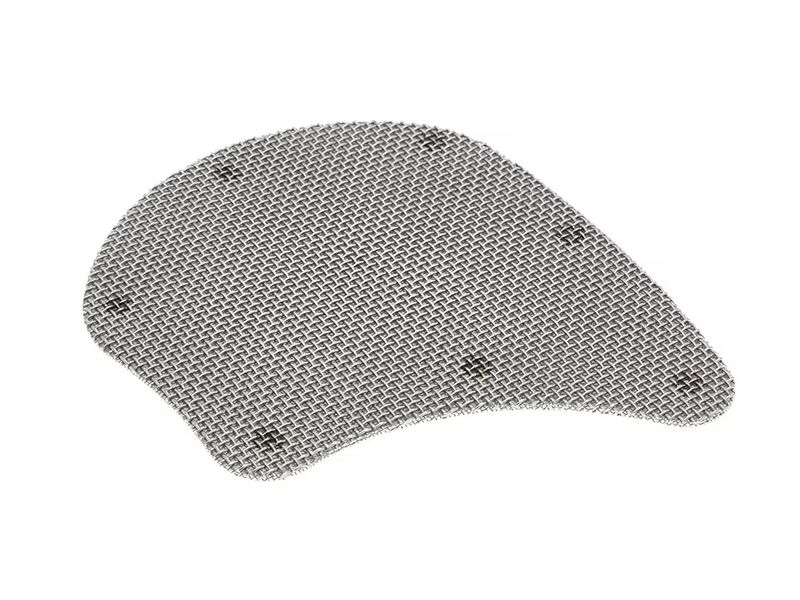
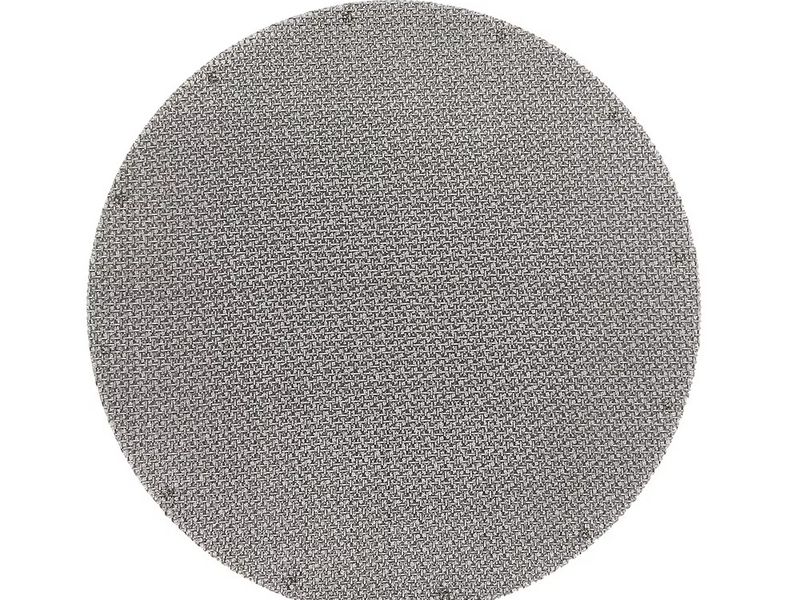
I numeri di mesh sopra indicati rappresentano le dimensioni nominali delle aperture per le reti ad armatura tela quadrata. Nella pratica, la rete filtrante per il riciclaggio del PET è progettata come un pacco multistrato: uno strato di supporto grossolano (spesso da 20–40 mesh) per sostenere lo strato fine, strati intermedi per distribuire la pressione e uno strato di ritenzione fine sul lato del fuso. Il modo in cui questi strati interagiscono determina sia la precisione di filtrazione sia la durata in servizio, e trovare la giusta combinazione è l'aspetto in cui risiede la maggior parte dell'esperienza pratica. La guida di KAIFIL alle combinazioni di mesh per pacchi filtri per estrusori illustra in dettaglio il design strato per strato, e i nostri dischi filtranti in rete metallica ad armatura tela sono disponibili nei tipi di armatura utilizzati in questi pacchi.
Tipi di cambiafiltri per linee di riciclaggio del PET
Il pacco filtri deve essere sostituito man mano che si carica di contaminanti, e il meccanismo che esegue questa sostituzione è il cambiafiltri. Scegliere il tipo errato ha un impatto sulla redditività della linea PET maggiore rispetto a quasi qualsiasi altra decisione relativa ai filtri, poiché il fuso non deve arrestarsi e non deve essere esposto eccessivamente al calore durante la sostituzione.
| Tipo | Come funziona | Impatto sul tempo di attività | Più adatto a |
|---|
| Piastra porta-filtro manuale / imbullonata | La linea viene arrestata; la piastra porta-filtro viene rimossa; il pacco filtri viene sostituito manualmente | Ore di fermo macchina per ogni cambio | Linee a basso volume; R&D; funzionamento a lotti |
| Cambiafiltro a piastra scorrevole (singolo) | La piastra idraulica fa scorrere un nuovo pacco filtri nel flusso di fuso; il flusso viene brevemente limitato | Minuti; picco di pressione durante lo scambio | Linee per scaglie di medie dimensioni con arresti di routine |
| Cambiafiltro a piastra scorrevole doppio / continuo | Due piastre si alternano in modo che il flusso di fuso non venga mai interrotto | Nessuna interruzione del flusso; modesta fluttuazione della pressione | Linee bottle-to-bottle; estrusori che alimentano preforme |
| Cambiafiltro rotativo continuo | Un disco rotante multicavità posiziona una nuova cavità in servizio su segnale di pressione; le vecchie cavità eseguono il controlavaggio o lo spurgo | Funziona per giorni o settimane senza supervisione | Linee ad alta produttività per uso alimentare; impianti integrati SSP |
Per le linee bottle-to-bottle, un cambiafiltro a piastra scorrevole continuo o doppio è comune perché qualsiasi interruzione nel flusso di fuso si traduce in un impulso di pressione che può spostare il pacco filtri, alterare il tempo di residenza e aumentare momentaneamente la temperatura del fuso — tutti fattori che minacciano l'IV e la formazione di gel. I design rotativi vanno oltre: un cambiafiltro rotativo a 12 cavità può funzionare per settimane prima che l'intero disco richieda manutenzione, motivo per cui gli impianti ad alta produttività li preferiscono. Il disco rotante è tipicamente caricato con dischi filtranti fini; la gamma di reti per estrusori di KAIFIL copre i media filtranti per questi cambiafiltri, dalle reti monostrato ai compositi sinterizzati.
Intervalli di sostituzione del filtro e caduta di pressione
Un pacco filtri si comporta come un pannello di filtrazione che cresce con la produttività. Gli operatori monitorano due valori: la pressione differenziale iniziale attraverso il pacco filtri nuovo e l'aumento man mano che i contaminanti si accumulano. Un differenziale tipico con pacco filtri nuovo all'avvio è di 5–20 bar a seconda della finezza del media filtrante; man mano che il pacco si intasa, il differenziale sale e la maggior parte delle linee PET attiva un cambio quando la pressione differenziale raggiunge i 50–100 bar — o quando il rapporto di pressione (corrente diviso iniziale) supera circa 3–4×. Spingersi oltre questa finestra ha tre conseguenze: il pacco filtri può collassare sotto pressione, il pannello trattenuto può compattarsi in una massa solida difficile da spurgare e l'elevata contropressione aumenta la temperatura del fuso attraverso la dissipazione viscosa, accelerando la perdita di IV e la formazione di gel.
Diversi fattori determinano la rapidità con cui un pacco filtri si intasa:
- Pulizia delle scaglie — un carico di contaminazione residua di 100–200 ppm carica un pacco fine molto più rapidamente rispetto a un'alimentazione da 50 ppm.
- Finezza di filtrazione — un pacco assoluto da 20 µm trattiene molte più particelle in termini di numero rispetto a un pacco da 60 µm e potrebbe richiedere la sostituzione con una frequenza proporzionalmente maggiore.
- Portata — l'area filtrante e il flusso di fuso determinano la velocità di crescita del pannello.
- Design del mezzo filtrante — una maggiore area aperta per unità di superficie (tele olandesi multistrato, rete sinterizzata) prolunga l'intervallo.
Un trucco pratico: registrare l'intervallo di sostituzione per ogni configurazione del pacco filtrante. Se un pacco da 20 µm dura quattro ore ma un pacco da 25 µm ne dura sei, la leggera riduzione della finezza spesso si ripaga ampiamente in termini di tempo di attività, a condizione che il prodotto soddisfi ancora le specifiche. La stessa logica della perdita di carico si applica all'approccio a due stadi: il filtro grossolano a monte protegge il filtro fine, quindi l'intervallo di sostituzione del filtro fine riflette le prestazioni a monte.
Impatto sull'IV e sulla qualità del prodotto: gel e punti neri
I due difetti qualitativi che la filtrazione del fuso controlla più direttamente nel riciclaggio del PET sono i gel e i punti neri.
I gel sono regioni localizzate di PET reticolato o degradato con un comportamento allo stato fuso diverso rispetto al polimero circostante. Nelle lastre estruse e nelle preforme si presentano come grumi traslucidi o "occhi di pesce"; nella filatura delle fibre causano rotture e difetti del filamento. La maggior parte dei gel si forma a causa del polimero ossidato e dell'idrolisi indotta dall'umidità all'interno dell'estrusore e, una volta formati, sono particelle solide che possono essere trattenute dalla rete, ma un gel fresco formatosi dopo il filtro non lo sarà. Ecco perché il controllo dei gel dipende sia dalla filtrazione che dalla disciplina di processo (punto di rugiada dell'essiccatore, tempo di residenza, temperatura).
I punti neri sono materiale carbonizzato: polimero surriscaldato e carbonizzato, polveri di alluminio o carta bruciata che si è degradata a temperature di fusione di 260–290 °C. Sono visibili nel prodotto finito a concentrazioni molto basse, e gli imballaggi per cosmetici e a contatto con gli alimenti hanno una tolleranza praticamente pari a zero. Uno strato di ritenzione fine, tipicamente di 20–40 µm assoluti, è ciò che li cattura prima che raggiungano la filiera.
L'effetto sulla IV è più sottile ma probabilmente più prezioso. Poiché ogni particella trattenuta si trasforma in una zona locale ad alto taglio e alta temperatura, la filtrazione fine riduce lo stress termico cumulativo subito dal fuso. I riciclatori di PET riferiscono regolarmente che il passaggio da un filtro da 100 µm a un pacco filtrante assoluto da 30–40 µm migliora la ritenzione della IV misurata di diversi centesimi di dl/g sullo stesso estrusore — l'equivalente di ore risparmiate di tempo di polimerizzazione allo stato solido. Per lo stesso motivo, la finezza di filtrazione e la ritenzione della IV dovrebbero essere discusse insieme quando si definiscono le specifiche di una linea.
Errori comuni nella filtrazione del PET fuso
- Presumere che più fine sia sempre meglio. Un pacco filtrante da 10 µm su una linea di scaglie con una contaminazione di 300 ppm si intaserà in meno di un'ora, costringendo a sostituzioni continue e aumentando la temperatura del fuso. Adattare la finezza del mezzo filtrante all'obiettivo del prodotto e alla qualità delle scaglie a monte.
- Ignorare la finestra di sostituzione per caduta di pressione. L'utilizzo dei pacchi filtranti finché il differenziale non raggiunge 150+ bar consente di risparmiare un cambio, ma compromette la IV e rischia il collasso del pacco. Impostare una soglia di cambio e rispettarla.
- Filtrazione monostadio su scaglie sporche. Un singolo pacco filtrante fine non può contemporaneamente proteggere l'estrusore e produrre un fuso per uso alimentare. Utilizzare uno stadio grossolano all'inizio e uno stadio fine vicino alla filiera.
- Surriscaldamento durante il cambio dei filtri. Un fuso che rimane a 280 °C per tutta la durata di un cambio manuale si degrada visibilmente. Scegliere un cambiafiltro che riduca al minimo il tempo di permanenza e mantenere un controllo rigoroso della temperatura durante le sostituzioni.
- Ipotizzare la configurazione del pacco filtrante. L'ordine degli strati, la rete di supporto e il tipo di armatura influiscono tutti sulle prestazioni. Un approccio sistematico alla selezione dei filtri vale molto più dell'intuizione — consultare la guida di KAIFIL guida alla scelta delle reti per estrusori per linee di riciclaggio della plastica per un metodo pratico.
- Trattare la filtrazione come un sostituto dell'essiccazione. Un'alimentazione di scaglie di PET ben essiccata (punto di rugiada inferiore a −40 °C) è un prerequisito. Nessun filtro recupera l'IV che l'umidità ha già distrutto.
FAQ
Cos'è la filtrazione del PET fuso? La filtrazione del PET fuso è il processo di passaggio del PET fuso attraverso pacchetti filtranti o dischi filtranti in acciaio inossidabile — tipicamente da 20–120 µm assoluti — per rimuovere contaminanti solidi come frammenti di poliolefine, carta, gel e punti neri prima che il fuso raggiunga la filiera o l'attrezzatura di formatura.
Perché la filtrazione del fuso è importante per la viscosità intrinseca (IV)? I contaminanti intrappolati nel fuso creano zone localizzate ad alto taglio e alta temperatura che favoriscono l'idrolisi e la scissione delle catene, riducendo la IV. La filtrazione fine rimuove queste particelle prima che possano causare danni termici, aiutando i riciclatori a conservare diversi centesimi di dl/g che altrimenti andrebbero perduti.
Quale mesh o grado di filtrazione in micron dovrei usare per il riciclaggio da bottiglia a bottiglia di PET? Per le linee bottle-to-bottle ad uso alimentare, è tipica una filtrazione assoluta di 20–40 µm, ottenuta con pacchi filtranti multistrato o media filtranti in rete metallica sinterizzata. Gradi di filtrazione più grossolani di 60–120 µm sono comuni per applicazioni di fibre, reggette e lastre.
Con quale frequenza dovrei sostituire il pacco filtri in una linea di riciclaggio del PET? Sostituire quando la pressione differenziale attraverso il pacco raggiunge circa 50–100 bar, o quando il rapporto di pressione supera di circa 3–4 volte il valore di riferimento del pacco nuovo. L'intervallo effettivo dipende dalla pulizia delle scaglie, dalla finezza del mezzo filtrante e dalla portata — registrarlo in base al design del pacco.
Ho bisogno di un cambiafiltro rotativo continuo per il riciclaggio del PET? Non sempre, ma per le linee ad alta produttività per uso alimentare è la scelta abituale. I cambiafiltri rotativi continui posizionano una nuova cavità pulita su segnale di pressione e possono funzionare per settimane senza supervisione, evitando gli impulsi di pressione e i picchi del tempo di residenza dei cambiafiltri manuali o a piastra singola.
Ottieni pacchetti filtranti su misura per la tua linea di riciclaggio del PET
Le prestazioni di filtrazione del fuso si decidono molto prima che la prima tonnellata di scaglie entri nell'estrusore — sono determinate dalla finezza del mezzo filtrante, dal design del pacchetto e dal cambiafiltro installato. KAIFIL produce in acciaio inossidabile dischi filtranti in rete metallica su misura, pacchi filtranti multistrato per estrusori e cartucce filtranti in rete metallica sinterizzata a Shijiazhuang, in Cina, con spedizioni ai riciclatori di tutto il mondo. Sia che abbiate bisogno di un pacco filtrante assoluto da 20 µm per una linea bottle-to-bottle o di una configurazione a due stadi per una linea di scaglie, i nostri ingegneri possono adattare il mezzo filtrante, l'ordine degli strati e la geometria del disco al vostro estrusore e cambiafiltro. Contattate KAIFIL per un preventivo e supporto applicativo, e lasciate che vi aiutiamo a proteggere l'IV, ridurre gel e punti neri, e mantenere la vostra linea in funzione.