Technical
Wire Mesh Terminology: Mesh Count, Aperture, Warp, and Weft Explained
Aperture plus wire diameter equals pitch, and open area equals (aperture / pitch) squared. A working glossary of wire mesh spec terms, defined precisely.
Aperture plus wire diameter equals pitch, and open area equals (aperture / pitch) squared. A working glossary of wire mesh spec terms, defined precisely.
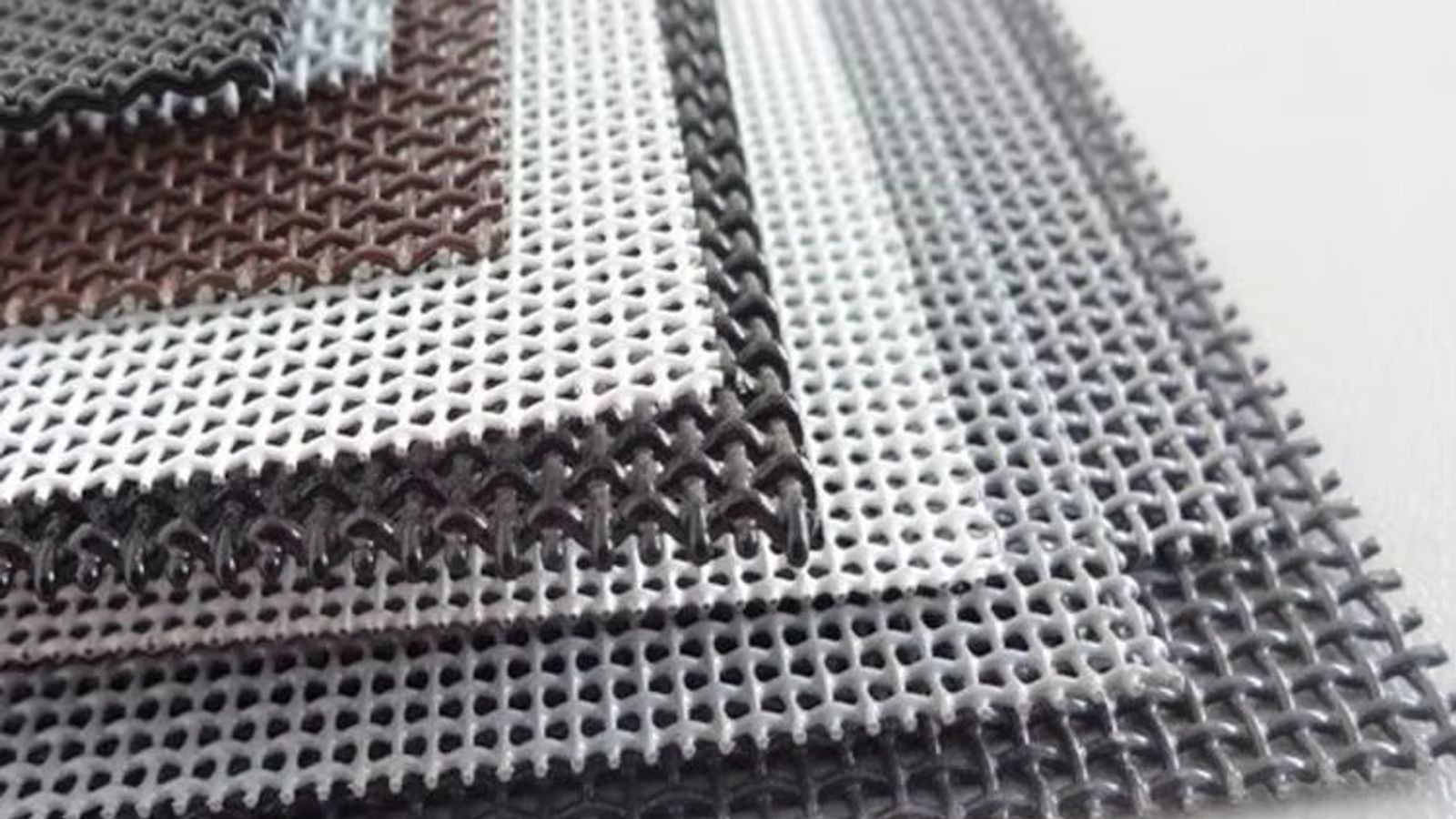
Half the confusion in a wire mesh RFQ comes from buyers and suppliers using the same terms to mean slightly different things. "Mesh size," "aperture," and "opening" get used interchangeably in casual conversation, but on a spec sheet they're distinct measurements — and mixing them up is how the wrong part ships.
This is a working reference, not a marketing glossary: precise definitions you can use to read a spec sheet correctly the first time.
Mesh count is the number of openings per linear inch, counted from the center of one wire to a point exactly one inch away. It's a count of wires, not a measurement of the opening itself — which is precisely why two screens can share the same mesh count and still have different aperture sizes if their wire diameters differ.
This is the single most common source of spec confusion we see: buyers treat "80 mesh" as if it fully describes the screen. It doesn't. Mesh count tells you wire density; aperture tells you what actually passes through. You need both numbers, not one standing in for the other.
Aperture is the clear space between adjacent wires — the actual hole size that material passes through, expressed in inches or microns. Wire diameter is the thickness of the wire itself before weaving, and it directly trades off against aperture: a heavier wire diameter at a fixed mesh count shrinks the opening and reduces open area, while adding mechanical strength.
Pitch ties the two together: aperture plus one wire diameter equals the center-to-center spacing between wires, also called pitch. Once you have any two of mesh count, aperture, and wire diameter, the third is generally derivable — which is why a complete spec sheet lists all three rather than relying on mesh count alone.
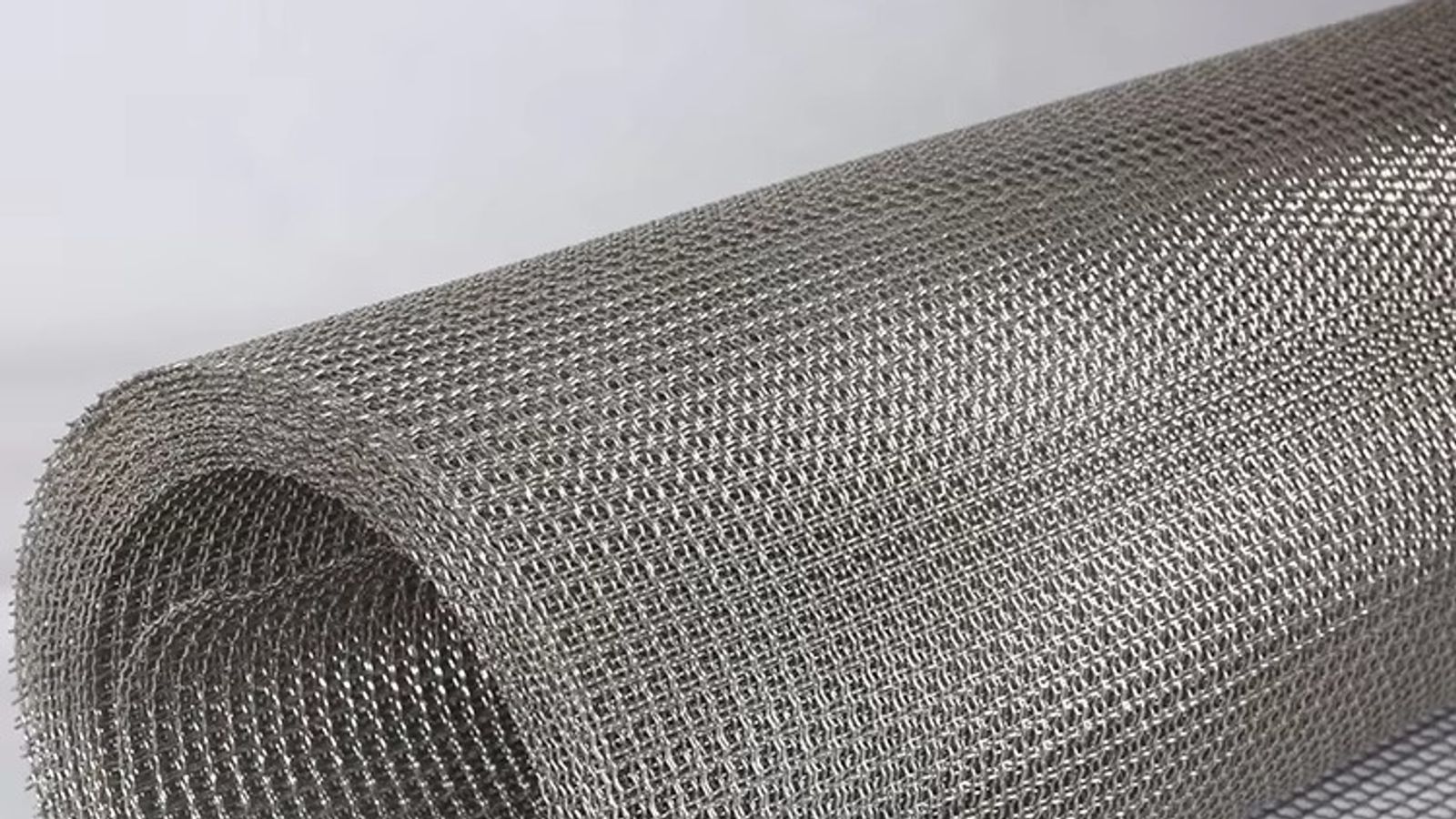
| Term | Definition |
|---|---|
| Mesh count | Wires (openings) per linear inch |
| Aperture | Clear opening between adjacent wires |
| Wire diameter | Thickness of the wire before weaving |
| Pitch | Aperture + wire diameter (center-to-center spacing) |
Open area is the percentage of total surface that's open space versus solid wire, and it follows a specific formula: Open Area % = (aperture ÷ pitch)² × 100, where pitch is aperture plus wire diameter. This number matters more than aperture alone for flow-rate and pressure-drop calculations, because it accounts for both the opening size and how much of the total surface the wire itself blocks.
Isn't a bigger aperture always a bigger open area? Not necessarily — a mesh with a large aperture but thick wire can have a similar open area percentage to a mesh with a small aperture and thin wire, because open area depends on the ratio between the two, not either dimension alone.
On spec reviews, open area percentage is the number that most often gets skipped entirely in favor of mesh count and micron rating — but it's the figure that actually predicts flow resistance and clog rate in service. Ask for it explicitly if a supplier's quote doesn't include it.
Warp wires run lengthwise, in the direction of the roll as it comes off the loom. Weft wires — also called shute — run crosswise, driven through the warp wires during weaving. The distinction matters beyond terminology: in Dutch and twill weaves, warp and weft wires often use different diameters, and understanding which direction is which is necessary to read a weave specification correctly.
| Wire | Direction | Also Called |
|---|---|---|
| Warp | Lengthwise (roll direction) | — |
| Weft | Crosswise | Shute; fill |
Square (plain) weave uses the same wire diameter in both warp and weft directions, producing uniform square openings. Dutch weave intentionally uses a coarser warp wire and finer weft wire, which is the structural reason Dutch weave achieves finer, more stable apertures than plain weave at a comparable wire strength — the same asymmetry that defines Dutch weave wire mesh.
Generally yes, but not guaranteed — a high mesh count with thin wire and a lower mesh count with thick wire can produce similar apertures. Always check aperture directly rather than comparing mesh counts across different wire diameters.
Nominal rating describes typical capture efficiency at a stated particle size; absolute rating guarantees capture at that size with much tighter consistency. Both relate to aperture and open area, but absolute ratings require more precisely controlled weaving than nominal ratings.
It predicts flow resistance and pressure drop more accurately than aperture size alone, since it accounts for how much of the total mesh surface is actually open versus blocked by wire. Two meshes with identical apertures can have different open area percentages depending on wire diameter.
No — pitch is aperture plus one wire diameter, measured center-to-center between adjacent wires. Aperture alone is just the clear opening; pitch includes the wire's own thickness in the measurement.
Warp runs lengthwise, in the direction the roll was woven and spooled. Weft (or shute) wires run crosswise, perpendicular to the roll direction — this distinction matters most in weaves like Dutch weave where warp and weft use different wire diameters.
Reading a wire mesh spec sheet correctly means treating mesh count, aperture, wire diameter, pitch, and open area as five related but distinct numbers — not interchangeable ways of saying the same thing.
For a full breakdown by weave type and wire diameter, see KAIFIL's mesh reference charts, or send your target aperture and open area requirement through custom fabrication for a weave recommendation.
Square-opening woven wire mesh for screening, support layers and custom fabricated filter parts.
Dense woven wire mesh for fine filtration and custom screen packs in demanding process lines.
Panels / sheets / custom screens for heavy-duty screening and protective mesh, supplied to drawing with material, size and packing details confirmed at RFQ stage.
Send drawings, dimensions, material, environment or operating conditions, and we will help confirm the right specification.
Uploaded reference files are included with the inquiry. For larger CAD packages, reply to the confirmation email or send them here:
Our team typically replies within 24 business hours.