Technical
Wire Mesh Strainer Baskets for Food and Beverage Processing
SS316L resists salt and acid better than SS304 for food-grade strainers. Here's how to spec a hygienic, CIP-compatible strainer basket for your line.
SS316L resists salt and acid better than SS304 for food-grade strainers. Here's how to spec a hygienic, CIP-compatible strainer basket for your line.
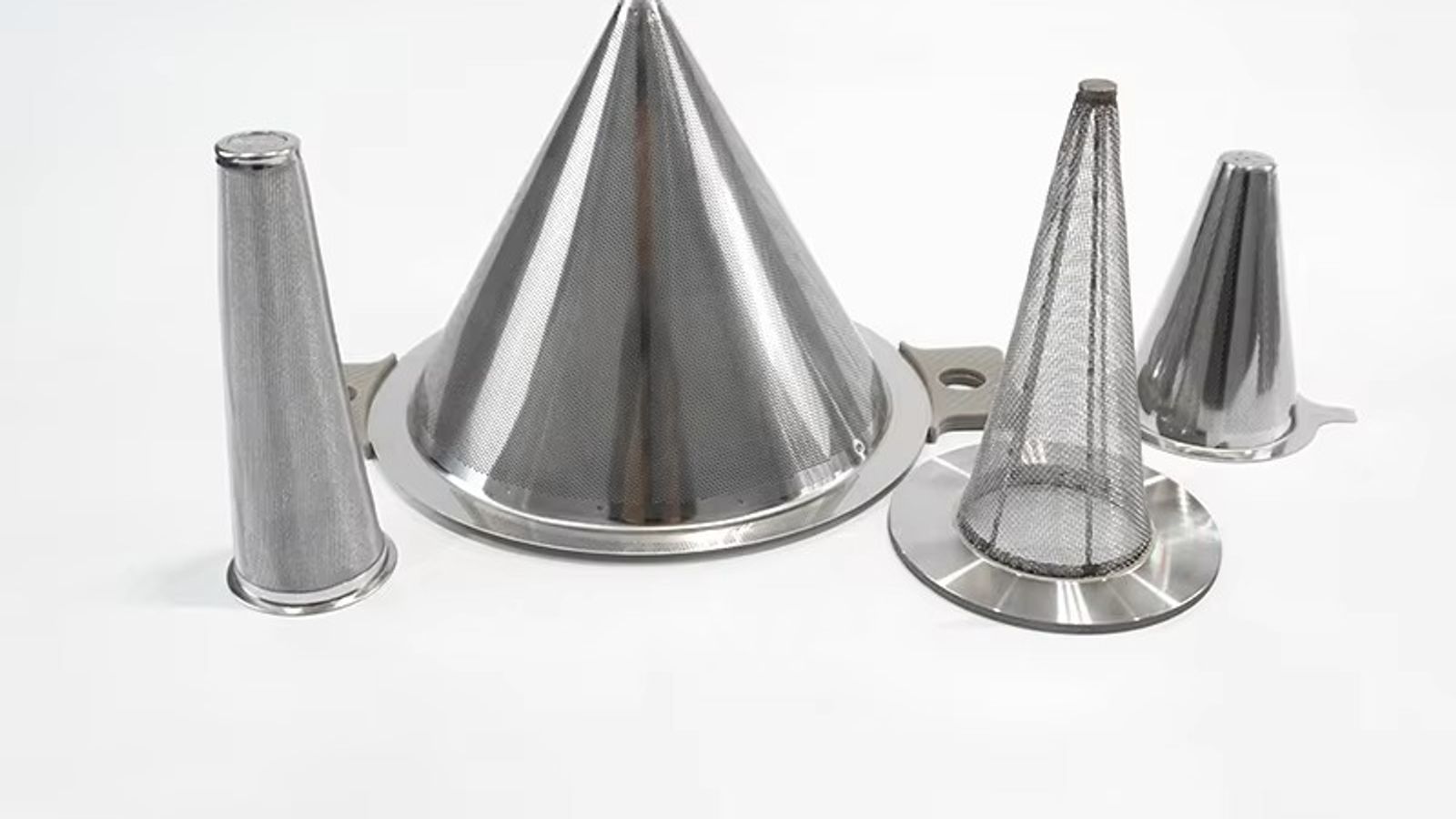
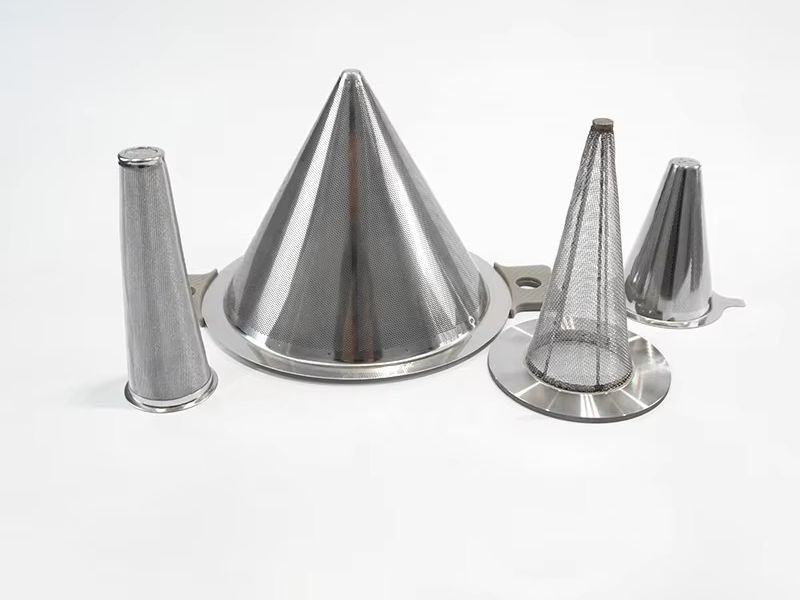
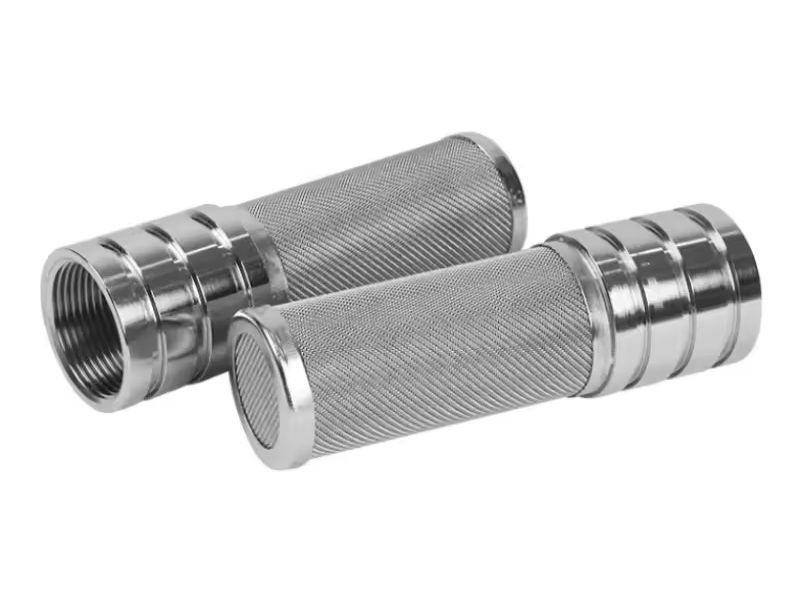
A strainer basket in a food or beverage line does two jobs at once: keep contaminants out of the product, and survive a CIP (clean-in-place) cycle without becoming the contamination source itself. Get the material or the hygienic design wrong, and the basket that was supposed to protect the line becomes the audit finding.
Here's what actually drives spec decisions for food-grade strainer baskets, beyond "stainless steel."
SS304 is not well suited for equipment exposed to salt or brine for extended periods, while SS316 handles those same salty conditions reliably — that single fact is why food and beverage processing leans so heavily toward 316-series stainless over the more general-purpose 304. Juice, brine, and CIP sanitizer chemistry all put the kind of chloride and acid exposure on a strainer basket that 304 wasn't designed to withstand long-term.
The distinction that gets glossed over most often is SS316 vs. SS316L. The "L" designation isn't a marketing variant — the low-carbon composition specifically reduces carbide precipitation during welding, which matters because a basket's weld seams are exactly where corrosion resistance tends to fail first under repeated CIP cycling.
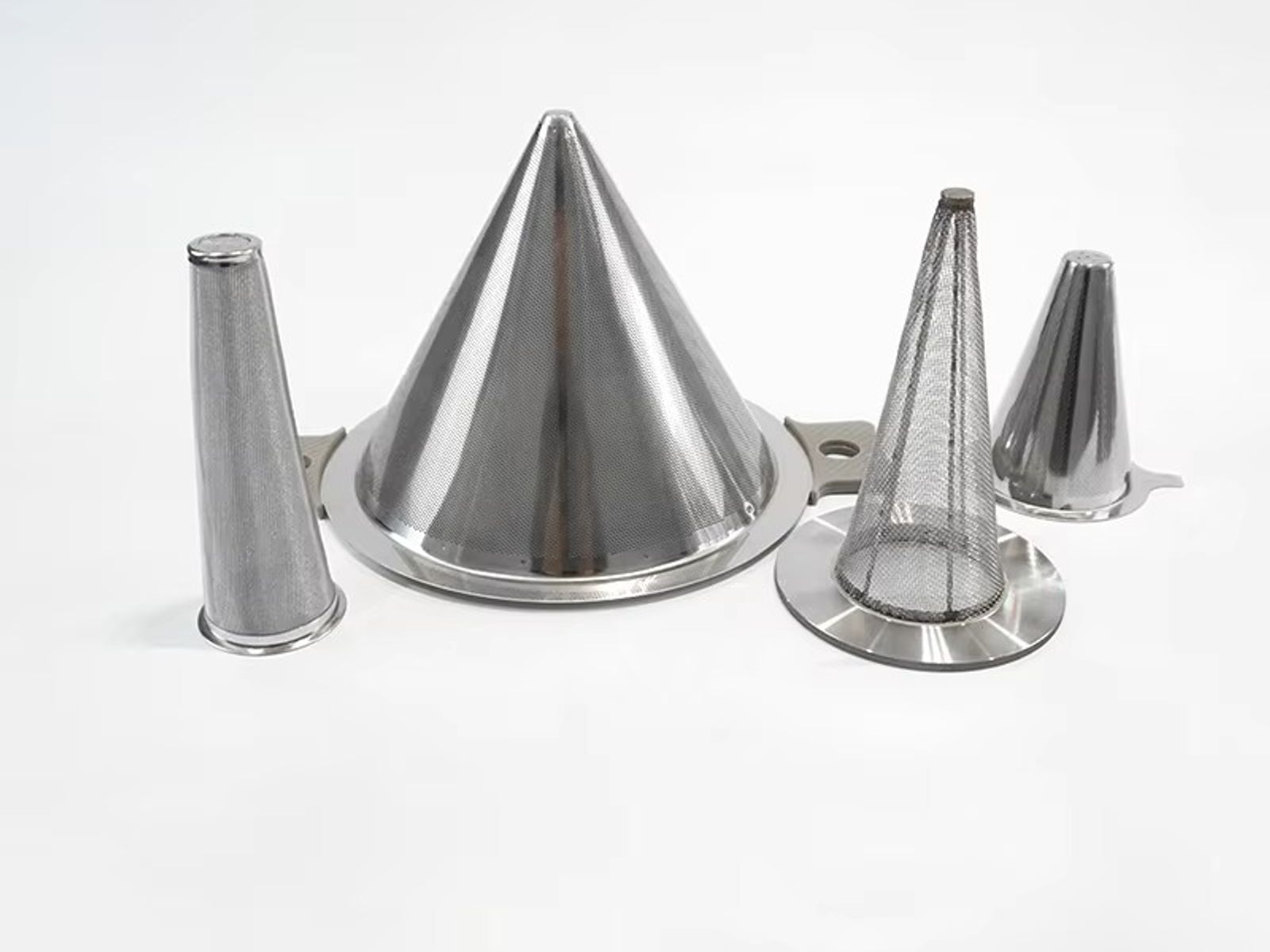
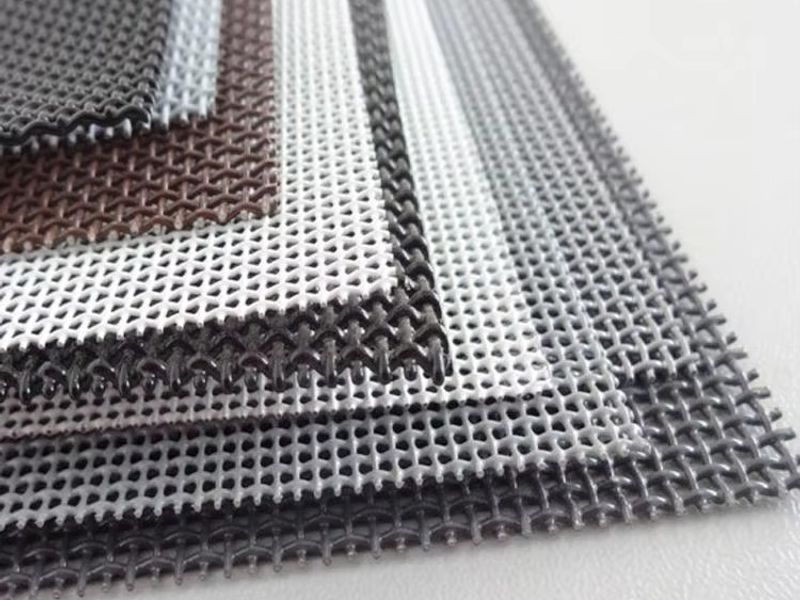
Wire cloth for food-grade filtration spans an unusually wide range in practice — from roughly 2 inches down to 2 microns, covering everything from coarse debris screening on raw ingredients to fine polishing filtration on finished beverages. That range is wider than most other industries need from a single material family, which is part of why food and beverage processors often standardize on one base material (316L) and vary only mesh count across their different filtration points.
| Duty | Typical Mesh Range |
|---|---|
| Raw ingredient debris screening | Coarse; several mm openings |
| Grain and flour sieving | Fine mesh; sub-mm openings |
| Juice and beverage polish filtration | Down to 2 micron |
| CIP-line inline strainers | Application-specific; per contamination target |
Isn't finer always safer for a food-contact application? Not necessarily — an over-fine strainer on a high-solids or fibrous product blinds faster than the process schedule can tolerate, turning a protective device into a throughput bottleneck. Match mesh to actual contaminant profile, not the tightest available rating.
Non-contaminating surface finish, especially after electropolishing, is what makes a basket genuinely safe for sensitive food-contact and pharmaceutical-adjacent environments — aligning with HACCP and FDA guidance isn't just about the alloy, it's about surface condition too. A rough or poorly finished weld can harbor biofilm risk even in a correctly specified 316L basket.
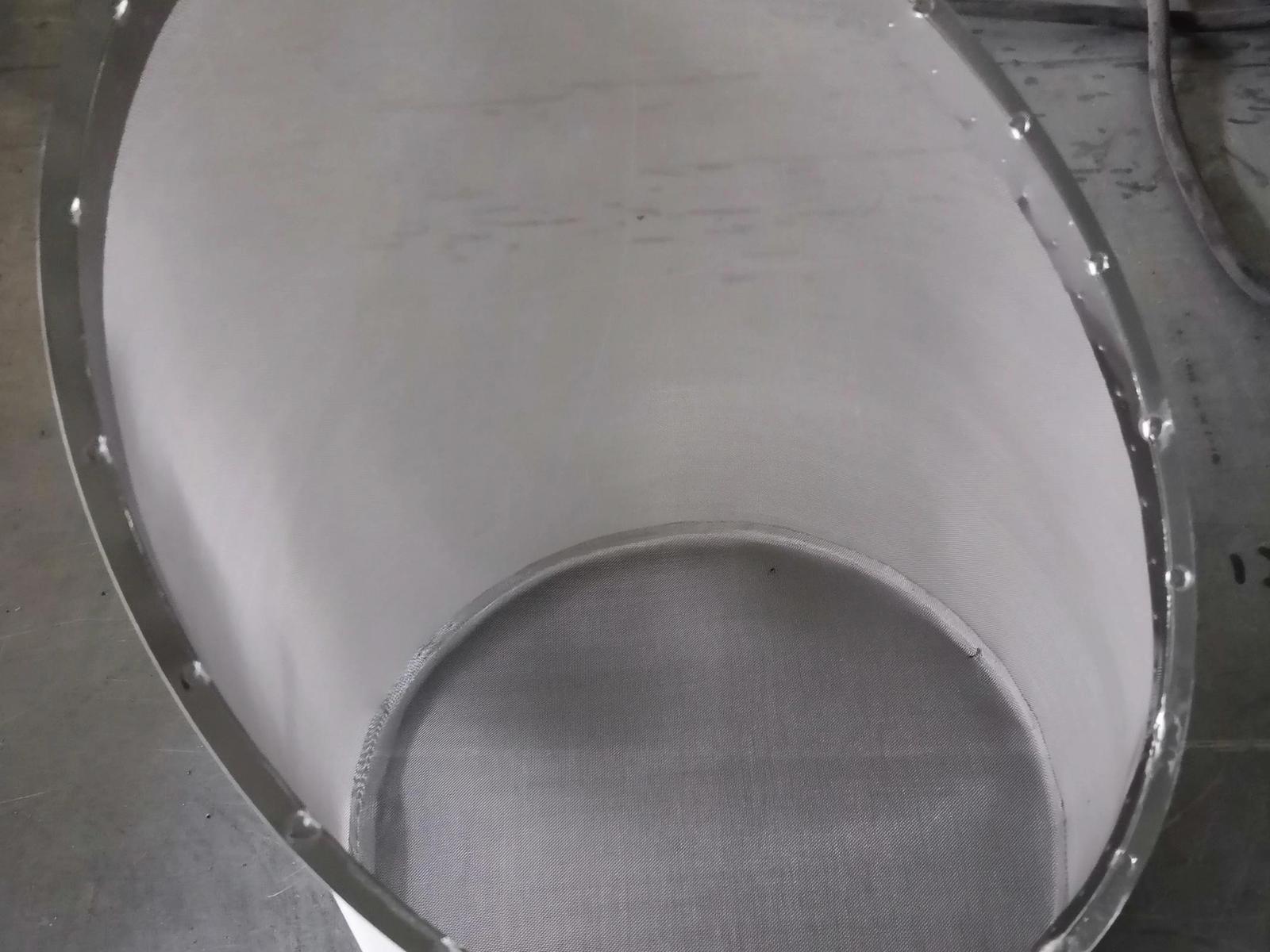
On food and beverage RFQs, the specification issue that comes up most often isn't material grade at all — it's poor housing fit creating dead zones where product residue collects between CIP cycles. A basket spec'd correctly on paper can still fail a hygiene audit if it doesn't seat cleanly in its housing.
Line size, retention target, flange class, housing model, and flow direction are the five details that let a supplier quote a basket that actually fits your installation rather than a generic catalog size that needs field modification. Skipping any of these usually means a second round of back-and-forth before the quote is even usable.
Documentation requirements deserve the same upfront treatment: if your facility needs traceability for HACCP or FDA audit purposes, specify that at the RFQ stage so material certificates and inspection records are built into the order rather than requested after the fact.
Yes, for applications without extended salt or brine exposure — SS304 remains cost-effective for general food-contact use where chloride exposure is minimal. Once brine, acidic juice, or aggressive CIP chemistry is involved, SS316 becomes the more reliable choice.
SS316L is a low-carbon version of SS316 that reduces carbide precipitation during welding, improving corrosion resistance specifically at weld seams — the part of a fabricated basket most likely to be the first failure point under repeated cleaning cycles.
Down to roughly 2 microns for fine polishing duty on juices and beverages, though most food-processing applications use much coarser mesh for debris and solids screening. Match the rating to your actual contaminant profile.
Yes — a smooth, non-contaminating surface finish reduces biofilm and residue risk beyond what material grade alone provides, and it's a meaningful factor in HACCP and FDA-aligned hygienic design, not just a cosmetic upgrade.
Line size, retention/mesh target, flange class, housing model, and flow direction — providing all five upfront avoids a second round of clarification before you get a usable quote.
Material grade, mesh range, and hygienic surface finish work together in a food-grade strainer spec — optimizing one while ignoring the others is how a basket passes initial inspection and still fails a hygiene audit later.
Send your line size, retention target, and housing details through KAIFIL's strainers & baskets page or the food & beverage processing application page for a spec review.
Temporary cone strainers and startup screens made to pipeline size, flange fit and debris load.
Square-opening woven wire mesh for screening, support layers and custom fabricated filter parts.
Welded assemblies / framed filters / cartridges for oem filtration assemblies and replacement parts, supplied to drawing with material, size and packing details confirmed at RFQ stage.
Send drawings, dimensions, material, environment or operating conditions, and we will help confirm the right specification.
Uploaded reference files are included with the inquiry. For larger CAD packages, reply to the confirmation email or send them here:
Our team typically replies within 24 business hours.