Technical
Dutch Weave Wire Mesh: Where Plain and Twill Weaves Actually Fit
Dutch weave wire mesh filters down to 6-7 microns absolute. Compare plain vs twill weave strength, flow rate, and applications before you spec a screen.
Dutch weave wire mesh filters down to 6-7 microns absolute. Compare plain vs twill weave strength, flow rate, and applications before you spec a screen.
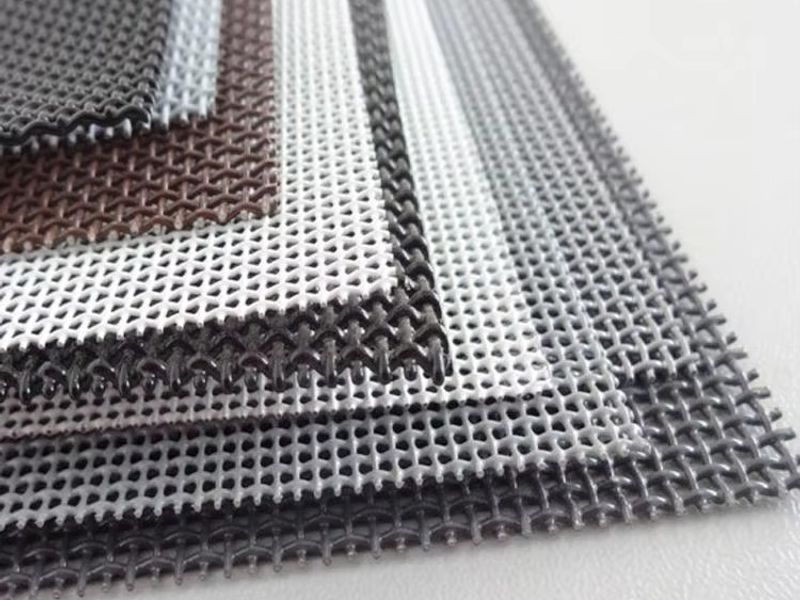
Square-opening mesh runs out of room once you need filtration finer than roughly 40 microns — the wire gets too thin to hold its shape at that count. Dutch weave solves that by using two different wire diameters instead of one, and it's why almost every fine-filtration screen pack you'll find in a plastics or chemical plant is some form of Dutch weave, not plain weave.
The catch is that "Dutch weave" isn't one product. Plain, twill, and reverse Dutch weave trade off strength, flow rate, and filtration precision differently, and picking the wrong one costs you either throughput or particle retention.
In 2026, the core mechanical difference is still the same one that's made Dutch weave the default for fine filtration for decades: it pairs a coarser warp wire with a finer, tightly packed weft wire, rather than using one uniform wire diameter in both directions (Enzar Wire, Dutch Woven Mesh, retrieved 2026-07-22). That asymmetry lets the weave hold a smaller, more stable opening than a plain square-weave mesh at the same wire strength.
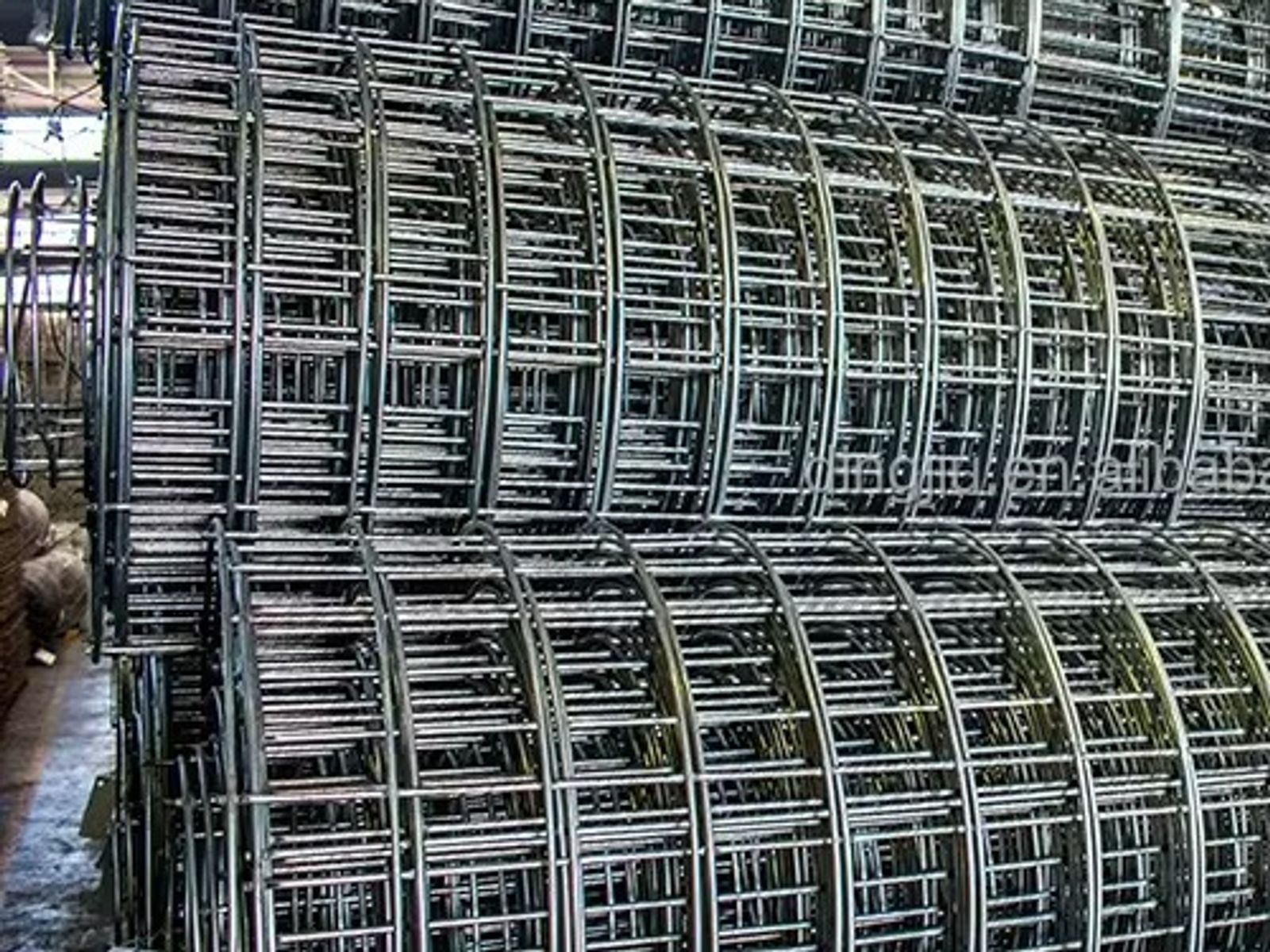
The tradeoff engineers underweight most often isn't strength or micron rating — it's that a dense weave has less open area than a coarse plain weave, so pressure drop climbs faster as the screen loads with contaminant. Sizing Dutch weave purely off the micron chart, without checking expected dirt load, is the most common way a screen pack gets changed out sooner than planned.
Twill Dutch weave withstands higher mechanical stress than plain Dutch weave, because its over-two-under-two pattern interlocks the wires more securely under pressure (Haver & Boecker, 2026). Plain Dutch weave, by comparison, offers strong rigidity with a comparatively higher flow rate — the more open structure lets fluid pass with less resistance.
| Property | Plain Dutch Weave | Twill Dutch Weave |
|---|---|---|
| Mechanical stress tolerance | High | Higher |
| Flow rate | Higher throughput | Somewhat lower |
| Filtration precision | Fine | Finer |
| Best fit | High-throughput; moderate-pressure filtration | High-pressure; heavy-duty filtration |
Source: Haver & Boecker, retrieved 2026-07-22.
Isn't it tempting to just default to whichever weave your last supplier quoted? That's usually how a mismatched screen ends up in service — the previous application may have prioritized flow rate over pressure tolerance, or vice versa, and the assumption doesn't carry over cleanly to a new process.
For applications between the two — where you need more precision than plain Dutch but can't sacrifice flow rate to twill — reverse Dutch weave is worth specifying by drawing rather than picking from a standard catalog grade. KAIFIL's Dutch weave wire mesh product line covers plain, twill, and reverse Dutch, confirmed per quote against your target rating and tolerance.
Fine Dutch weave grades reach an absolute filtration rating as tight as 6 to 7 microns, with nominal ratings ranging from 1 to 53 microns depending on mesh count and weave type (Enzar Wire, 2026). At the coarse end, ratings run up to roughly 110 to 120 microns absolute for lower mesh counts.
That range means Dutch weave alone rivals sintered mesh on fineness at the tightest grades, without the sintering process or its higher cost. What it doesn't match is sintered mesh's burst strength and continuous high-temperature tolerance — Dutch weave is a woven, not fused, structure, so it inherits the general strength ceiling of wire mesh construction rather than the metallurgically bonded strength of a sintered laminate.
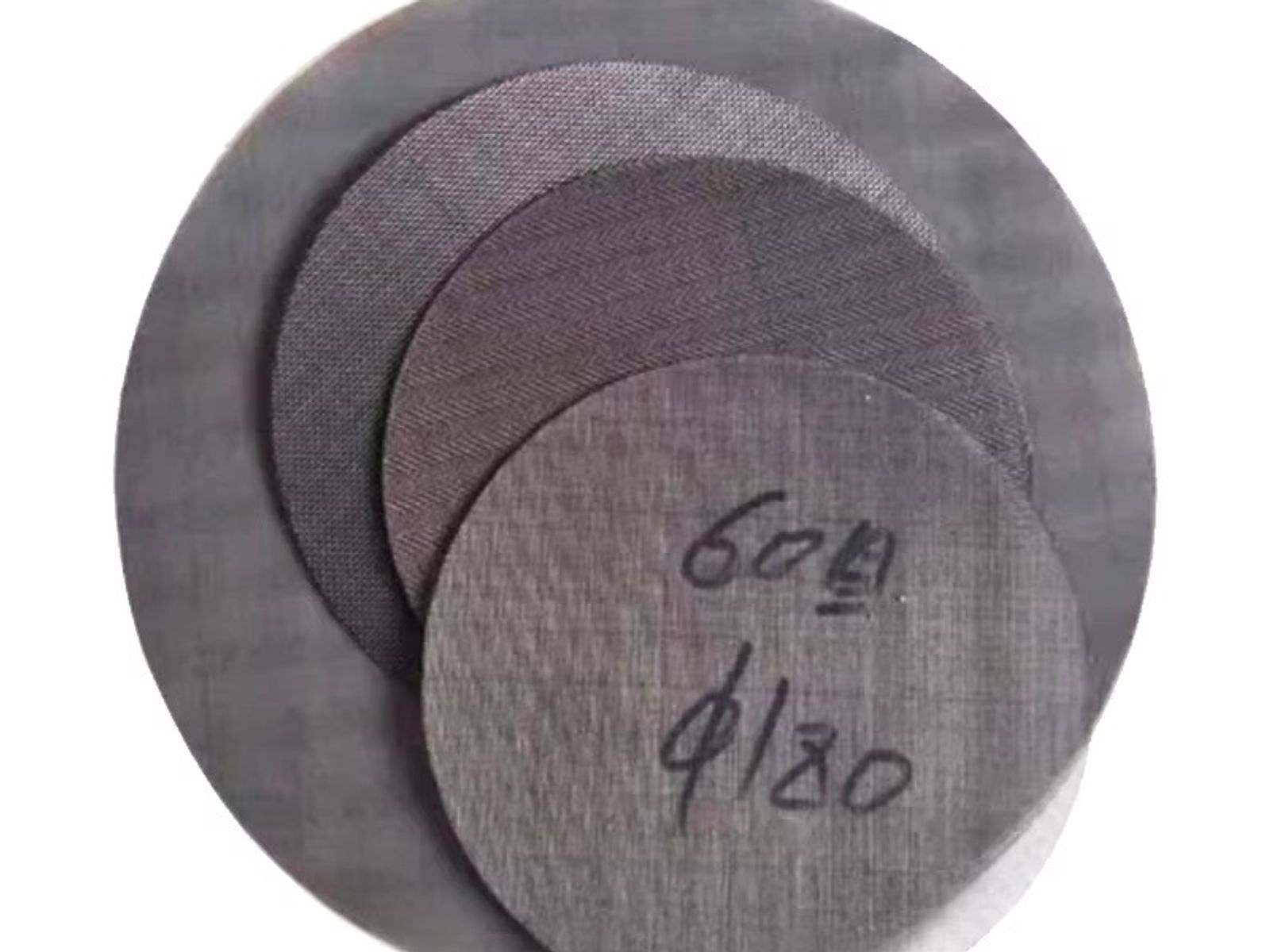
Polymer and plastic extrusion melt filtration is the application Dutch weave is built for — the tight, stable aperture holds up against continuous heat and pressure that would deform a coarser plain weave over a production run. It also shows up across hydraulic filtration, chemical and pharmaceutical processing, and oil, gas & petrochemical service wherever fine particle retention matters more than raw flow rate.
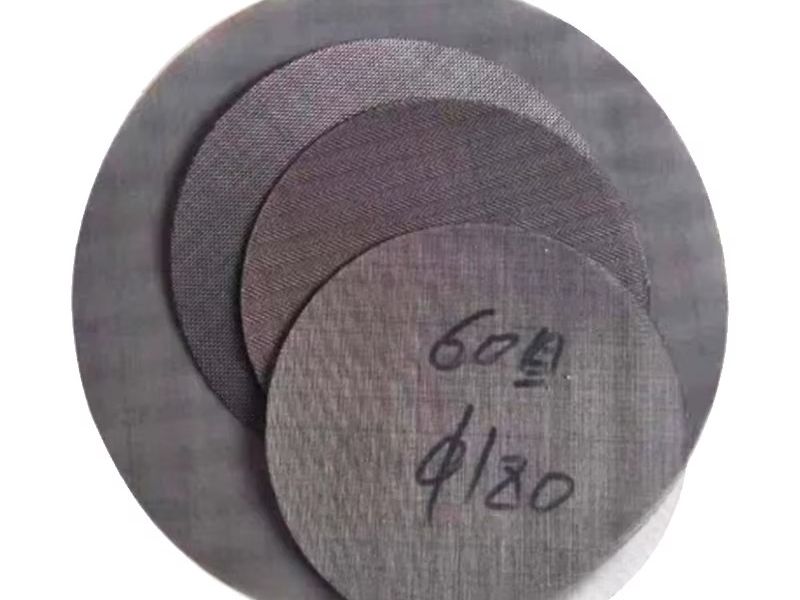
On custom fabrication requests, multilayer Dutch weave screen packs for extruders are one of the most common line items we see — usually a coarse support layer backing a fine Dutch weave filtration layer, built as a single assembly rather than stacked loose discs.
| Industry | Typical Use |
|---|---|
| Plastics extrusion | Melt filtration; screen changer discs; multilayer packs |
| Oil; gas & petrochemical | Fine particle retention in process streams |
| Chemical & pharmaceutical | Precision filtration where contamination tolerance is low |
| Hydraulic systems | Fluid filtration under continuous pressure |
For process-specific detail, see KAIFIL's application pages for plastic extrusion filtration, oil, gas & petrochemical, and pharmaceutical & chemical processing.
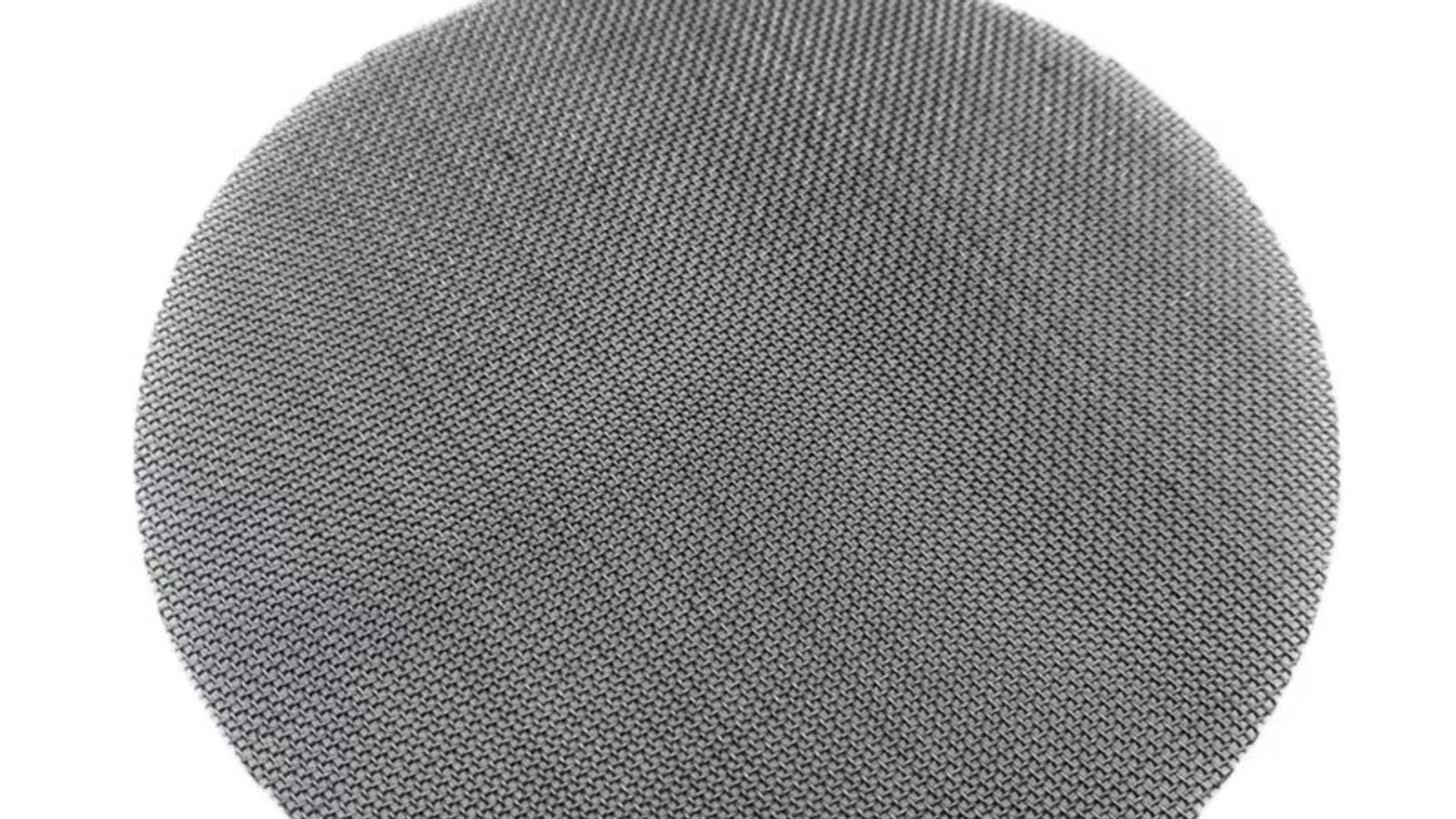
Material grade selection runs independently of weave type, but the two decisions have to be made together. KAIFIL's Dutch weave line is available in SS304, SS316L, Duplex 2205, nickel, Monel, Hastelloy, and Inconel, covering everything from general-purpose service to aggressive chemical exposure.
For most extrusion and hydraulic applications, SS304 or SS316L covers the requirement. Chemical processing with corrosive media, or high-temperature petrochemical service, is where the nickel-alloy grades (Monel, Hastelloy, Inconel) earn their premium — the weave's micron rating means nothing if the wire itself degrades under the process chemistry.
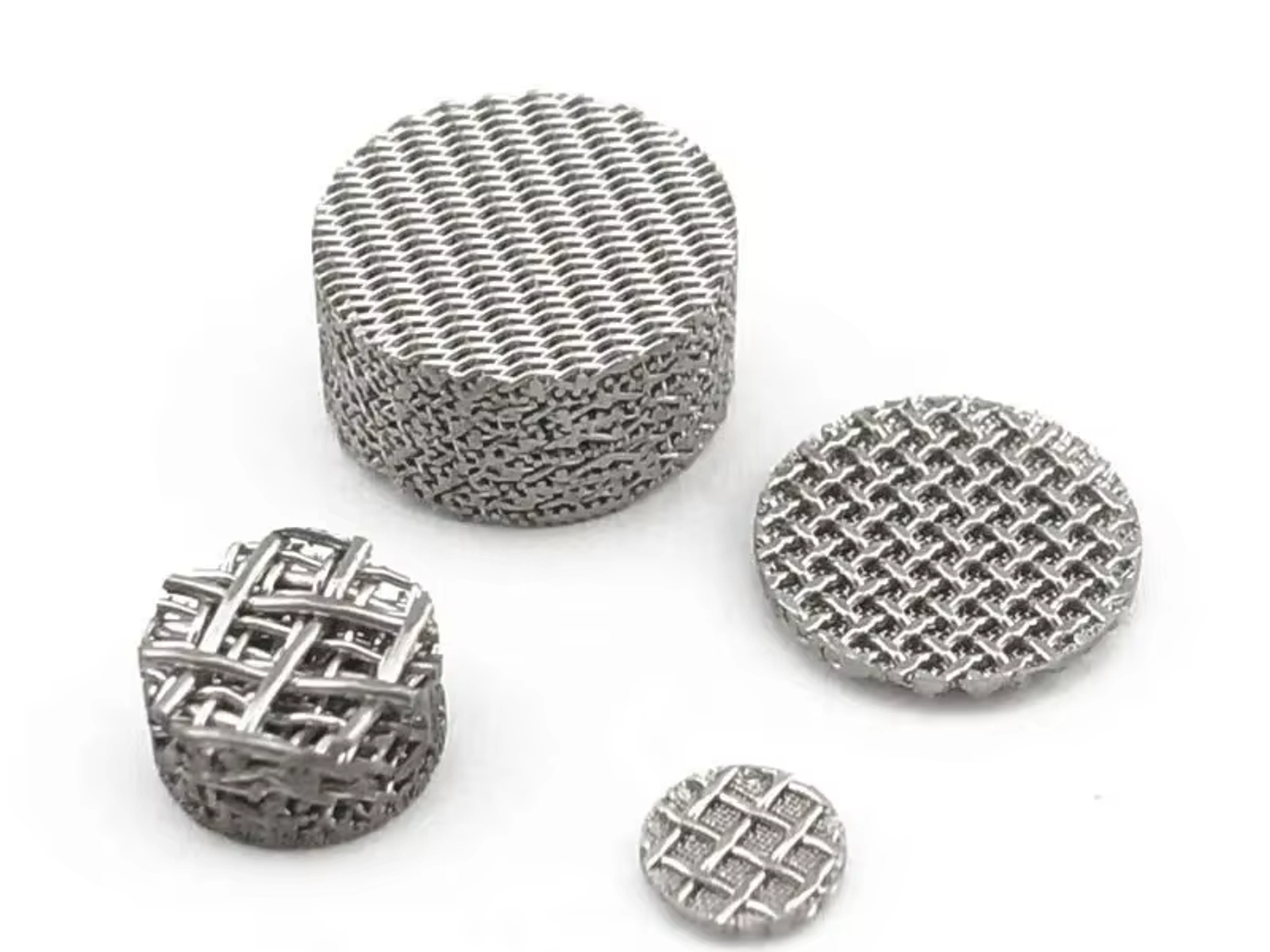
Dutch weave generally offers higher mechanical strength at fine filtration ratings than plain weave, because the asymmetric wire diameters distribute load differently — but "stronger" depends on the specific mesh counts being compared, not the weave type alone.
Choose twill Dutch weave for high-pressure or heavy-duty filtration where mechanical stress tolerance matters more than flow rate; choose plain Dutch weave when you need higher throughput and can accept a somewhat coarser structure (Haver & Boecker, 2026).
Partially. Fine Dutch weave grades reach absolute ratings as tight as 6–7 microns, rivaling sintered mesh on fineness, but Dutch weave doesn't match sintered mesh's burst strength or continuous high-temperature tolerance since it's woven rather than metallurgically bonded.
It depends on the resin and contaminant profile, but most extrusion screen packs pair a coarse support layer with a finer Dutch weave filtration layer rather than relying on one mesh count to do both jobs. Confirm the exact rating against your specific melt viscosity and target particle size.
Yes — beyond standard SS304/SS316L, Dutch weave is available in Duplex 2205, nickel, Monel, Hastelloy, and Inconel for aggressive chemical or high-temperature service where standard stainless isn't sufficient.
Dutch weave earns its place wherever plain weave runs out of precision — but plain vs. twill Dutch is its own decision, not a detail to skip. Match the weave pattern to your pressure and flow requirements first, then confirm material grade against your process chemistry.
If your application sits between standard catalog grades, send your target micron rating, pressure range, and process chemistry through KAIFIL's custom fabrication service, or reach out via contact for a reviewed recommendation before you commit to a weave type.
Dense woven wire mesh for fine filtration and custom screen packs in demanding process lines.
Custom screen discs and multilayer packs for plastic extrusion, recycling and polymer melt filtration.
Square-opening woven wire mesh for screening, support layers and custom fabricated filter parts.
Send drawings, dimensions, material, environment or operating conditions, and we will help confirm the right specification.
Uploaded reference files are included with the inquiry. For larger CAD packages, reply to the confirmation email or send them here:
Our team typically replies within 24 business hours.