Selection Guide
Edged vs Flat Extruder Filter Discs: When the Rim Matters
Edged filter discs stop melt bypass around the screen in high-pressure extrusion. Compare rim types and request a drawing-based quote from KAIFIL today.
Edged filter discs stop melt bypass around the screen in high-pressure extrusion. Compare rim types and request a drawing-based quote from KAIFIL today.
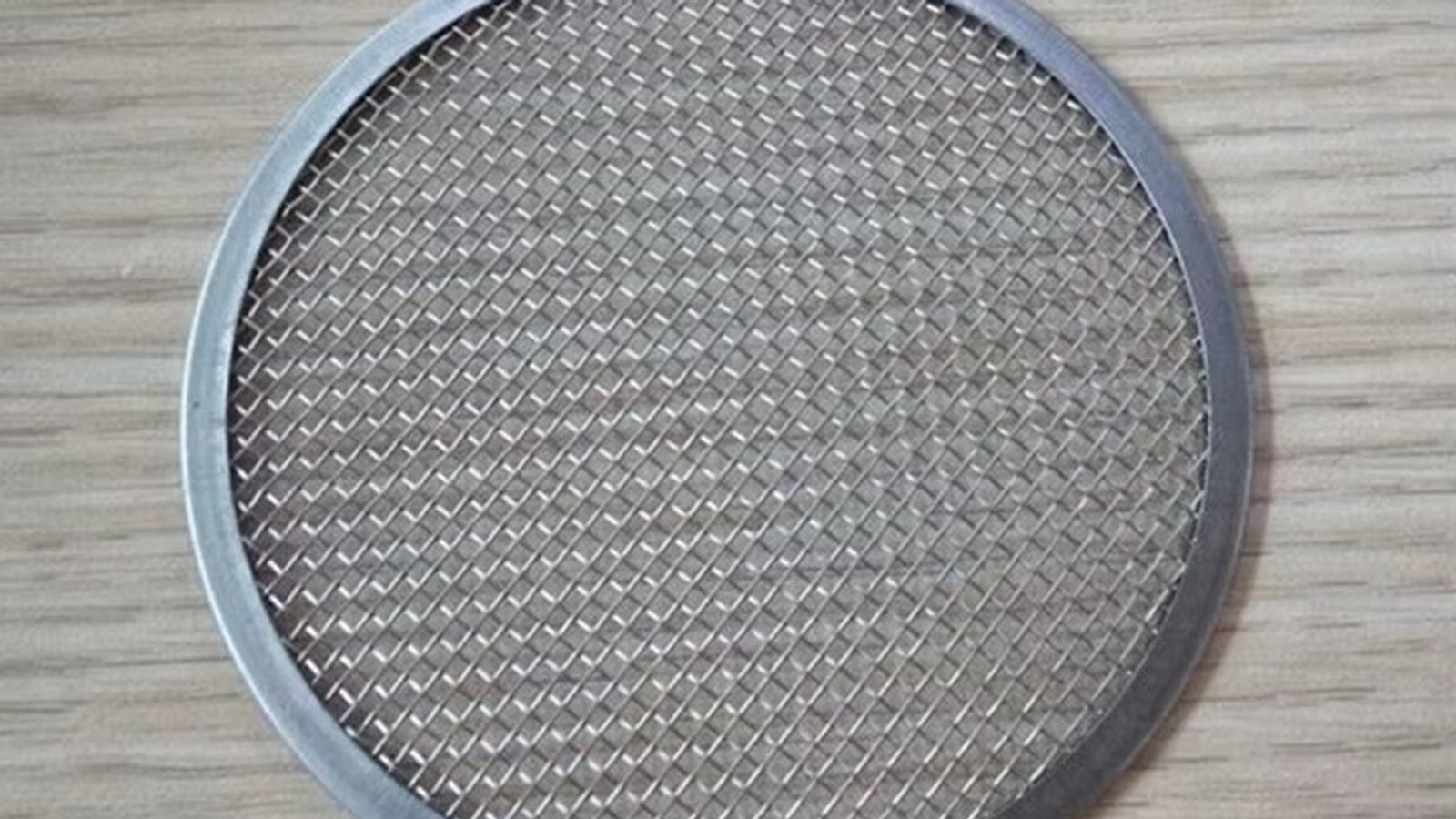
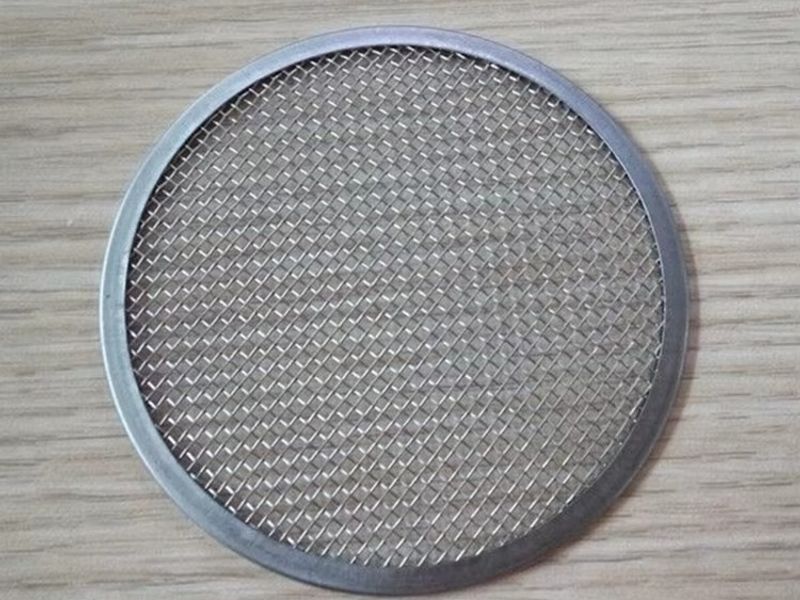
Edged (rimmed) filter discs are extruder screens fitted with a metal edge or rim around the circumference of the mesh, designed to seal against the breaker plate and screen-changer slide plate so that molten polymer cannot flow around the outside of the screen. They differ from flat screens — which are plain cut circles or rectangles of woven wire mesh with no edge treatment — in that the rim physically blocks the leakage path between the screen edge and the housing, forcing 100% of the melt through the mesh apertures. In practical terms, an edged disc typically adds 3 to 15 mm of rim width to the mesh diameter, comes in standard diameters from 50 mm up to 300 mm, and is available in mesh counts from 40 to 635 mesh (1 to 100 micron), rated for melt temperatures of 180–320 °C and operating pressures up to 5000 psi (350 bar). When a screen changer leaks polymer around the screen, gels and contamination enter the finished product and the breaker plate erodes — and that failure almost always traces back to a flat screen where a rimmed disc was required.
Melt bypass is the condition where molten polymer flows between the edge of the filter screen and the surrounding hardware instead of through the woven mesh. A flat screen depends entirely on the clamping force of the screen changer or breaker plate to squeeze the mesh against the housing. That works at low pressure, but woven mesh is not a solid material — its cut edge is a series of open wire ends, and under differential pressure the mesh deforms, the gap opens, and unfiltered polymer slips through. Once bypass starts, two things happen: unfiltered contamination reaches the die, and the by-passing melt accelerates erosion of the breaker plate seat.
An edged disc solves this by giving the screen a rigid, solid-material perimeter. The rim is the part that actually seals; the mesh does the filtering. The rim material is typically 304 or 316 stainless steel, and its width and thickness are sized to the disc diameter and the pressure class of the application. Because the rim is machined or formed to a controlled outer dimension, it seats consistently in the screen-changer pocket, which is what slide-plate changers depend on for repeatable sealing cycle after cycle.
There is no single "rim" — the edge can be made three ways, and the choice affects sealing performance, reusability, and cost.
A welded rim is a ring of stainless steel bar or strip welded to the outer circumference of the mesh disc. This is the most robust construction and the standard for high-pressure and continuous-process applications. The welded joint locks the mesh in place so it cannot unravel at the cut edge, and the solid ring provides a full-width sealing face. Welded rims are the best choice for slide-plate screen changers running above 150 bar, for low-viscosity melts, and wherever discs are cleaned and reused. They are also the easiest to handle — the operator can grab a hot, slippery disc by the rim without touching the mesh.
A folded (hemmed) edge is formed by bending the outermost ring of the mesh back over itself, creating a double layer of wire that stiffens the perimeter. Folding is less expensive than welding and works well at moderate pressures, but the folded edge is still mesh — it is not a solid seal. It stiffens the edge enough to resist distortion in lower-pressure lines and helps stop unraveling, but under high differential pressure a folded edge can still allow fine bypass. Folded edges suit non-continuous lines, lower-cost filtration, and applications where the disc is changed rather than cleaned.
Galvanized edging refers to a zinc-coated edge treatment, sometimes seen on carbon-steel frames or on discs destined for non-corrosive service. It is the least common construction in polymer filtration, because galvanized coatings are not suitable for melt temperatures above about 200 °C — the coating degrades and can contaminate the melt. Where it appears, it is usually on large-diameter, low-temperature applications where cost is the dominant driver and the service life of the disc is short. For almost all extrusion applications, a stainless welded rim is the correct specification.
| Property | Edged / Rimmed Disc | Flat Screen |
|---|---|---|
| Bypass risk at the disc edge | Low — solid rim seals the perimeter | High — depends on clamping force alone |
| Sealing in a slide-plate screen changer | Reliable; repeatable seat in the pocket | Inconsistent; mesh deforms and leaks |
| Suitability for high melt pressure | Up to 5000 psi / 350 bar with welded rim | Limited; deforms above roughly 100–150 bar |
| Reusability | High — clean and reuse multiple cycles | Low — edge unravels; disc deforms |
| Edge construction types | Welded rim; folded edge; galvanized edging | None |
| Cost per disc | Higher initial cost; lower lifetime cost | Lowest initial cost |
| Typical service | Continuous lines; screen changers; high filler/regrind | Simple batch lines; low backpressure |
The cost gap deserves a direct answer: a welded-rim disc costs more per piece than a flat cut screen, but it is reusable, so the cost per operating hour is usually lower. A screen changer is itself a significant capital investment; protecting it with a disc that seals correctly protects that investment.
Flat screens are not wrong — they are simply right for a narrower set of conditions. You can stay with flat cut screens when all of the following are true:
In those cases, plain wire mesh filter discs deliver the filtration you need at the lowest unit cost. Many recycling and compounding lines use flat screens successfully in exactly these conditions — see our guide on extruder screen pack mesh combinations for how to stack them.
There are five conditions where an edged disc stops being an option and becomes the correct engineering choice:
For these applications, the rimmed wire mesh filter discs page shows the standard configurations we build, and our pelletizer screen changer filter pack guide walks through how rimmed packs behave inside a typical slide-plate changer.
Specifying an edged disc correctly comes down to six parameters. Get these on the drawing or the purchase order and the disc will seal and filter as intended.
Disc thickness is also worth specifying. A typical rimmed disc for an extruder runs 3 to 10 mm overall thickness depending on the rim width and mesh gauge. Larger-diameter discs — 200 mm and above — need thicker rims to resist bowing under differential pressure.
If you are sourcing for a recycling line, note that contaminated melt changes the bypass risk: how to select extruder screens for plastic recycling lines covers the specific failure modes of heavily contaminated feed.
Backpressure and screen change frequency are tied to the rim in a way that is easy to overlook. As a filter disc loads with contamination, differential pressure across the disc rises. A flat screen reaches a point where the pressure lifts the mesh edge and bypass begins before the line's change-pressure setpoint is reached — so the operator changes the screen "on time," not "on pressure," and unfiltered material has been flowing during the entire interval. A rimmed disc holds the seal up to the change setpoint, so the change happens at the known, designed pressure. That predictability is the real operational value of an edged disc, and it is why screen change frequency and backpressure behave differently with rimmed packs than with loose screens.
What is the difference between an edged filter disc and a flat screen? An edged (rimmed) filter disc has a metal rim around the mesh that seals against the breaker plate or screen-changer pocket, preventing melt from flowing around the screen. A flat screen is a plain mesh circle with no edge treatment and relies entirely on clamping force to seal.
Why does melt bypass the edge of a flat screen in an extruder? Under differential pressure, woven mesh deforms and its cut edge opens a gap against the housing. Low-viscosity melt flows through this gap unfiltered. A solid rim on an edged disc closes that path.
When should I use a rimmed filter disc instead of a flat screen? Use a rimmed disc for slide-plate screen changers, operating pressures above roughly 100–150 bar, low-viscosity melts, high filler or regrind content, and any application where unfiltered bypass would fail a product spec. Flat screens are acceptable for low-pressure, low-contamination, simple or intermittent lines.
What are the edge types for rimmed filter discs? The three main types are welded rim (a solid stainless ring welded to the mesh — the most robust, for high pressure and reuse), folded edge (the mesh hemmed back on itself — moderate pressure, lower cost), and galvanized edging (a zinc-coated edge for low-temperature, cost-driven applications).
Can edged filter discs be cleaned and reused? Yes. Welded-rim discs are designed for multiple cleaning and reuse cycles, which is a key reason their lifetime cost is often lower than disposable flat screens. Confirm your cleaning method and reuse plan when you specify the disc.
KAIFIL manufactures welded-rim and custom-edged wire mesh filter discs in stainless steel grades 304 and 316, in diameters from 50 mm to 300 mm and mesh counts from 40 to 635 mesh (1 to 100 micron), for extrusion and plastic extrusion filtration applications. Send us your drawing or screen-changer part number and we will quote a disc matched to your pocket dimensions, pressure class, and melt temperature — including custom-shape wire mesh filter discs for non-circular breaker plates. Samples are available before you commit to production volumes, and our MOQ is kept low so you can qualify the disc on your own line first. Contact our engineering team today to get a drawing-based quotation for rimmed filter discs that seal the way your process needs them to.
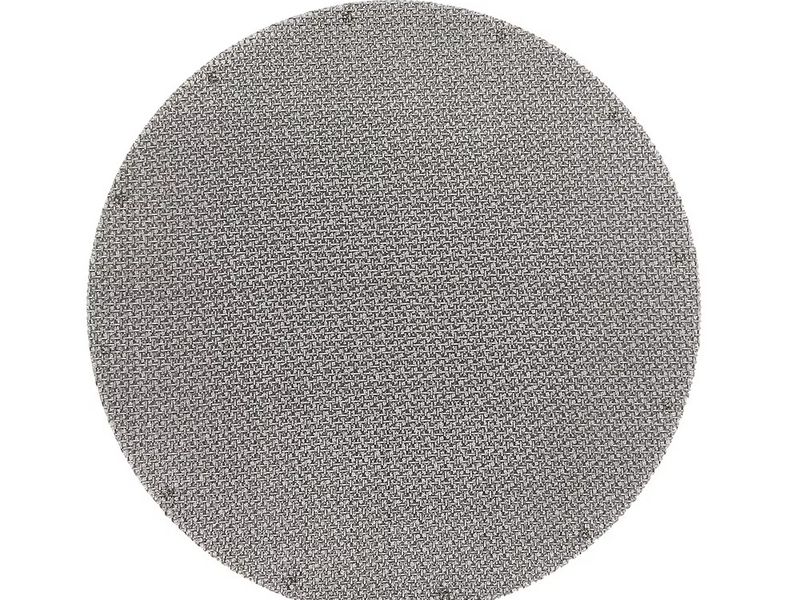
Rimmed discs / edged screens / multilayer packs for durable filter inserts where edges need protection, supplied to drawing with material, size and packing details confirmed at RFQ stage.
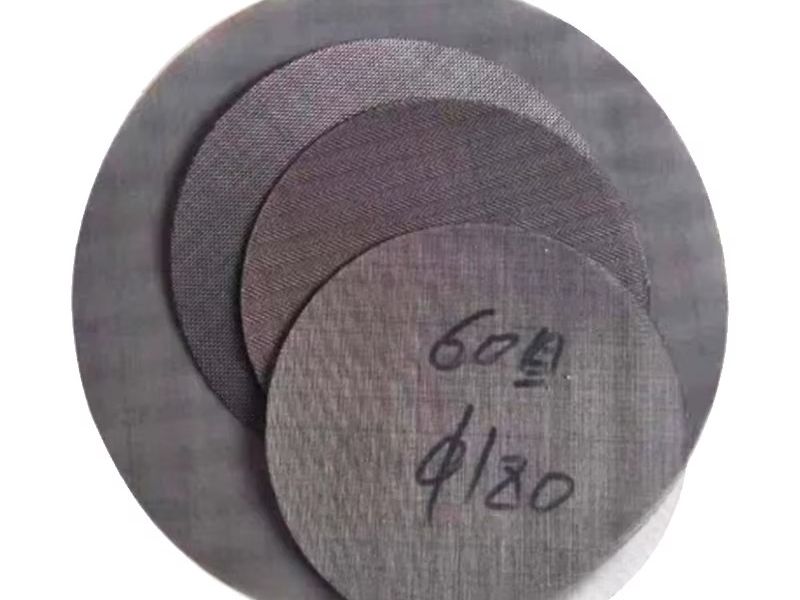
Plain discs / cut mesh pieces / custom shapes for economical mesh inserts and removable filter screens, supplied to drawing with material, size and packing details confirmed at RFQ stage.
Custom screen discs and multilayer packs for plastic extrusion, recycling and polymer melt filtration.
Send drawings, dimensions, material, environment or operating conditions, and we will help confirm the right specification.
Uploaded reference files are included with the inquiry. For larger CAD packages, reply to the confirmation email or send them here:
Our team typically replies within 24 business hours.