Technical
Stainless Steel Wire Mesh Filters for Oil and Gas: A Spec Guide
Oil and gas wire mesh filters run 1 micron to 1000 micron nominal, up to 420 bar. Here's how to spec material, mesh, and coalescing screens for your process.
Oil and gas wire mesh filters run 1 micron to 1000 micron nominal, up to 420 bar. Here's how to spec material, mesh, and coalescing screens for your process.
Corrosive process fluids, thermal cycling, and skid space limits push oil and gas filtration specs harder than almost any other industry. A filter media choice that works fine in a benign process stream can fail early once chlorides, H2S, or sustained high temperature are added to the mix.
This guide covers what actually drives material and mesh selection for oil, gas, and petrochemical filtration, beyond the standard catalog spec.
Oil and gas wire mesh filtration spans a wide range depending on the specific duty: general nominal filtration runs from roughly 1 to 1000 microns, while oil particle removal specifically tends to concentrate around 4 to 7 micron surface filtration ratings. That's a much narrower band than the full catalog range suggests, and it's driven by what oil filtration is actually protecting — downstream bearings, valves, and injectors sensitive to fine particulate, not gross debris.
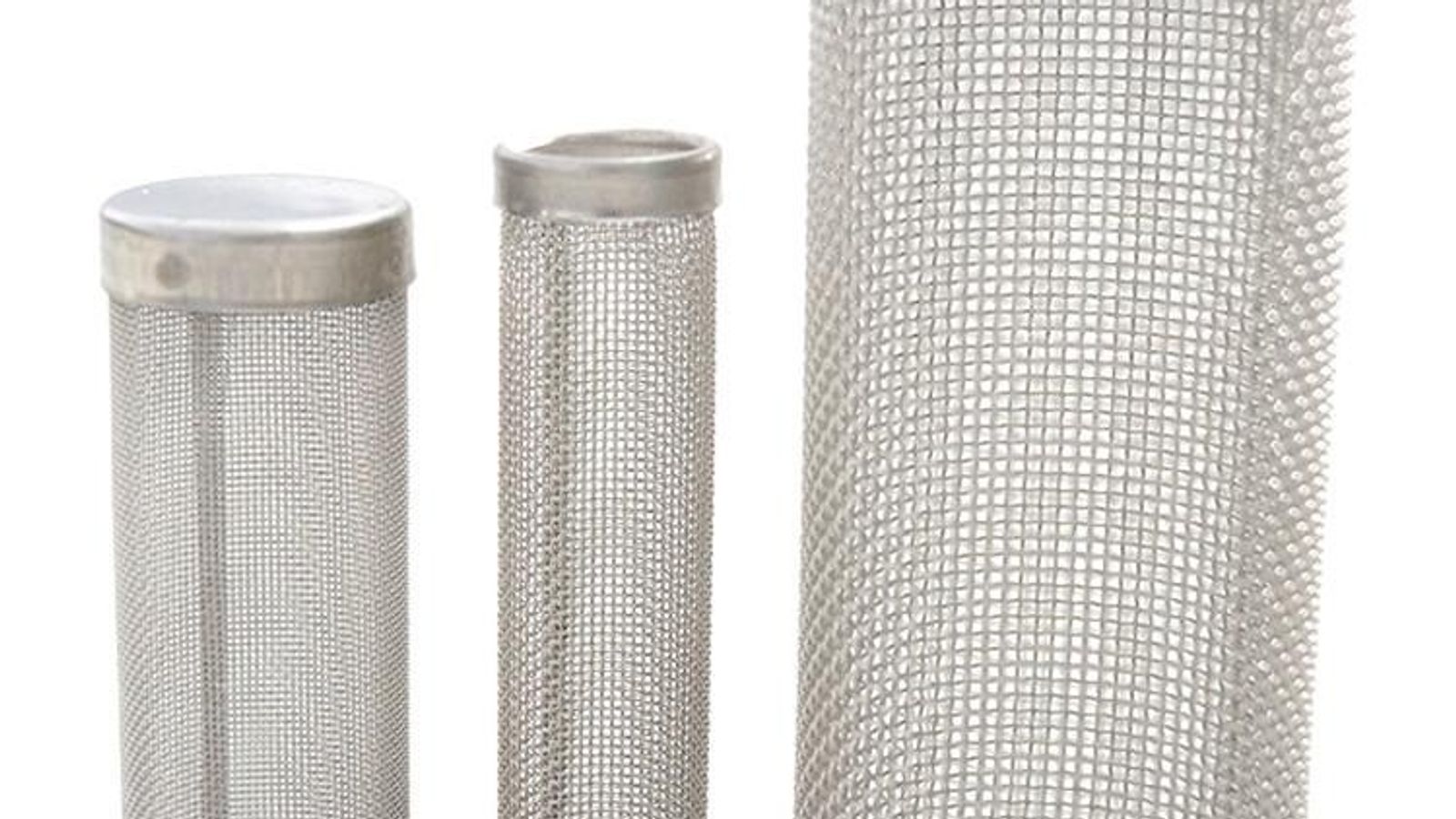
The spec detail that gets missed most often on oil filtration RFQs isn't micron rating — it's that wire mesh weaves should stay larger than roughly 0.005 inches for oil filtration applications. Go finer than that and you're fighting pressure drop and clog rate for precision the application often doesn't actually need.
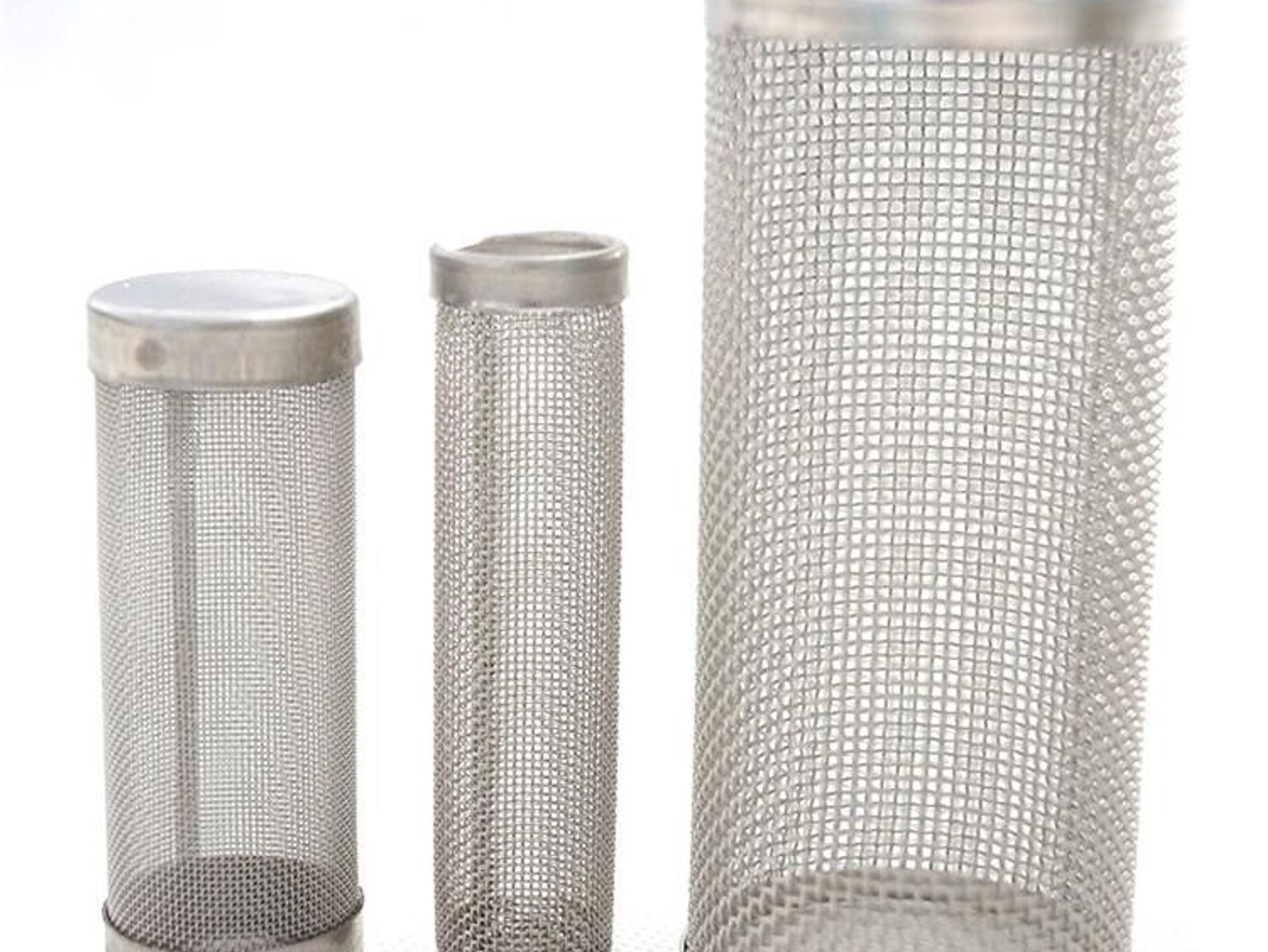
Coalescing filters are a specific wire mesh application built to separate water from petroleum-based fuels — hydraulic fluid, jet fuel, and diesel are the fuels most commonly requiring this function to perform at peak reliability. The mesh doesn't just filter particulate here; it encourages fine water droplets suspended in the fuel to merge into larger droplets that then separate by gravity or downstream coalescer stages.
For water-fuel separation duty specifically, wire mesh with a PTFE (polytetrafluoroethylene) coating is the standard configuration. The coating acts as a thin, nonstick finishing layer that doesn't close any wire openings, which is what lets the mesh promote droplet coalescence rather than just mechanically straining the fluid.
Isn't a standard uncoated mesh screen enough if the water content is already low? It rarely is in practice — even low water content in aviation or hydraulic fuel is enough to cause downstream corrosion or injector damage over time, which is exactly why coalescing filtration exists as a dedicated step rather than an optional add-on.
SS316L is the standard baseline for oil and gas filtration media, but corrosive fluids — particularly chlorides and H2S — often push alloy selection beyond it. That escalation path matters at the RFQ stage: specifying SS316L by default without checking process chemistry against it is one of the more common ways a filter element underperforms its expected service life in petrochemical duty.
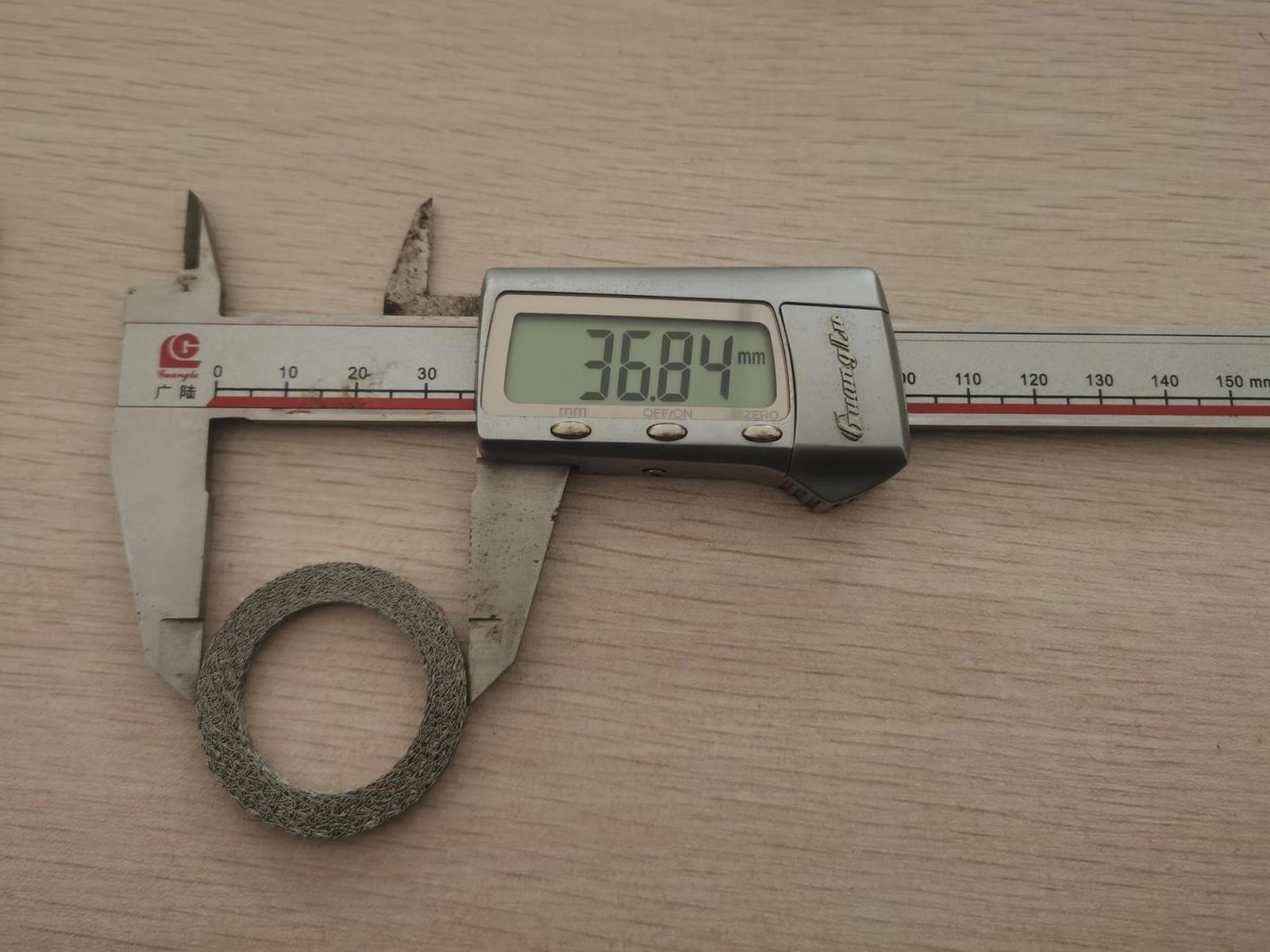
On oil and gas RFQs, the projects that come back for an alloy upgrade after initial installation are almost always the ones where H2S or chloride content wasn't fully characterized at the quote stage. Confirming process chemistry before material selection, not after a failure, is the cheaper path every time.
Thermal and pressure cycling, skid space constraints, and project documentation requirements round out the practical spec considerations beyond micron rating and material grade. Filter elements in oil and gas service often see repeated heating and cooling cycles that stress media and joints differently than steady-state service, and skid-mounted installations frequently have tighter dimensional constraints than a standard housing allows for.
| Consideration | Why It Matters |
|---|---|
| Micron rating | 4–7 µm typical for oil particle removal; confirm against your specific fluid |
| Material grade | SS316L baseline; escalate for chlorides/H2S exposure |
| Coalescing need | Required for water-fuel separation in hydraulic; jet; diesel fuel |
| Thermal/pressure cycling | Affects media and joint integrity over service life |
| Skid space | Constrains cartridge sizing on retrofit projects |
| Documentation | MTC and dimensional reports needed for most project specs |
Bundling strainers, mesh, and cartridges into one purchase order with a single engineering-led supplier reduces the coordination overhead of managing multiple specialists across a project, particularly useful when timelines are tight on retrofit or turnaround work.
SS316L is often insufficient for sustained H2S exposure; escalate to Duplex, Hastelloy, or Inconel depending on concentration and temperature. Confirm against your specific process chemistry rather than defaulting to a standard grade.
Finer weaves increase pressure drop and clog rate faster than the application typically benefits from — oil filtration protecting bearings and injectors generally doesn't need the precision that would justify going below that threshold.
Standard filtration mechanically strains particulate from fluid; coalescing filtration is specifically designed to merge suspended water droplets into larger droplets for gravity or downstream separation, which requires different mesh coating and configuration than particulate-only duty.
Most project specifications require material test certificates (MTC) and dimensional inspection reports, particularly for skid-mounted or turnaround work where traceability is part of the project's compliance requirements.
Yes, if the supplier's product range spans all three — bundling reduces the number of vendor relationships and PO coordination needed for a single project, which matters most on tight-timeline retrofit or turnaround work.
Micron rating gets the RFQ started, but material grade against actual process chemistry, thermal cycling tolerance, and documentation requirements are what determine whether the filter element survives its intended service life.
Send your process conditions, target micron rating, and material chemistry through KAIFIL's oil, gas & petrochemical application page or custom fabrication service for an engineering-reviewed recommendation.
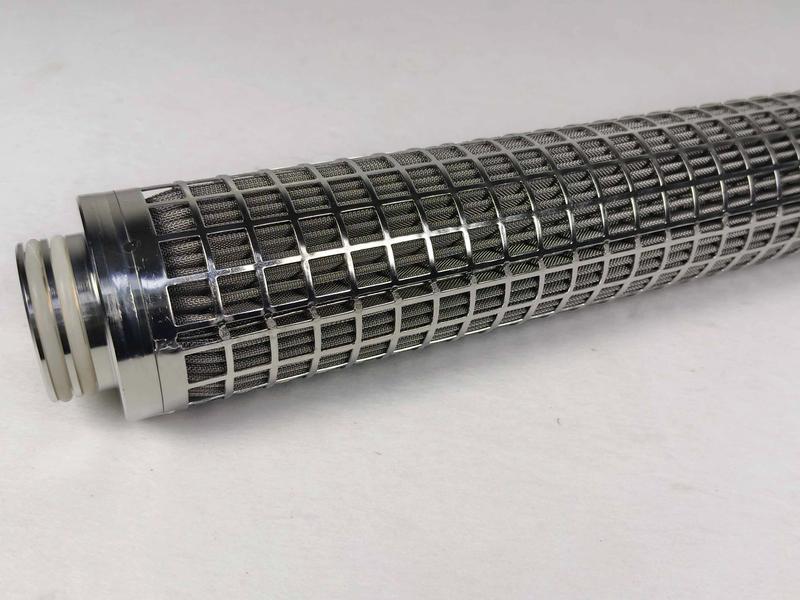
High-area pleated metal filter cartridges with custom media, end caps and seals.
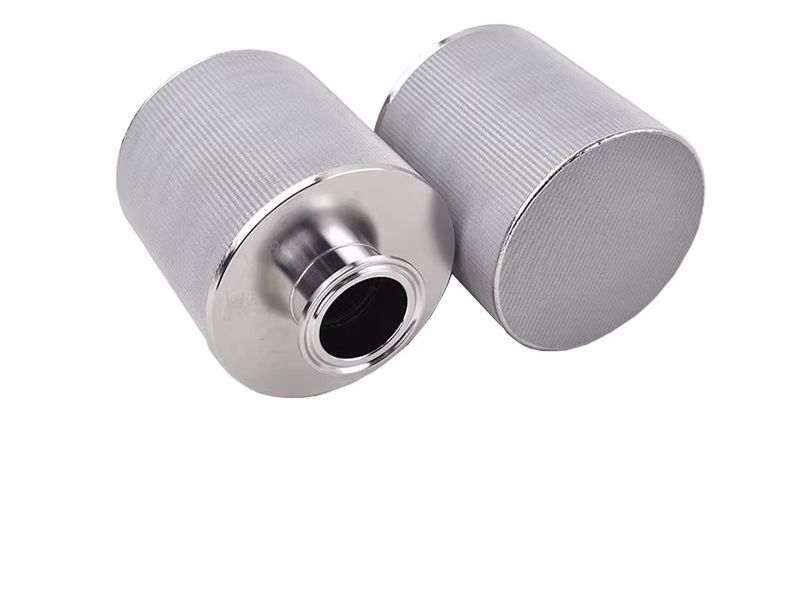
Cartridges / tubes / cylinders / cones for reusable high-strength filtration elements, supplied to drawing with material, size and packing details confirmed at RFQ stage.
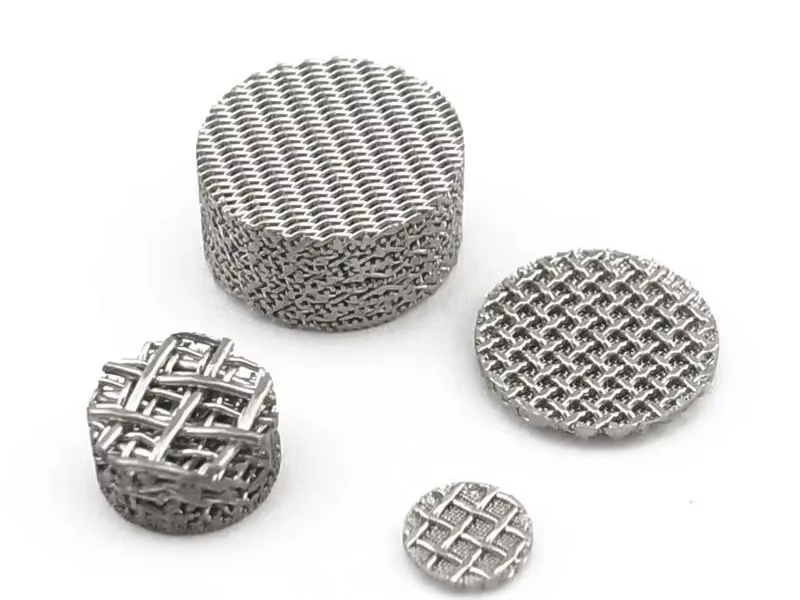
Rigid five-layer sintered wire mesh laminate for cleanable precision filtration and custom elements.
Send drawings, dimensions, material, environment or operating conditions, and we will help confirm the right specification.
Uploaded reference files are included with the inquiry. For larger CAD packages, reply to the confirmation email or send them here:
Our team typically replies within 24 business hours.