Selection Guide
How to Choose the Right Filter Mesh Size and Micron Rating
80 mesh with 0.145mm wire filters to about 170 micron. Learn the mesh-to-micron conversion formula and how to size wire mesh for your application.
80 mesh with 0.145mm wire filters to about 170 micron. Learn the mesh-to-micron conversion formula and how to size wire mesh for your application.
Spec the wrong mesh and you find out one of two ways: your filter clogs too fast, or it lets through exactly what you were trying to stop. Both mistakes trace back to the same root cause — mesh count and micron rating measure different things, and treating them as interchangeable is where most sizing errors start.
This guide walks through the conversion, the tradeoffs, and a straightforward process for landing on the right spec the first time.
In 2026, this is still the single most common spec-sheet mix-up buyers bring to us: mesh count and micron rating sound interchangeable but describe different things (Fresh Water Systems, How to Convert Mesh Count to Micron Rating, retrieved 2026-07-22). Mesh size counts the number of wires per linear inch of screen. Micron rating measures the actual particle size a filter can capture.
Here's the part that trips people up: mesh count alone doesn't fix the opening size. Two screens can both be "80 mesh" and filter to different micron ratings, because the opening depends on wire diameter too — thicker wire at the same mesh count leaves a smaller gap.
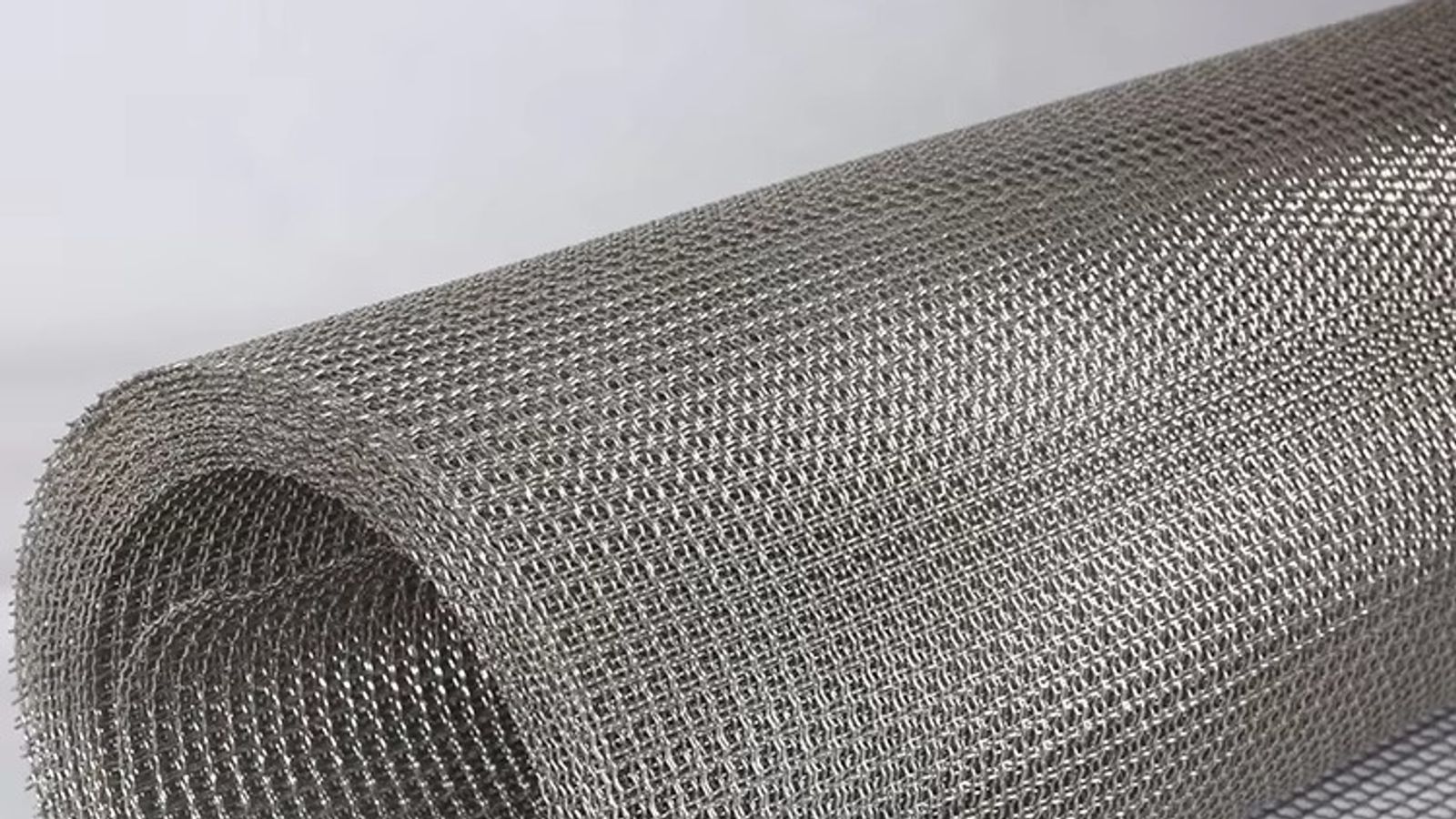
For a full breakdown by weave type and wire diameter, see KAIFIL's mesh reference charts, which cover mesh counts from 2 to 635 with wire diameter, aperture, and open-area percentage for each.
The standard approximation is to divide 14,900 by either the mesh size or the micron rating to estimate the other value, and it holds accurately for mesh sizes between 50 and 400 (Fresh Water Systems, 2026). It's a fast sanity check, not a substitute for a manufacturer's tested spec sheet.
| Mesh Count | Approx. Micron Rating | Typical Use |
|---|---|---|
| 30 mesh | ~500 µm | Coarse debris; pre-screening |
| 80 mesh | ~170–186 µm | General-purpose screening |
| 100 mesh | ~149 µm | Fine sand; sediment |
| 140 mesh | ~105 µm | Plastic extrusion pre-filtration |
| 250 mesh | ~60 µm | Fine particulate removal |
| 400 mesh | ~37 µm | Precision filtration (upper limit of the formula's accuracy) |
Approximate values via the 14,900 ÷ mesh formula. For exact figures by weave type and wire diameter, KAIFIL's own mesh reference chart lists a measured example: 80 mesh with 0.145mm wire filters to about 170 microns.
Below 50 mesh or above 400 mesh, the approximation loses accuracy and you should work from a tested chart rather than the formula (Fresh Water Systems, 2026). Past roughly 325 mesh, most standard plain weave construction also runs out of room — that's where Dutch weave takes over, using two wire diameters to pack a finer, more stable aperture into the same weave.
Start from the smallest particle you actually need to stop, not the smallest particle that exists in your process stream — oversizing filtration precision is the single most common way to shorten a filter's service life for no real benefit. Four steps get you to a workable spec:
Isn't it tempting to just spec the finest mesh available and call it safe? It isn't — a filter that's too fine for the job blocks flow, spikes pressure drop, and needs cleaning far more often than the application requires.
As of 2026, drinking water filtration typically runs 0.5 to 5 microns to remove fine sediment and microorganisms, while engine and hydraulic oil filtration sits in the 10 to 40 micron range to balance contaminant removal against flow rate (Fresh Water Systems, 2026). Plastic extrusion pre-filtration commonly lands around 105 microns to catch resin impurities without choking melt flow.
On drawing reviews, the extrusion customers who oversize their pre-filter precision are the ones who come back three months later asking why their screen pack needs changing twice as often as expected. Matching mesh to the actual contaminant profile, not the finest option on the chart, is usually the fix.
| Application | Typical Micron Range | Why |
|---|---|---|
| Drinking water filtration | 0.5–5 µm | Removes fine sediment and microorganisms |
| Engine / hydraulic oil | 10–40 µm | Balances contaminant capture with flow rate |
| Plastic extrusion (pre-filter) | ~105 µm | Removes resin impurities without restricting melt flow |
| Pharmaceutical / fine chemical | 1–20 µm | Requires tight; consistent aperture control |
Source: Fresh Water Systems, retrieved 2026-07-22.
For process-specific guidance, KAIFIL's application pages break down typical filtration ranges for plastic extrusion, oil, gas & petrochemical, and pharmaceutical & chemical filtration by industry.
Material grade doesn't change the micron rating itself, but it changes how reliably that rating holds up over the filter's service life. SS304 wire mesh is a cost-effective general-purpose choice, while SS316 holds tighter tolerance under sustained corrosion exposure in marine, chemical, and pharmaceutical settings.
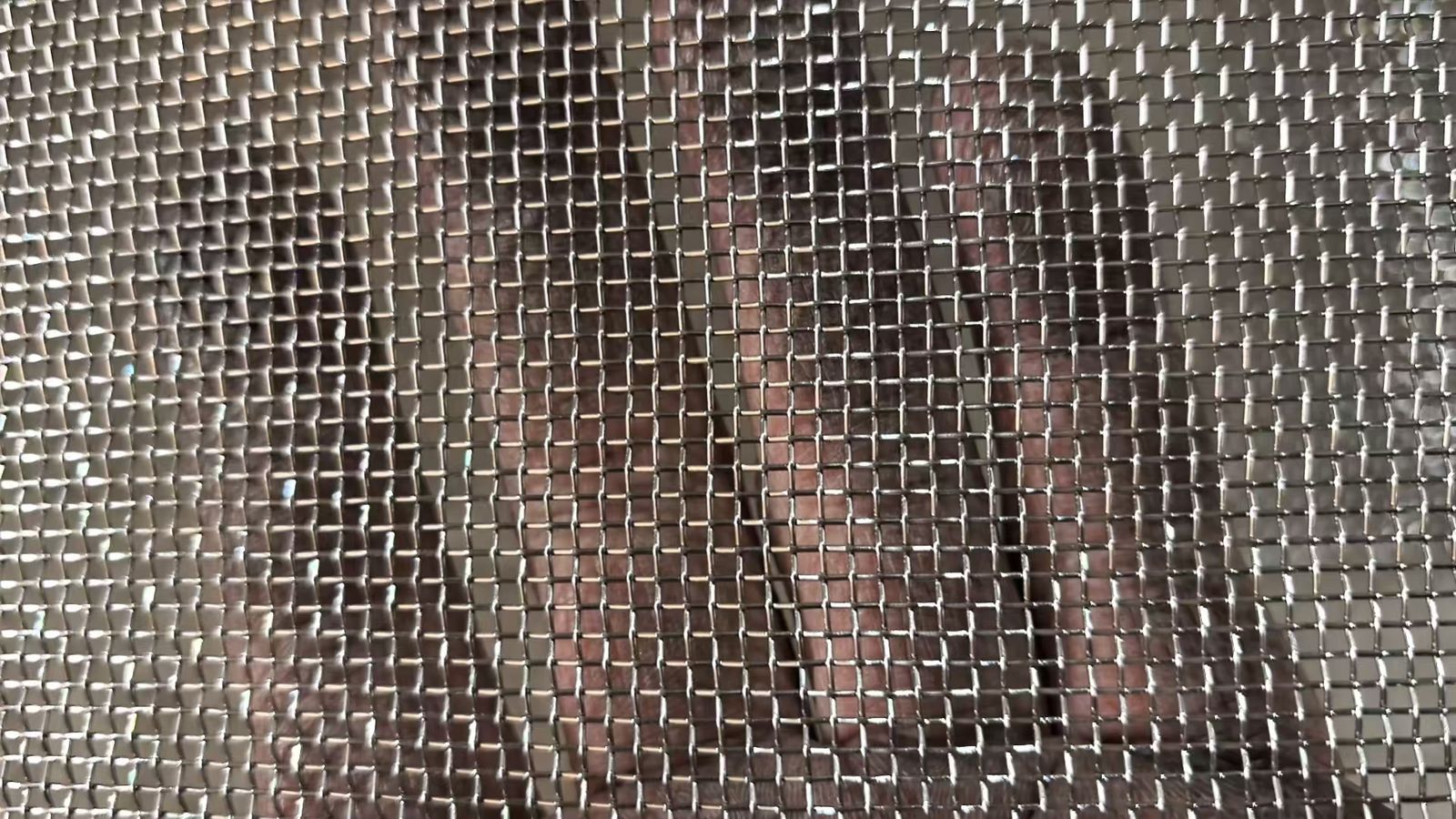
A mesh rated at 170 microns new can drift finer or coarser over time if the wire itself corrodes or pits — which is why material grade selection belongs in the same conversation as mesh sizing, not as an afterthought. If you're unsure which grade your process needs, KAIFIL's custom fabrication team can confirm material selection against your specific chemistry when you send a spec.
Generally yes, but not guaranteed on its own — mesh number counts wires per inch, and a higher count with thick wire can still leave a similar-sized opening to a lower count with thin wire. Always check the aperture or micron rating directly rather than comparing mesh numbers alone.
Nominal rating estimates typical capture efficiency at a given size, while absolute rating guarantees capture at that size with much higher consistency. Fine Dutch weave grades, for example, reach absolute ratings as tight as 6–7 microns versus broader nominal ranges for the same weave family.
Not reliably. The 14,900 ÷ mesh approximation holds for mesh sizes between 50 and 400 (Fresh Water Systems, 2026); above that range, wire diameter variation has too much impact on the actual opening, and you need a tested chart rather than the formula.
Yes — two screens at the same mesh count can have different micron ratings depending on wire diameter, since a thicker wire narrows the gap between wires. Always check the aperture measurement alongside mesh count, not mesh count alone.
Many extrusion lines run pre-filtration around 105 microns to catch resin impurities without restricting melt flow, tightening for final-stage filtration depending on the polymer. Confirm against your specific resin's typical contaminant size before locking the spec.
Mesh count and micron rating answer different questions — one counts wires, the other measures particle capture — and mixing them up is the most common sizing mistake we see on incoming drawings. Use the conversion formula for a fast estimate, then confirm against a tested chart for anything below 50 mesh or above 400.
If your application sits outside the standard chart range, or you need a weave type built to an exact aperture, send your target micron rating and process conditions through KAIFIL's custom fabrication service, or reach out via contact for an engineering-reviewed recommendation.
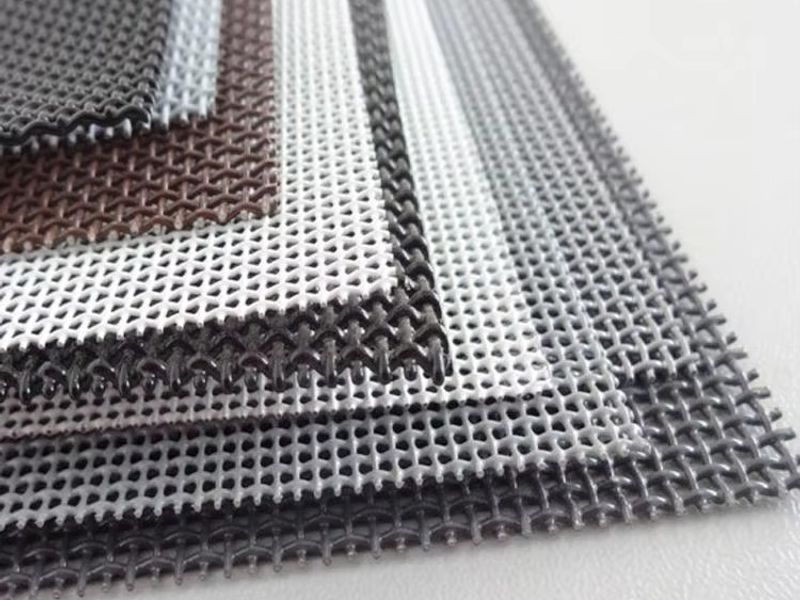
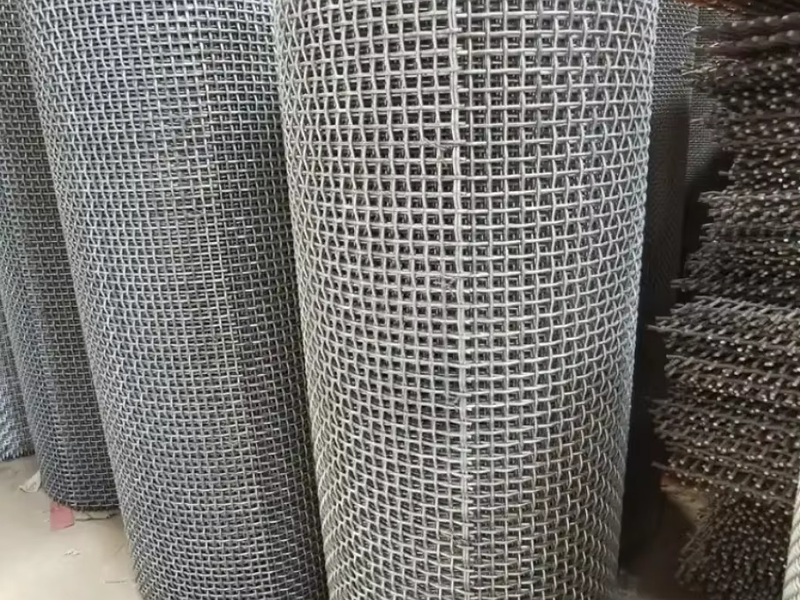
Square-opening woven wire mesh for screening, support layers and custom fabricated filter parts.
Dense woven wire mesh for fine filtration and custom screen packs in demanding process lines.
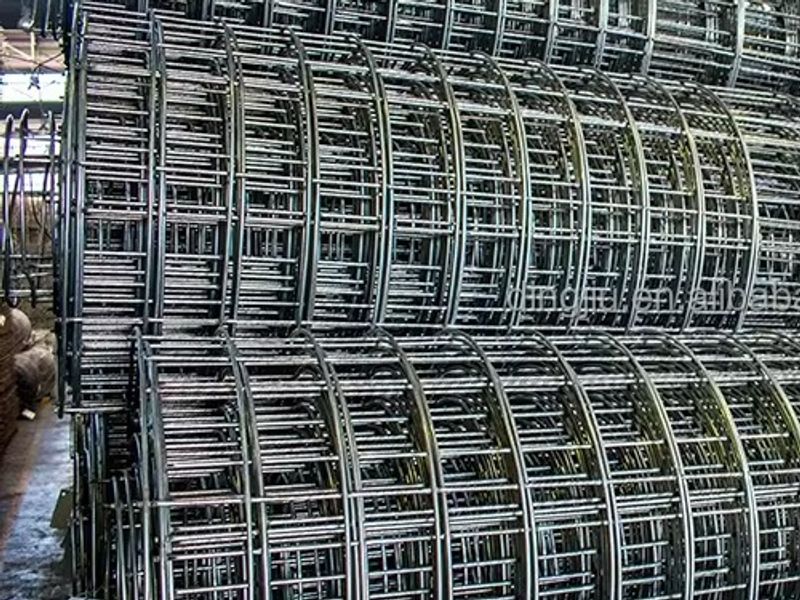
Panels / sheets / custom screens for heavy-duty screening and protective mesh, supplied to drawing with material, size and packing details confirmed at RFQ stage.
Send drawings, dimensions, material, environment or operating conditions, and we will help confirm the right specification.
Uploaded reference files are included with the inquiry. For larger CAD packages, reply to the confirmation email or send them here:
Our team typically replies within 24 business hours.