Technical
Edible Oil Filtration with Stainless Steel Wire Mesh
How stainless steel wire mesh, strainer baskets and cartridges filter edible oil through every refining stage. Contact KAIFIL for a quote today.
How stainless steel wire mesh, strainer baskets and cartridges filter edible oil through every refining stage. Contact KAIFIL for a quote today.
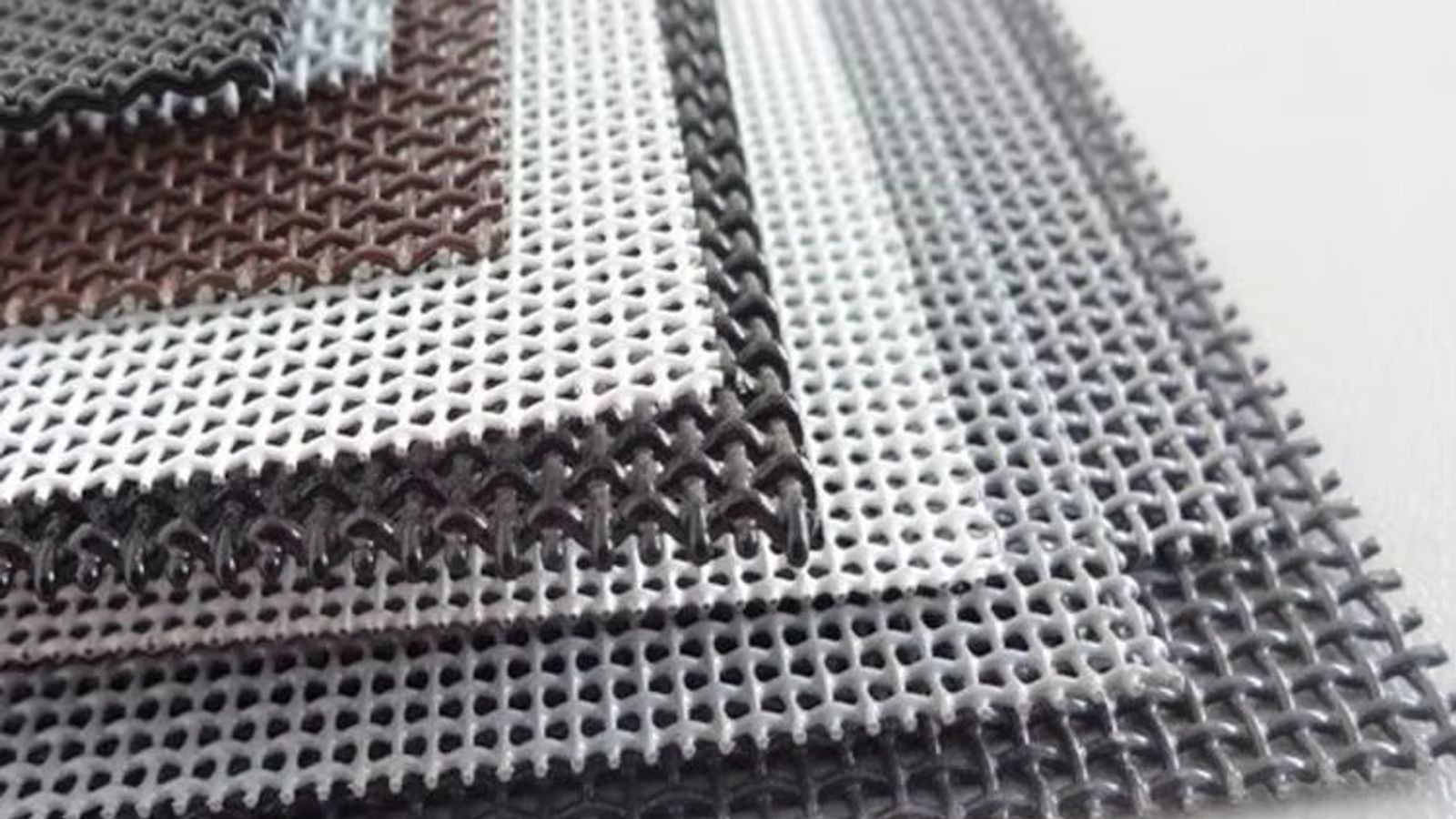
Edible oil filtration is the mechanical separation of suspended solids, gums, soap traces, spent bleaching earth, waxes and sub-micron haze from vegetable oils using a porous stainless steel wire mesh medium installed in strainer baskets, filter leaves, cartridges and fabricated filter assemblies. In a commercial refining plant the duty spans a wide spectrum: crude oil screening at 40–80 mesh (removing hull fragments and press fines in the 180–420 micron range), bleaching earth retention on 200–400 mesh cloth rated to 10–40 microns, and final polishing to 1–5 micron nominal ratings at oil temperatures of 70–105°C and differential pressures up to 2–3 bar. Because the medium must survive hot oil, caustic and acid cleaning cycles, and repeated steam sterilization, 304 and 316L stainless steel wire mesh has become the near-universal standard — and understanding which mesh, weave and filter geometry to specify for each refining stage is the difference between steady throughput and frequent blinding, pressure-drop spikes and off-spec oil. This article walks through the edible oil refining process stage by stage and explains how mesh, micron rating and filter construction should be selected for each.
Every oil refiner's filtration problem is chemical as well as physical. Refined oil is hot (typically 70–105°C through bleaching and polishing, and higher upstream), it carries free fatty acids, it is flushed with caustic soda during neutralization, and it is repeatedly washed with hot water and steam. Plain carbon steel corrodes in that environment and contaminates the product; polymer media soften at temperature and cannot survive aggressive cleaning.
Stainless steel wire mesh answers all of these constraints:
For refiners, this translates to a CIP-cleanable filter design that stays in the loop for a decade rather than a consumable that is replaced after every campaign.
Edible oil refining is a sequence of chemical and physical steps, and there is a filtration point — or two — at nearly every one. The classic process for oils like soybean, rapeseed, sunflower, palm and groundnut runs as follows:
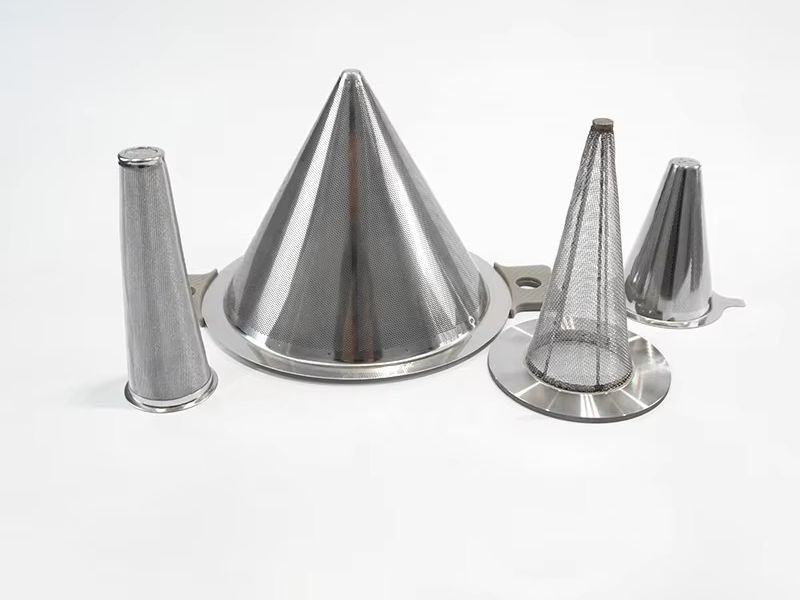
Raw oil from expellers or solvent extraction carries hull fragments, meal fines, press-cake solids and occasional tramp metal. The first barrier is a coarse screen, typically 40–80 mesh plain weave, that protects pumps, heat exchangers and downstream equipment. It is not a quality step; it is asset protection. A stainless steel conical strainer at the mill inlet or transfer line is the standard form, sized so the open area keeps pressure drop below about 0.5 bar even at full flow.
Hydratable phospholipids (gums) are removed by water, acid or enzymatic treatment, then separated by centrifuge. Filtration here is usually a guard duty: a 80–150 mesh safety screen downstream of the centrifuge catches gum agglomerates and filter-aid carryover before they reach the neutralizer. It is coarse, cheap and unglamorous — but a single gum slug can blind a fine bleaching filter in minutes.
Caustic soda converts free fatty acids to soap, which is separated by centrifuge and washed with hot water. Residual soap and wash-water solids are removed by filtration at 100–200 mesh, and this is often the first place refiners switch to 316L, because caustic and salt-laden wash water stress 304 over many cycles.
Activated bleaching earth (and sometimes activated carbon) is dosed into hot oil at 90–110°C to adsorb pigments, peroxides, trace metals and soap. After contact, the earth must be removed completely — retained earth ruins downstream deodorization and final color. This is the most demanding wire mesh duty in the plant: filters run on 200–400 mesh plain weave or on Dutch weave rated to 10–40 microns, in Nutsche, vertical or horizontal pressure leaf filters with precoating and body-feed. Bleaching earth retention is the classic justification for moving from square mesh to Dutch weave, because the tortuous capillary openings capture 10–30 micron clay particles that a square 300 mesh cloth (about 48 microns aperture) would pass.
Sunflower, corn, cottonseed and rice bran oils contain waxes that crystallize when chilled. The oil is cooled to around 4–8°C and held, then the wax crystals are filtered out so the bottle stays clear in the refrigerator. Winterization filtration typically runs 200–400 mesh or fine Dutch weave rated to 5–20 microns, on slowly fouling filters where pressure-drop control and good cake release matter more than absolute fineness.
The final brightening step removes residual fines, haze precursors and traces of bleaching earth that escaped earlier stages. Polishing runs on fine media — pleated cartridges or very fine square and Dutch-weave screens rated from 1 to 10 microns, with 300–600 mesh square cloth (approximately 20–48 micron apertures) used where a cleanable re-usable screen is preferred over a disposable cartridge. Because polishing filters see the whole plant's upstream upsets, they are usually oversized with redundant parallel housings so one bank can be taken offline without stopping production.
Choosing the right mesh is a trade-off between retention, flow capacity and cleanability. The table below summarizes typical practice — treat the numbers as engineering starting points, not guarantees, because your feedstock, throughput and pressure budget will move them.
| Process stage | Typical weave / mesh | Nominal retention | Contaminant targeted | Typical media type |
|---|---|---|---|---|
| Crude screening | 40–80 mesh plain weave | 180–420 µm | Hulls; press fines; tramp solids | Strainer basket; Y-strainer |
| Degumming guard | 80–150 mesh plain weave | 100–180 µm | Gum agglomerates; aid carryover | Strainer basket; mesh-lined pipe |
| Neutralization | 100–200 mesh plain weave | 74–150 µm | Soap traces; wash-water solids | Basket or bag-style mesh filter |
| Bleaching earth retention | 200–400 mesh plain; or Dutch weave | 10–40 µm | Spent bleaching clay; carbon | Pressure leaf / plate filter cloth |
| Winterization | 200–400 mesh; fine Dutch weave | 5–20 µm | Crystallized waxes | Leaf filter; candle filter |
| Polishing | 300–600 mesh square; or pleated cartridge | 1–10 µm | Residual fines; haze | Cartridge housing; polished screen |
Two rules of thumb apply across every stage. First, mesh alone does not set the removal cut-off — the weave does: square-mesh apertures are straight-through and pass particles smaller than the opening, while Dutch weaves create tortuous triangular capillaries that trap far finer particles than the wire count suggests. Second, nominal versus absolute ratings matter: a nominal 10-micron screen may pass occasional oversized particles, while an absolute rating guarantees a bubble-point tested cut-off. For oil that must meet a contract spec, always ask whether the rating is nominal or absolute.
| Property | Plain weave | Plain Dutch weave (PDW) | Twilled Dutch weave (TDW) |
|---|---|---|---|
| Wire arrangement | One-over; one-under | Warp wires wider-spaced; fine shute wires packed close | Shute wires packed and twilled; denser still |
| Typical filtration range | ~20 µm to several mm | ~5 to 100 µm | ~1 to 60 µm |
| Open area | High (30–45%) | Low (10–30%) | Lowest |
| Strength / rigidity | Good | High — resists pressure flex | Highest |
| Cleanability | Excellent — easy blowback | Good | Fair — denser media blinds faster |
| Best duty | Coarse screening; straining | Bleaching earth; fine cake retention | Polishing; fine particle capture |
For edible oil service, the pattern is simple: use plain weave wire mesh for anything above about 50 microns where you want flow and easy cleaning; switch to Dutch weave for fine solids like bleaching earth and waxes; and reserve twilled Dutch weave for the finest cleanable screens. A pleated cartridge is often the better choice at the sub-5-micron polishing end, where cleanable mesh would need excessive area.
The mesh is only half the story — the geometry it is built into determines how easily it cleans and how often it blocks. Refiners choose between three broad forms:
Because nearly every refining plant has odd housings, odd tank geometries and non-standard flow paths, most real-world filtration hardware is custom fabricated: a cone that must match an existing strainer, a leaf that must fit a pressure vessel, a basket with a specific handle and gasket. This is where working with a manufacturer that does custom wire mesh fabricated parts pays off — you specify the micron rating and the envelope, and the fabricator handles weave, backing, welding and finish.
A few numbers keep the whole system honest. Filter performance for oil is usually quoted as:
The economics follow from geometry. A coarse 40-mesh basket costs little and protects everything downstream; skimping on it shows up as destroyed pumps and blinded bleaching filters. At the other end, a 1–5 micron polishing cartridge is the most expensive element per square meter, so refiners protect it with every upstream stage. The correct specification is the finest mesh that still gives you an acceptable cleaning interval — not the finest mesh you can buy.
There is also a measurable sustainability argument for re-usable stainless media. A single 300-mesh stainless element can be cleaned and reused for years, replacing thousands of disposable filter bags or depth cartridges. On a line that runs continuously, that difference in consumable spend and waste disposal usually dwarfs the purchase price of the stainless hardware.
What micron rating is needed to filter edible oil? There is no single number. Coarse screening runs 40–80 mesh (180–420 µm), bleaching earth retention needs 10–40 microns, winterization runs 5–20 microns, and final polishing targets 1–10 microns nominal. Specify by process stage, not by a single plant-wide rating.
Is 304 or 316L stainless steel better for oil filtration? Both are food-safe and standard. 304 is adequate for dry, neutral service; 316L is the better choice wherever the oil is washed with brine, acid-activated bleaching earth is present, or caustic/acid cleaning cycles are aggressive. Most refiners standardize on 316L for everything downstream of neutralization.
Can stainless steel mesh be cleaned and reused, or is it disposable? Wire mesh is surface-loading and designed for reuse. Baskets and cartridges are blown back, caustic-flushed, acid-cleaned and steam-sterilized in place; a well-maintained element typically lasts years and hundreds of cycles.
What does mesh count mean for filtration, and how does it relate to microns? Mesh count is the number of openings per linear inch. Higher mesh means smaller openings, but the micron rating also depends on wire diameter and weave: 40 mesh ≈ 400 µm, 100 mesh ≈ 150 µm, 200 mesh ≈ 74 µm, 300 mesh ≈ 48 µm, 400 mesh ≈ 37 µm for square weaves. Dutch weaves retain much finer particles than their mesh count suggests because of their tortuous flow path.
Why does my bleaching filter keep blinding quickly? The usual causes are upstream gum or soap carryover, over-dosing of bleaching earth, or mesh that is too fine for the earth grade in use. Fix the upstream separation first, then verify the mesh rating against the actual clay particle size distribution — and consider a Dutch weave, which retains 10–30 micron clay more efficiently with a better cleaning profile.
Edible oil refining is unforgiving to underspecified filtration, but the technology is mature and proven. Whether you need a 40-mesh crude-oil strainer basket, a 316L Dutch-weave bleaching filter assembly, a 1–5 micron pleated polishing cartridge, or a fully custom fabricated element for an existing pressure leaf filter, KAIFIL manufactures stainless steel wire mesh filters, strainer baskets and fabricated filter components to your exact micron rating and envelope.
Tell us your process: oil type, throughput, operating temperature and pressure, current mesh or micron rating, and whether your system runs caustic or acid CIP. We will recommend the weave, material grade and filter geometry that gives you the longest cleaning interval at the lowest cost per batch, and back it with a drawing and a firm quote. Contact KAIFIL today with your process details — a straightforward email with your flow rate and target micron rating is enough to start the conversation. For an overview of how stainless steel filtration fits into the wider food and beverage processing industry, see our application guide.
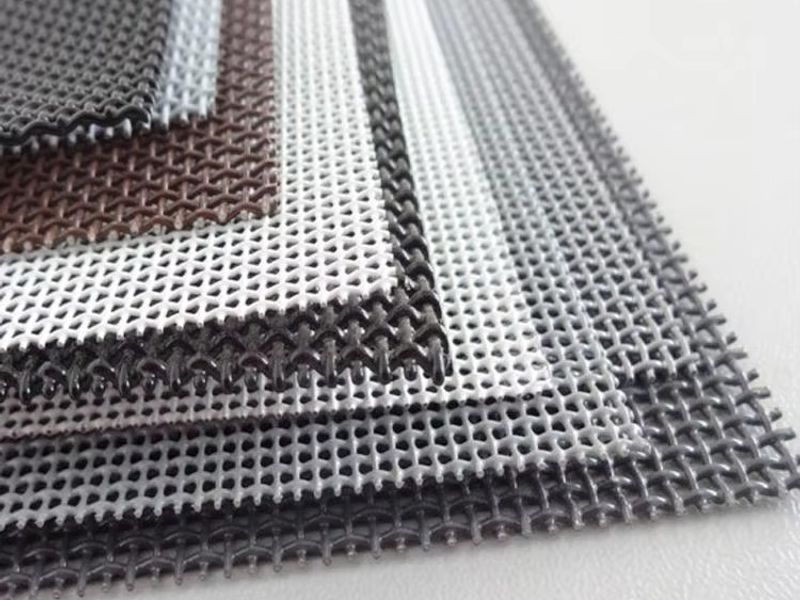
Square-opening woven wire mesh for screening, support layers and custom fabricated filter parts.
Temporary cone strainers and startup screens made to pipeline size, flange fit and debris load.
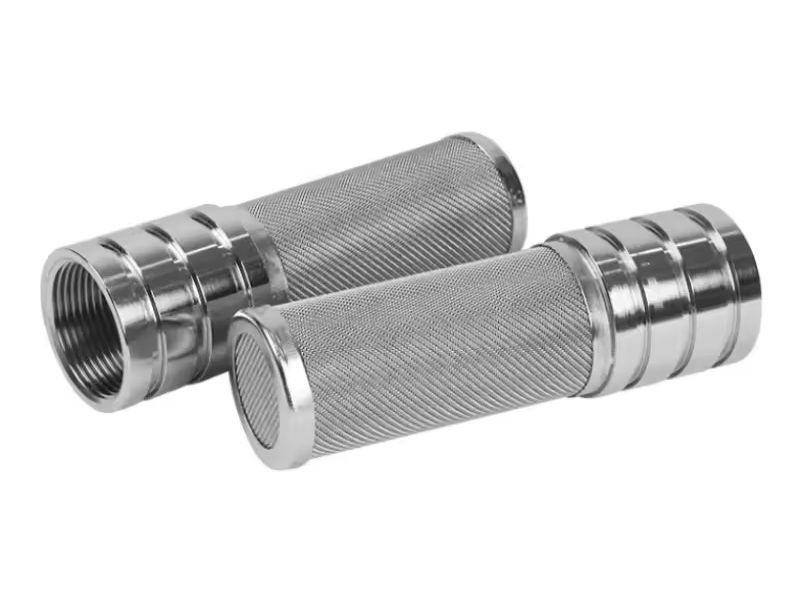
Welded assemblies / framed filters / cartridges for oem filtration assemblies and replacement parts, supplied to drawing with material, size and packing details confirmed at RFQ stage.
Send drawings, dimensions, material, environment or operating conditions, and we will help confirm the right specification.
Uploaded reference files are included with the inquiry. For larger CAD packages, reply to the confirmation email or send them here:
Our team typically replies within 24 business hours.